What kind of visit this is
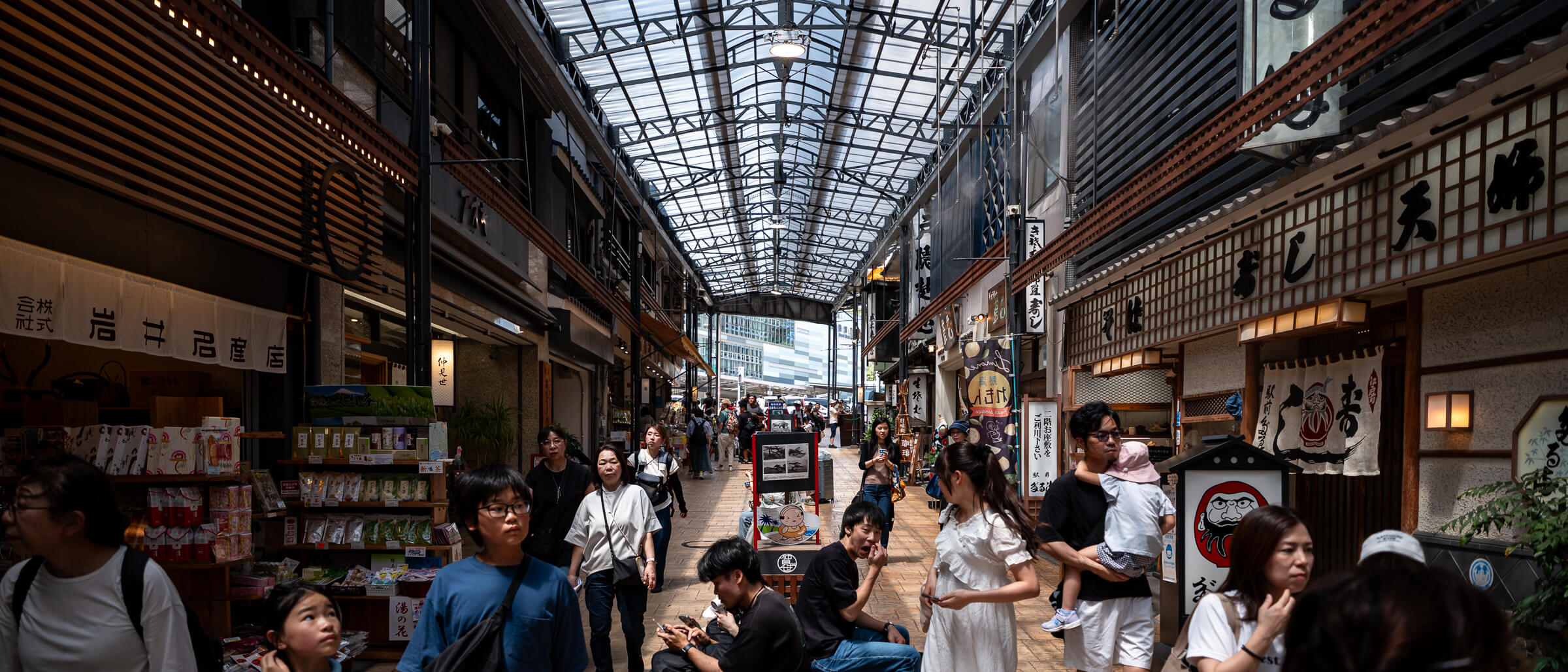
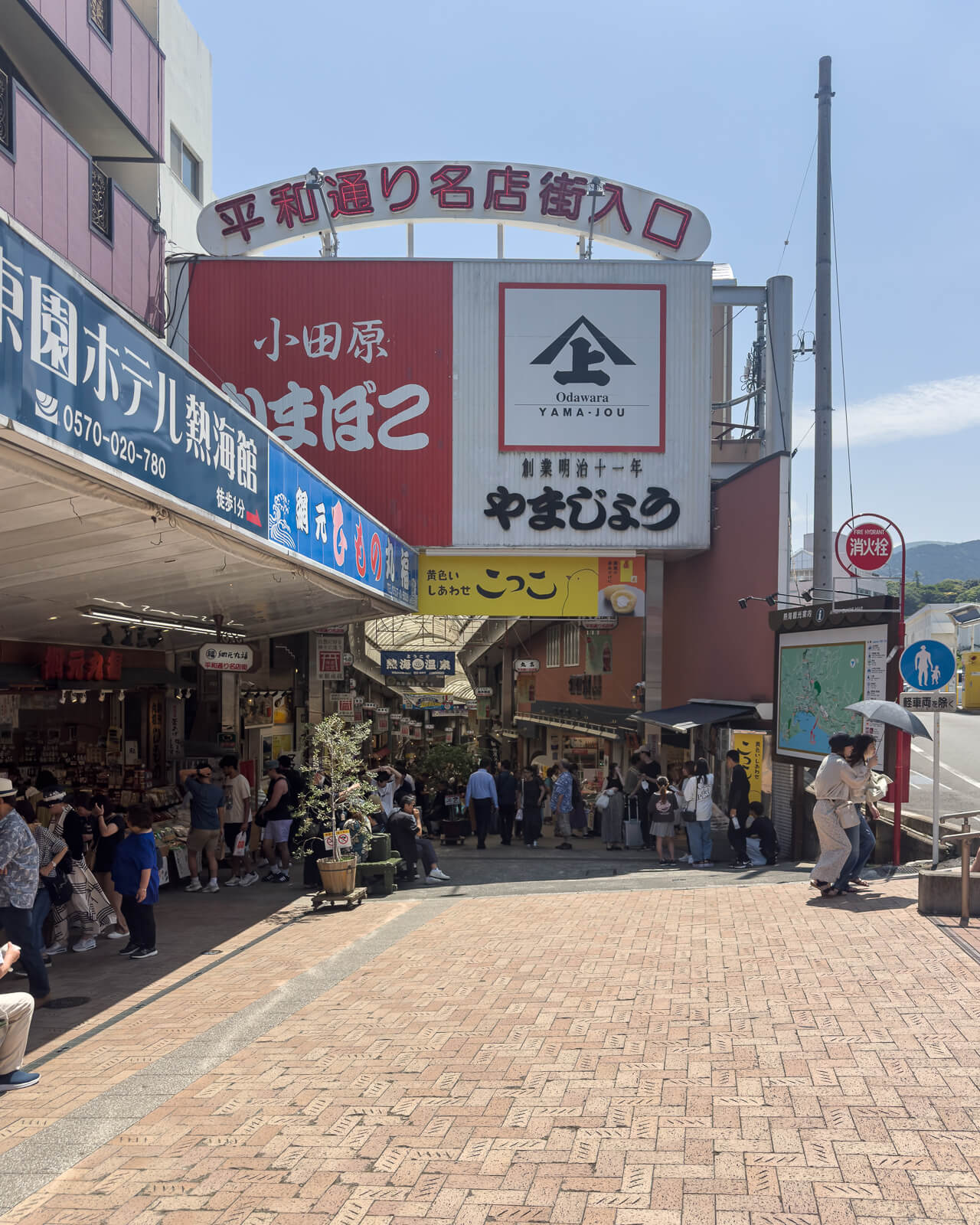
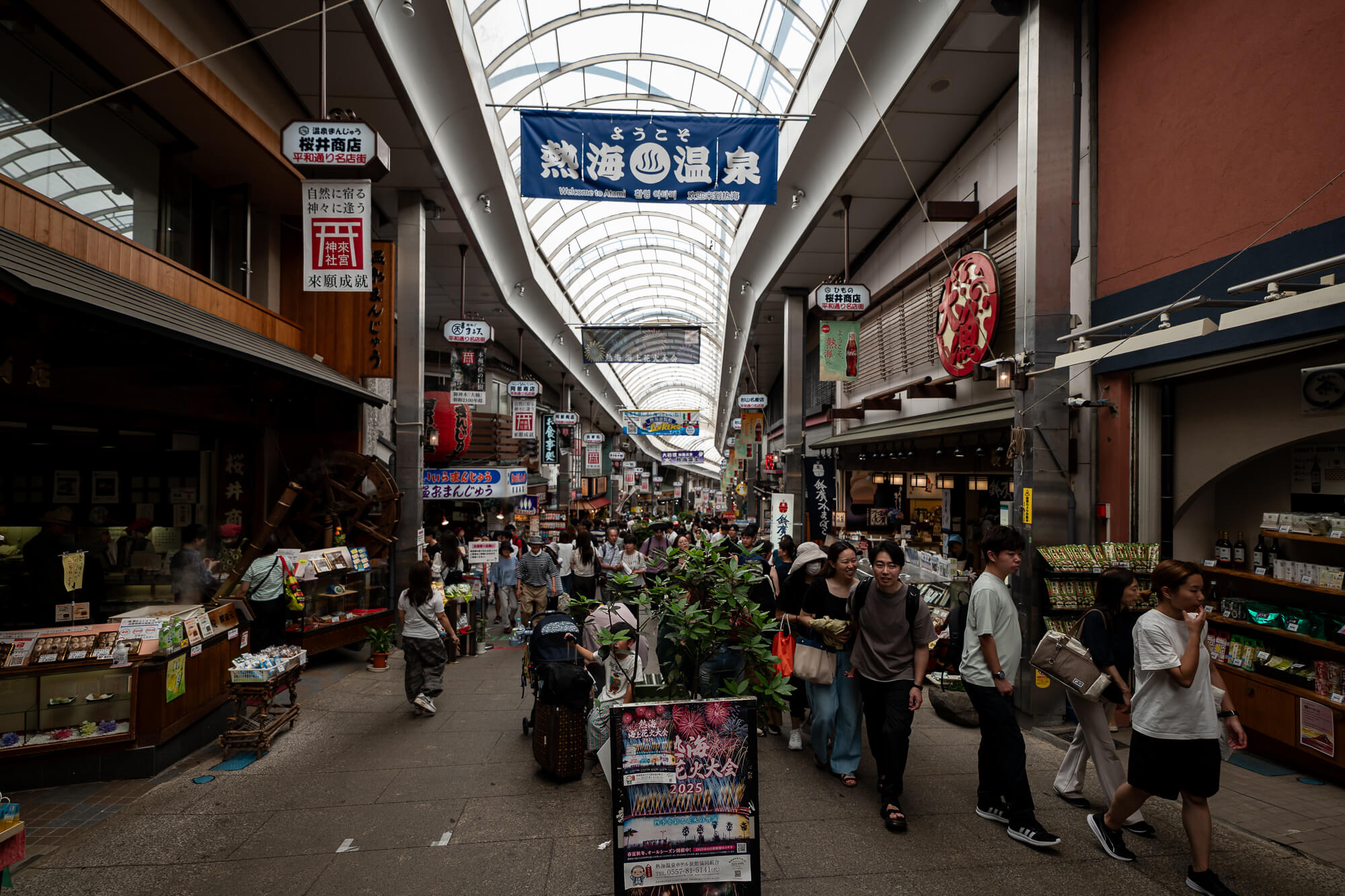
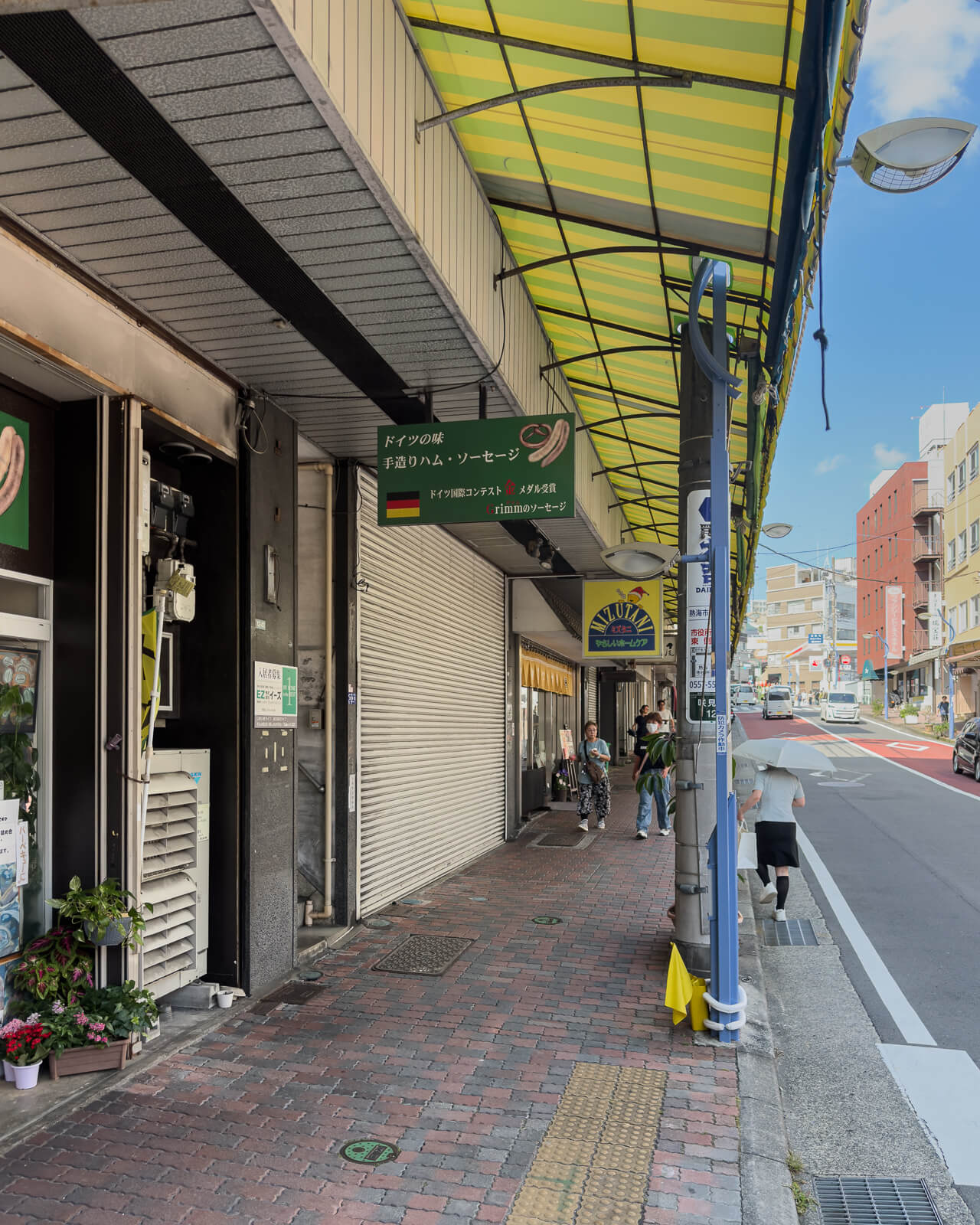
The shopping streets directly outside Atami Station form a short arrival walk rather than a destination in themselves. Two covered arcades—Atami Heiwa-dōri Shopping Street and Atami Nakamise-dōri Shopping Street—run parallel just steps apart, creating a compact zone that most visitors pass through naturally after arriving by train.
The experience is simple and readable. The walk is flat, continuous, and lined with food counters, souvenir shops, and casual places to pause. Many visitors spend less than an hour here, often using the streets to settle in before deciding how the rest of their time in Atami—or elsewhere along the Shizuoka coast—will unfold.
This area works well for travelers who want an easy transition after arrival. It offers orientation without obligation, and skipping extended time here does not diminish an Atami visit.
Why the station area developed this way
Atami’s role as a hot spring town predates modern tourism infrastructure. When rail access expanded in the late nineteenth and early twentieth centuries, the station became the town’s primary point of arrival, and the land immediately outside it absorbed visitor-facing services.
Rather than being planned as a single commercial complex, the two shopping streets formed gradually. Small food businesses, souvenir sellers, and everyday services clustered where arriving foot traffic naturally slowed. Covered arcades were added later to keep the area usable in all weather, allowing short stops regardless of season.
That practical origin still defines the space today. The streets exist to receive visitors efficiently, support brief pauses, and allow movement onward without friction.
How the walk actually unfolds
Most visits begin directly outside the station ticket gates. From there, the arcades extend straight ahead, with clear sightlines and no elevation changes. Movement feels continuous rather than segmented, and visitors often drift between the two parallel streets based on interest rather than following a fixed route.
Because foot traffic divides naturally, the area rarely stalls even when busy. Some travelers browse briefly and continue on, while others stop to eat or look through shops before moving deeper into town. A first walk through the streets often becomes a way to decide whether to head inland toward Kinomiya Shrine or toward the coast.
Eating along the way without committing to a full stop
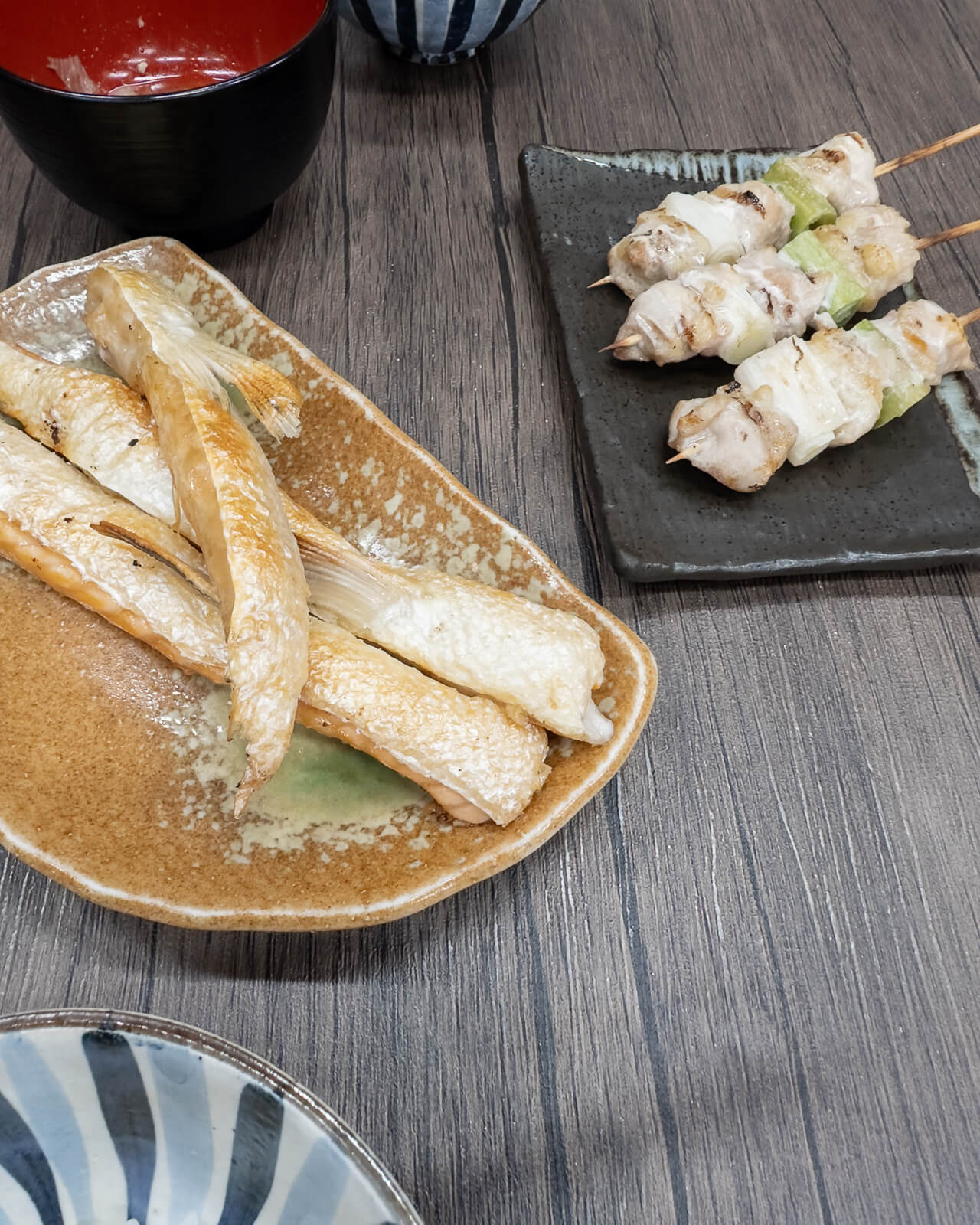
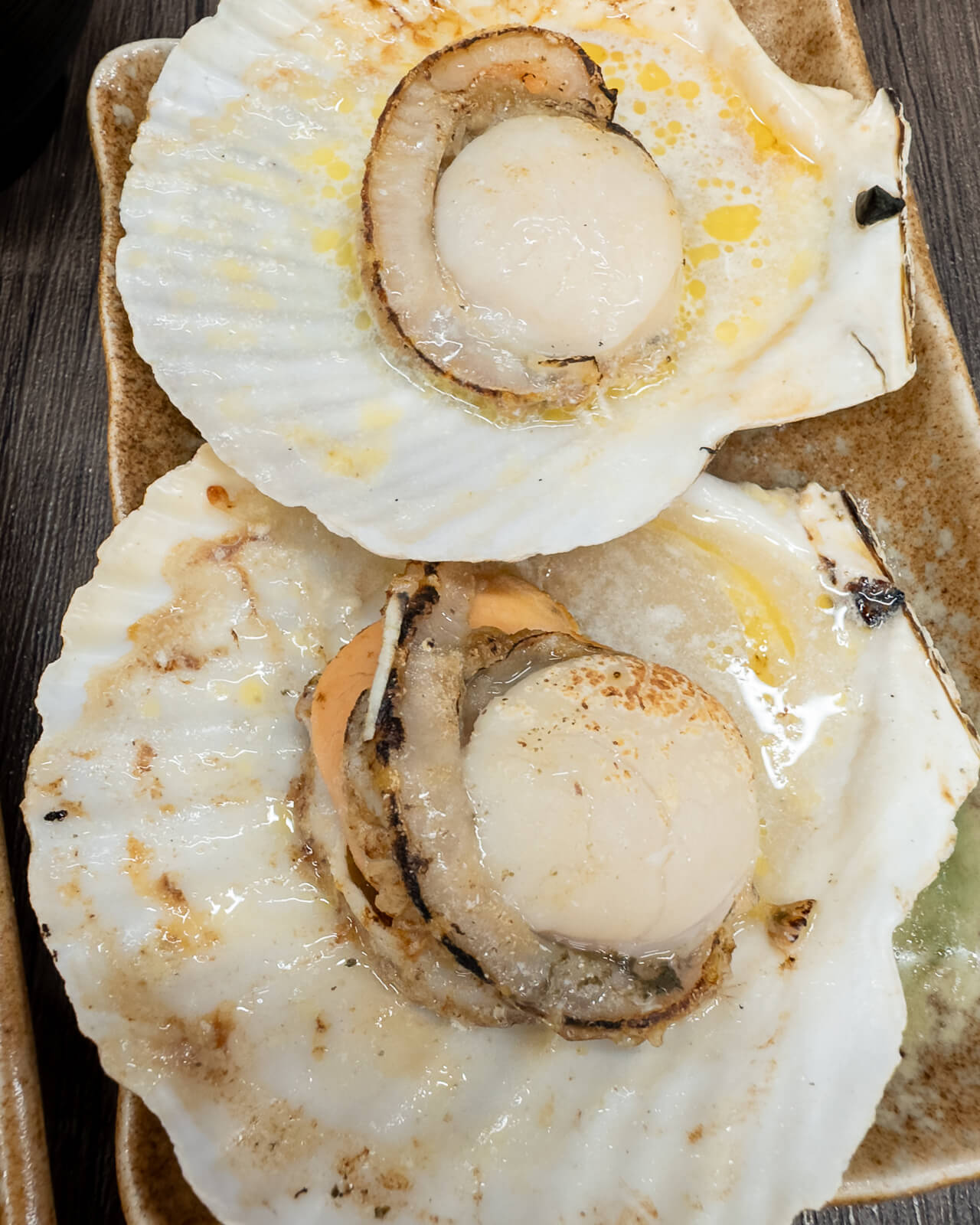
Food options along the station shopping streets favor short, flexible stops. Grill-front counters, takeaway windows, and small menus make it easy to eat without planning a sit-down meal.
This makes the area useful when timing is uncertain, such as just after arrival or before moving on to another part of town. Some visitors pause here before walking downhill toward Atami Sun Beach or continuing along the Itokawa Promenade, using the streets as a transition between the station and the waterfront.
How the streets feel at different times
Crowd levels increase during summer weekends and holidays, particularly around midday. Even then, movement generally continues because most visitors are browsing rather than stopping for long periods. The presence of two parallel routes helps disperse foot traffic.
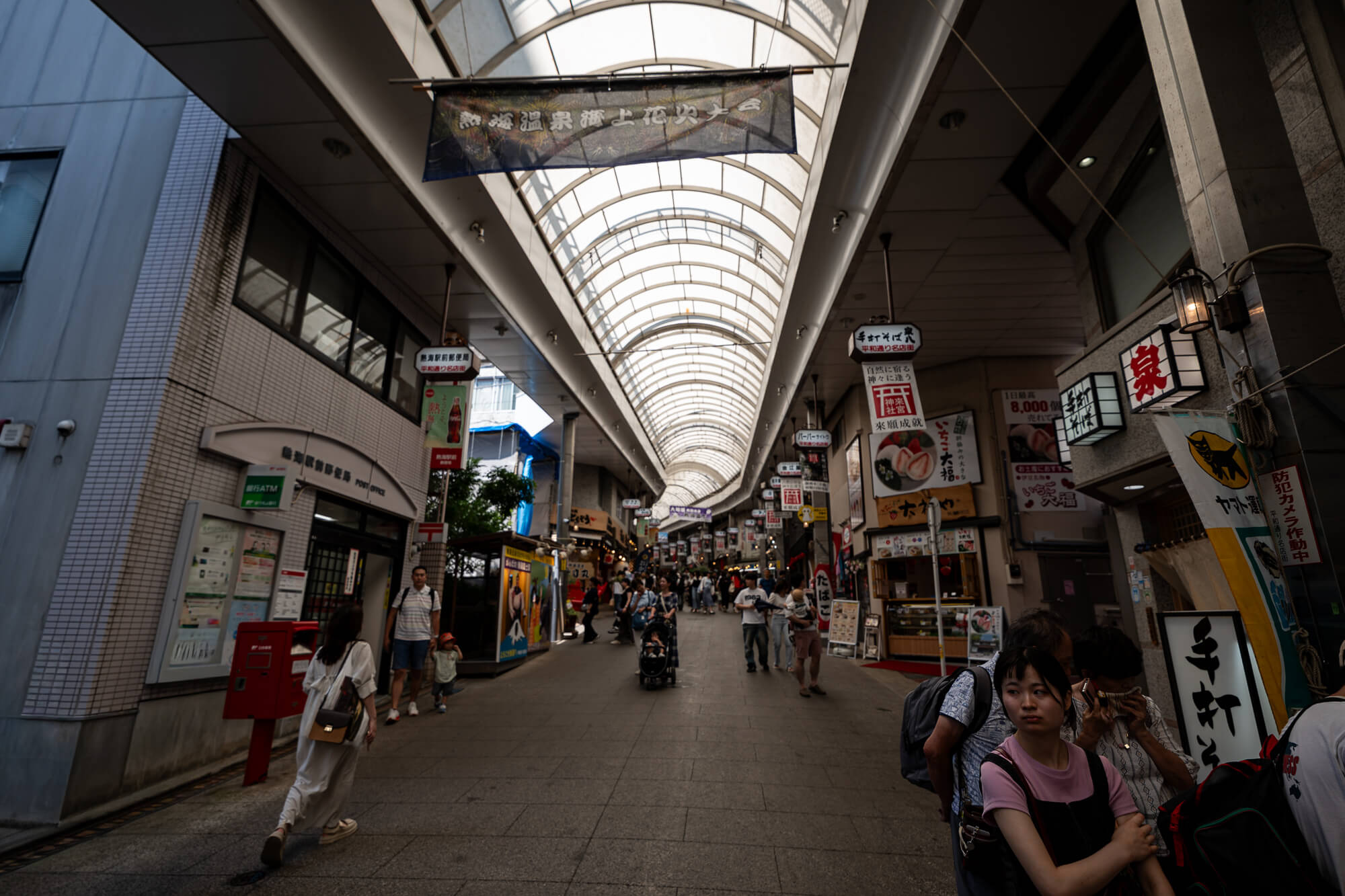
Earlier in the day, the streets function more as a pass-through space, with visitors moving steadily after arrival. Later in the afternoon and evening, pacing slows as people linger over food and shop displays. Seasonal changes affect density more than usability, and the arcades remain functional year-round.
Where this fits around Atami Station
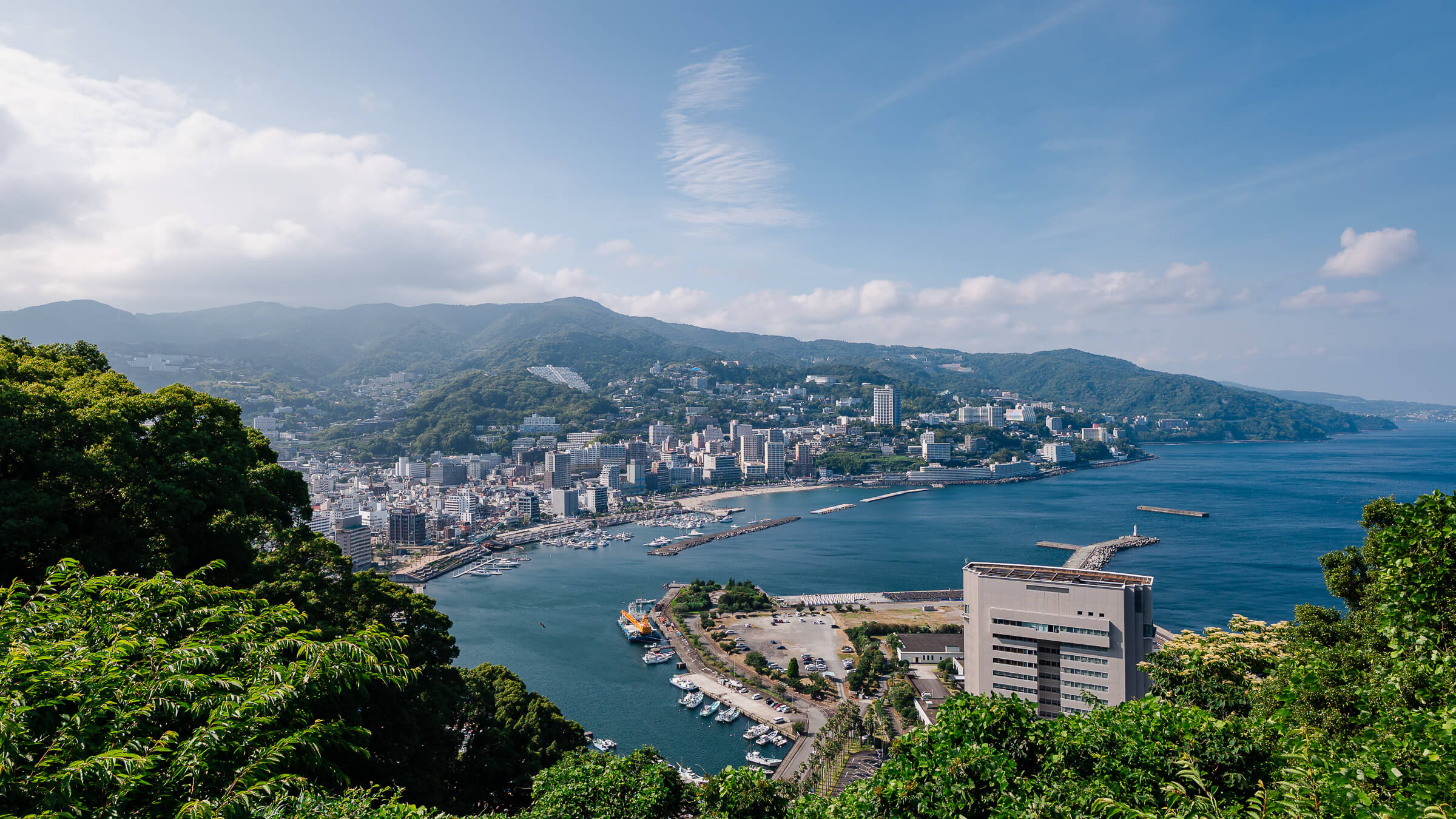
The station shopping streets sit between Atami’s more active and more reflective spaces. Some visitors move on toward Atami Castle for elevated views over the bay, while others head inland toward Kiunkaku Villa, where attention shifts to architecture and gardens.
For many, the streets act as a buffer before hotel check-in or as a low-effort evening walk after a longer day elsewhere in Shizuoka. For others, they remain a brief orientation stop before continuing on.
This is less of a destination and more of a transition space, naturally fitting at the beginning or end of an Atami visit.
Getting there
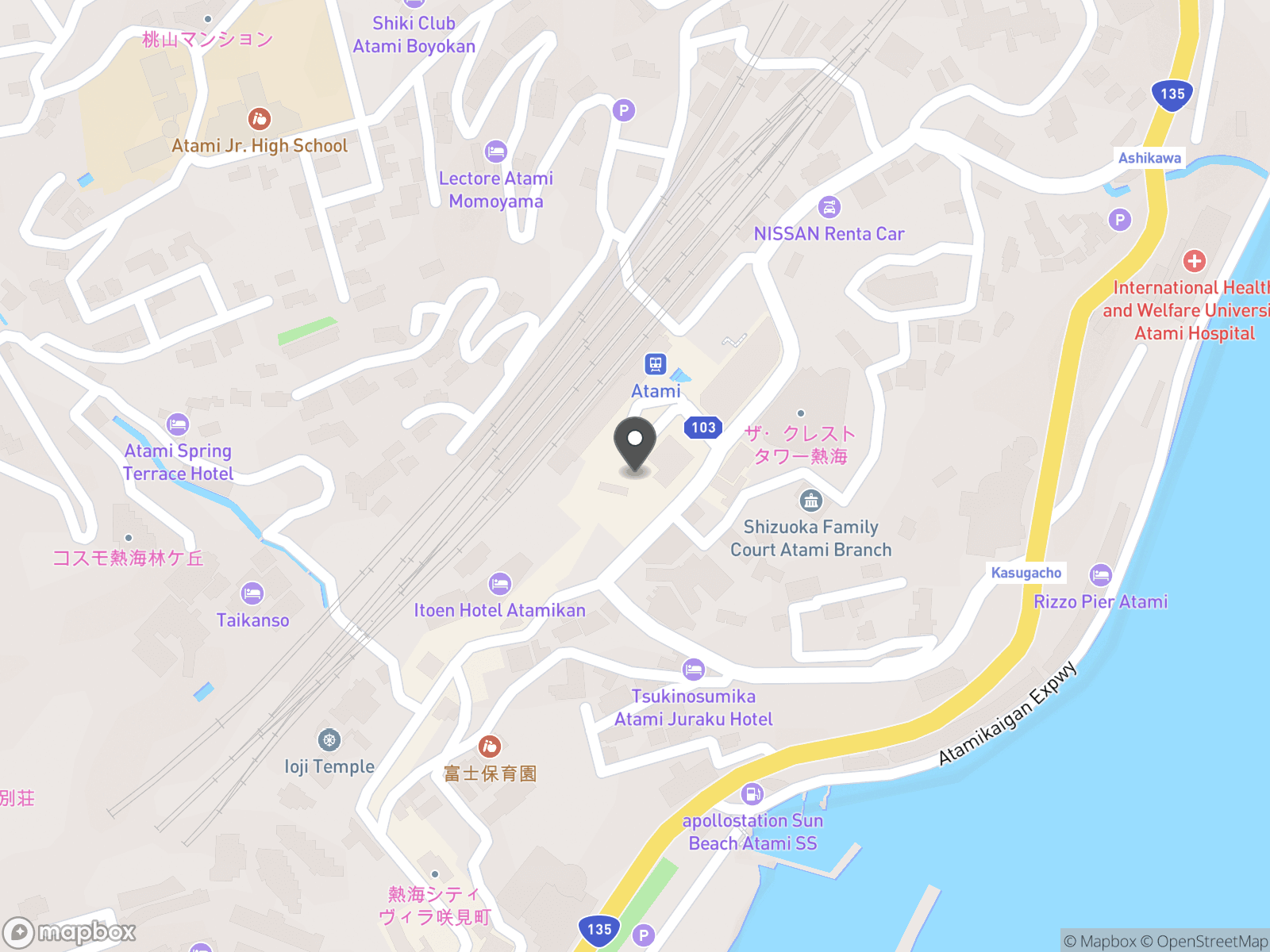
Access is straightforward. Both shopping streets begin immediately outside Atami Station, and no navigation is required once you exit the ticket gates.
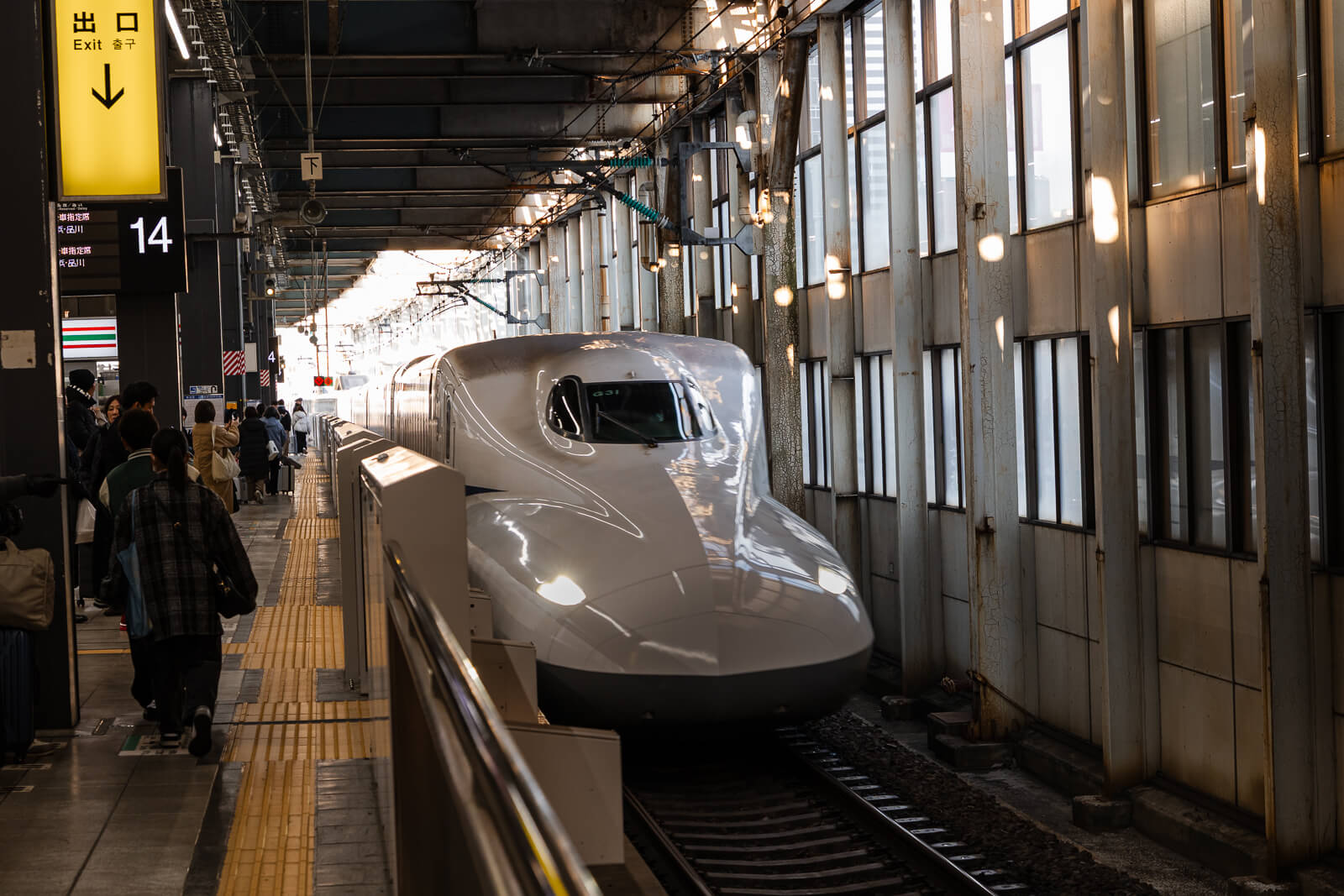
From the Tokyo area, Atami is reached via the JR Tokaido Line or Shinkansen, making the streets the town’s most common first contact point. From the Fuji and Hakone areas, driving is common, and paid parking is available throughout central Atami within short walking distance of the station.
Hours and Fees
There is no admission fee to walk the Atami Station shopping streets, and the arcades themselves are accessible at all hours as public space.
Individual shop hours vary by business and season. If a specific store or food stall matters, confirm current hours locally or via the shop’s official listing.