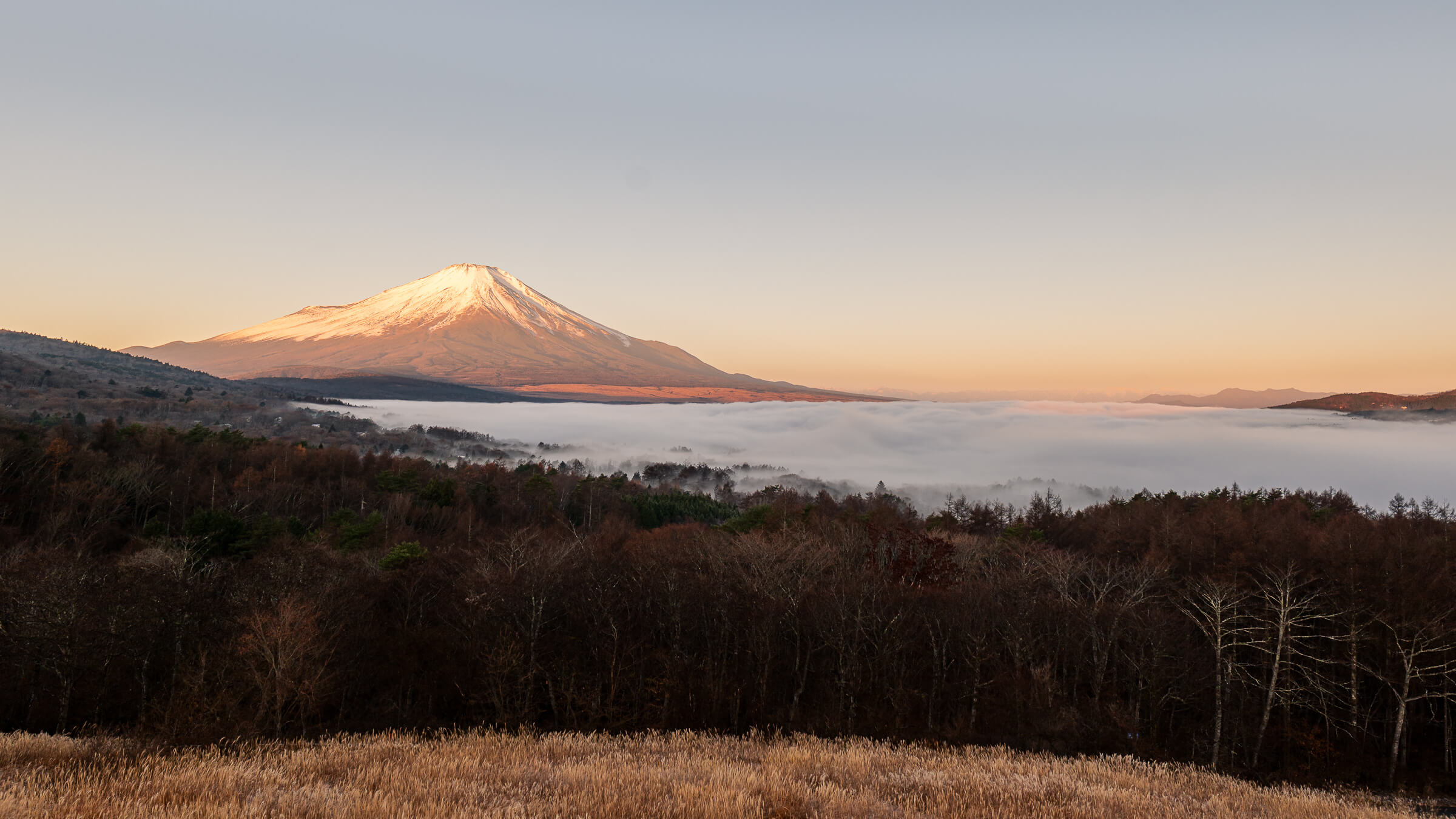
Sunrise above Lake Yamanakako
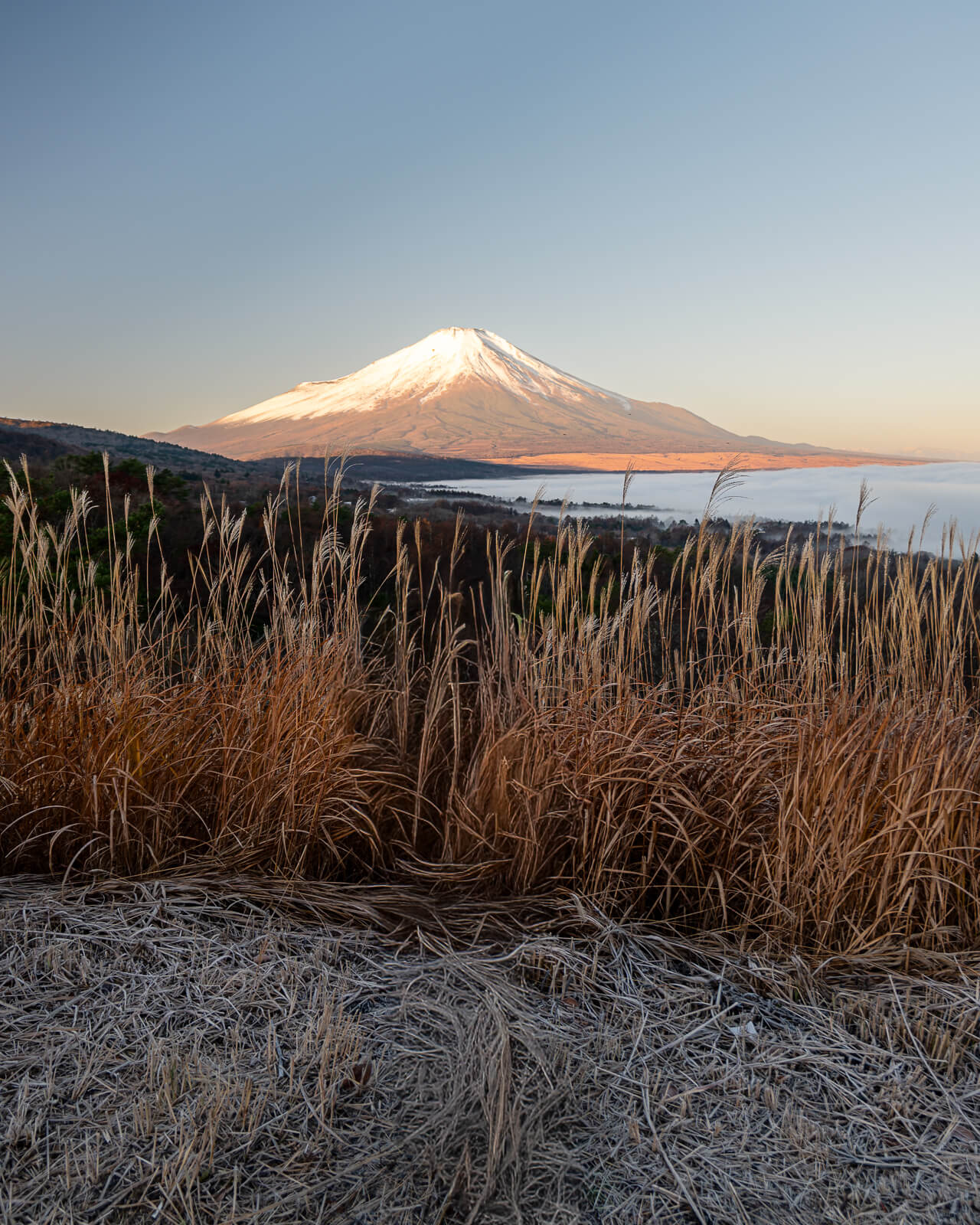
Mount Fuji can begin glowing before the sun itself comes into view. From Yamanakako Panoramadai, the snowy mountain rises beyond Lake Yamanakako, in the Fuji Five Lakes area of Yamanashi, with the first light catching its slopes while the water below is still beneath the morning sky. It is worth the early start for that changing light, but this viewpoint also deserves a place in a daytime drive around Yamanakako.
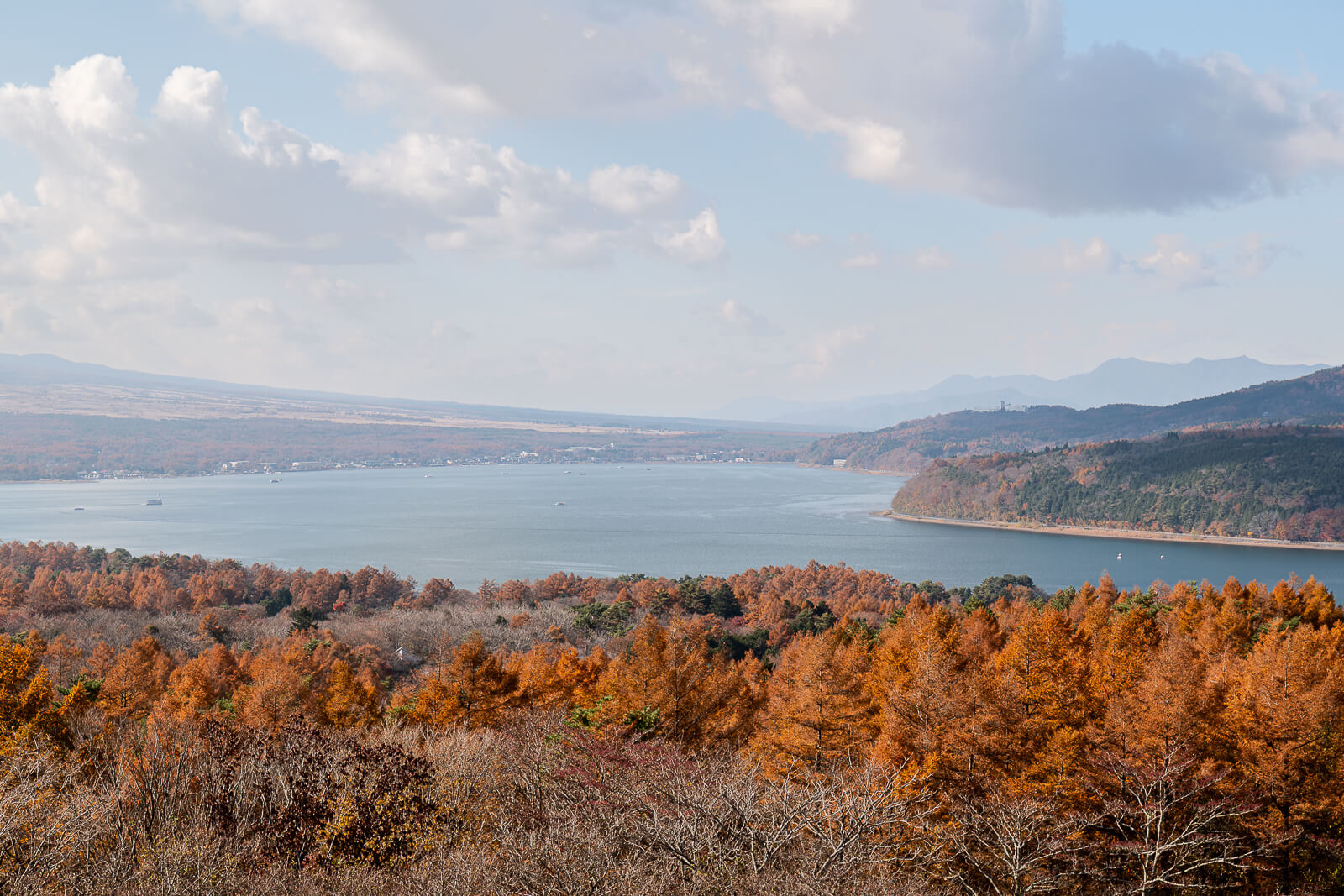
Allow about 30 minutes for the lake view and photographs, or around an hour or longer to watch sunrise develop. Autumn brings pale susuki plumes and color across the surrounding hills, giving the foreground as much interest as the distant mountain. A clear view of Fuji is the biggest draw; when clouds hide part of it, the lake and wooded slopes still make the climb worthwhile for visitors who enjoy a broad landscape.
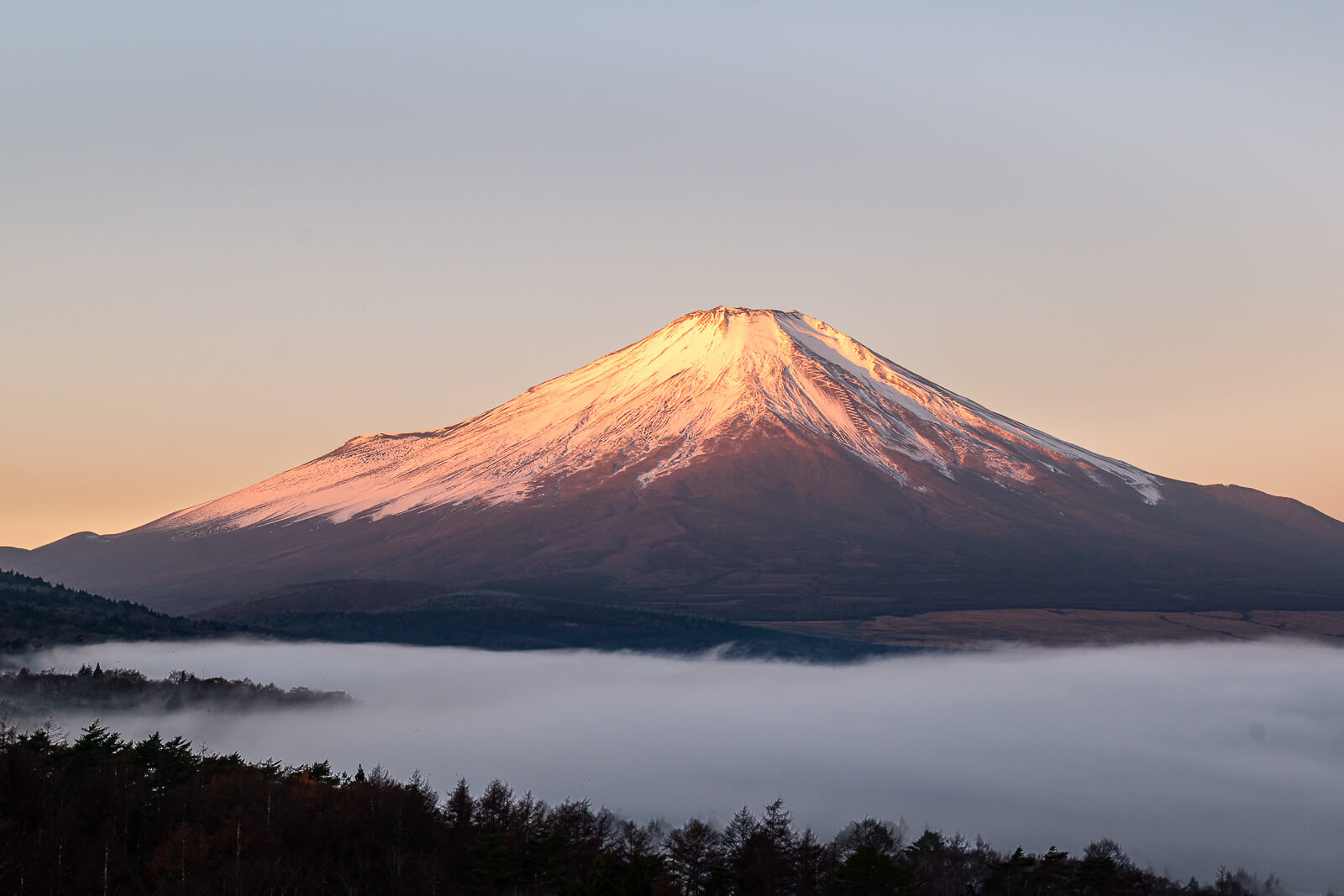
Watch Fuji catch the morning light
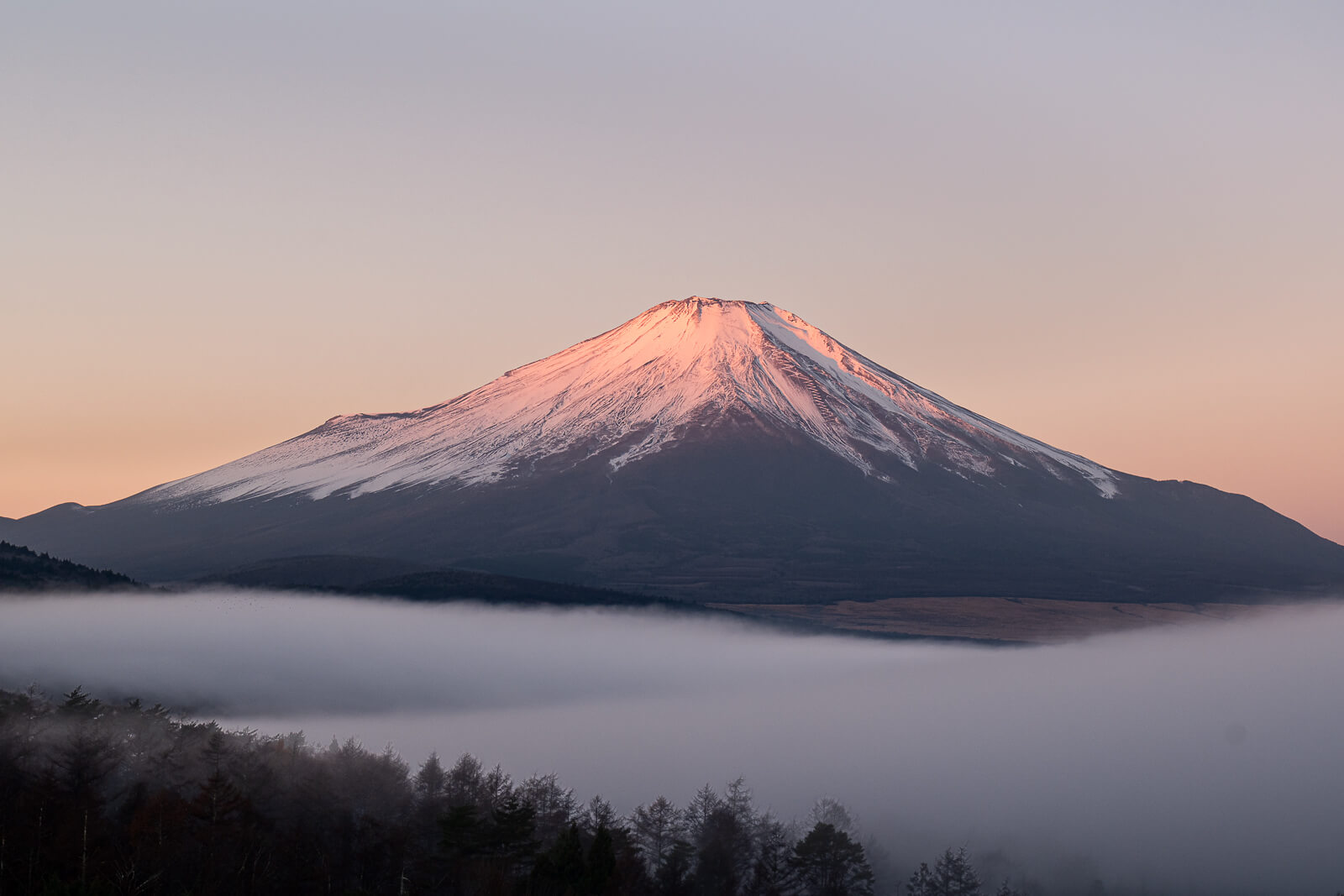
The moment to arrive is before the mountain starts catching direct sunlight. There can already be enough light to make out the scene, yet the brightest part of the morning is still to come. Facing Fuji, the left side of the snow-covered mountain can take on a pink glow before the sun appears, turning attention away from the horizon and toward the slopes themselves.
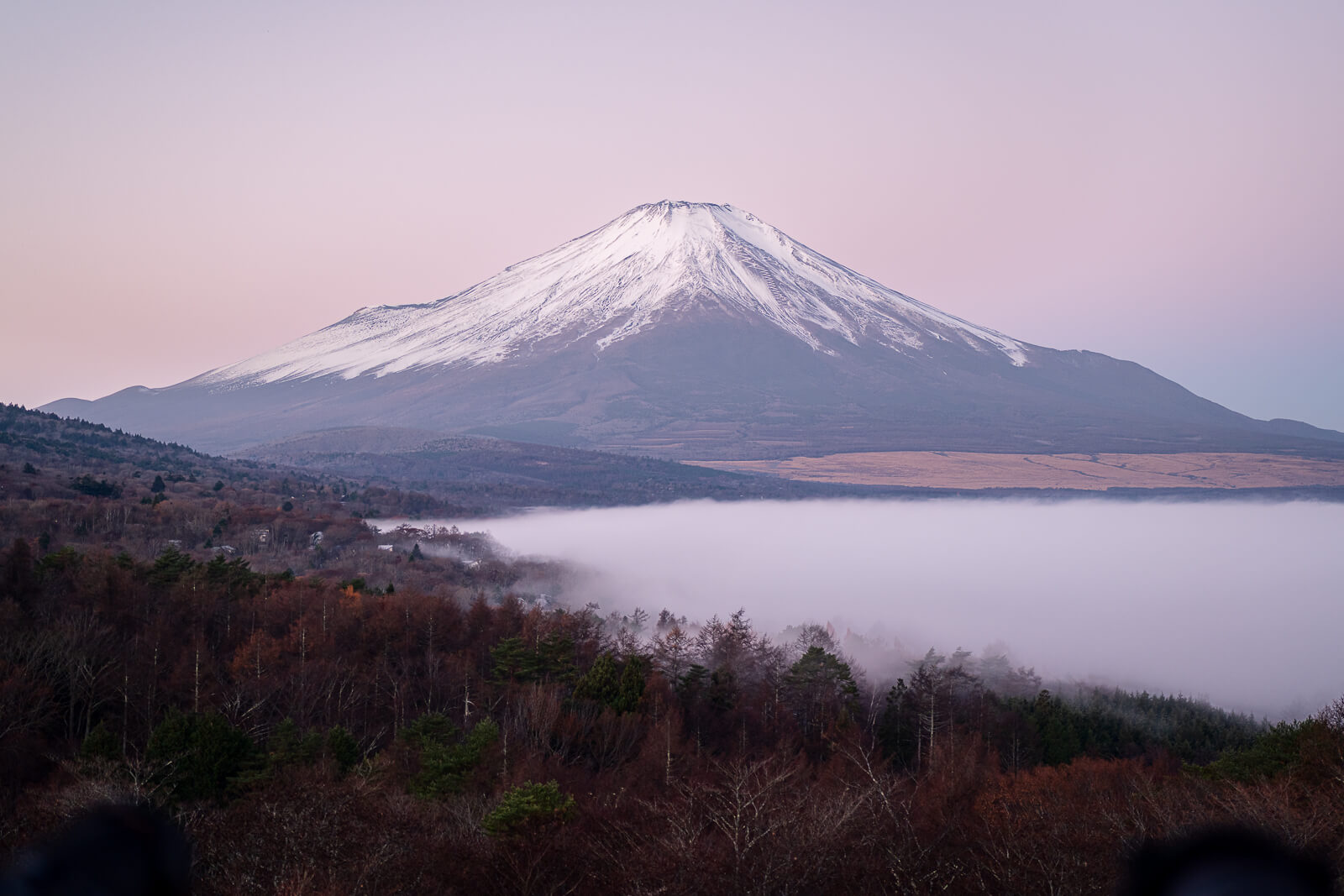
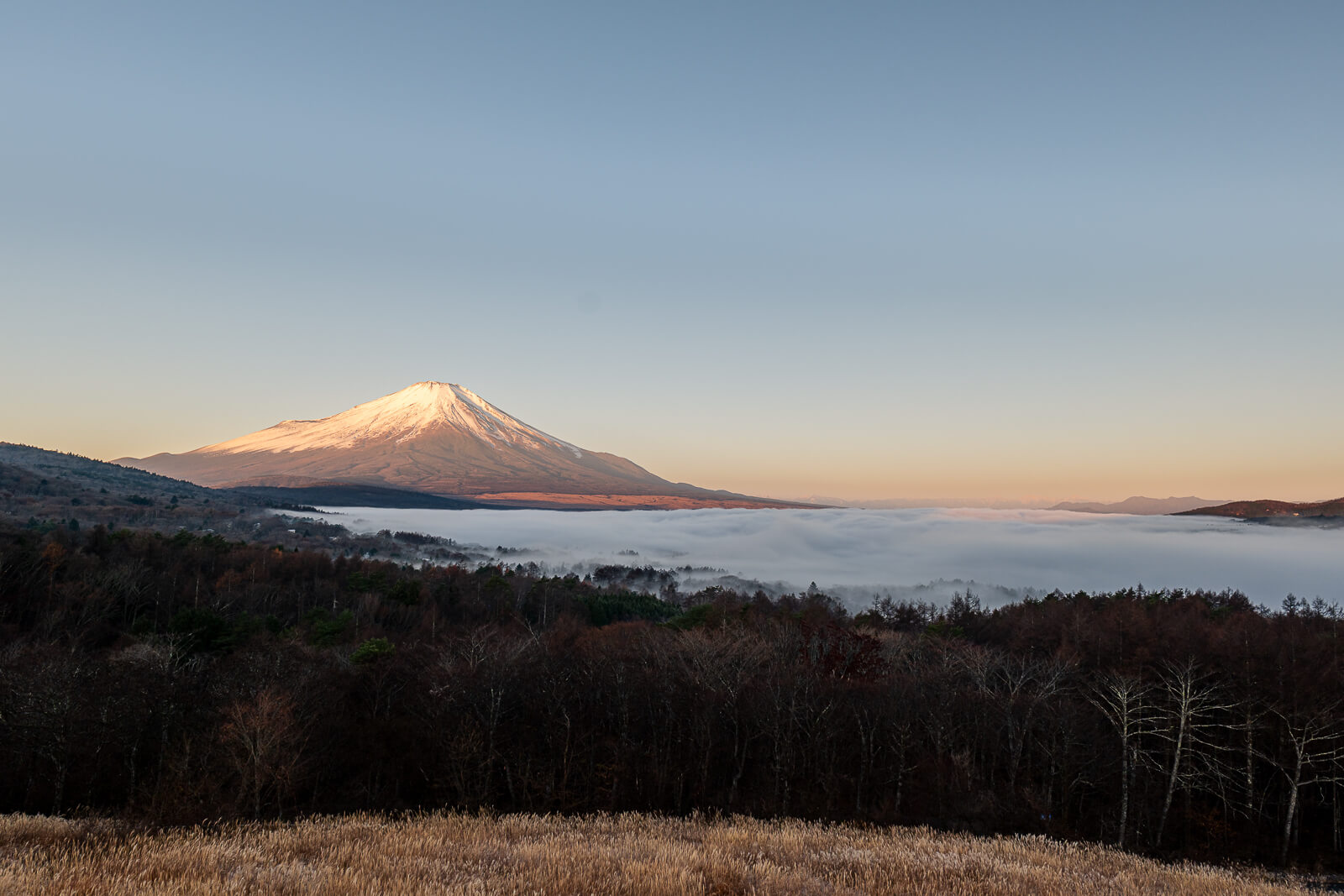
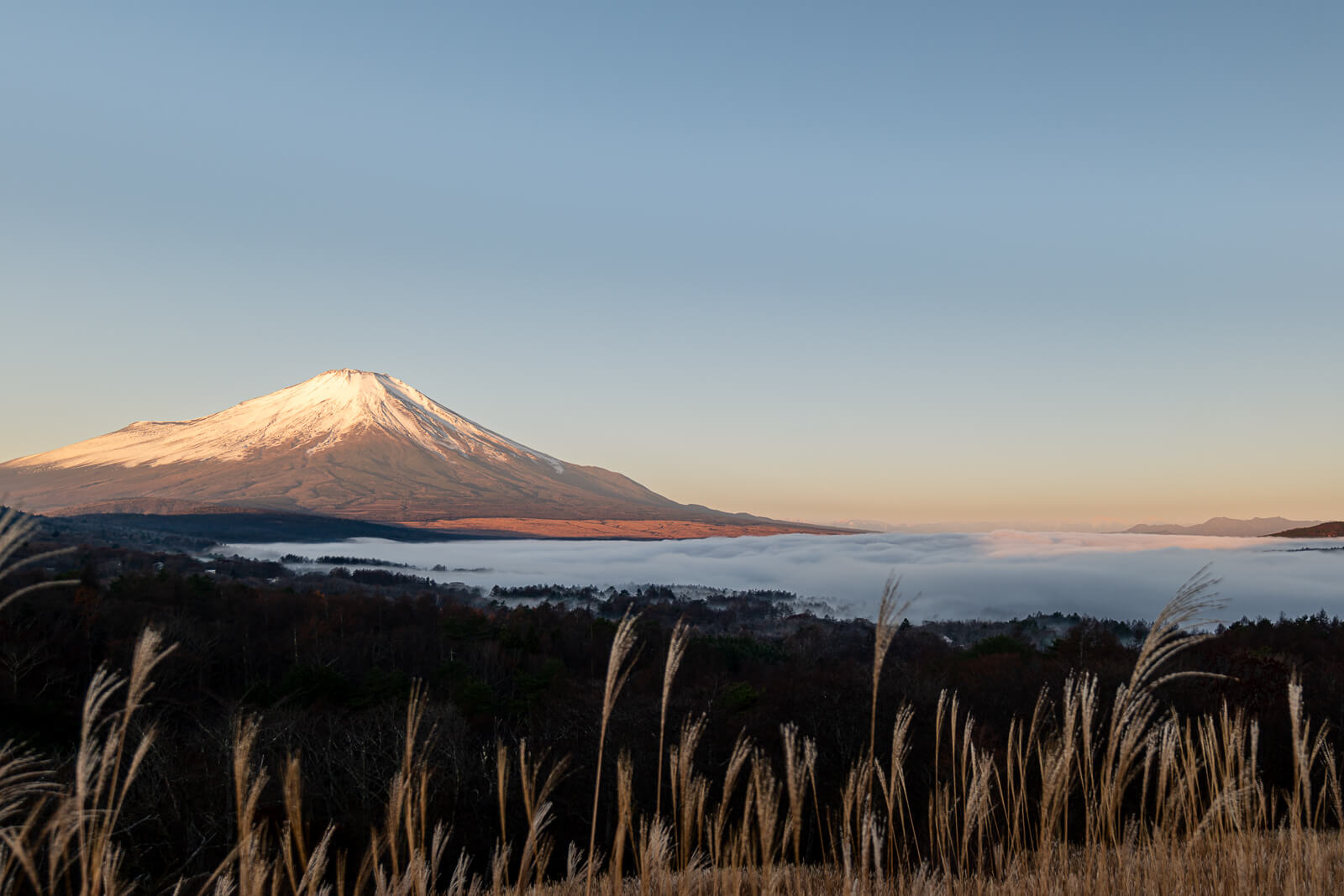
The view changes over the course of the morning. Low cloud or mist may lie across the lake while the mountain stands clear above it, or passing clouds may interrupt the view. Neither the mist nor the pink snow is promised, which is part of the reason to give sunrise time: the attraction is watching what develops, with room to keep looking after the first photograph.
Finding a place for photographs
Arriving early helps tripod photographers choose a position and set up before the light reaches Fuji. Handheld photography gives more freedom to change angles, turning from the mountain toward the lake or moving to include a different foreground. Even when photographers are already gathered, there may still be space to find a clear view; later arrivals with tripods have also been able to find good positions.
For a first visit, there is no need to make the whole morning depend on one fixed composition. Start with the mountain, then look at the relationship between the lake, the hills and any cloud below. An hour or a little longer leaves time for that change in attention, while an early departure after a single frame can miss much of what makes sunrise interesting here.
The lake view is worth the daytime stop
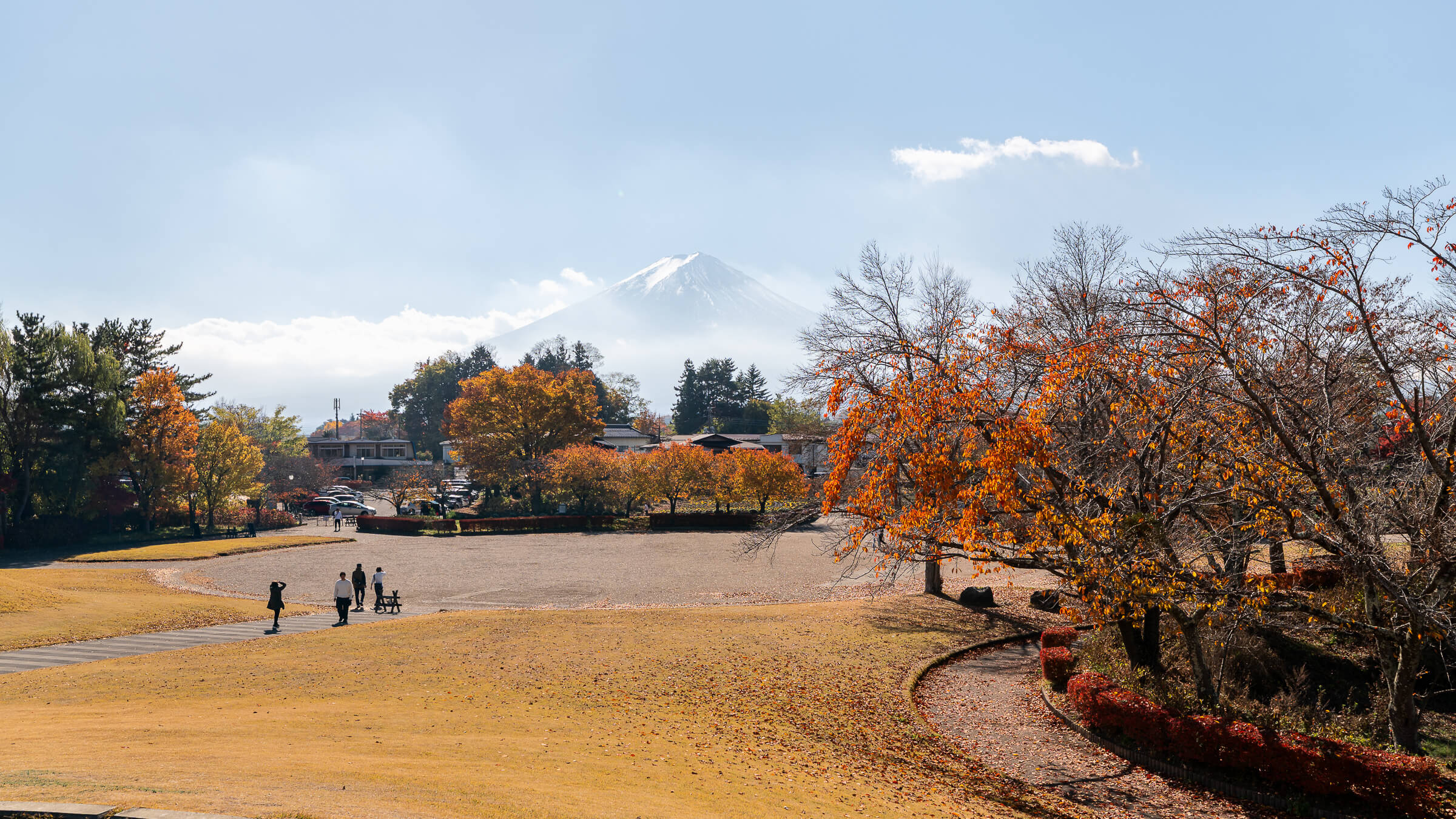
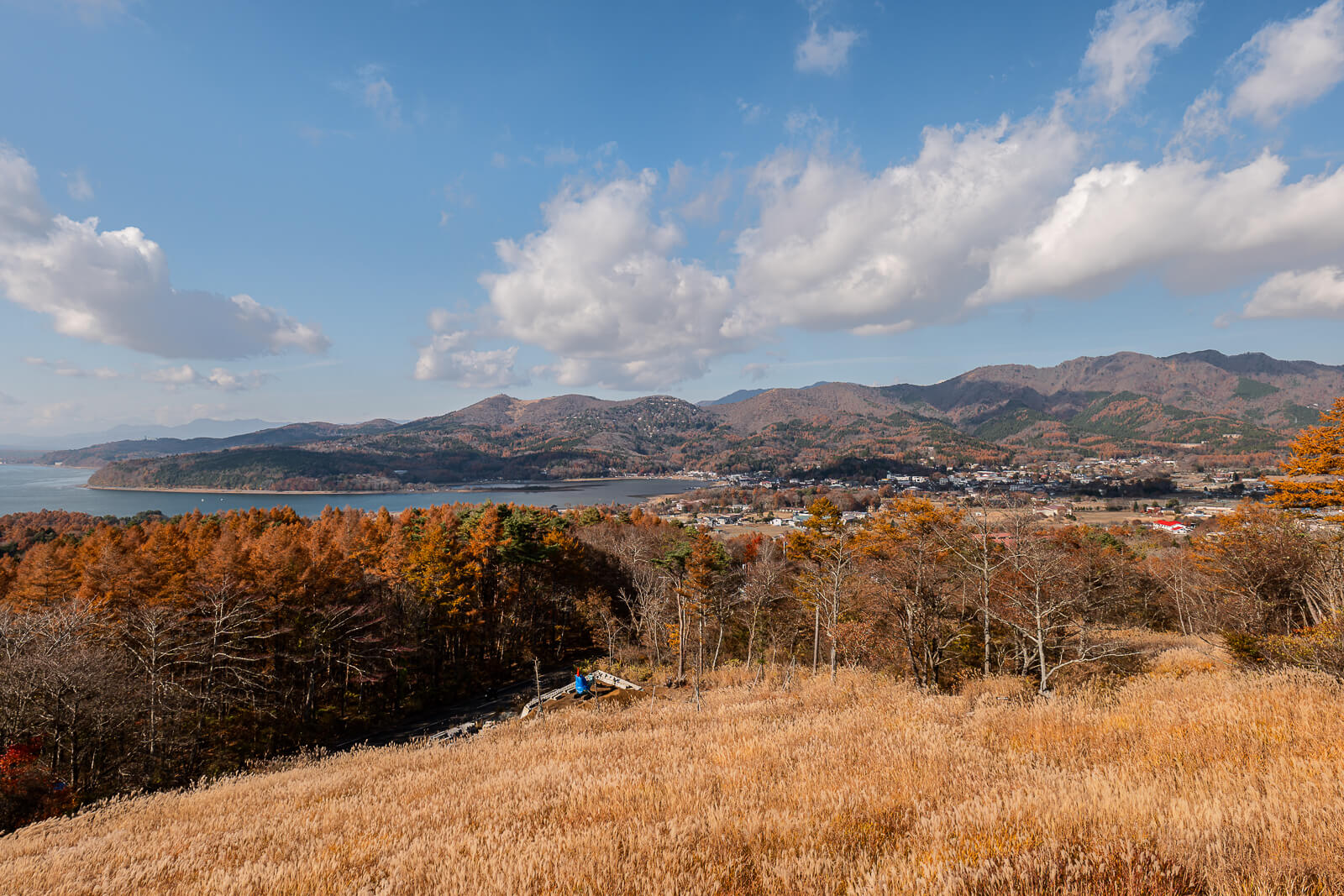
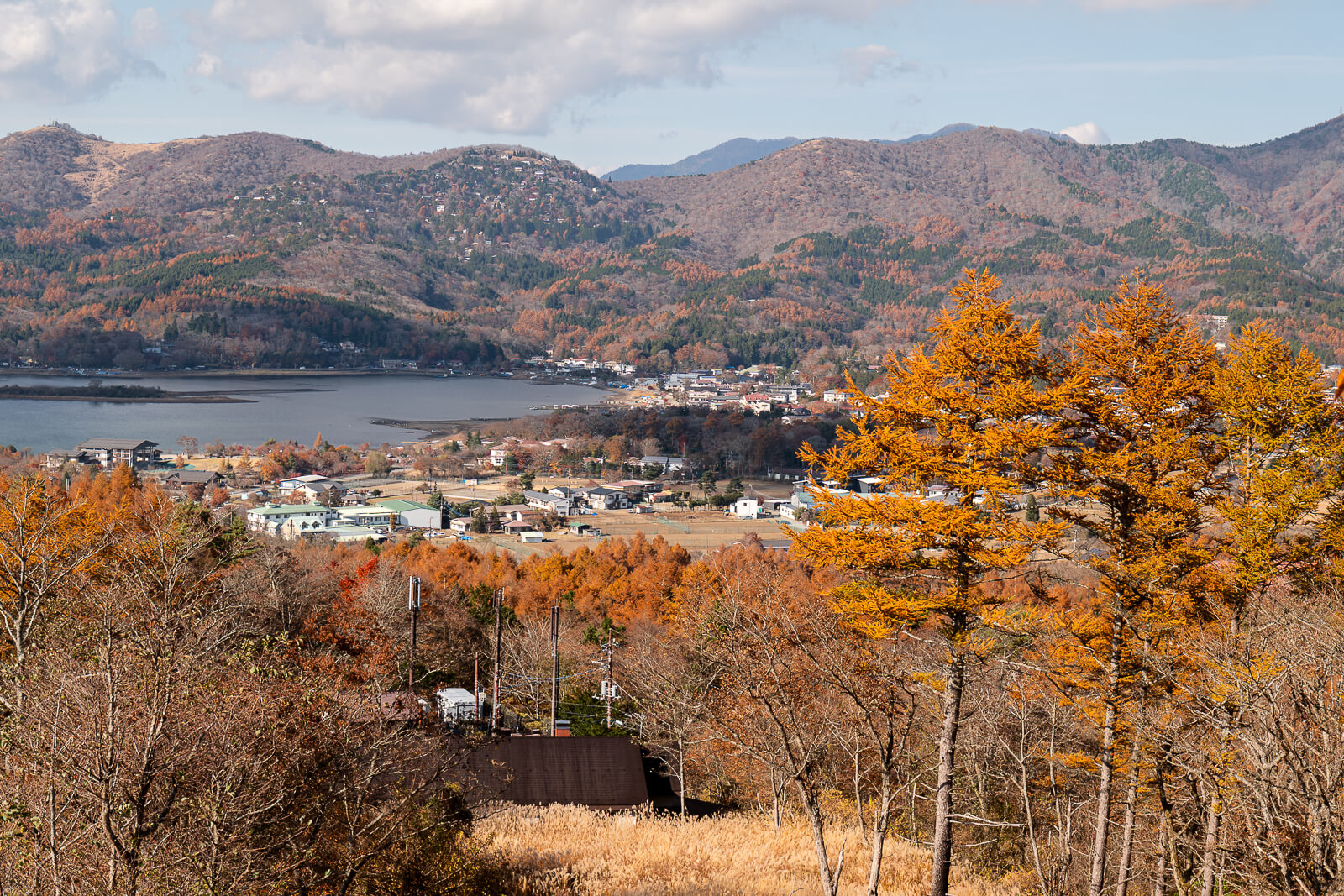
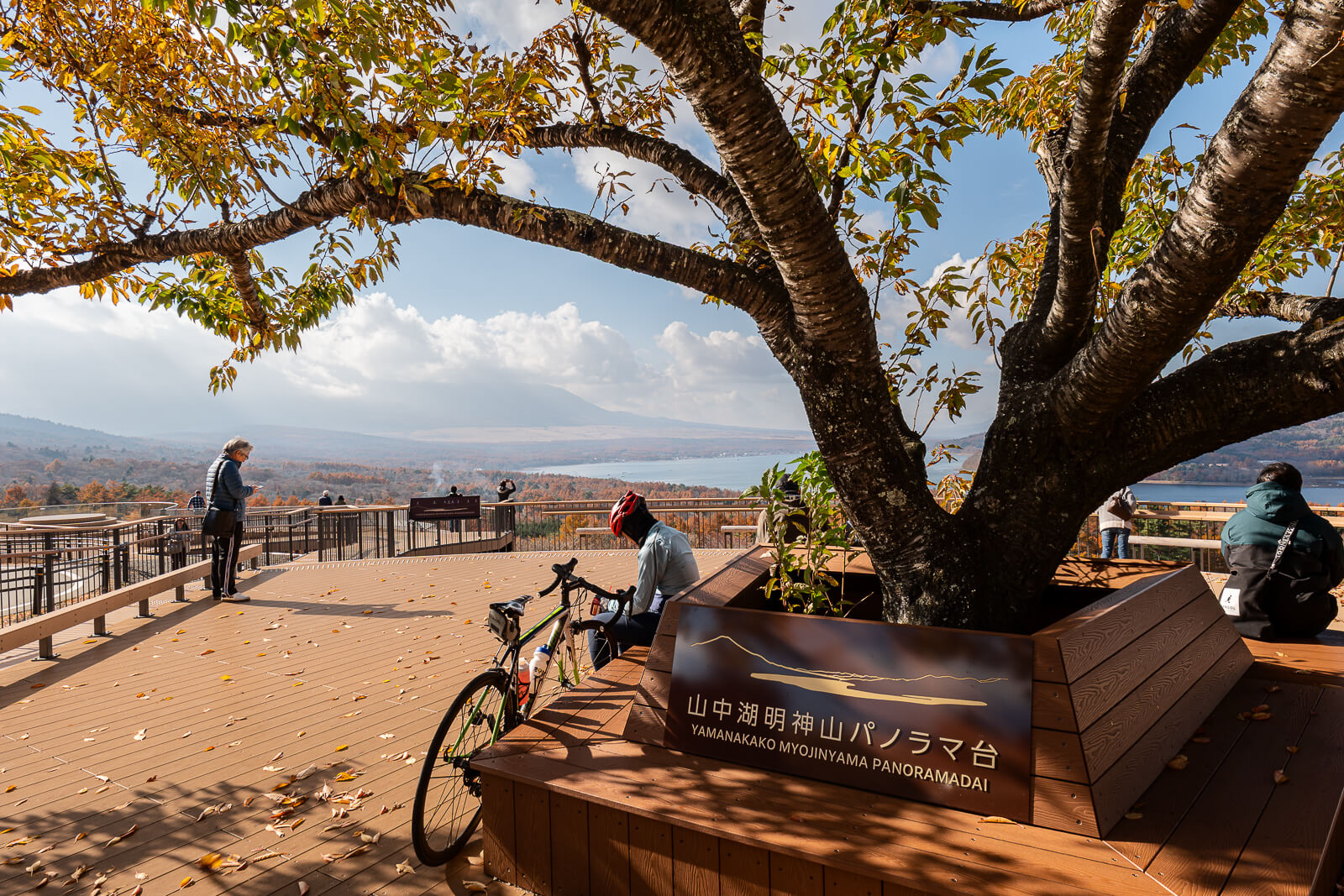
Panoramadai sits above the lake on the road toward Mikuni Pass. From the viewpoint, the shoreline and surrounding hills become part of one wide scene, with Fuji beyond them when the air is clear. The height gives a feeling of being above the whole area, very different from seeing the mountain while standing beside the water.
Clouds do not always remove Fuji completely. Its snowy summit may remain visible above a band of cloud, leaving enough of the mountain to draw the eye while the rest of the landscape stays open. That partial view can still be enjoyable, especially when the lake and hills are clear, though a visitor coming solely for an unobstructed Fuji photograph may prefer to wait for better conditions.
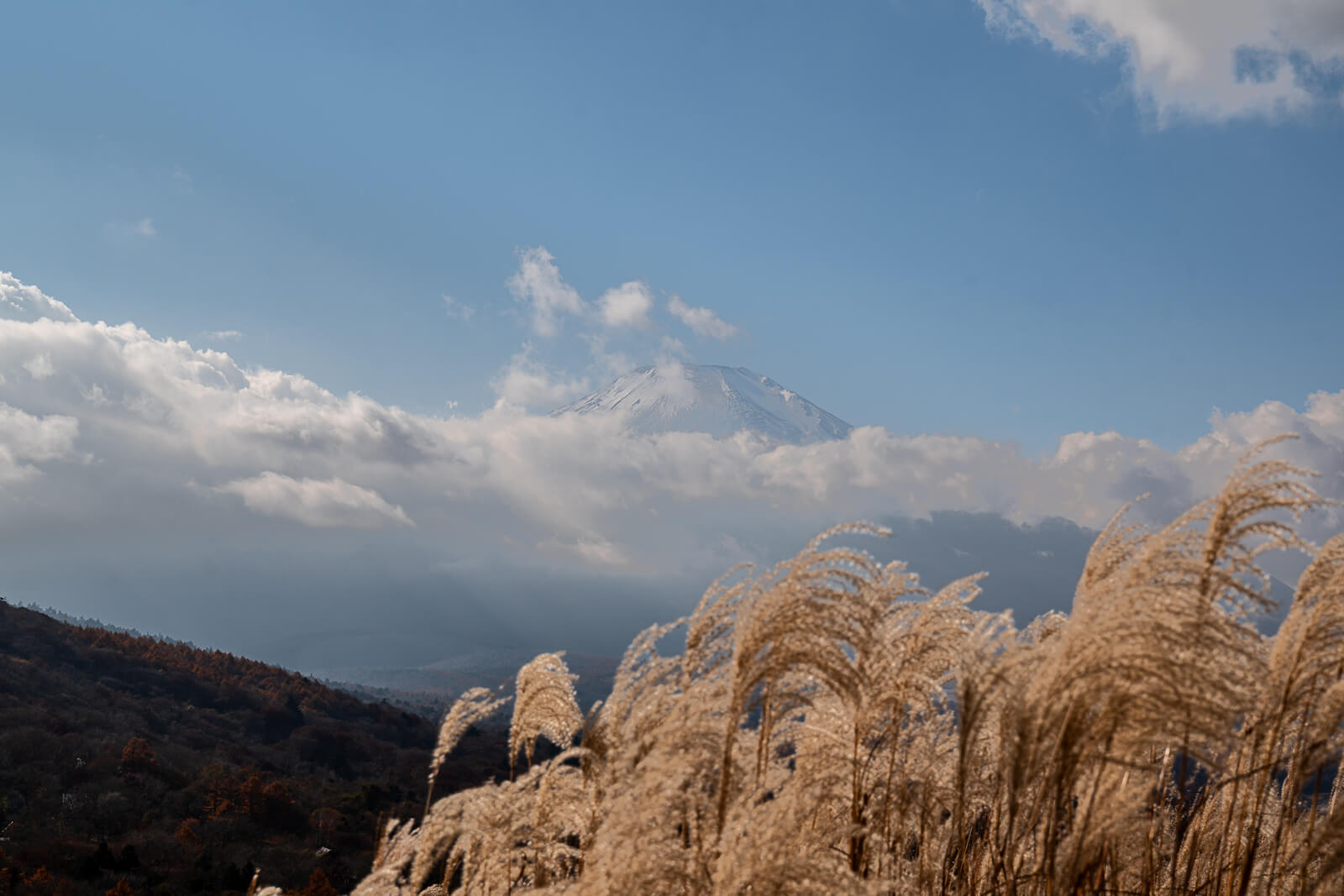
Take a look at the mountain from the lakeside before heading uphill. It gives a useful indication of visibility, although clouds can change during the journey and the elevated view will be different. If Fuji is hidden, weigh the stop on its other strengths: the shape of the lake, the surrounding landscape and, in autumn, the grass and foliage close at hand.
Autumn adds susuki and mountain color
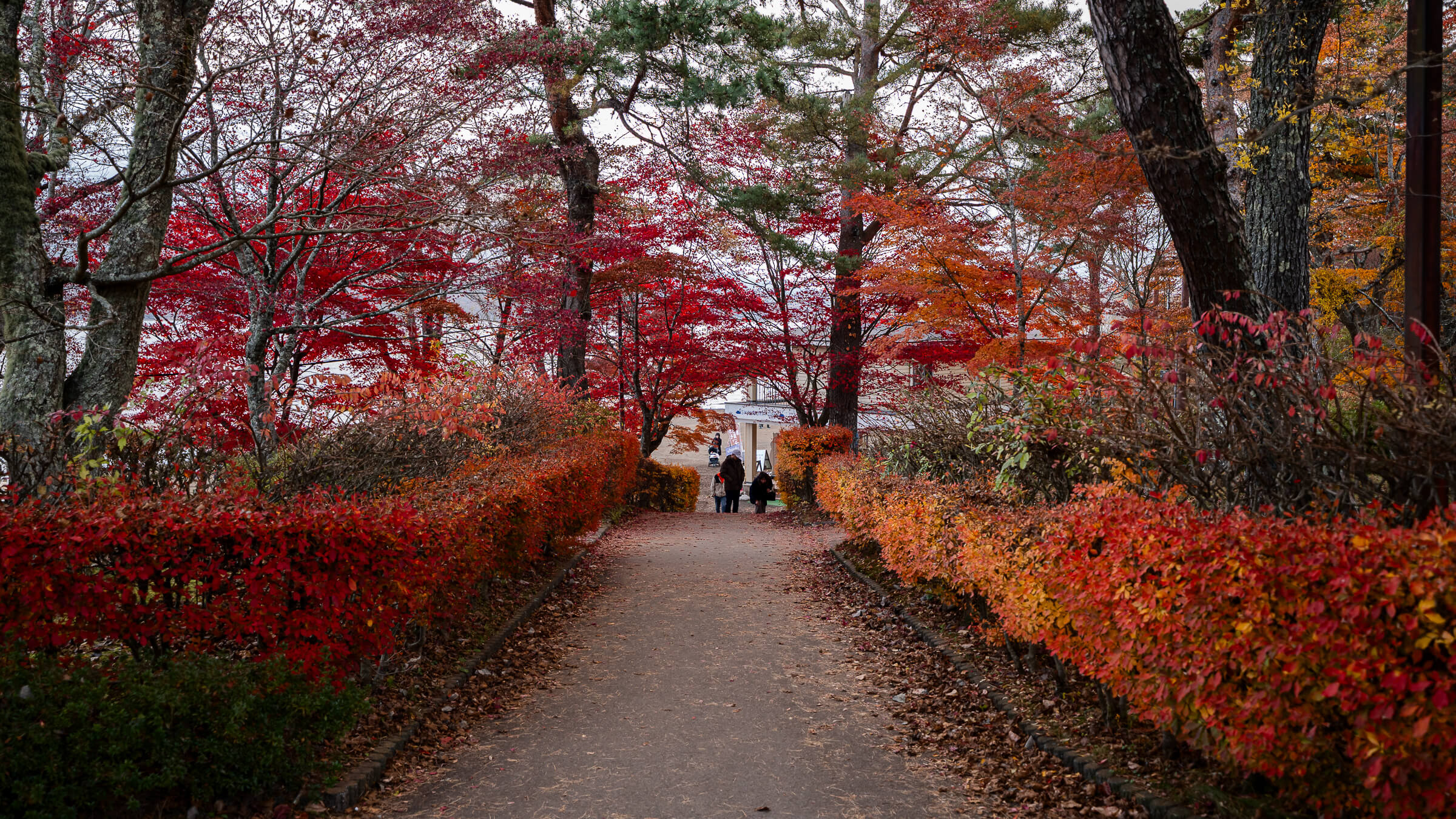
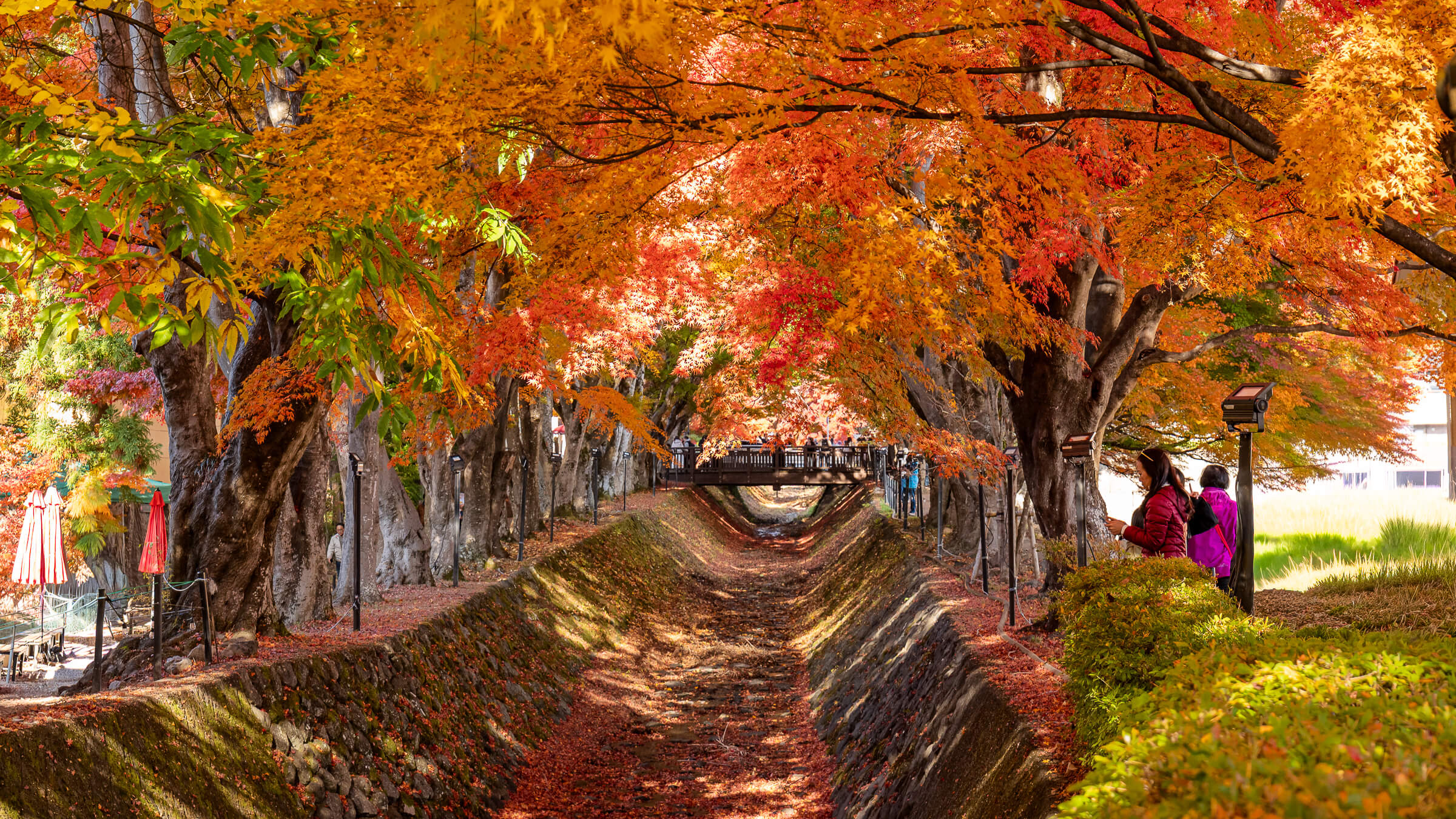
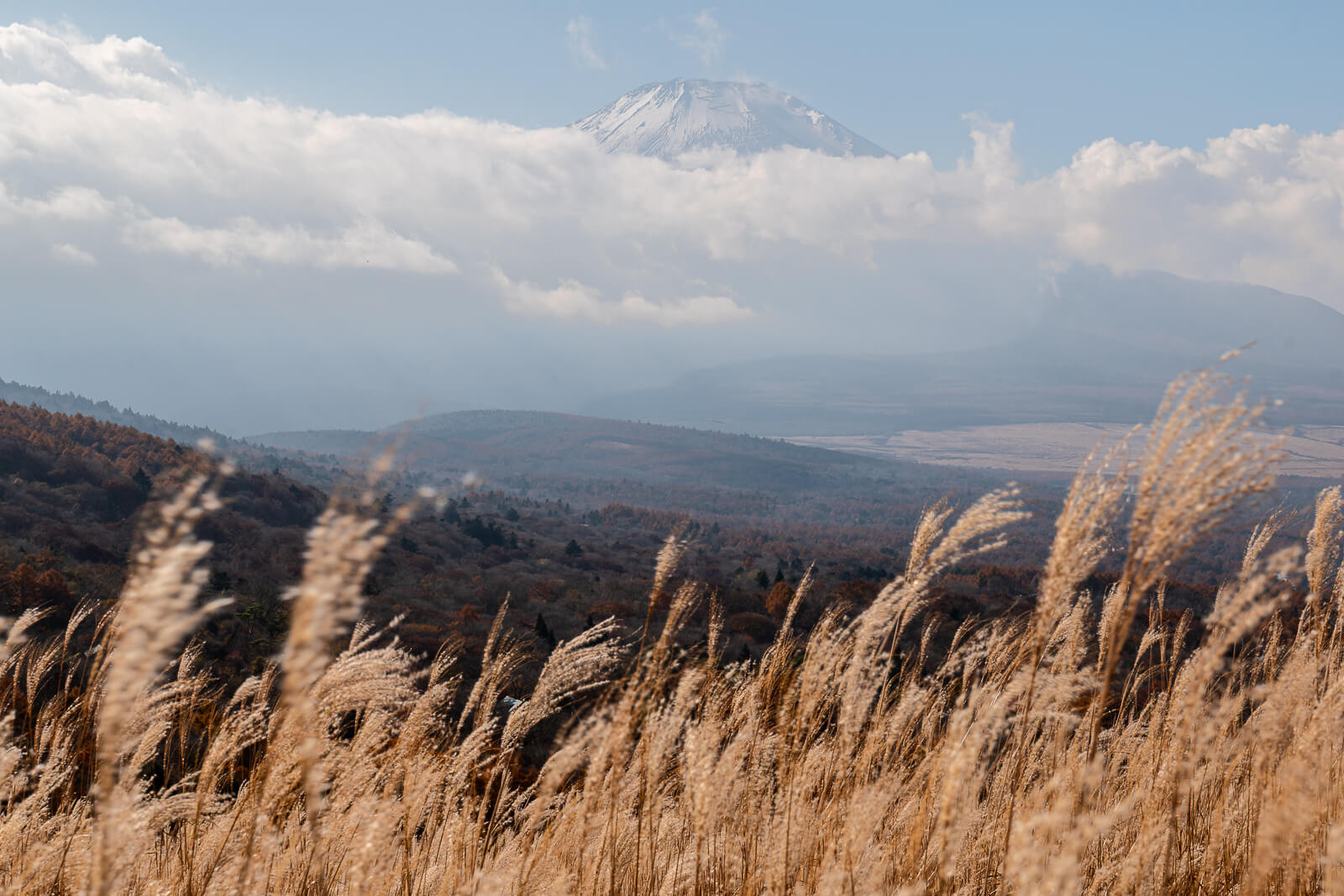
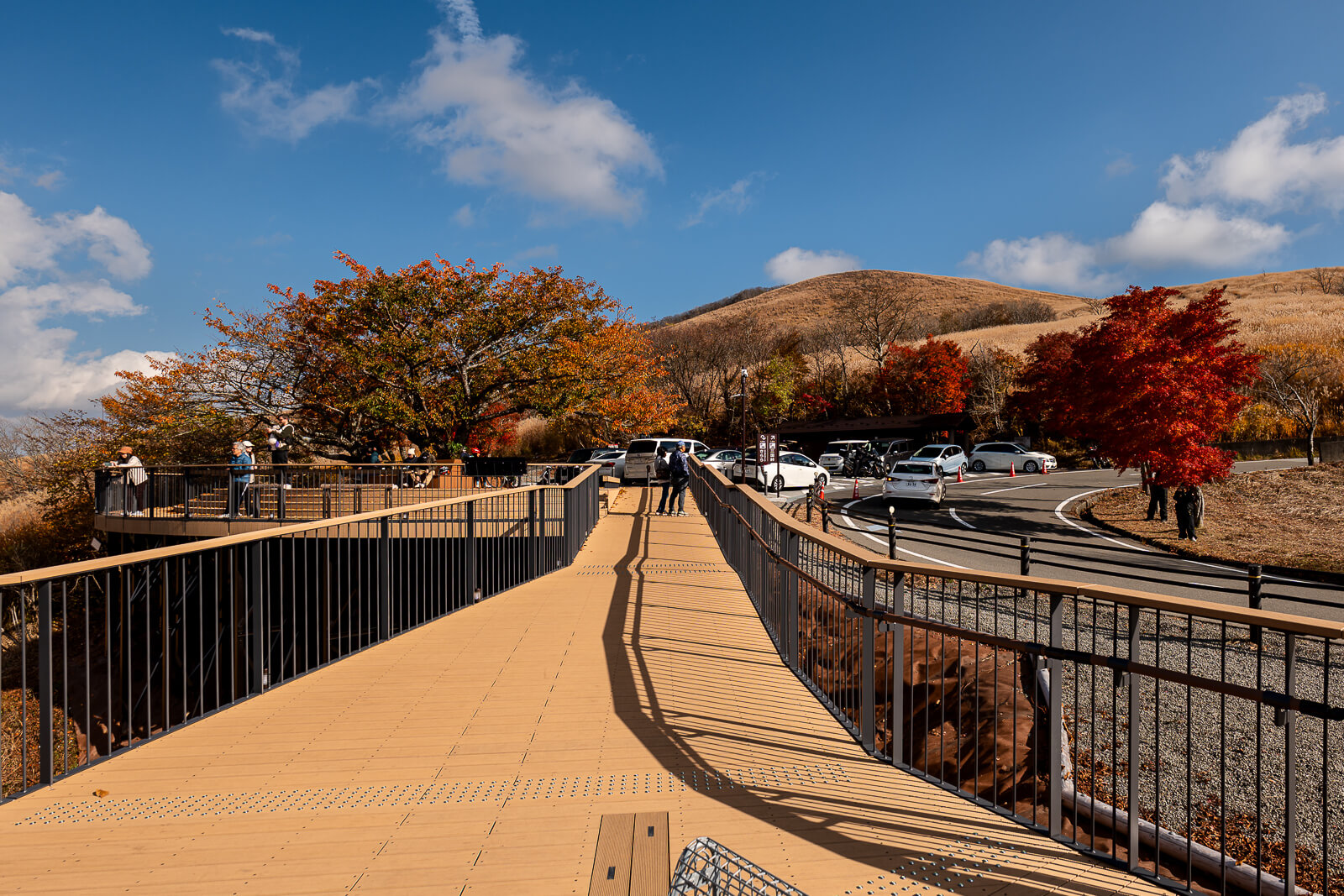
The susuki is one of Panoramadai’s strongest autumn features. Its pale plumes fill the nearby slopes, providing a textured foreground beneath the sky and across the view toward Fuji. There are also maples near the observation area, while the hills around the lake carry the wider change of color.
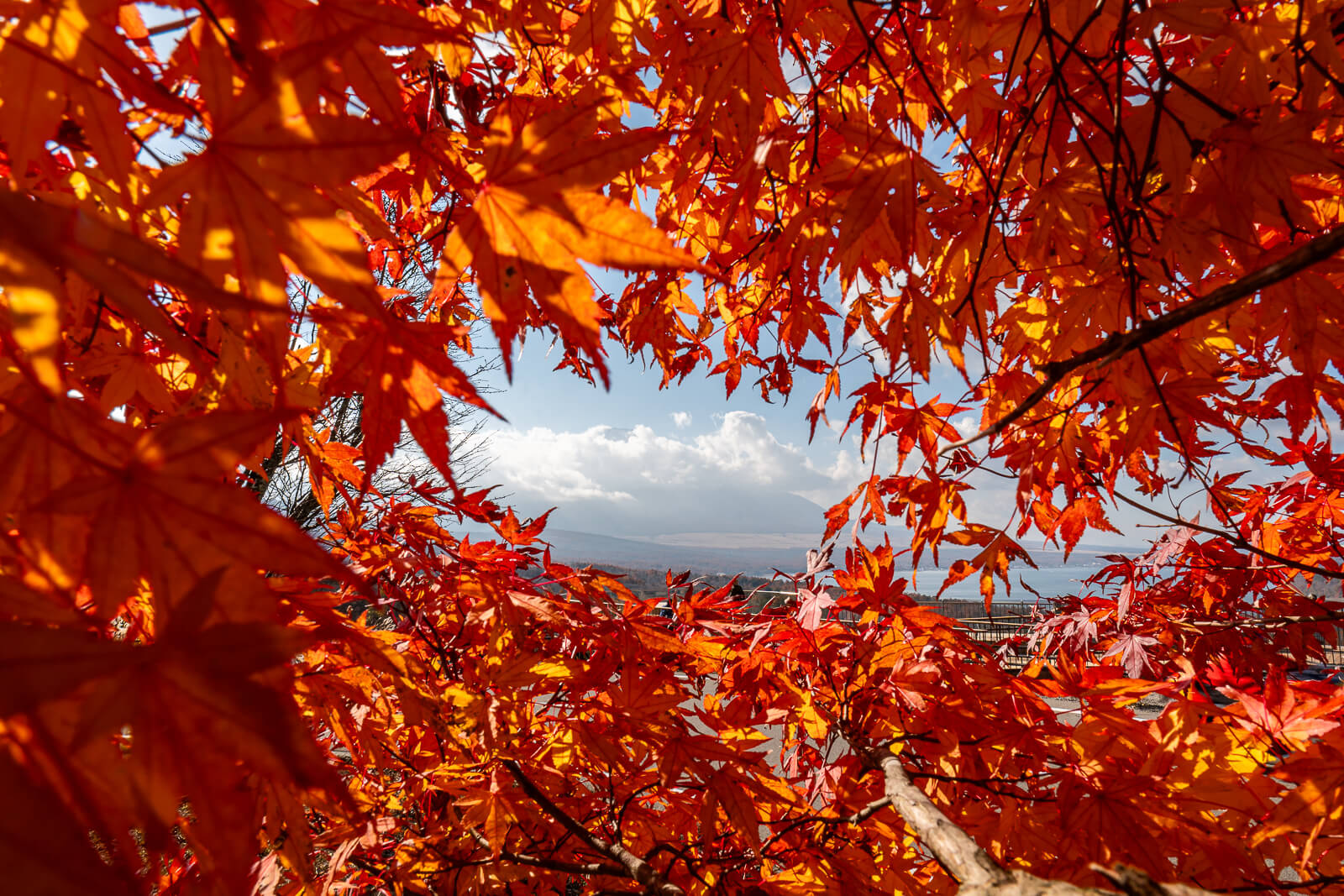
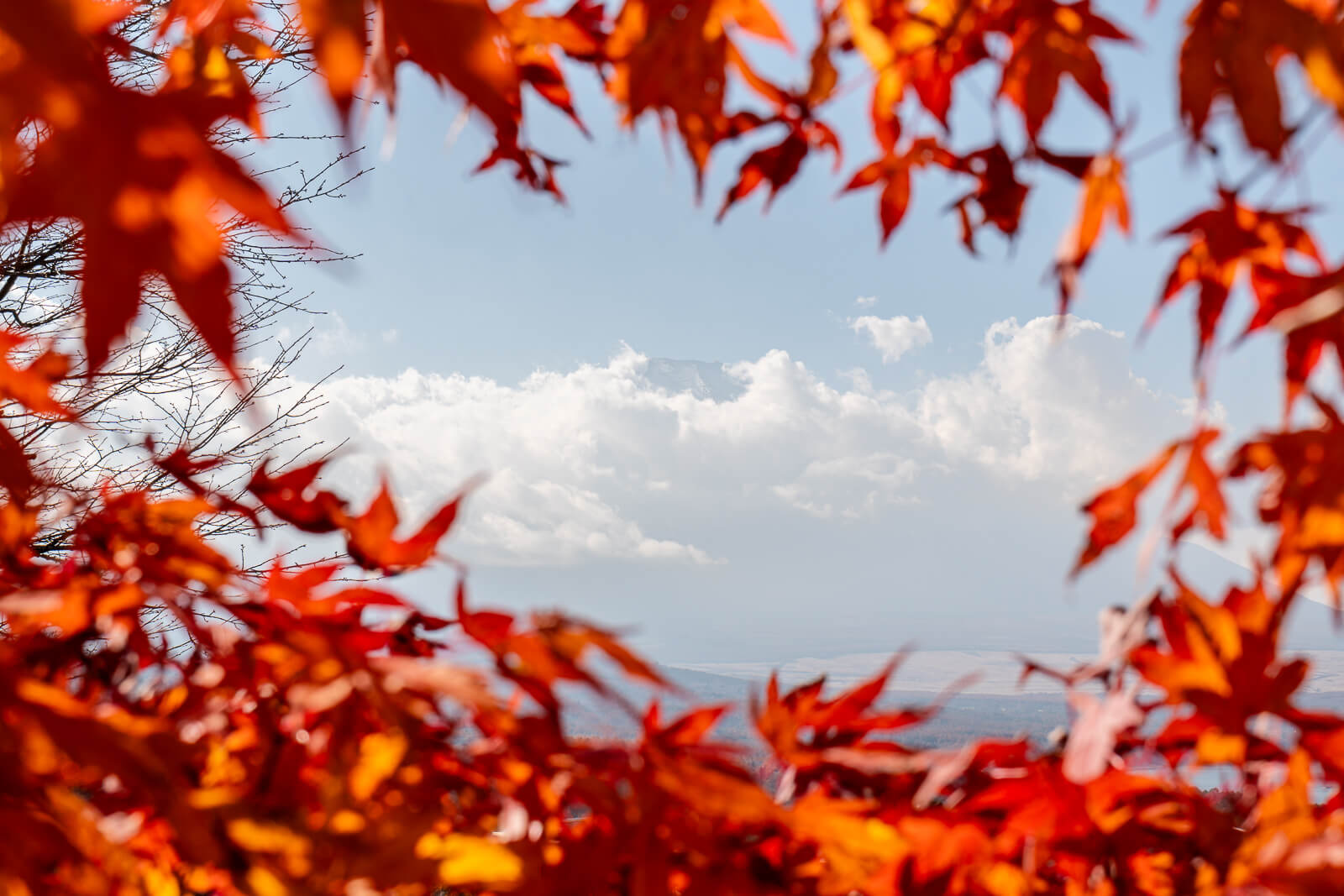
This gives an autumn visit more to photograph than the distant mountain alone. A close view through the grass, a maple-framed composition and the open lake panorama each show a different part of the same place. The short paths around the viewpoint offer a chance to look around, so there is reason to pause even after taking the main lake-and-Fuji photograph.
The outlook remains the reason to visit outside autumn. Sunrise and sunset can be rewarding throughout the year when the weather cooperates, while a clear daytime visit makes it easier to appreciate the lake’s position among the surrounding hills. Autumn adds foreground detail; it does not define the entire attraction.
Allow time for the view, then return to the lake
About half an hour is a useful allowance for a daytime stop, with extra time if clouds are moving across Fuji or the light keeps changing. Visitors who want to explore the short paths and try several photographs may prefer 30–60 minutes. These are allowances at the viewpoint: anyone approaching on foot needs to add the uphill walk and the return journey.
There is no need to turn a viewpoint visit into a full mountain hike. Panoramadai connects with longer hiking routes, but enjoying the observation area and nearby paths is a separate outing. Keeping that distinction clear makes it easier to fit the stop into a day around Yamanakako without underestimating the time needed for a longer walk.
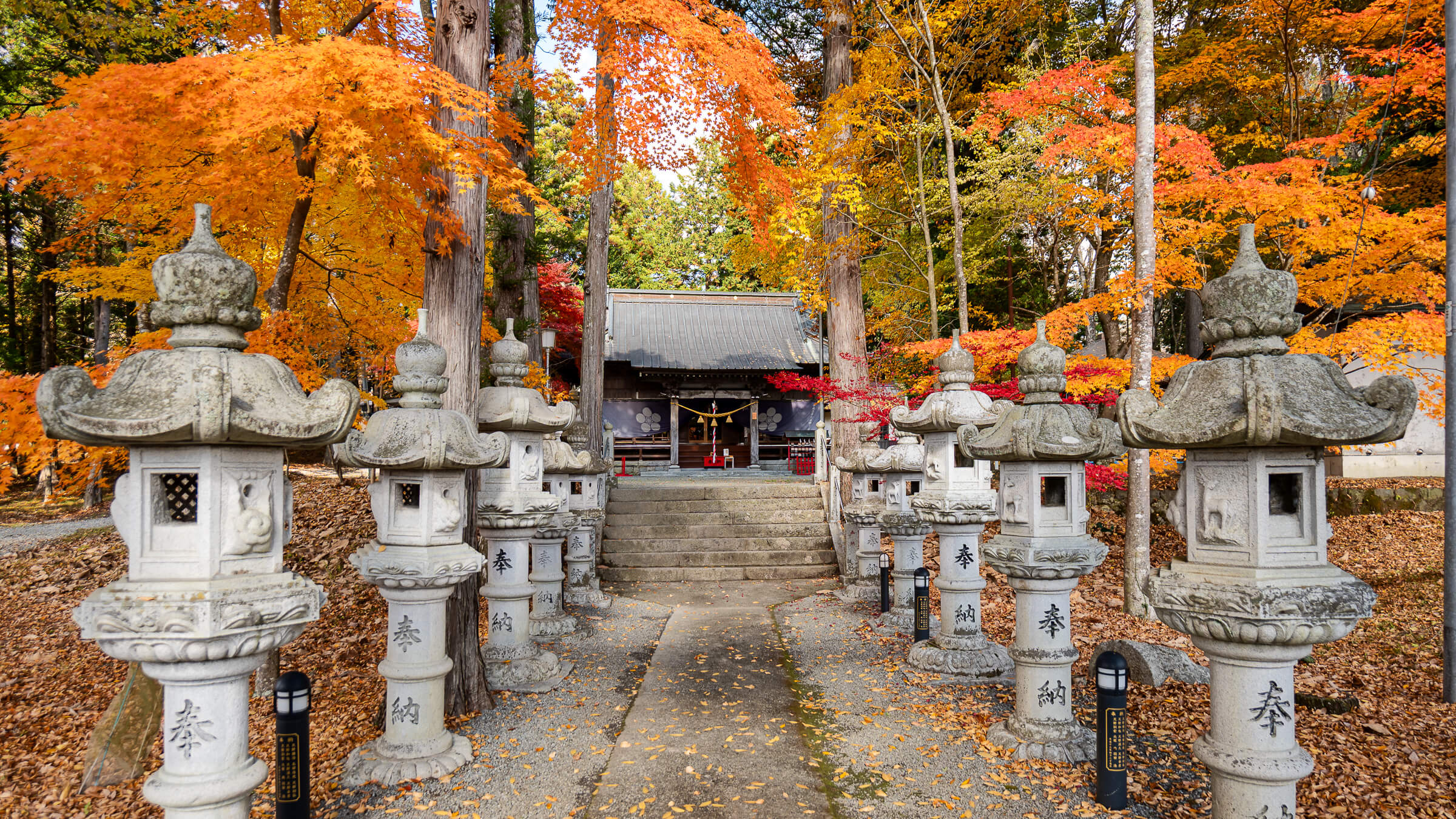
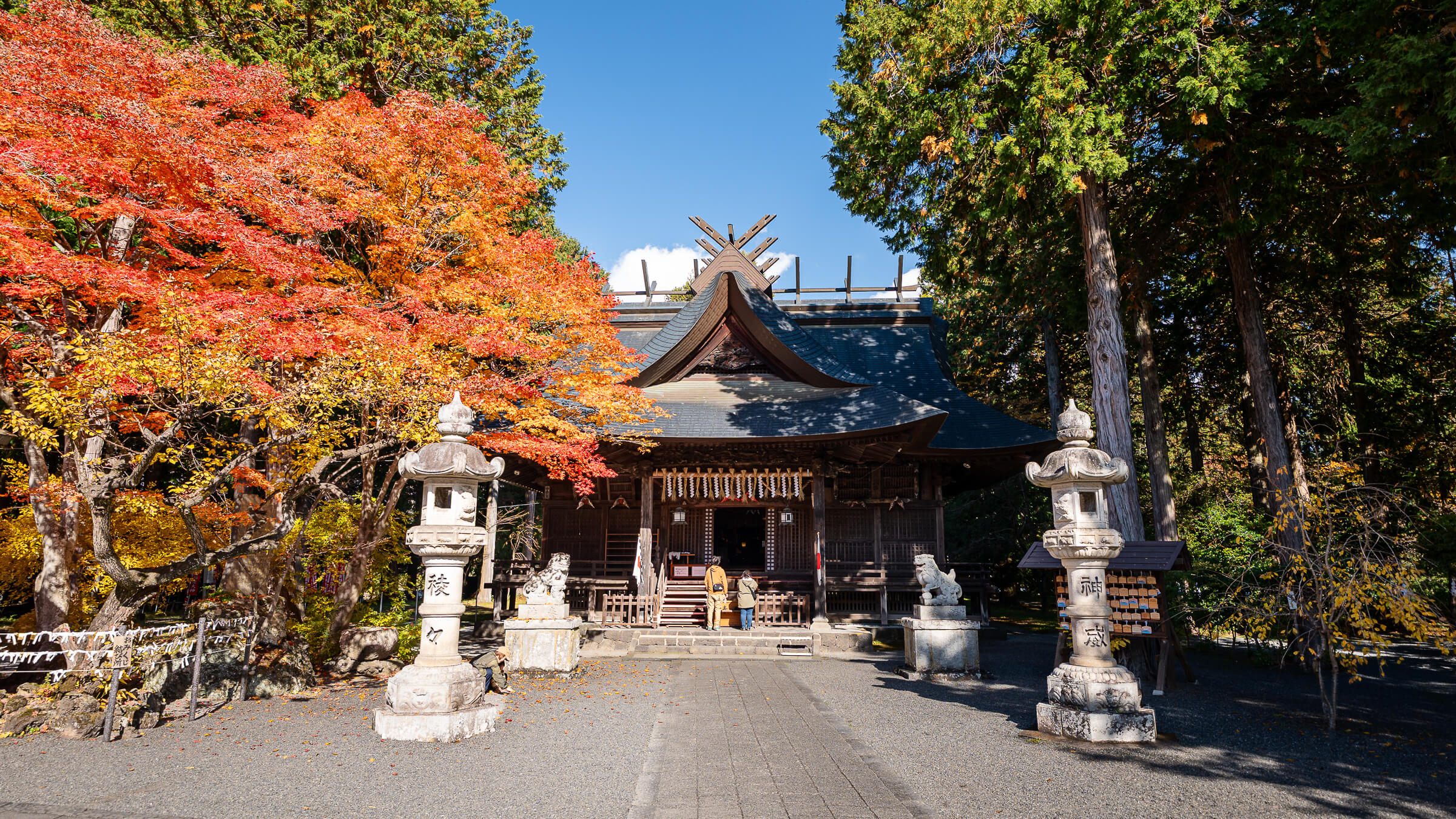
Back in Hirano, Hirano Tenmangū offers a compact shrine stop with particularly striking autumn maples when the color is good. Hirano Beach provides another opportunity to see the lake from the shoreline, changing the scale after the view from above. These belong to the same part of a Yamanakako visit, but neither needs to be squeezed into the sunrise hour itself.
Farther around the lake, Asahigaoka Park combines a lakeside walk with autumn trees, nearby boat outings and places for lunch across the road. It gives the day a different pace after time spent looking across the landscape from Panoramadai. A viewpoint visit followed by a lakeside walk and lunch makes a fuller Yamanakako outing without requiring every stop around the lake.
Stay nearby for an easier early start
For visitors who want to watch the first light, staying around Yamanakako puts the morning closer at hand. The important detail is the journey from the accommodation to the viewpoint: a room near the lake does not by itself solve the uphill approach. Arrange that part of the morning before choosing a stay solely for its apparent proximity on a map.
Panoramadai also fits into a longer trip around Mount Fuji, with time for other viewpoints and a return under different conditions. In autumn, combining Kawaguchiko and Yamanakako brings together lakeside foliage walks and views from above. Here, the strongest reason to linger remains the view itself: first light on Fuji, the lake below and enough time to watch the scene change.
Getting There
Plan Tokyo to Yamanakako travel and the uphill approach to Panoramadai separately, especially for sunrise. A lakeside arrival stop is only the first part of reaching this viewpoint.
Reach Panoramadai via Route 730 from Hirano toward Mikuni Pass. Parking at the viewpoint is very limited; use designated parking and never stop along the road.
- From Hirano
Hirano intersection → Route 730 toward Mikuni Pass → Panoramadai
The official listing gives seven standard parking spaces and one wheelchair space. Walking approaches are also available from Kirara or Mikuni Pass parking; plan for the mountain terrain. Check road conditions, especially in winter.
Hours and Fees
Visitor information
An outdoor viewpoint above Lake Yamanaka. Weather, visibility and access conditions matter more than a fixed visiting timetable.
- Hours
- The tourism association does not publish fixed opening hours. Check its current access notices before an early or late visit.
- Admission
-
The tourism association lists no admission charge. Check any separate parking charges where you leave your vehicle.
Plan Your Visit
Plan Your Visit
Plan a stay, transport and other Fuji-area experiences around your visit to Panoramadai. Sunrise still needs a separate plan for reaching the viewpoint.
Stay around Yamanakako
Compare hotels and guesthouses around the lake for an early start or another day of exploring. Check the route from the property to Panoramadai when planning sunrise.
Browse Yamanakako hotels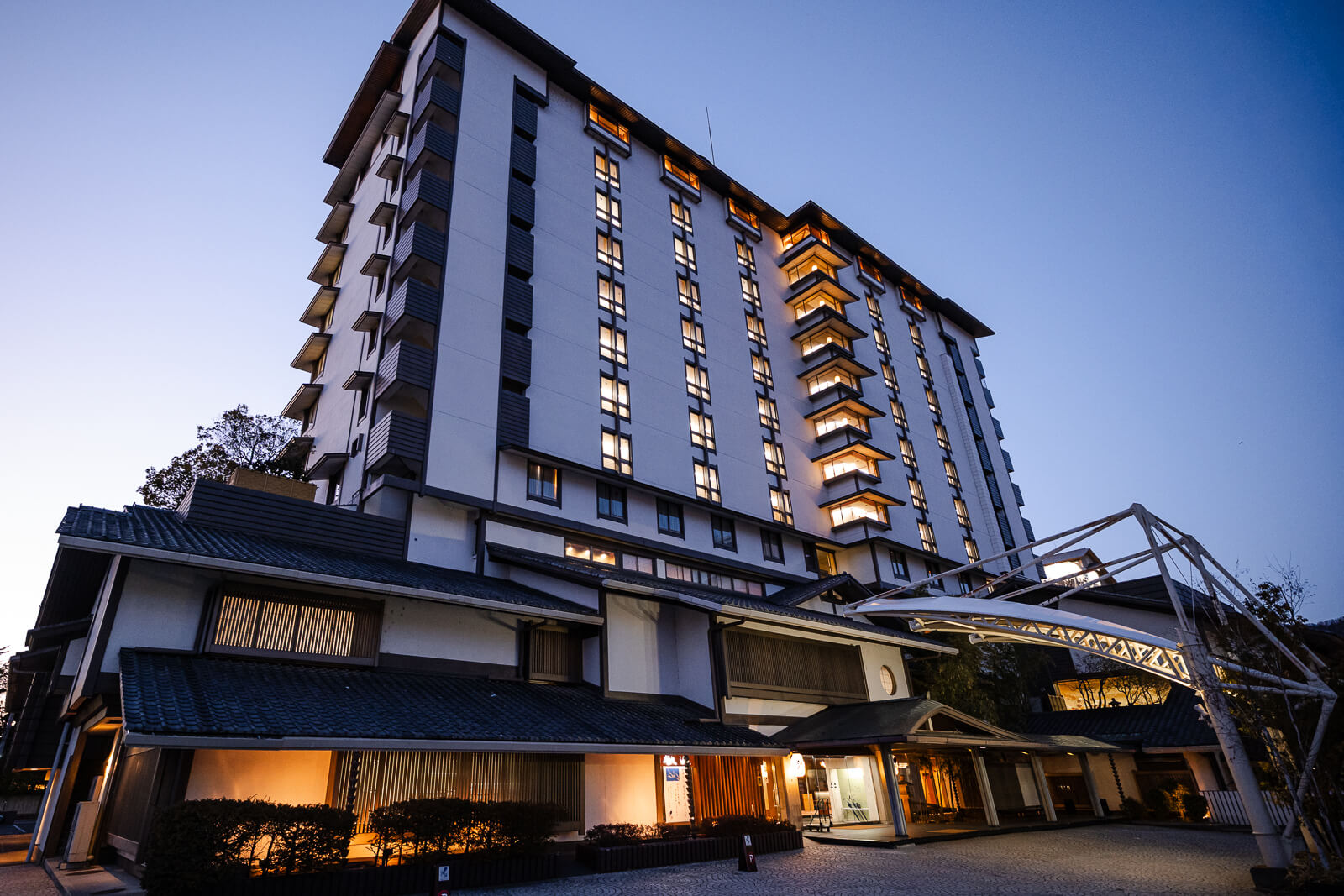
Compare car rentals in Kawaguchiko
Compare Booking.com car rentals in Fujikawaguchiko for stops around both lakes. Select Kawaguchiko Station as the pickup area, then check the rental office, opening hours and return arrangements.
Compare Kawaguchiko car rentals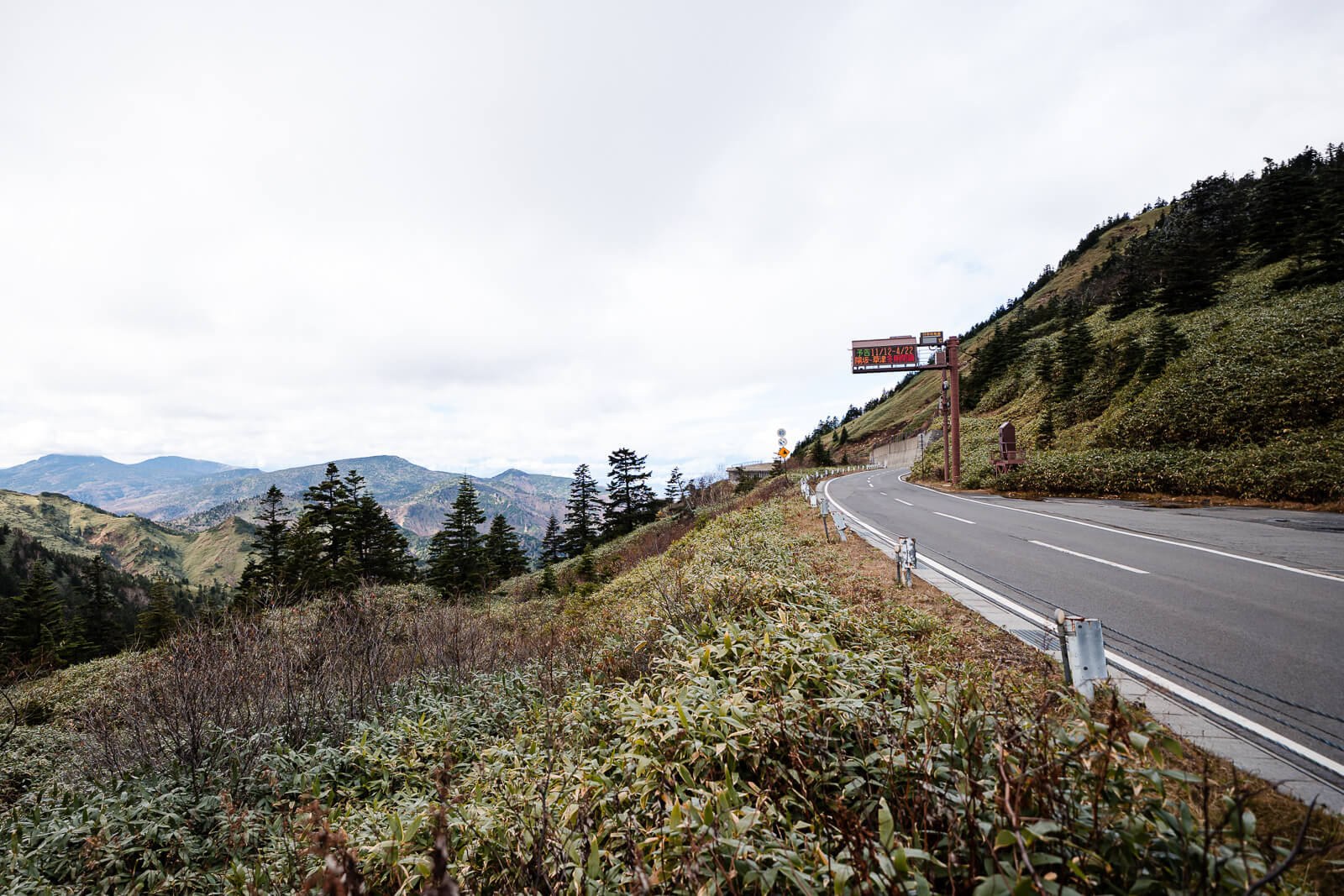
Browse Fuji-area outings
Explore guided trips for a wider Fuji Five Lakes visit. Check the exact stops and timing if Panoramadai or sunrise is a priority.
Browse Fuji-area tours
Take the Fuji Excursion from Tokyo
Compare Fuji Excursion tickets from Shinjuku to Kawaguchiko. For Yamanakako, arrange onward transport separately and compare the route with a direct highway bus.
Check Fuji Excursion tickets
Keep maps and bookings handy
Compare Japan eSIM options for routes, forecasts and reservations. Check phone compatibility and match the data allowance to the length of your trip.
Compare Japan eSIMs
Compare the nationwide Japan Rail Pass
Consider a Japan Rail Pass for a wider itinerary through Tokyo, Kyoto, Osaka and beyond. Compare its cost with individual tickets; the Fujikyu section from Otsuki to Kawaguchiko requires separate payment.
Compare Japan Rail Pass options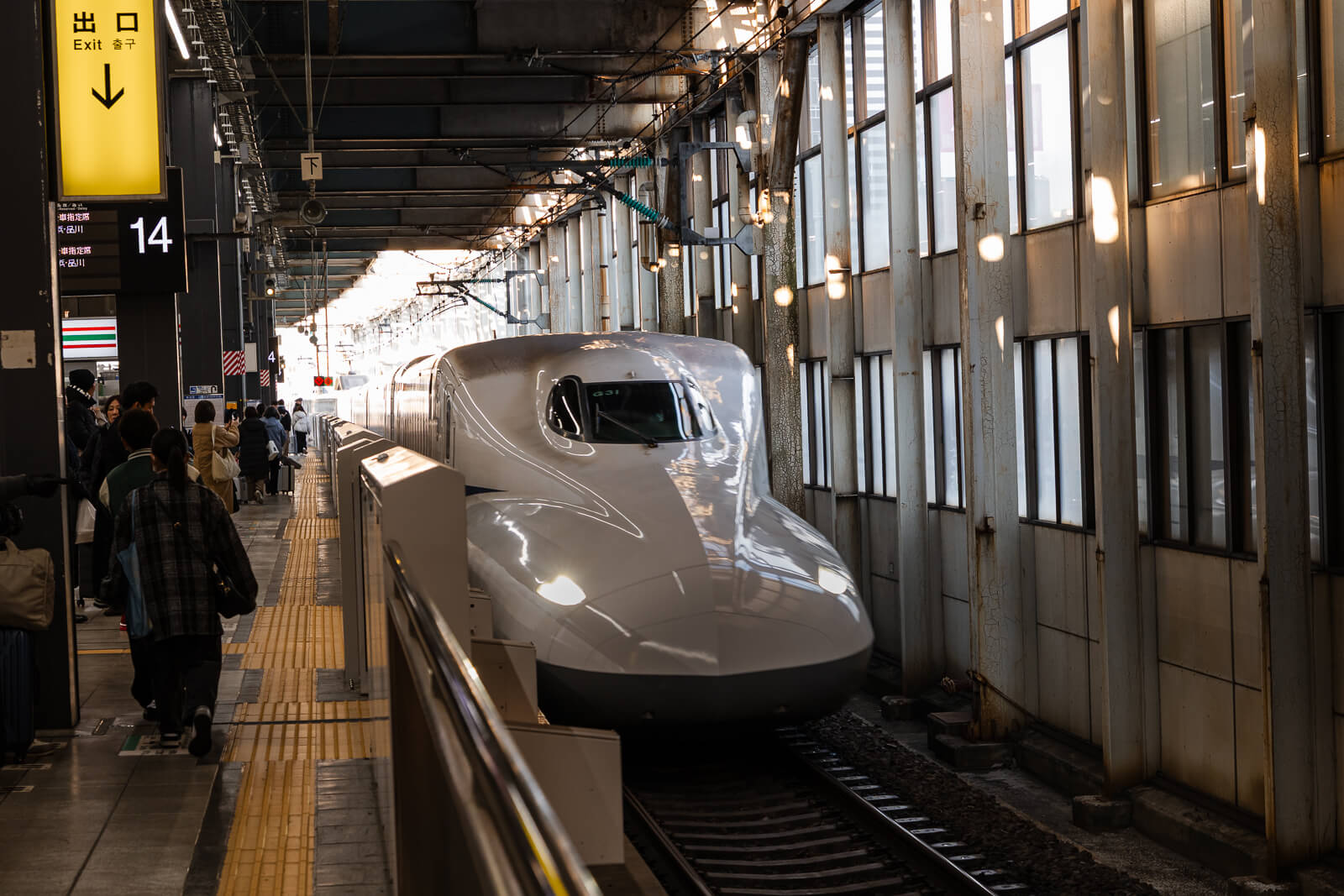
Reader note: Japan Unfolded may earn a commission from some links at no extra cost to you.