A short shrine stop on the way to Panoramadai
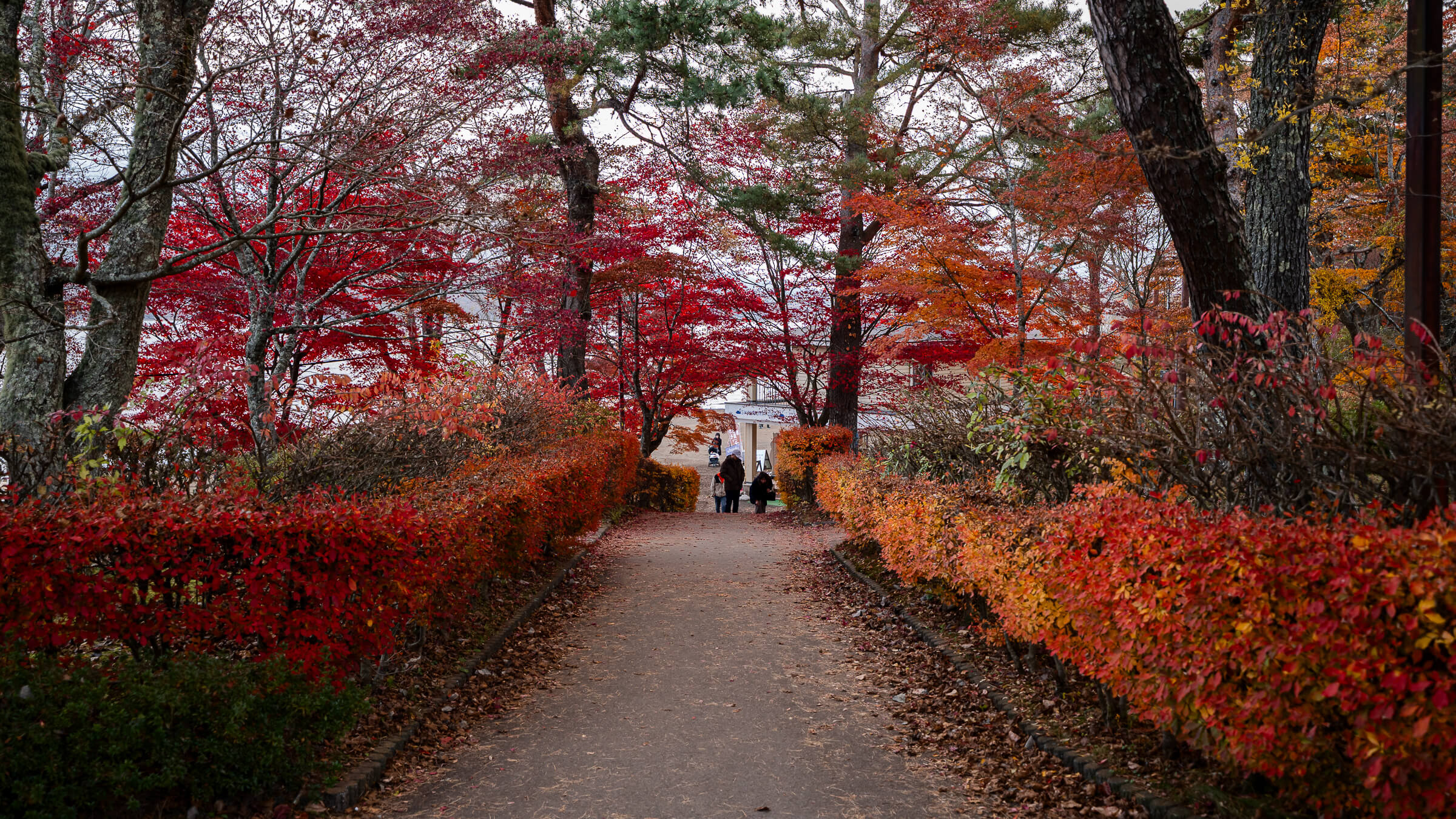
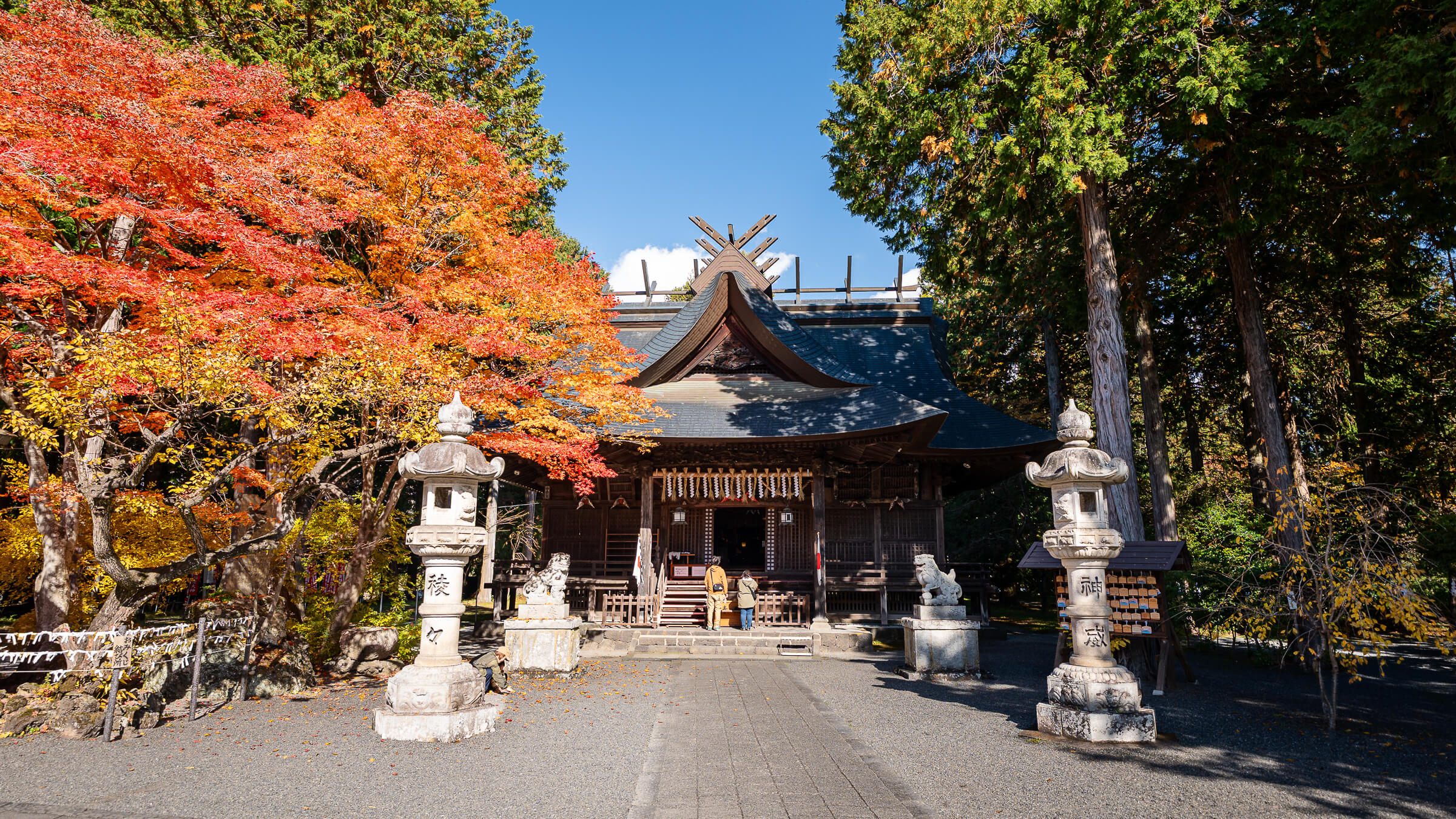
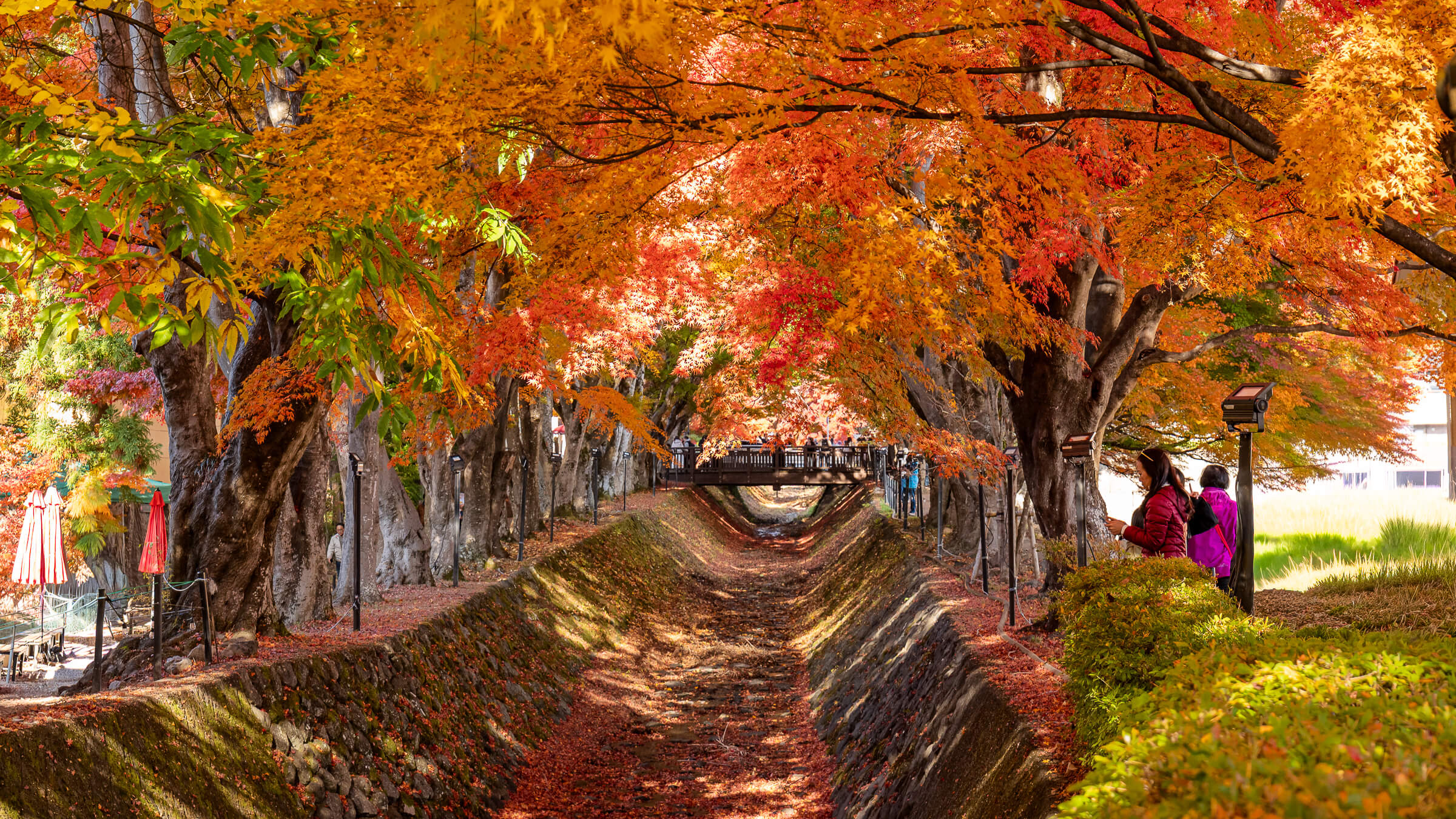
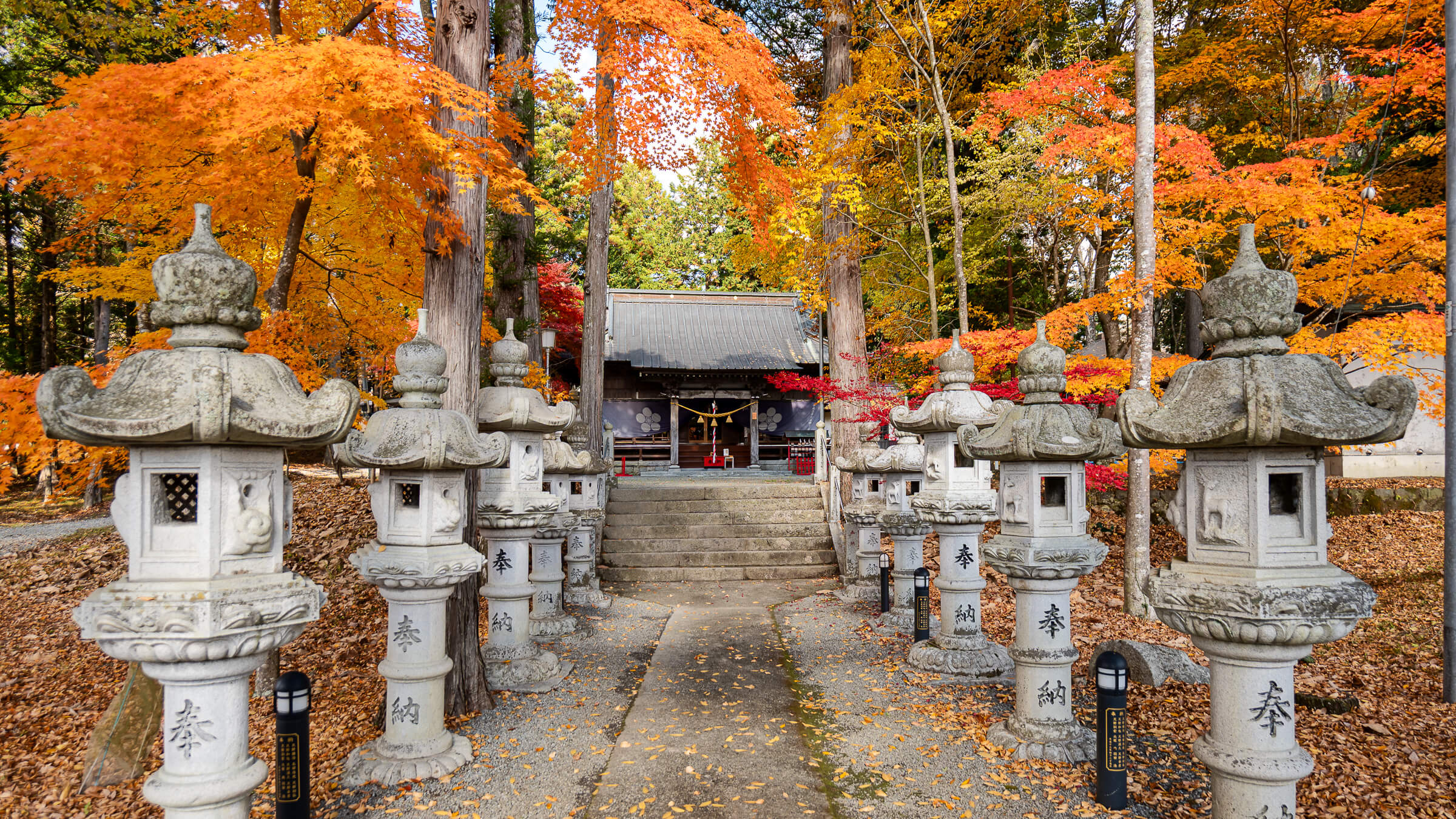
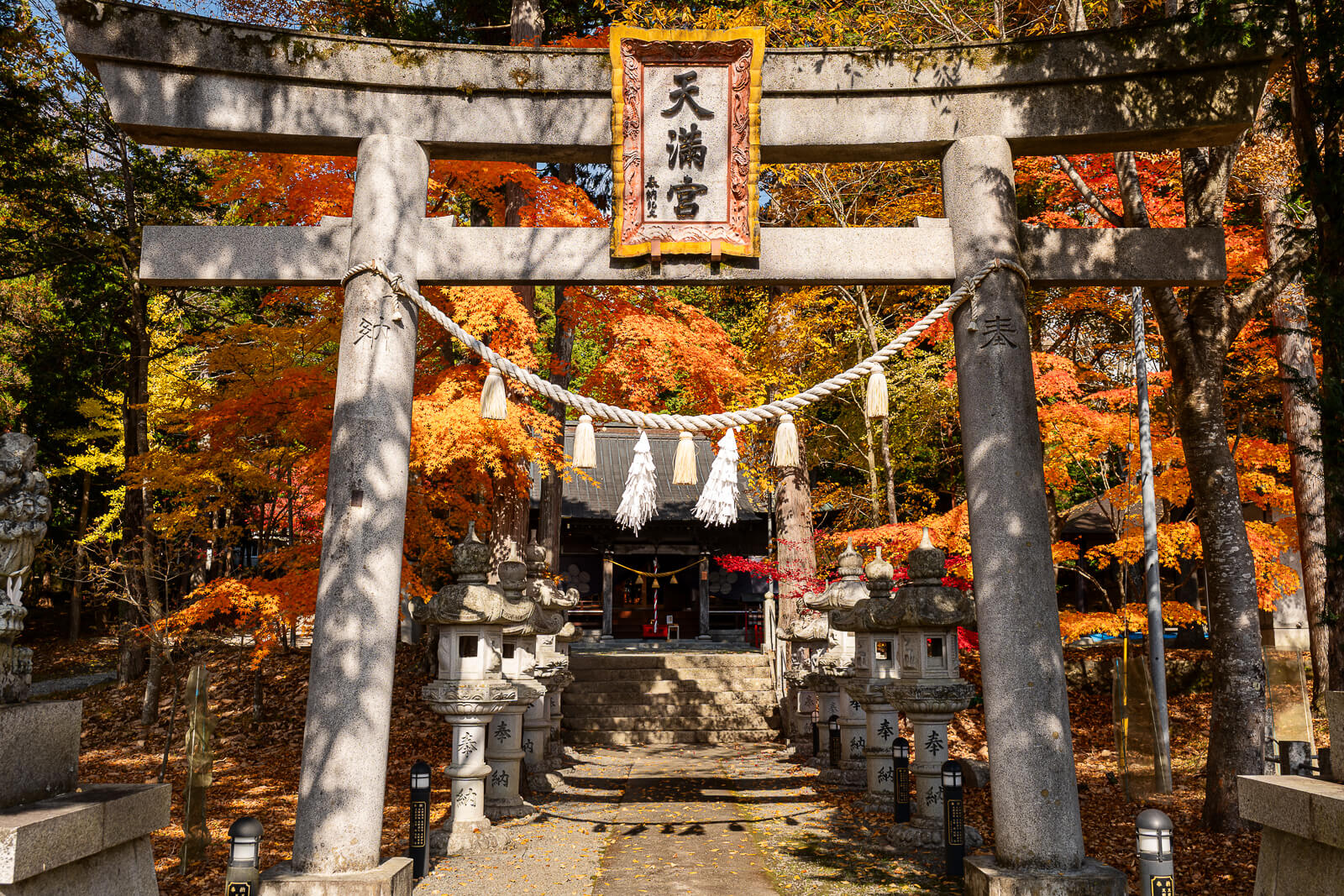
The stone lanterns are the first reason to look beyond Hirano Tenmangū’s entrance. In autumn, bright orange foliage surrounds the approach, drawing the eye along the path toward the shrine buildings. For visitors exploring the eastern side of Lake Yamanakako and heading up to Panoramadai, this small shrine is worth a short stop when the maples are showing their color.
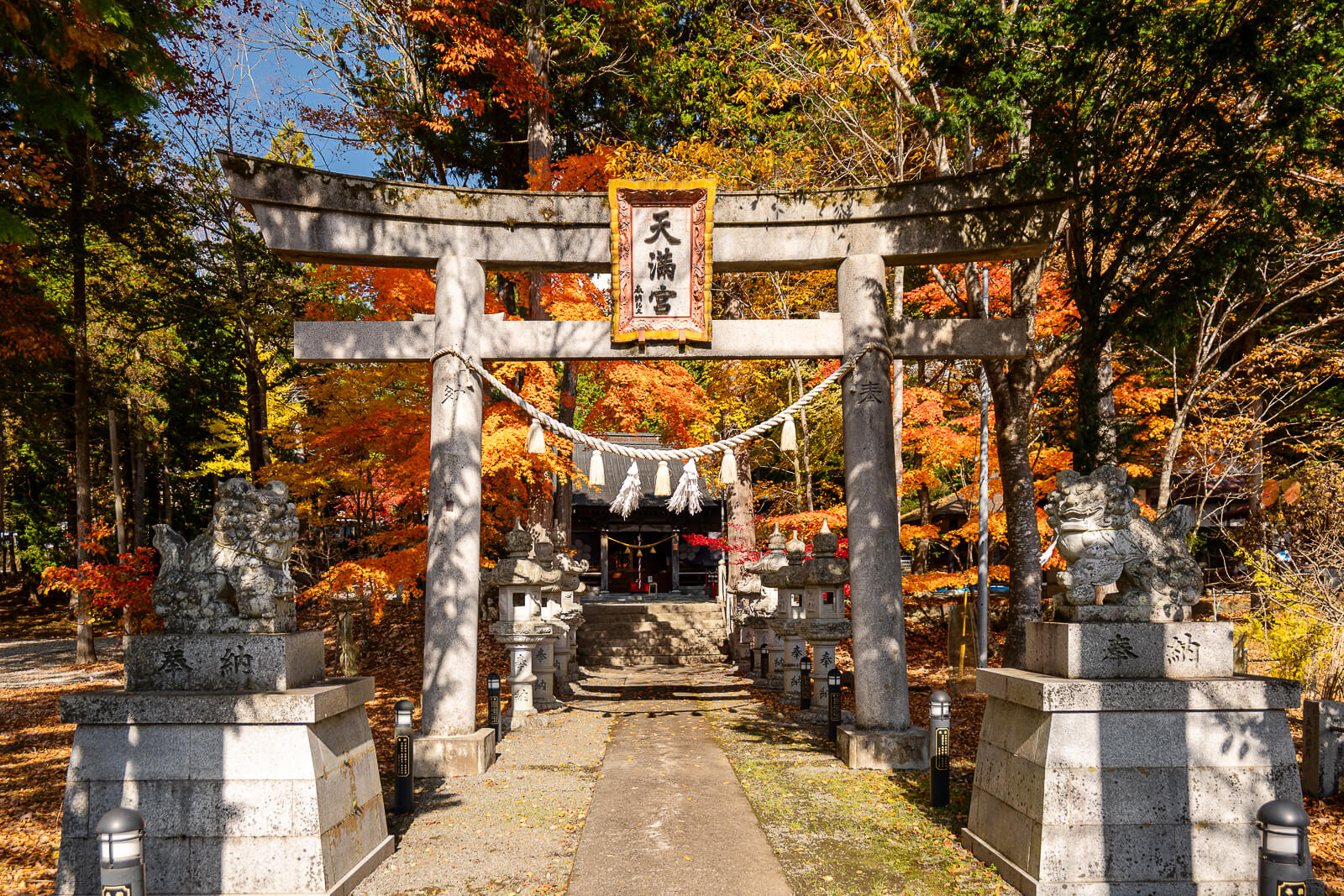
Allow about 10–15 minutes to walk through the entrance, look around the courtyard and take photographs. The appeal is concentrated in a small space: lanterns, trees and shrine buildings seen together. It fits especially well into a day around Yamanakako, adding a closer view of autumn before the wide lake-and-mountain landscape above.
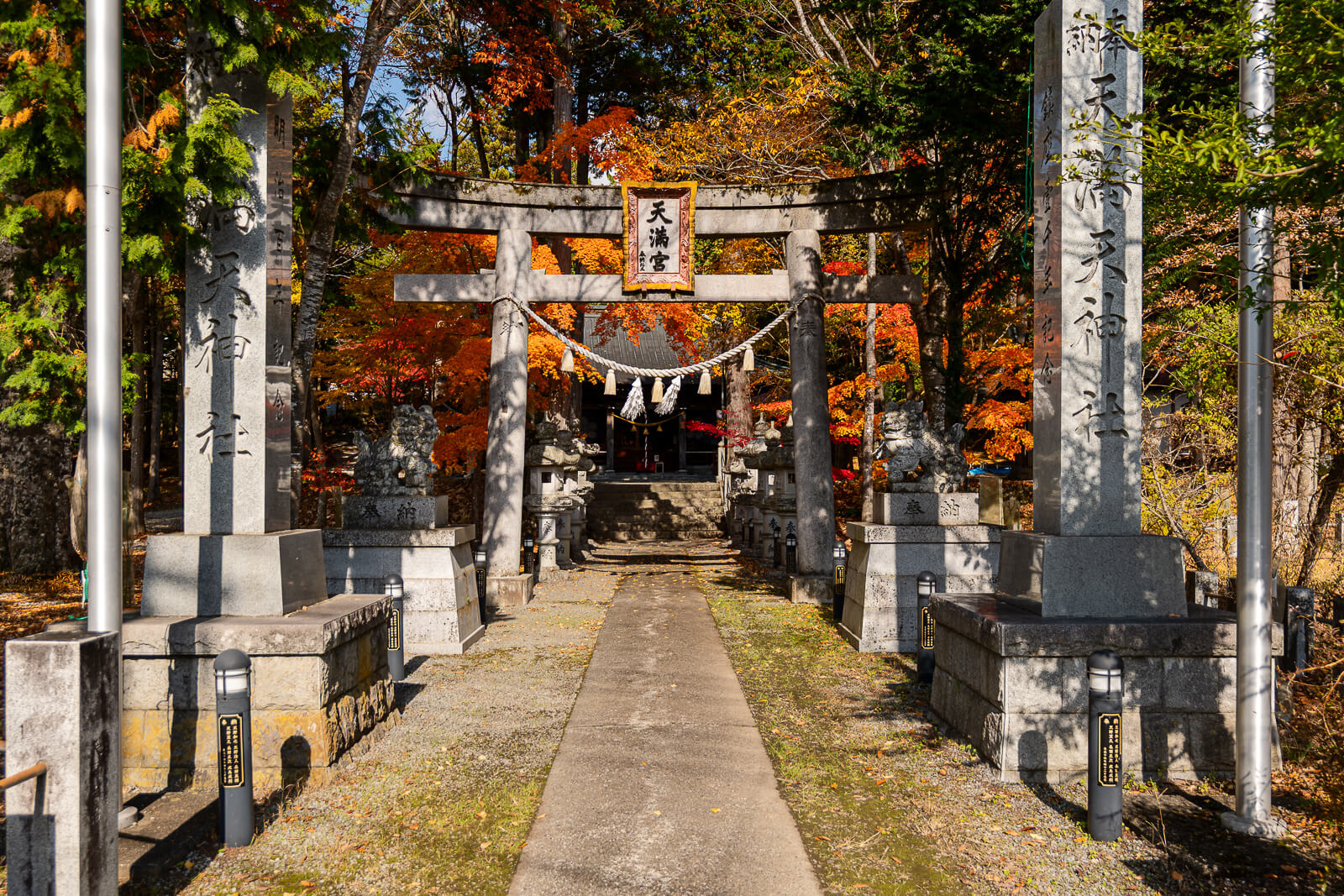
Follow the lanterns into the autumn color
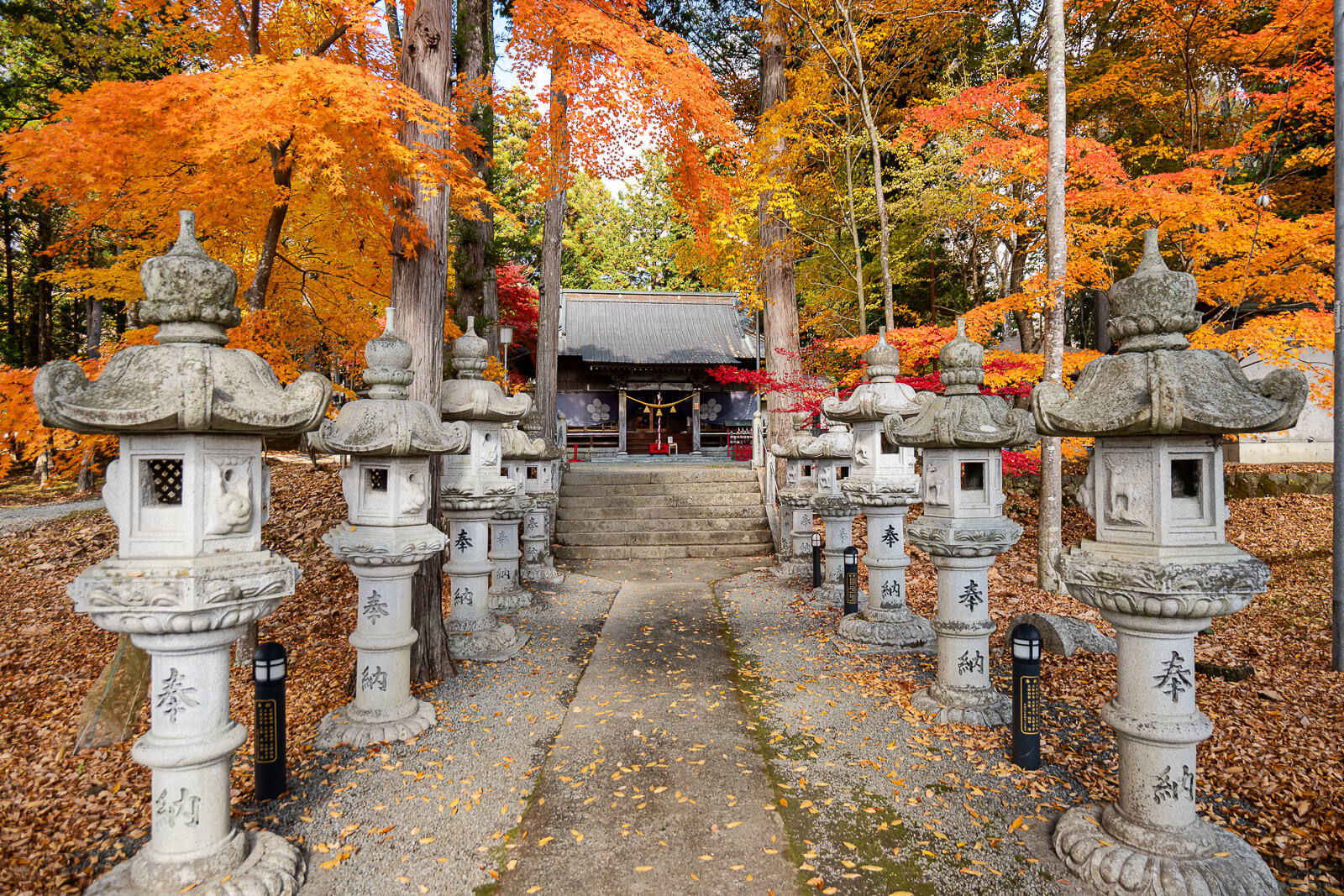
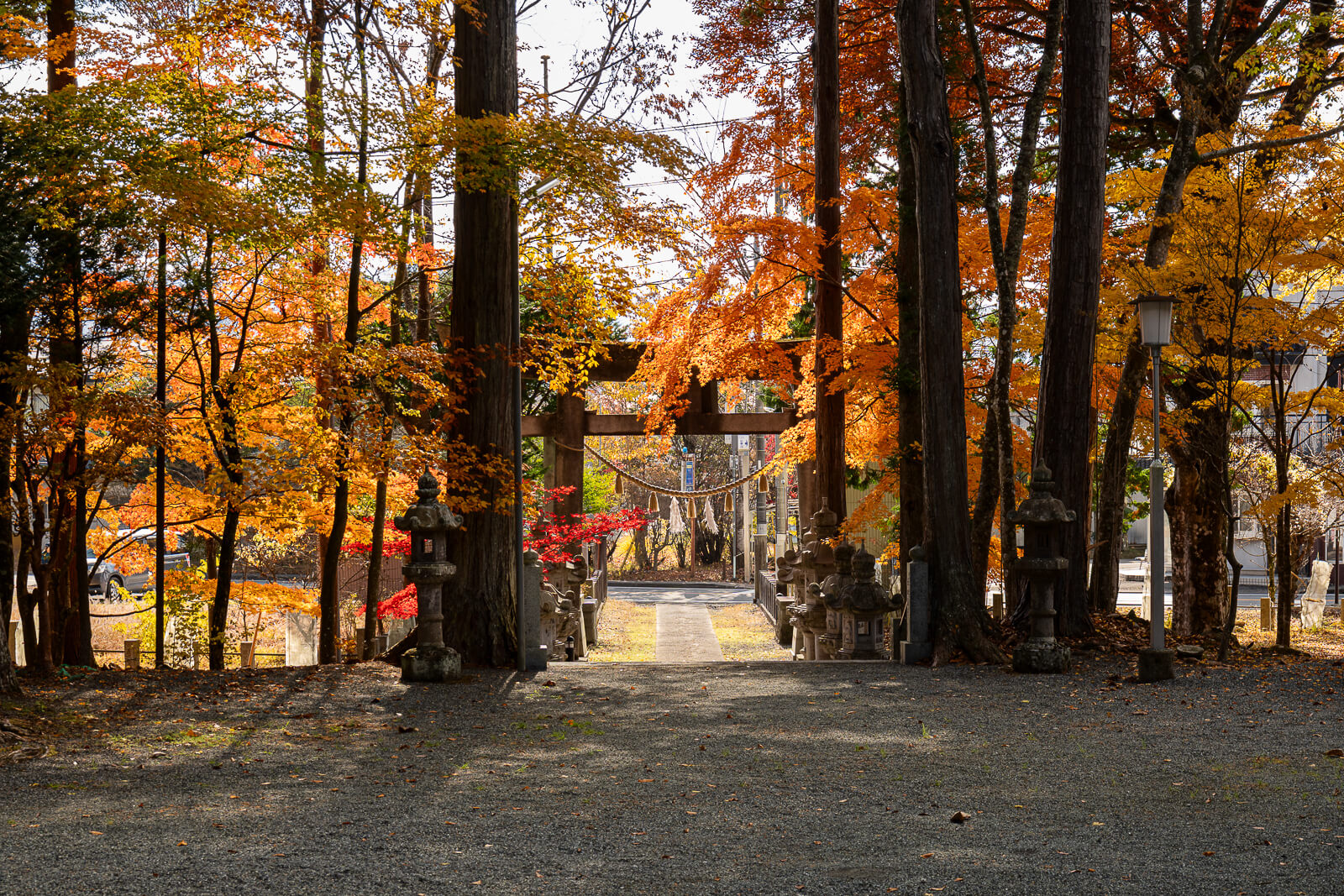
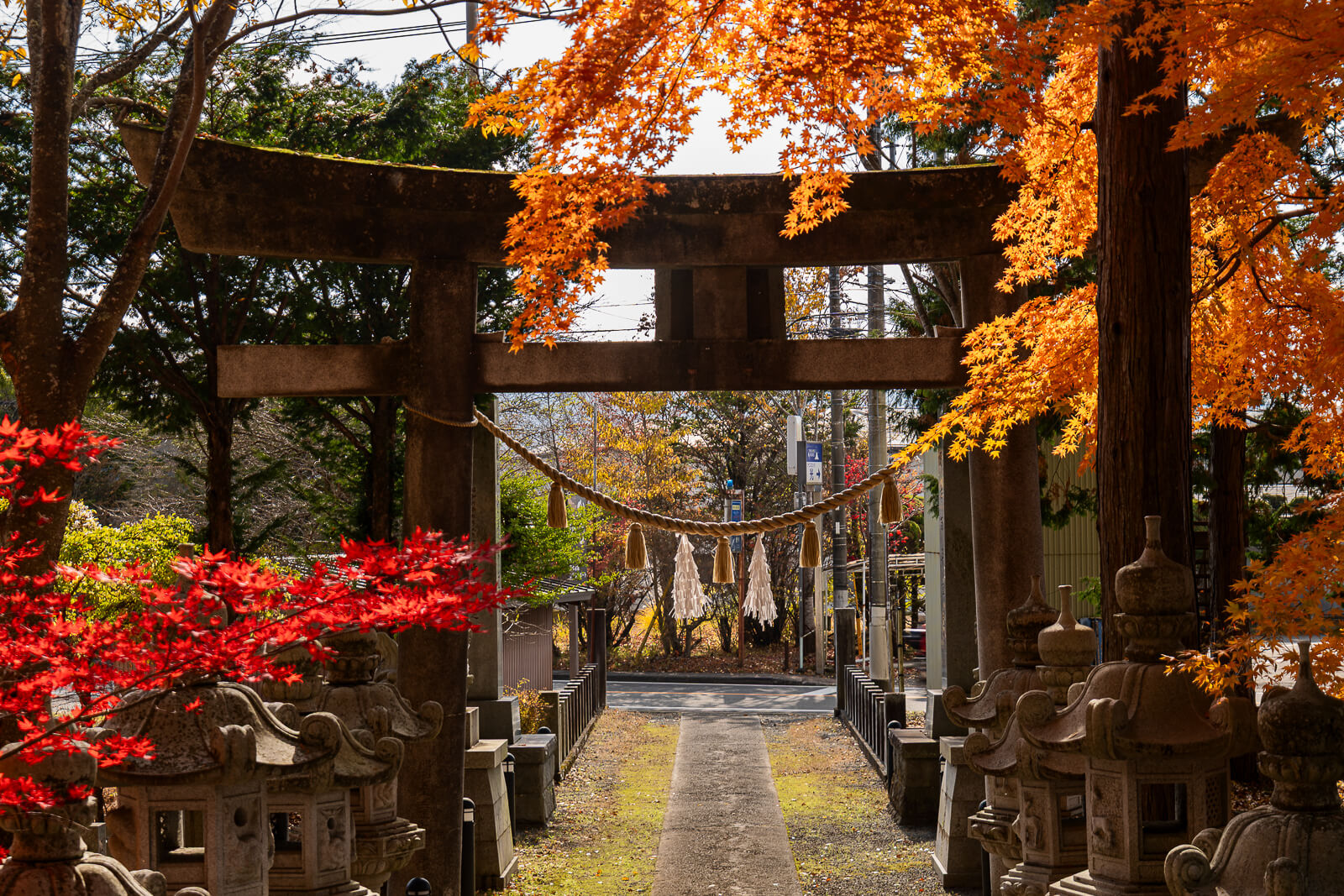
A row of stone lanterns gives the approach its shape, with foliage overhead and around the buildings beyond. The stonework provides something for the eye to follow through the orange leaves, so the attraction is more than a patch of color beside the road. Look along the approach first, then step closer to see how the lanterns and branches frame the shrine.
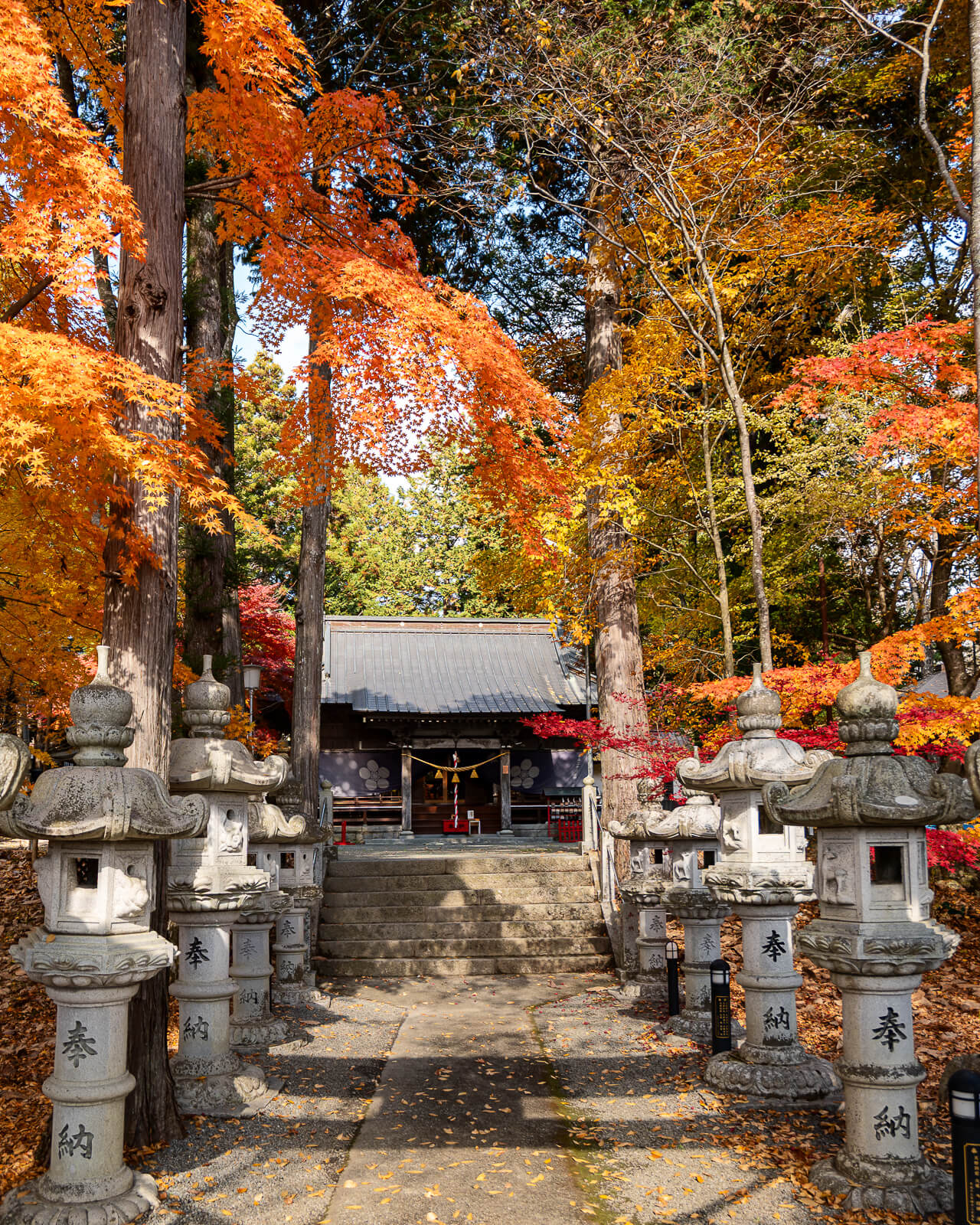
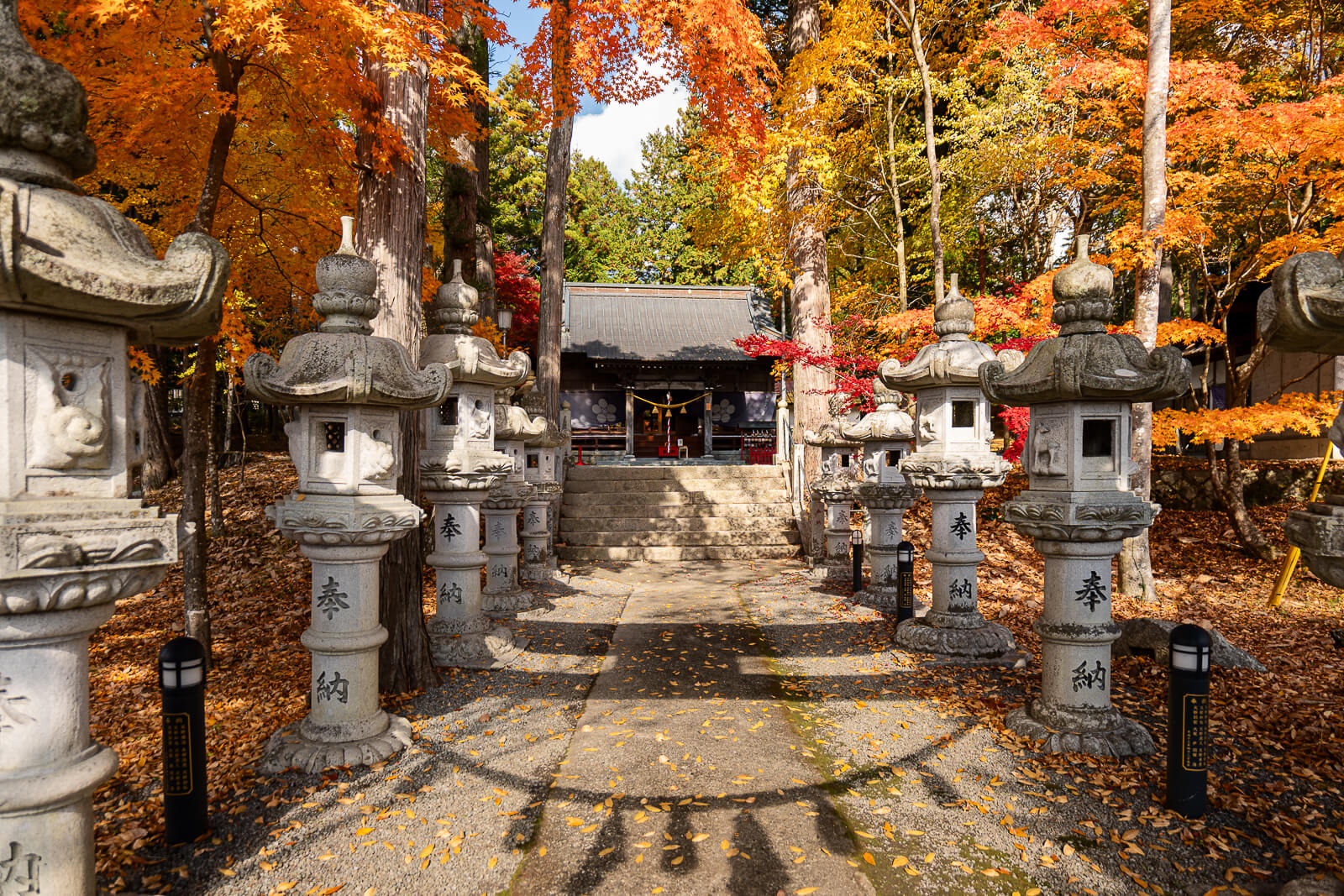
The entrance and courtyard are compact enough to explore without committing a large part of the day. There is time to take a wider photograph through the entrance and a closer view of the lanterns beneath the maples. Visitors who enjoy shrine details or photographing autumn foliage will find the most reason to linger.
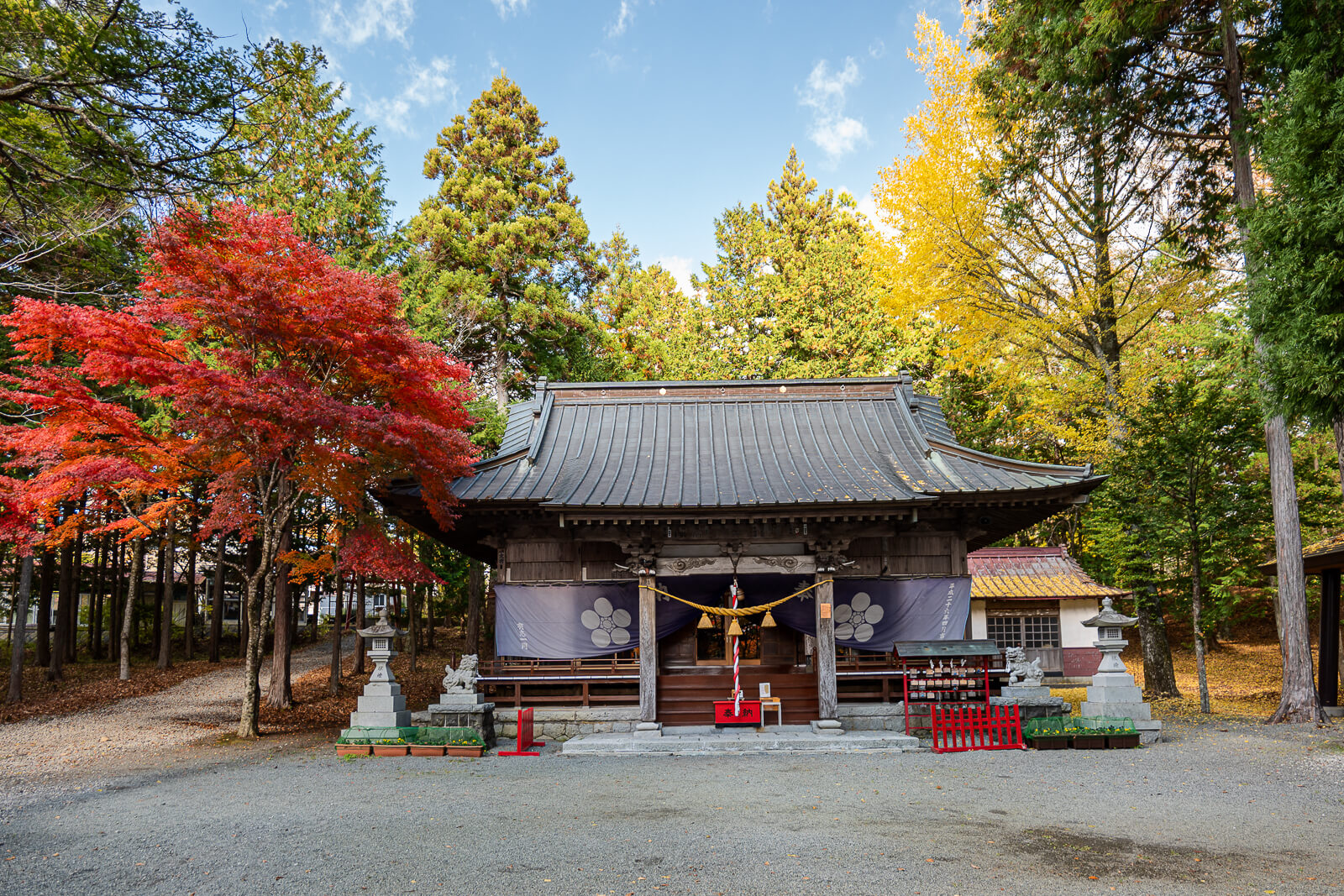
Give the lanterns a little attention of their own. Their broad stone caps and repeated shapes stand out against the branches, while a view along the path brings several into the same composition. Including the entrance or a shrine building helps place the foliage in its surroundings, giving a photograph more of the character of Hirano Tenmangū than leaves alone would convey.
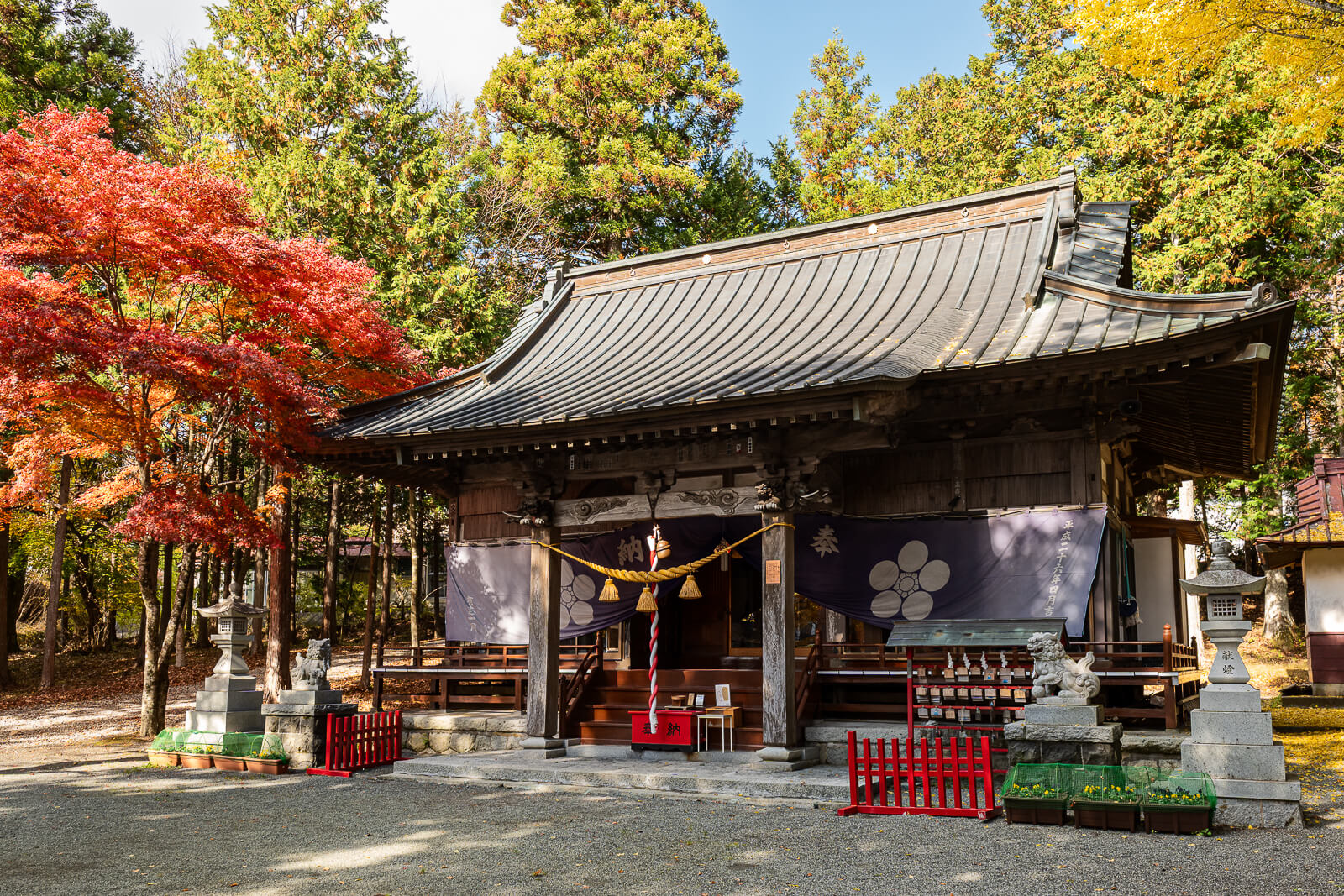
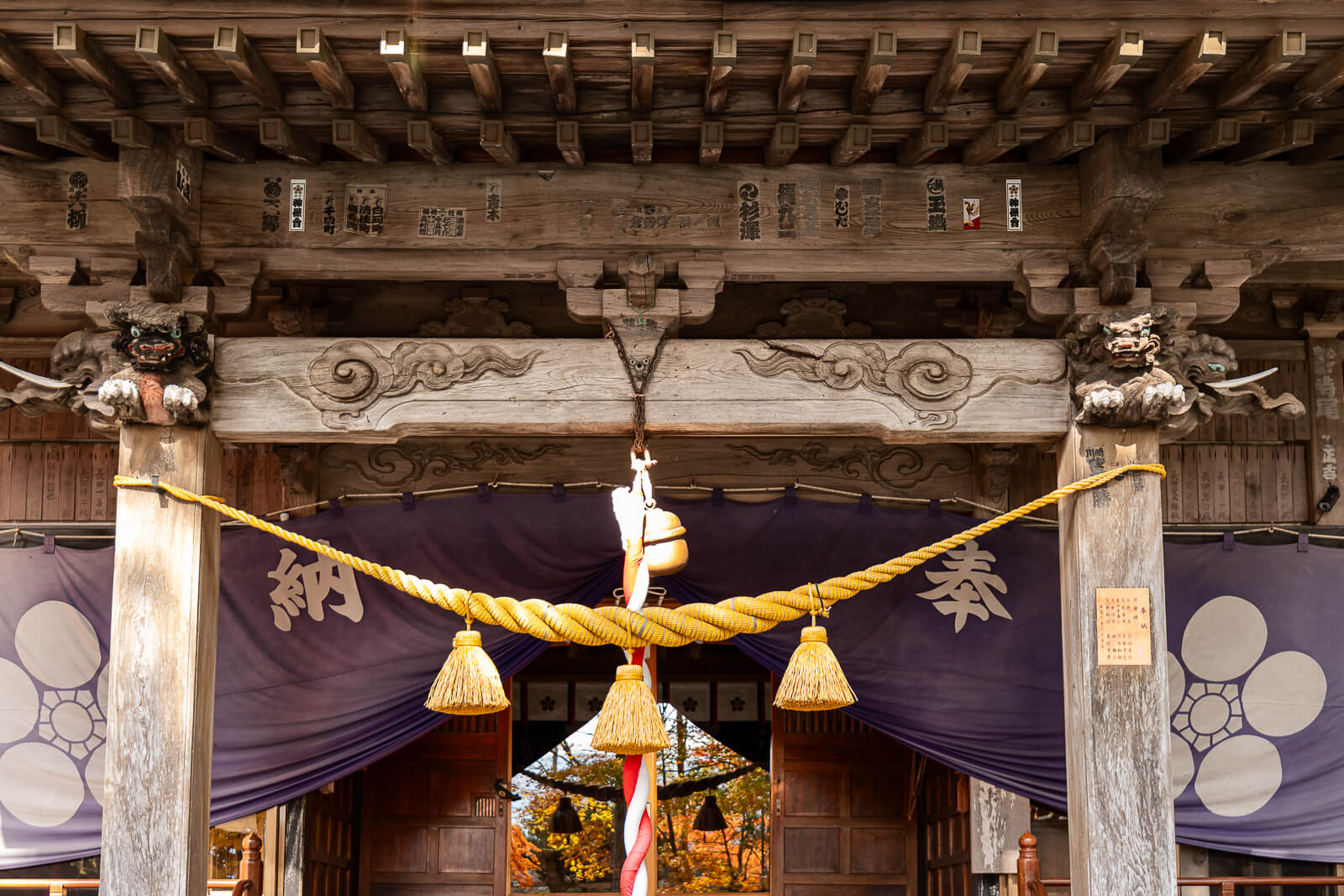
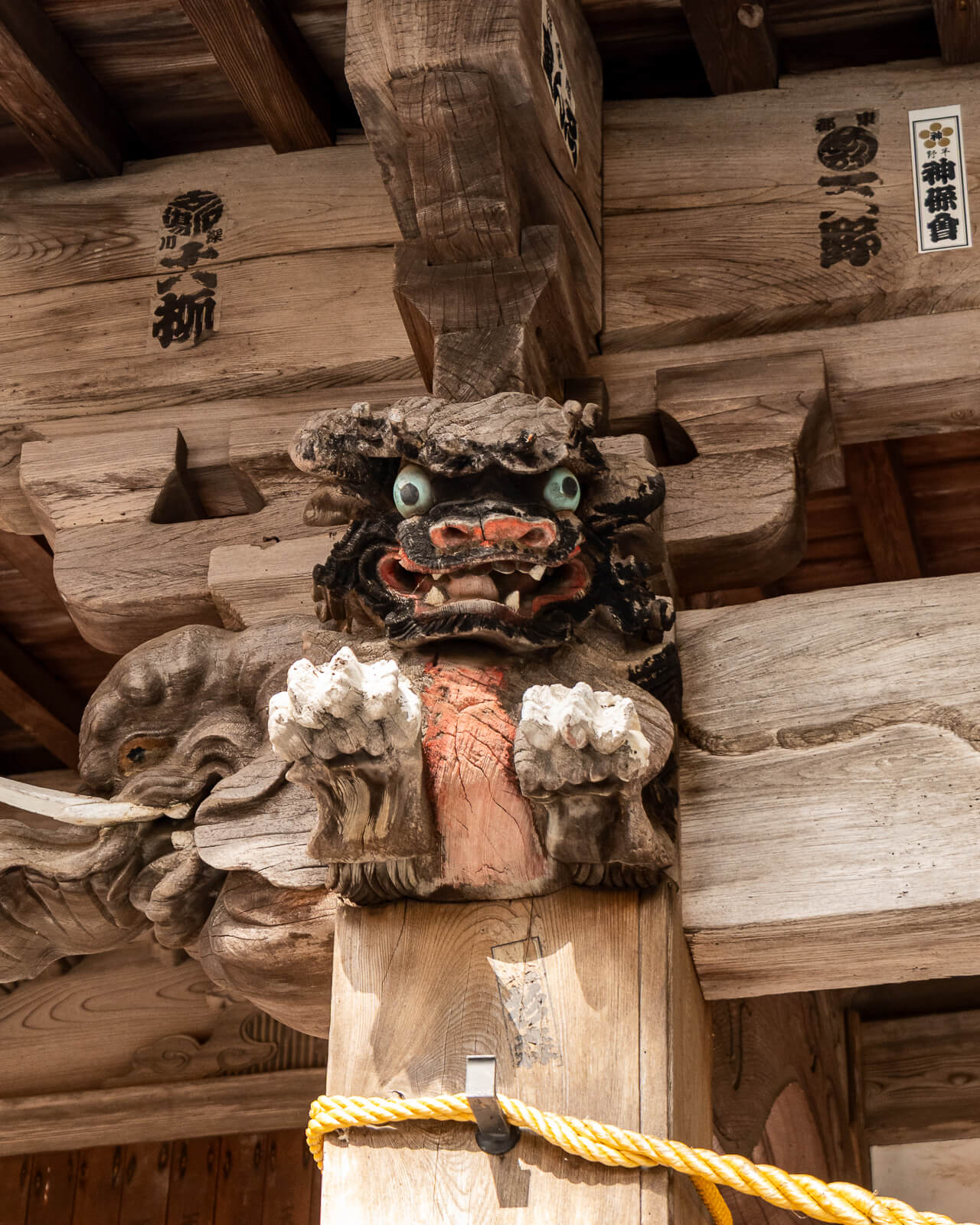
The color can be striking enough to prompt an unplanned stop, particularly when driving toward the viewpoint. On foot, the shrine needs to be part of a walk through Hirano in that direction; it is not something every lakeside stroll will pass. That makes its position useful to know before setting out, even for a visit lasting only a few minutes.
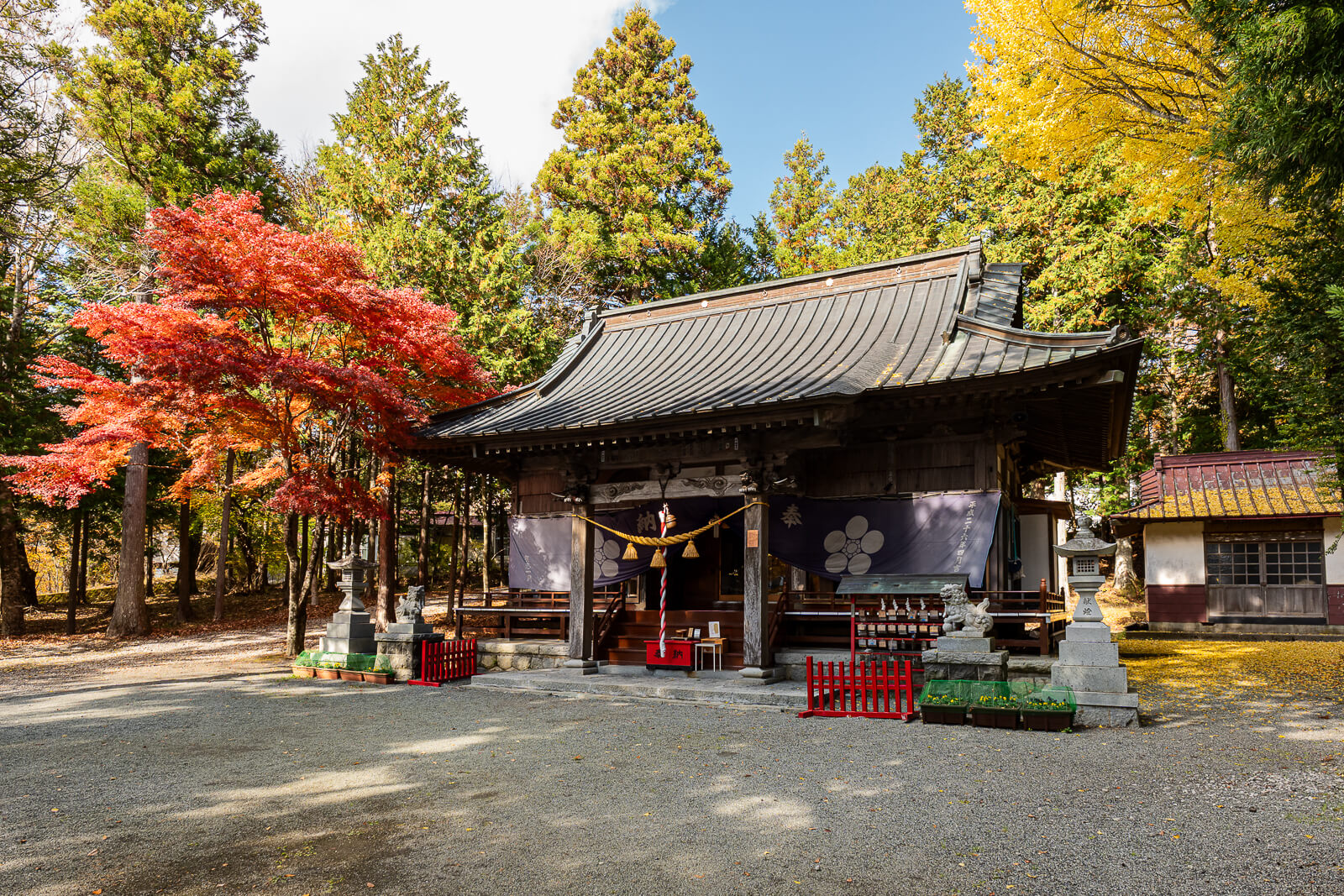
A village shrine with a living tradition
Hirano Tenmangū enshrines Sugawara no Michizane, associated with learning, and Susanoo. Its traditions extend beyond the buildings: the shrine preserves Amano-Iwato kagura, a form of ritual performance handed down since the Edo period. Yamanakako recognises that tradition as an intangible folk cultural asset.
During the shrine’s summer festival, portable shrines travel through Hirano and kagura is performed within the district. An autumn visit offers a different experience, focused on the grounds and foliage. Knowing about the festival gives the small complex a wider connection to village life, even when no performance is taking place.
Make it part of a Yamanakako outing
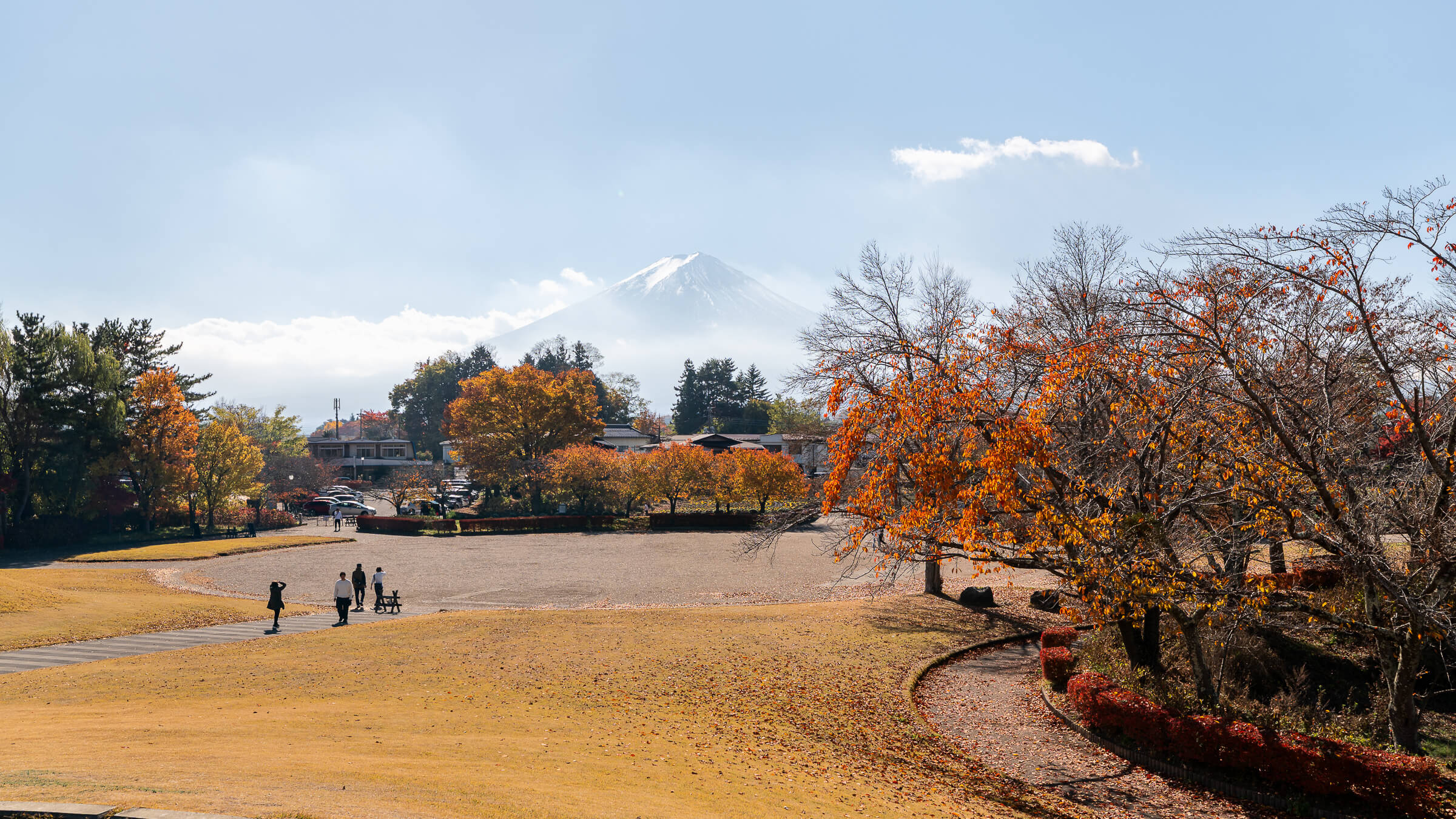
Hirano Tenmangū works best as an addition to other places around the lake. Its compact grounds and autumn color reward a brief visit, particularly for anyone already passing through Hirano. There is no need to make it carry an entire afternoon when several different lake experiences are close enough to include in the wider day.
The short visit time leaves room to be spontaneous. Ten to fifteen minutes is enough to look around, but there is no reason to hurry away if the foliage draws attention to another angle along the approach. Build in that small amount of flexibility when planning the next stop, especially if taking photographs is part of the pleasure of the day.
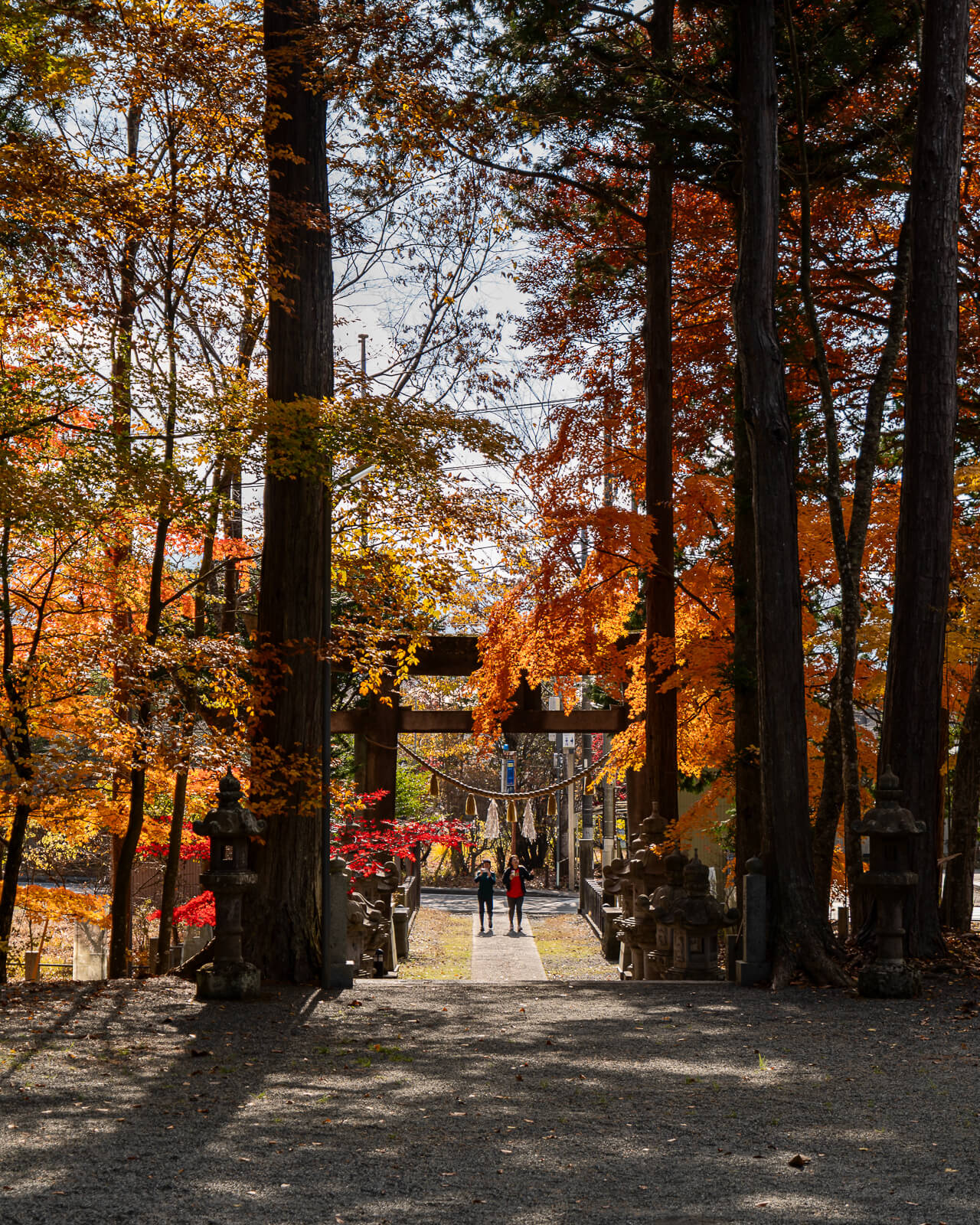
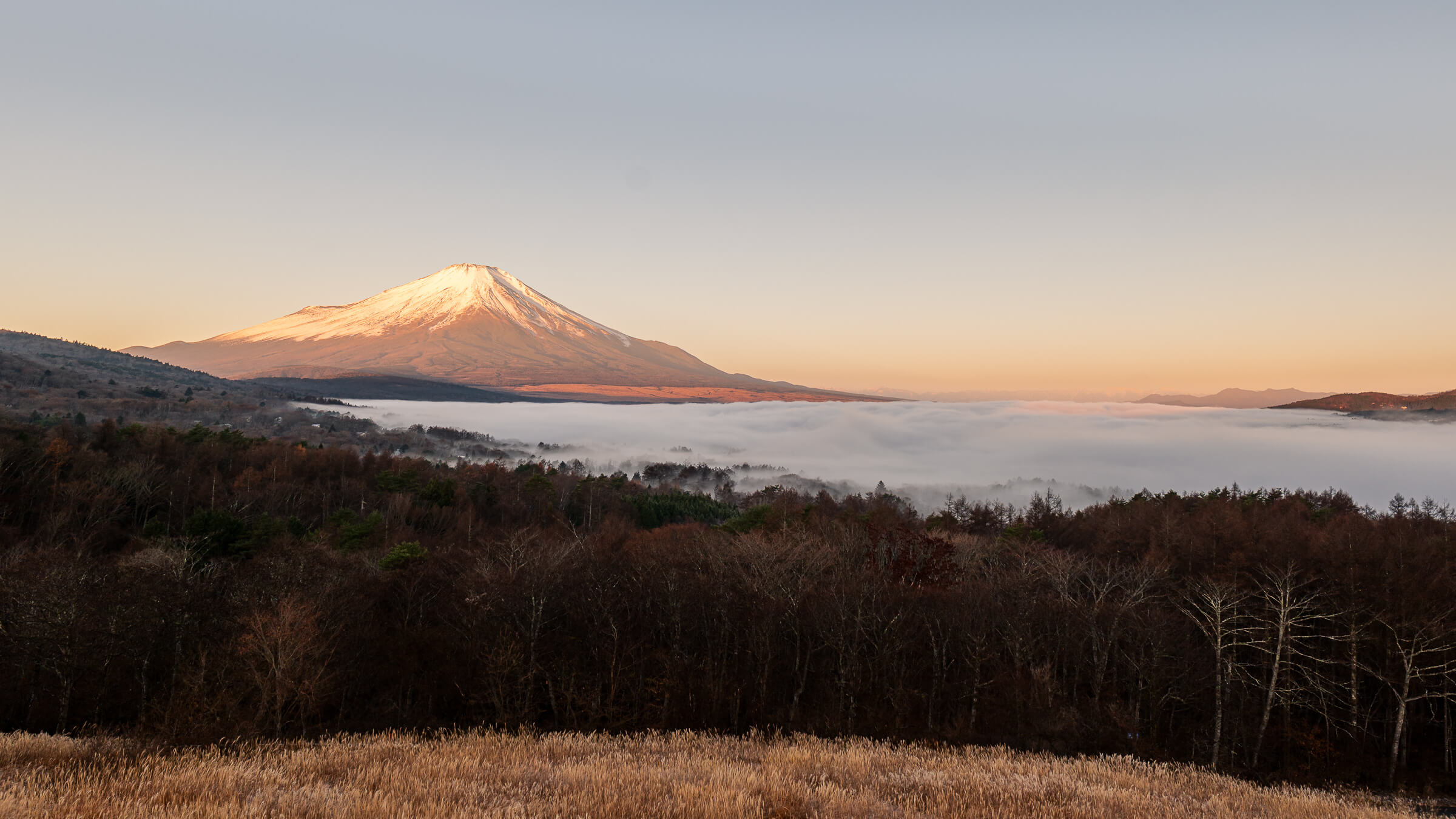
Yamanakako Panoramadai is the natural pairing for a drive uphill. The shrine offers stone lanterns and foliage at close range; the viewpoint opens the scene out across the lake toward Fuji. If sunrise is the priority, keep that first-light visit first and leave the shrine for daylight afterwards.
Hirano Beach offers a return to the shoreline, while Asahigaoka Park adds a longer autumn walk elsewhere around the lake. Around Asahigaoka, nearby boat outings and lunch options across the road can help fill out the day. Together, these stops offer different ways to enjoy Yamanakako without turning every place into a long visit.
For an autumn trip through Yamanashi‘s Fuji Five Lakes area that also includes Kawaguchiko and Yamanakako, the shrine contributes a small but memorable detail to the Yamanakako side of a wider journey around Mount Fuji. The reason to stop is straightforward: stone lanterns leading into bright autumn foliage, with enough to enjoy in a short walk. It is the kind of place that rewards noticing what is beside the route as well as what lies at its end.
Getting There
If arriving from Tokyo, plan the Tokyo to Yamanakako journey first, then the connection to Hirano and the shrine. Check Yamanakako’s local buses against the rest of the day’s stops.
Access and arrival
Hirano Tenmangū is at 1877 Hirano on the eastern side of Lake Yamanakako. Hirano is the nearest listed bus stop. A car makes the shrine easy to include on a visit toward Panoramadai; check the entrance and available parking before stopping.
- By bus
Bus serving Hirano → Hirano bus stop → local walk to the shrine
Check the walking route from the stop to the shrine entrance before setting out. · Confirm the current bus schedule and return service for your chosen day.
- By car
Explore Hirano → Hirano Tenmangū → Panoramadai if continuing uphill
Locate the shrine entrance and use the designated parking area. · The regional tourism listing identifies parking; check current access before travelling.
Hours and Fees
Visitor information
Hirano Tenmangū is a compact shrine in Hirano, Yamanakako. Allow about 10–15 minutes for the grounds and photographs. Visit in daylight for the stone lanterns and autumn foliage; no public visiting schedule or admission rate is stated in the official tourism listing.
- Hours
- Grounds: no fixed public visiting hours are stated in the official listing. Daylight is best for seeing the lanterns and foliage. Festival or service arrangements may differ.
- Admission
-
No admission fee or ticket details are stated in the official visitor listing. Check current information before making a special trip.
Plan Your Visit
Plan Your Visit
A short shrine stop fits easily into a longer Yamanakako day. Check the details of any stay, transport or outing before booking.
Stay around Yamanakako
Compare places to stay around the lake for a fuller visit or an early start at Panoramadai.
Find Yamanakako accommodation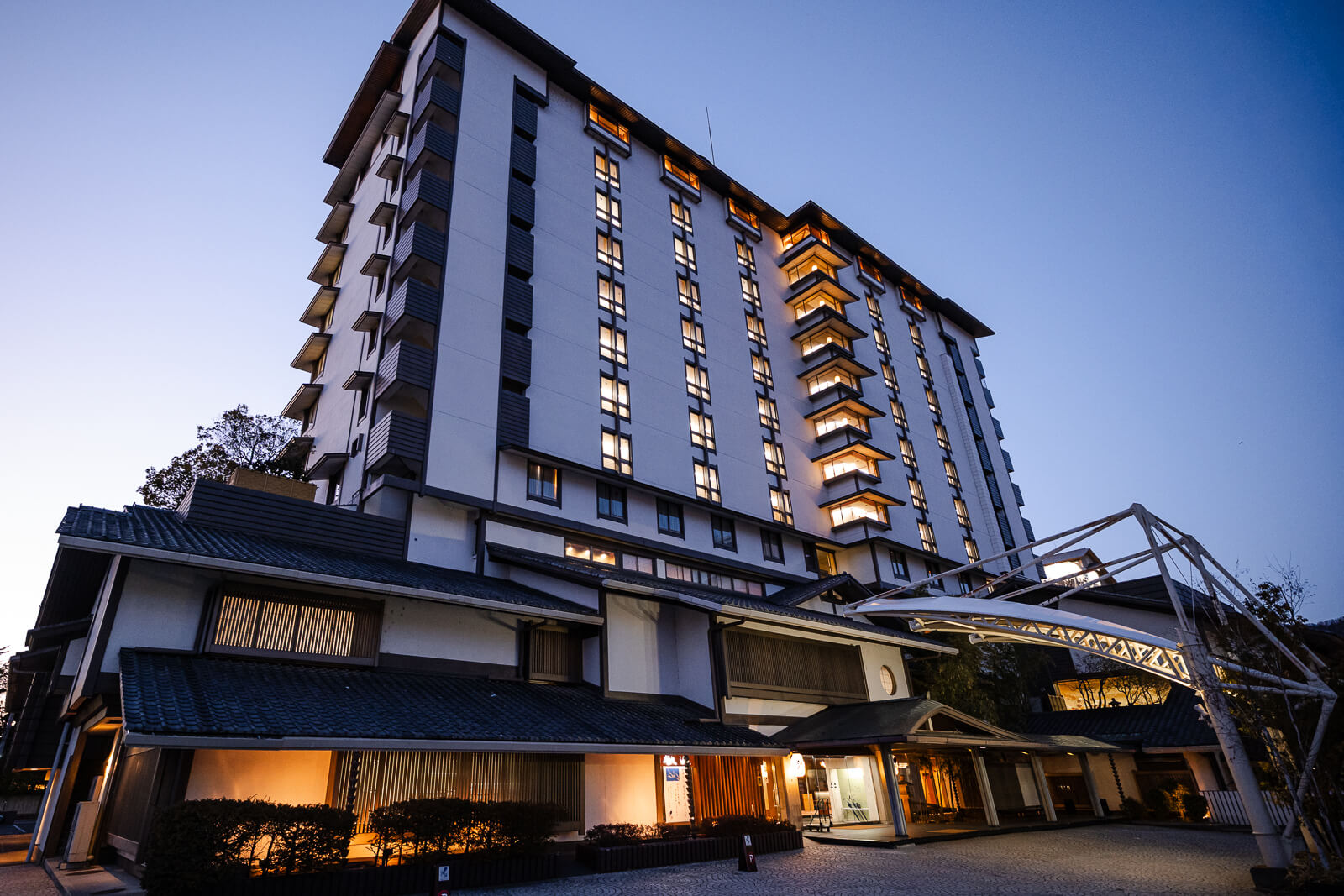
Compare car rentals in Kawaguchiko
Compare Booking.com car rentals in Fujikawaguchiko for stops around both lakes. Select Kawaguchiko Station as the pickup area, then check the rental office, opening hours and return arrangements.
Compare Kawaguchiko car rentals
Explore the wider Fuji area
Browse guided outings and check their exact stops before booking.
Browse Fuji-area tours
Take the Fuji Excursion from Tokyo
Compare Fuji Excursion tickets from Shinjuku to Kawaguchiko. For Yamanakako, arrange onward transport separately and compare the route with a direct highway bus.
Check Fuji Excursion tickets
Keep routes and reservations handy
Compare Japan mobile-data options for the rest of the trip.
Compare Japan data options
Compare the nationwide Japan Rail Pass
Consider a Japan Rail Pass for a wider itinerary through Tokyo, Kyoto, Osaka and beyond. Compare its cost with individual tickets; the Fujikyu section from Otsuki to Kawaguchiko requires separate payment.
Compare Japan Rail Pass options
Reader note: Japan Unfolded may earn a commission from some links at no extra cost to you.