Cherry blossoms and a golden ginkgo beside Lake Kawaguchi
Fuji Omuro Sengen Shrine is worth stopping at whenever a trip takes you around Lake Kawaguchi, with substantial torii entrances and buildings connected to Mount Fuji’s religious history. Cherry blossom season and autumn color make it worth planning a visit specifically for the shrine and its surroundings. Spring gets the stronger recommendation for the trees and flowers, while autumn brings a large golden ginkgo near the hall and red and orange foliage around the grounds.
Allow about half an hour for a short look around, then leave extra time when the flowers or foliage invite more photographs. The shrine’s buildings connect the lakeside visit to Mount Fuji’s religious history, giving the stop substance beyond its seasonal appearance. It is a good addition for visitors who enjoy architecture and trees together, with something to appreciate even when clouds conceal the mountain.
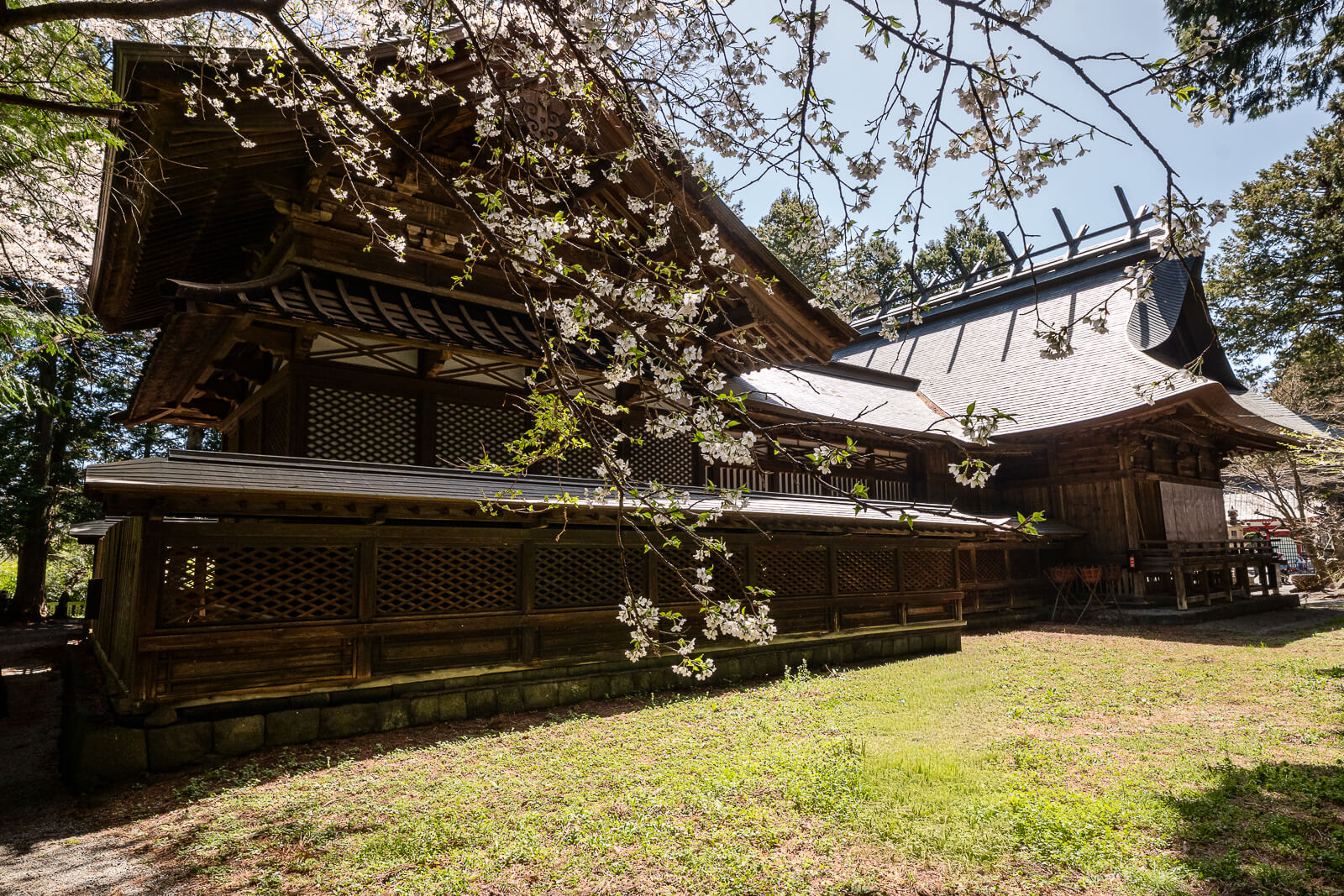
Cherry blossoms frame the approaches and gates
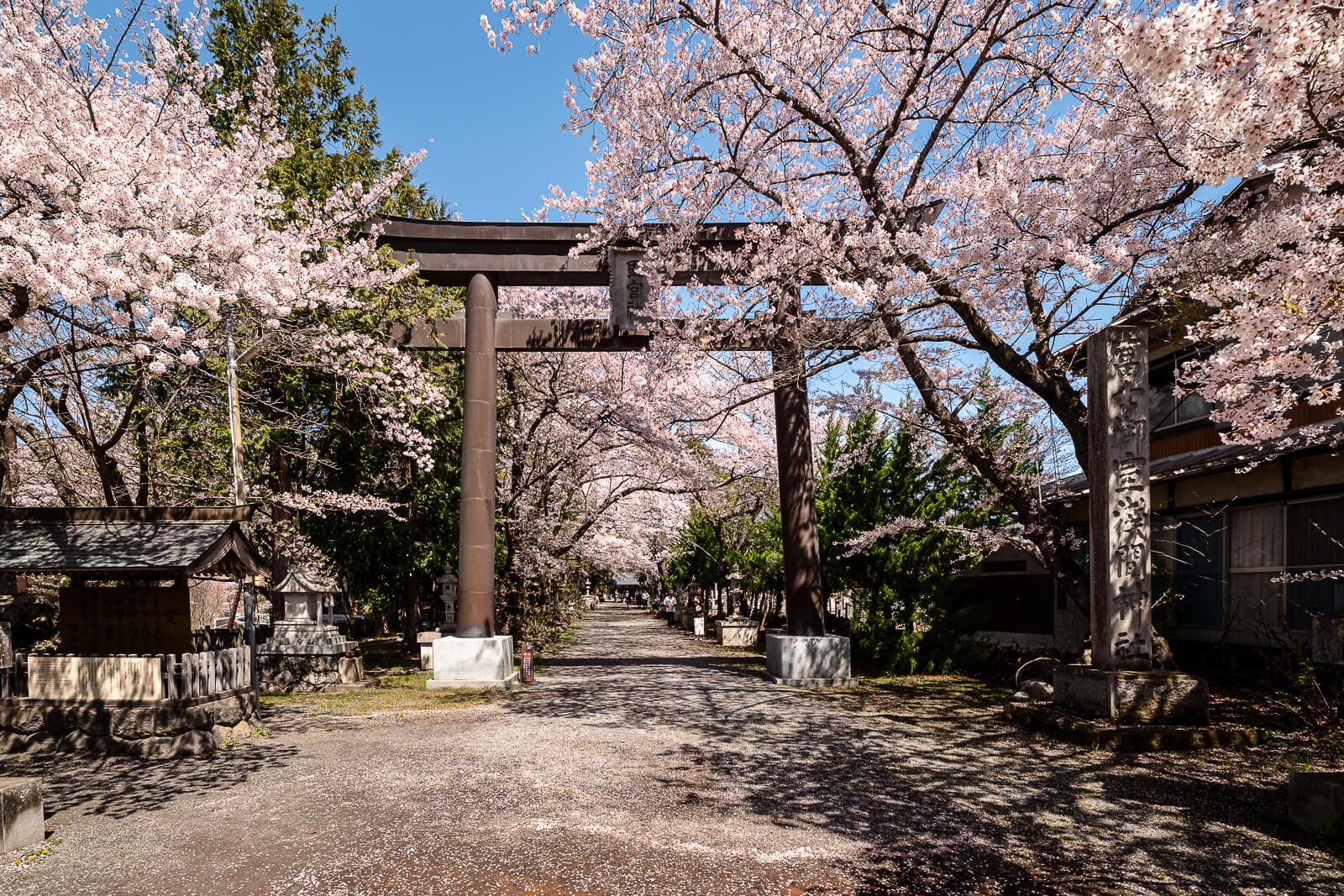
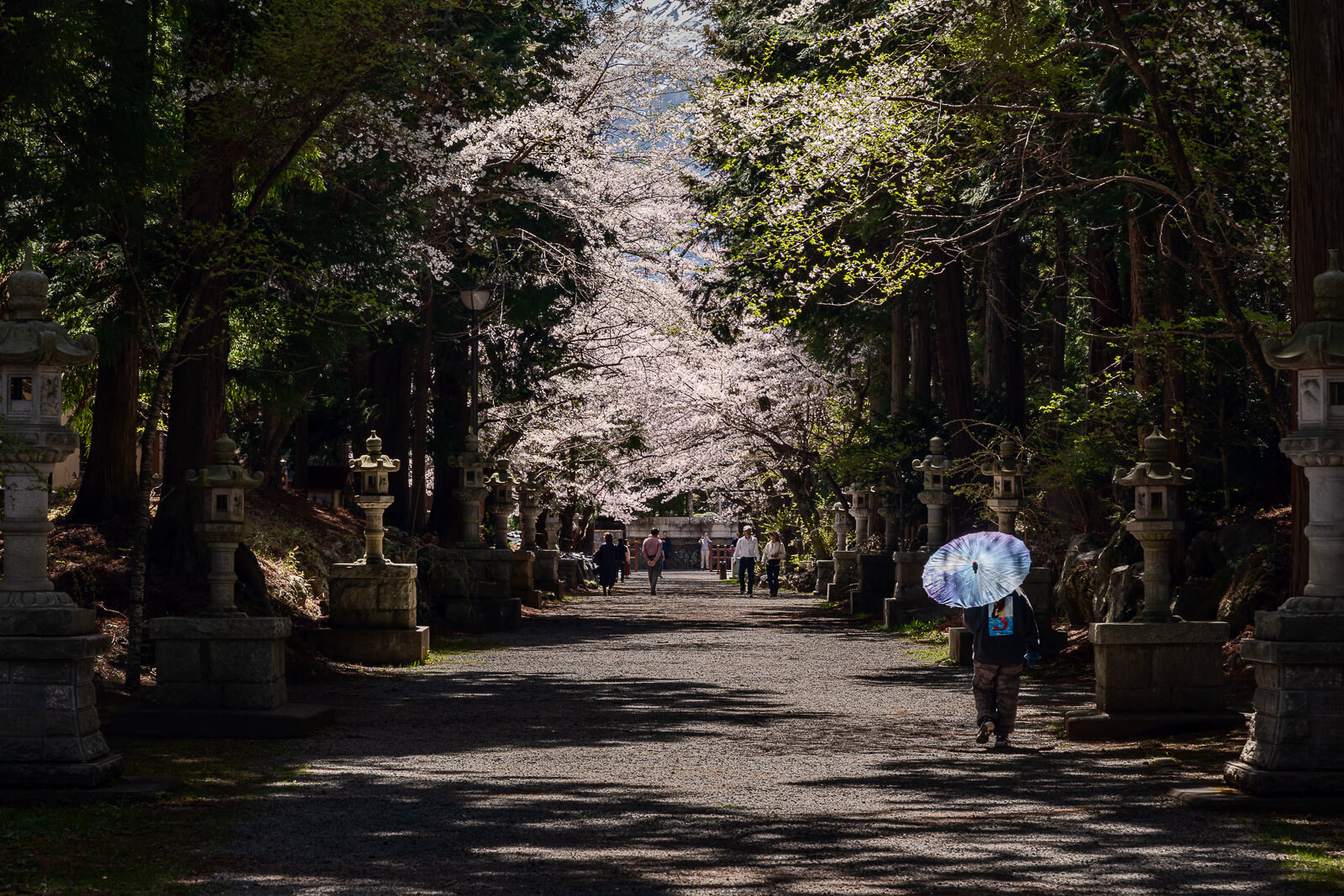
Spring spreads the attraction beyond one standout tree. Blossom-laden branches reach over the approaches, frame the torii and draw the eye toward the shrine buildings. Stone lanterns, shaded stretches of path and pale flowers against the sky give the walk a succession of views, making it worth looking back as well as ahead.
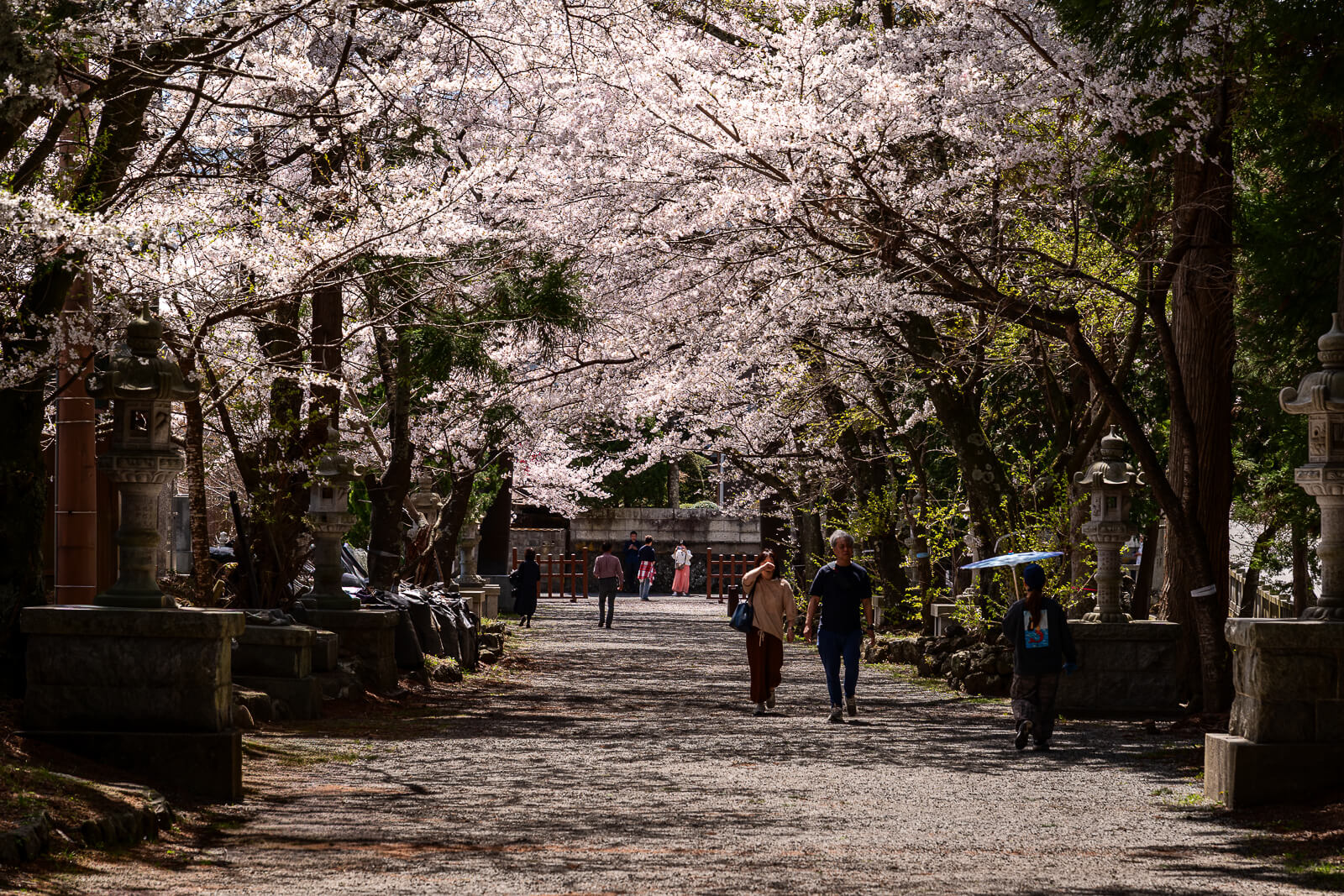
The flowers also change the way the buildings appear. A view through the torii brings the approach and blossoms together, while trees around the buildings give closer photographs a different setting. This is the season to leave room in the day for exploring those angles, instead of treating the shrine as a quick stop between larger attractions.
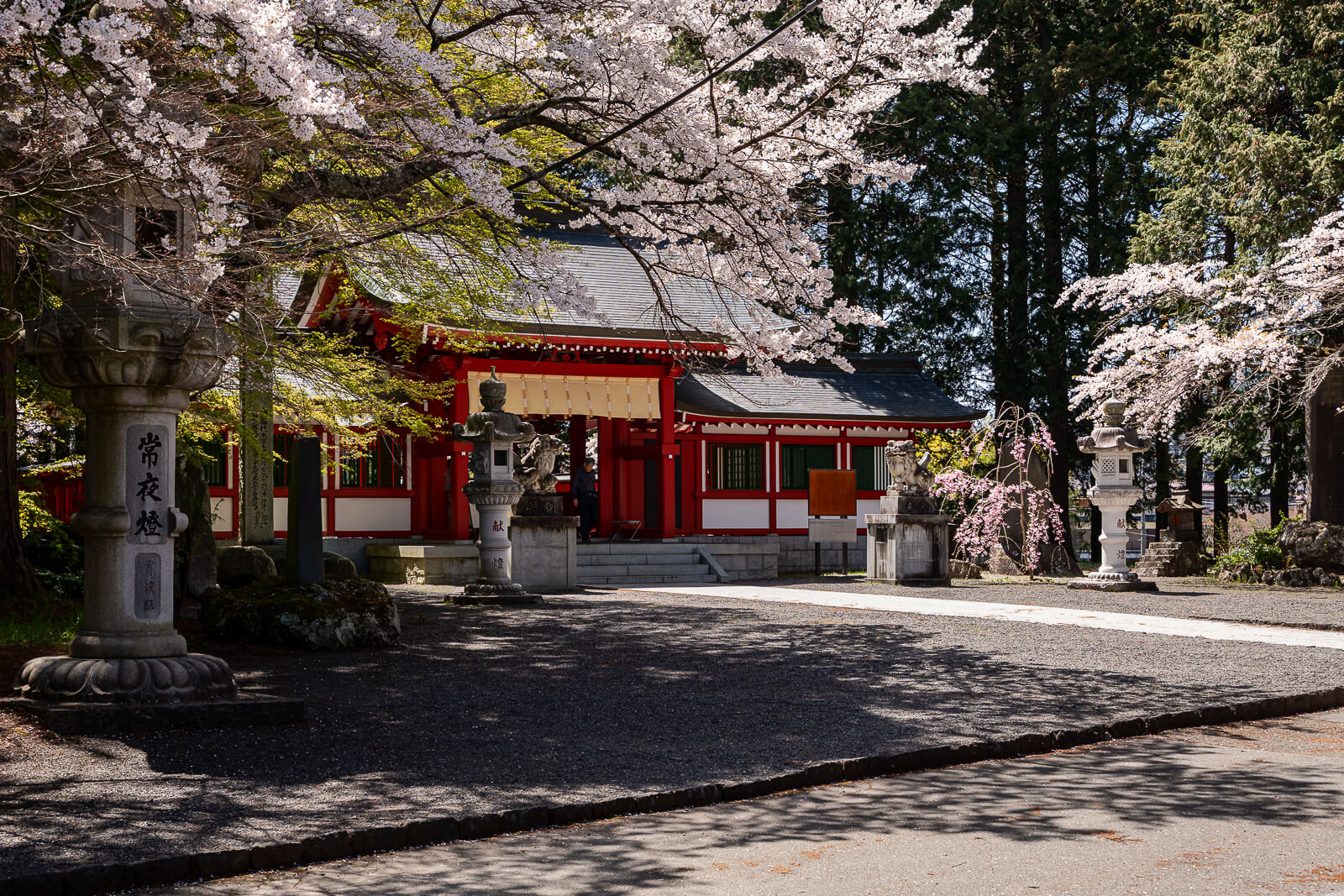
A spring visit can also include Jōzaiji Temple, a small Buddhist temple beside the shrine’s long approach, with its own cherry blossoms. It adds another setting to the walk and gives blossom enthusiasts a reason to spend longer in the immediate area. Keep time for both places if the flowers are the main attraction; the shrine alone need not account for the whole visit.
The ginkgo draws the eye toward the hall
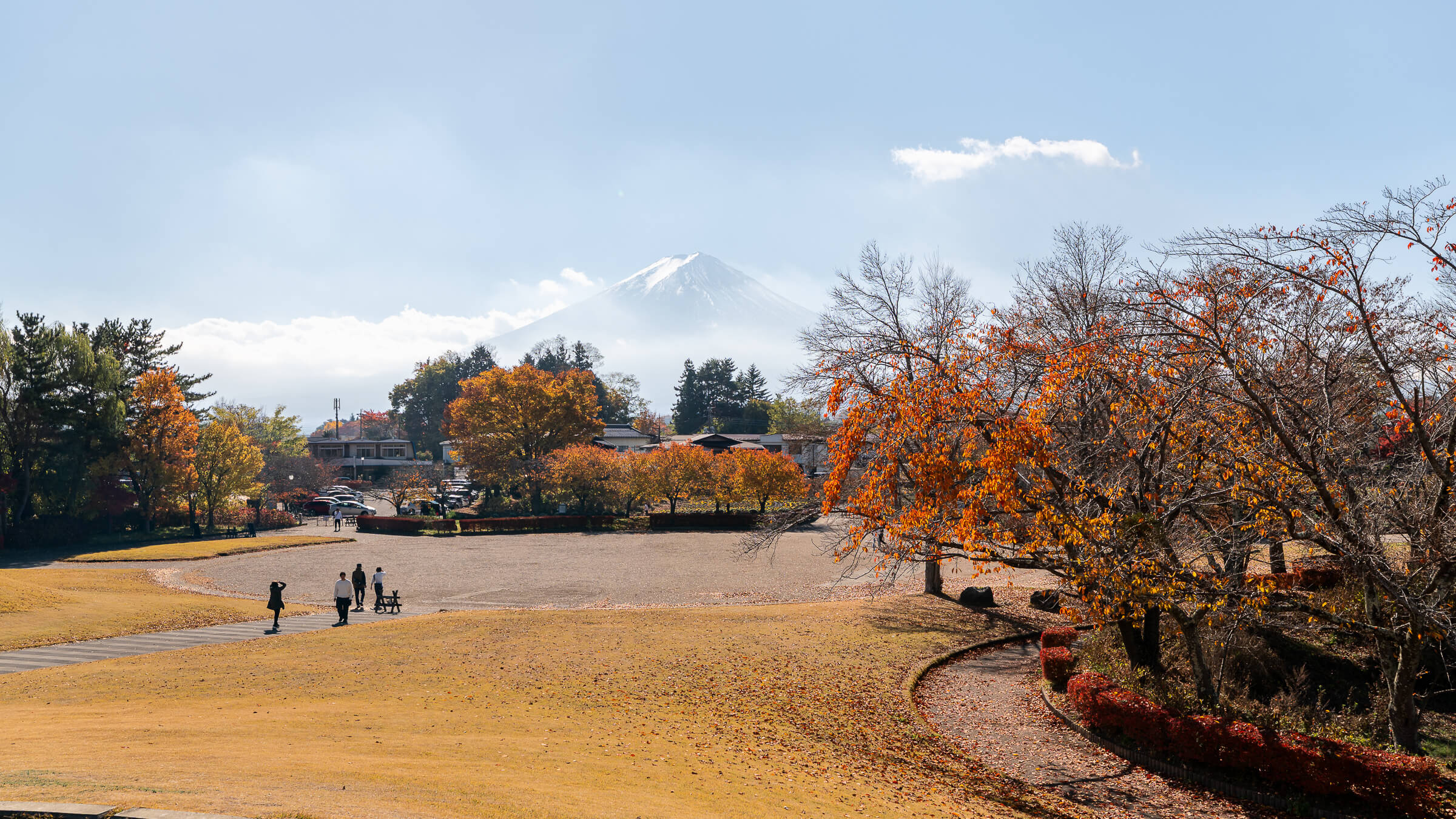
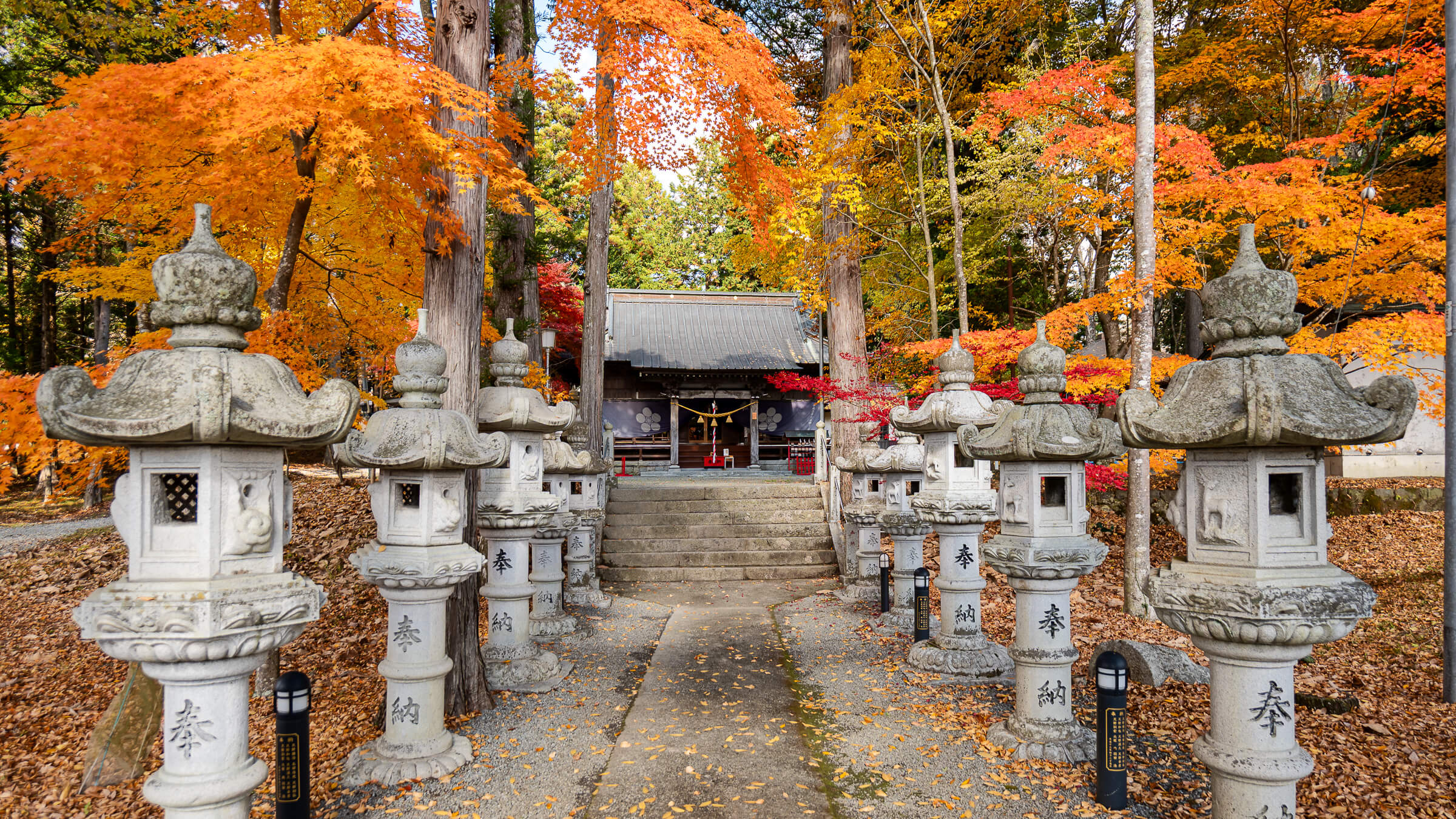
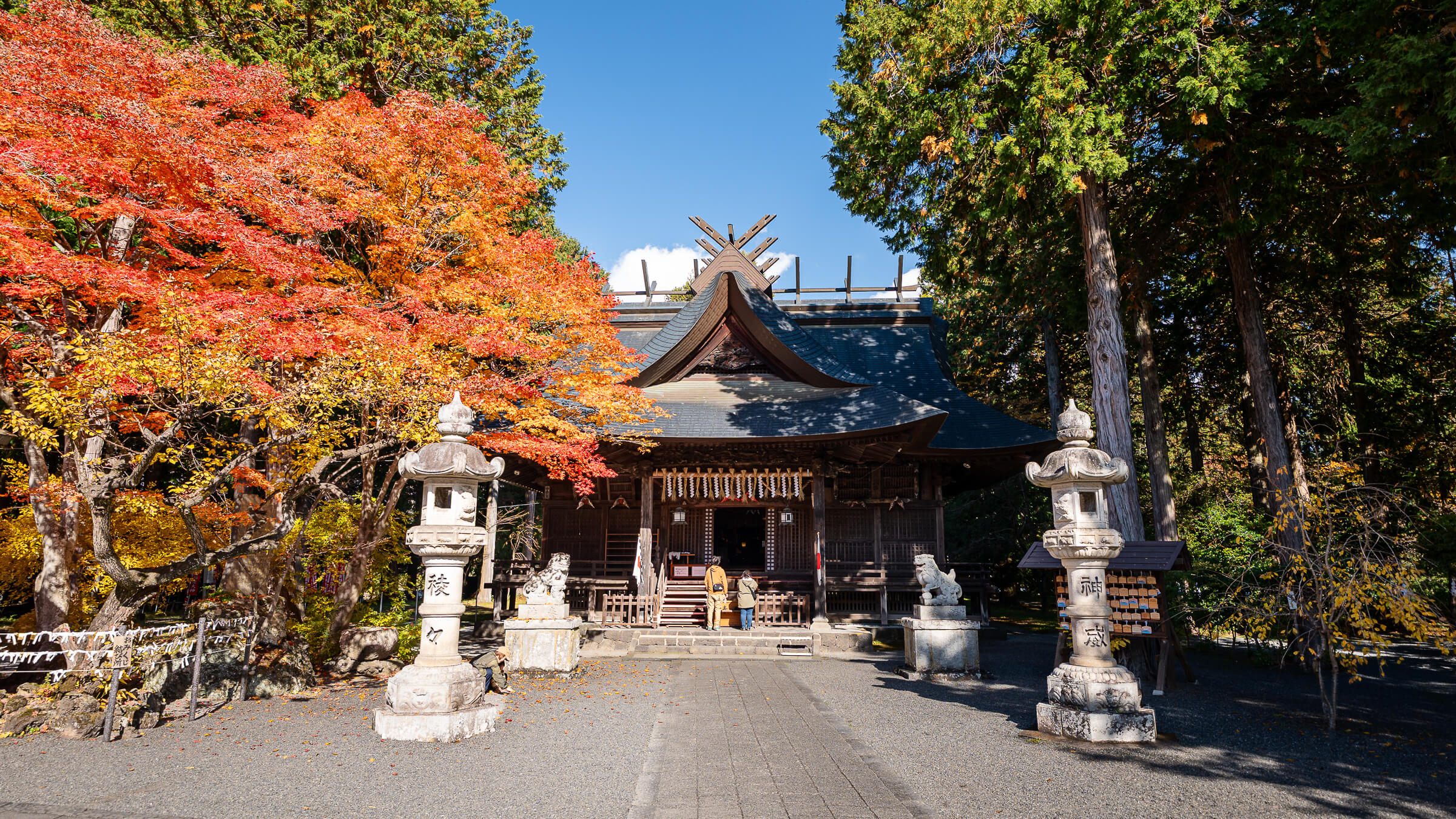
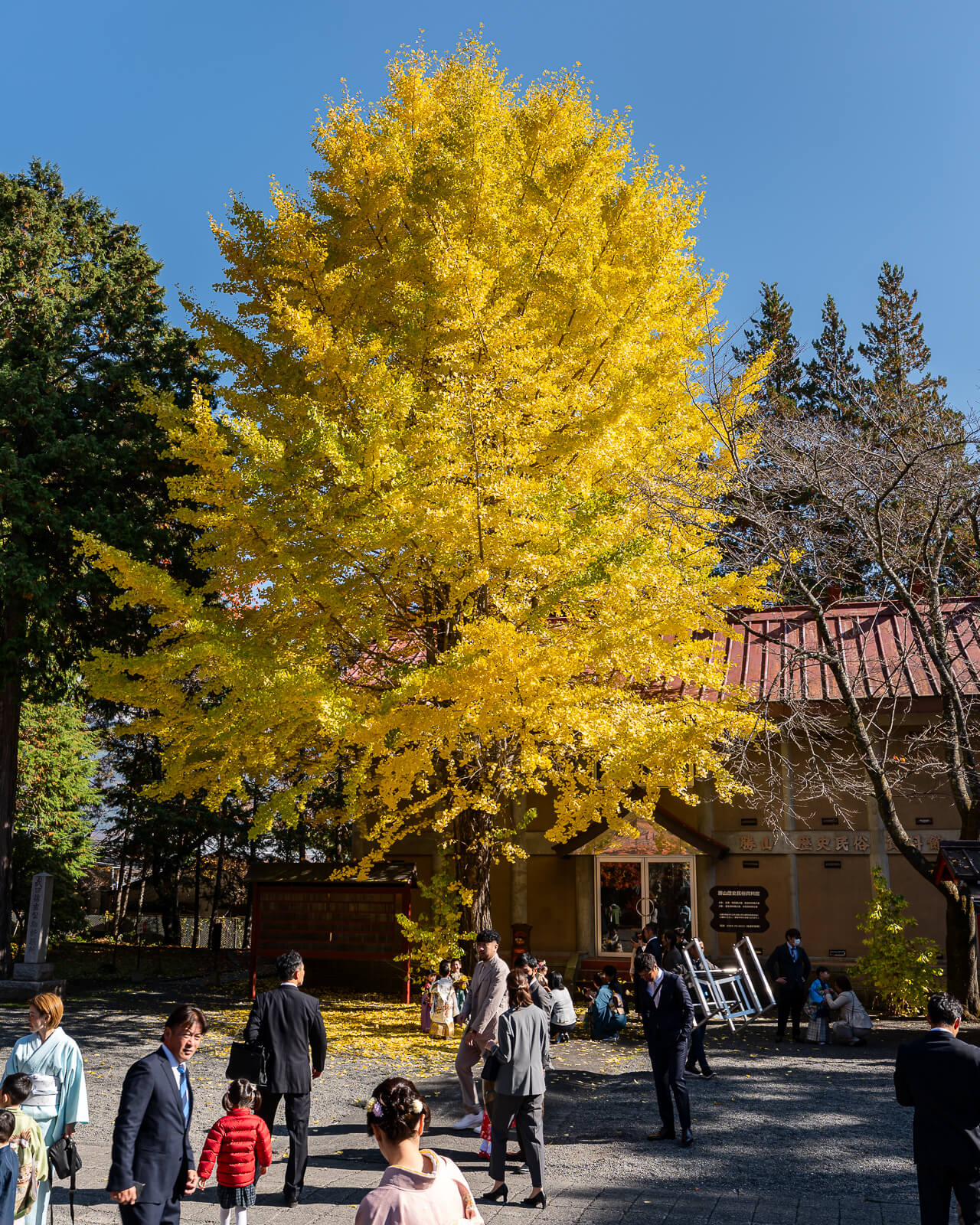
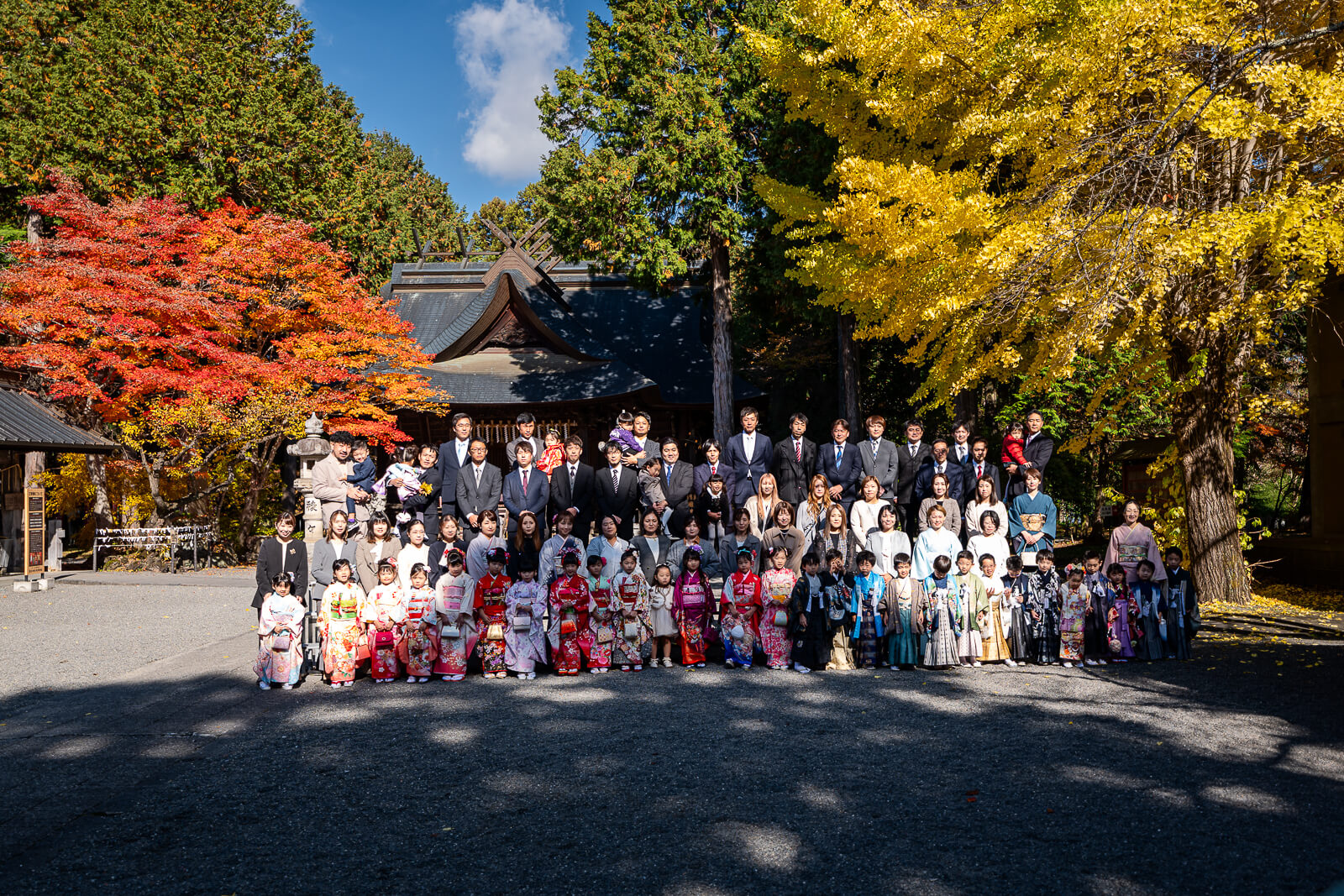
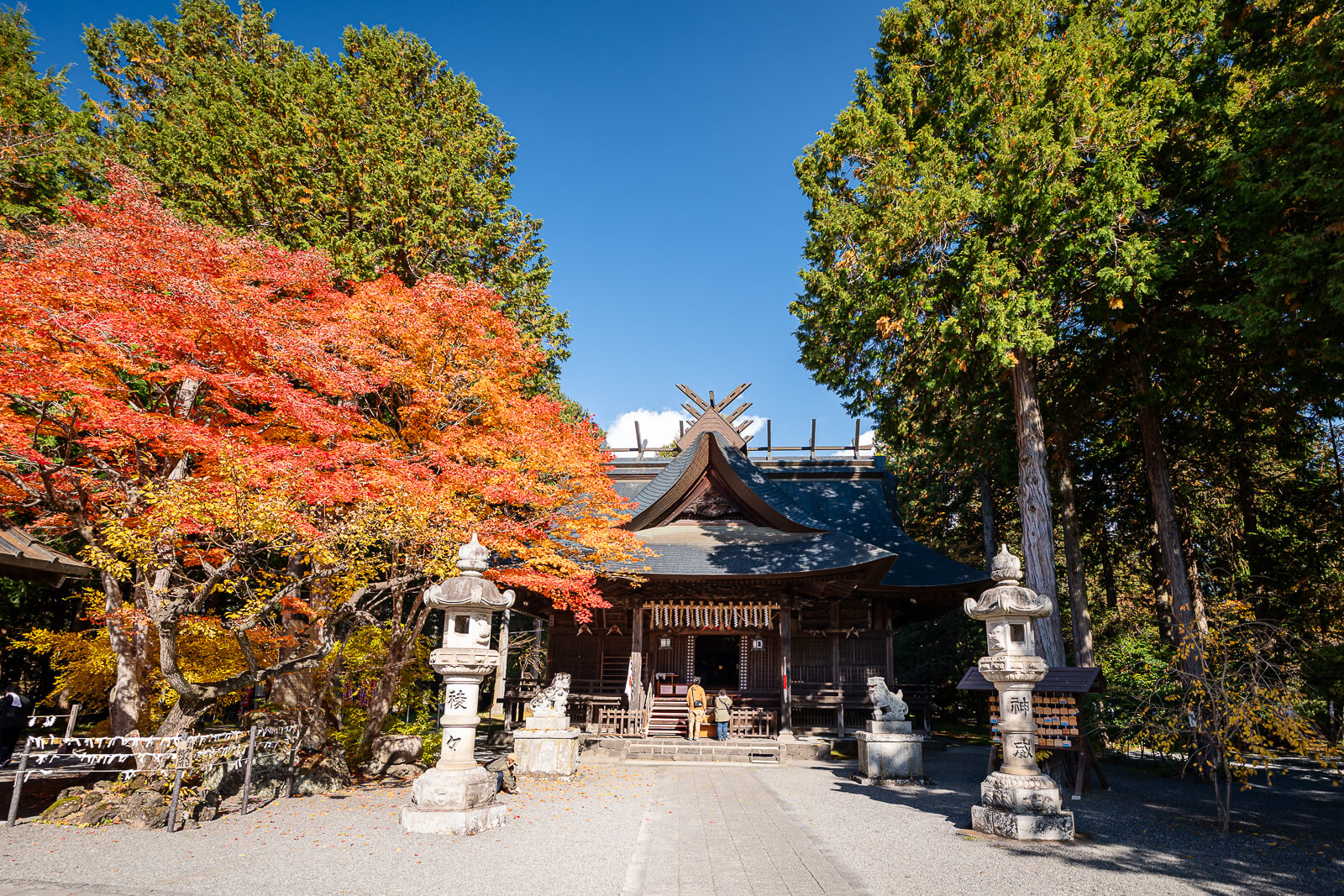
The large ginkgo is the tree that gives the autumn visit its strongest impression. Its yellow canopy changes the scene around the hall, where the concentration of color makes it worth pausing before exploring the rest of the grounds. Leaves elsewhere add smaller views, but this is the part of the shrine to give time when autumn color is the reason for coming.
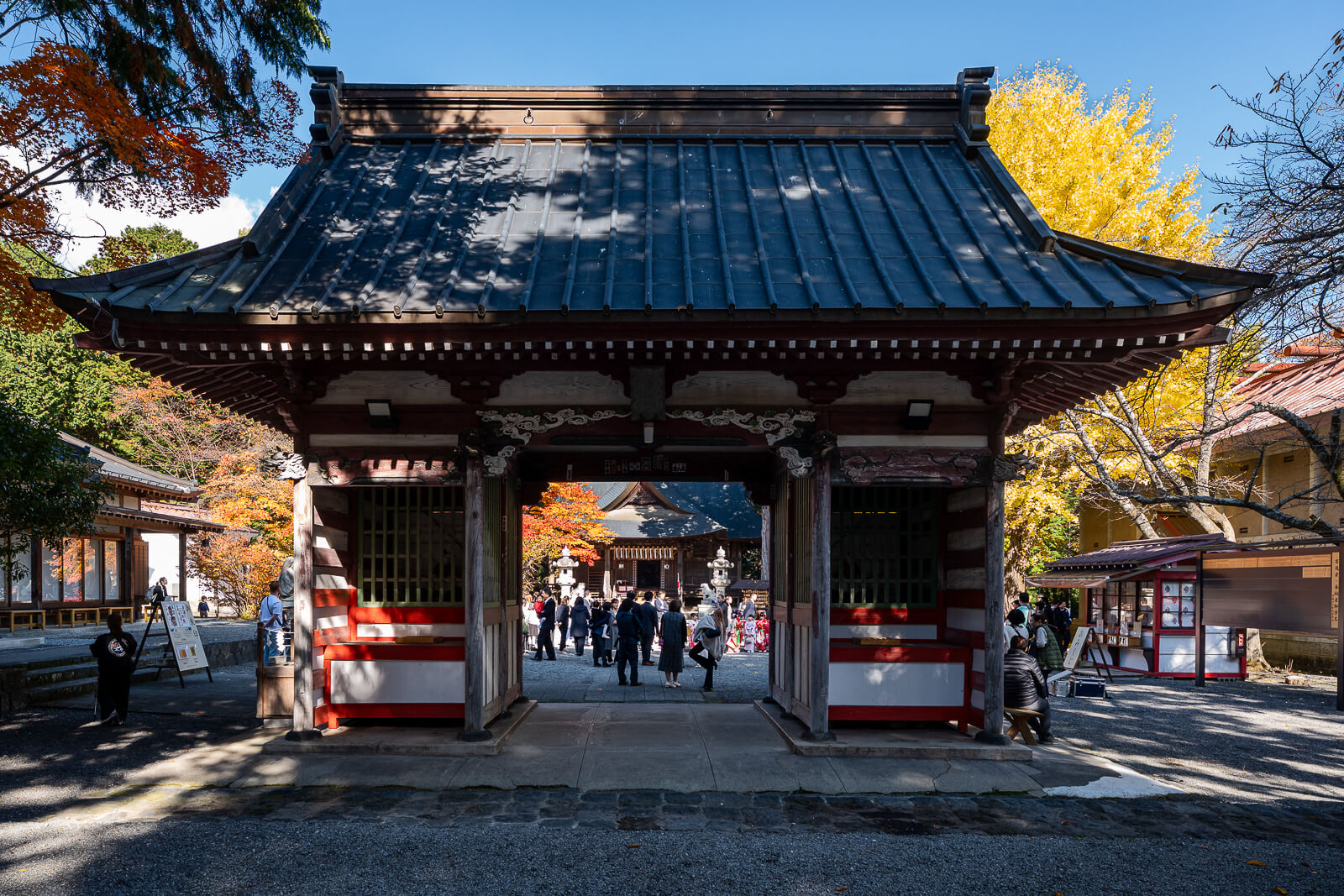
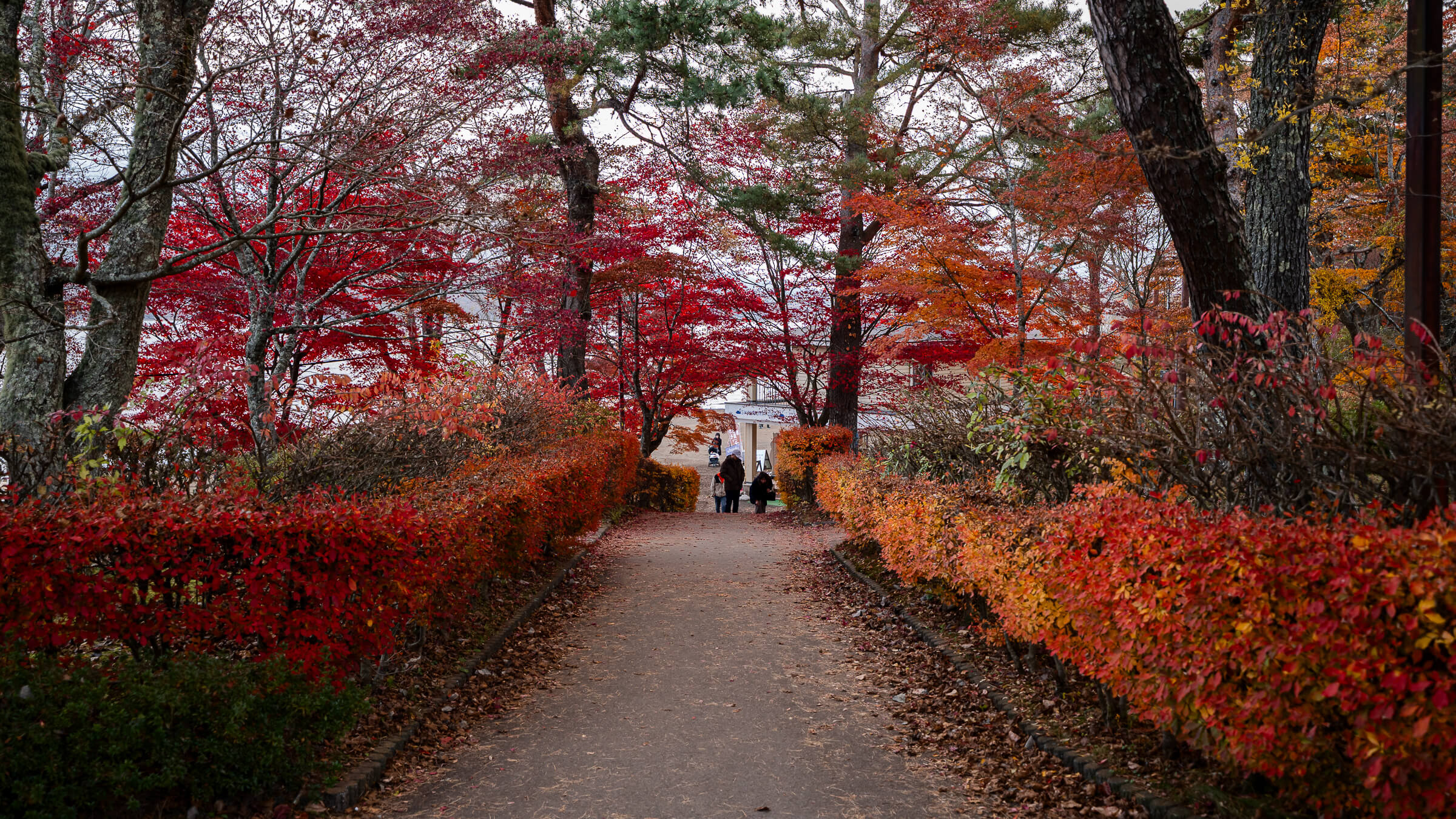
Red and orange leaves around the buildings make autumn more than a visit to the ginkgo alone. The approaches offer shaded views between trees and stone lanterns, while the small park opening outside the main road adds another patch of color to the surrounding area. Leave a little time to look beyond the main courtyard if the leaves are what brought you here.
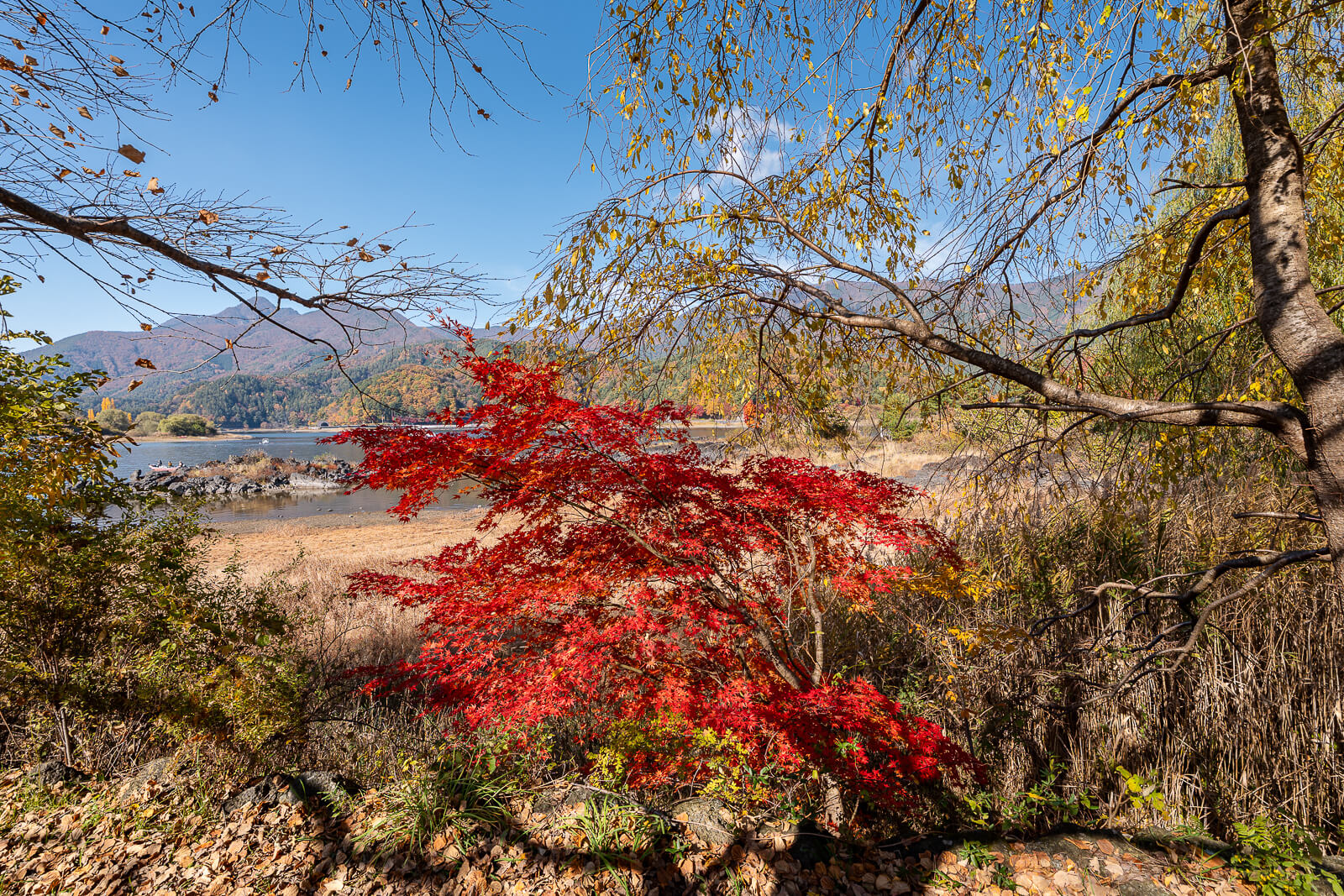
Bright foliage does not mean bright light everywhere. Trees and buildings leave parts of the precinct in shadow, creating a noticeable difference between an open view of the leaves and a closer photograph around the hall. Looking from several positions can reveal a better angle without needing to cover a large area.
The shrine is also a place people use, with visitors gathering, looking and taking photographs. A group beneath the ginkgo added interest without preventing others from walking around. That scene is a reminder to leave room for worshippers and enjoy the buildings as part of a living shrine, alongside their seasonal appearance.
Two shrines and a connection to the mountain
Many visitors arrive at the side entrance, where they can walk straight into the main courtyard. For a fuller appreciation of the approach, follow the side path through the wooded perimeter to the main torii, then enter along the tree-lined route toward the shrine buildings. The path gives the arrival its own appeal, with a view of the large gate before the walk into the precinct.
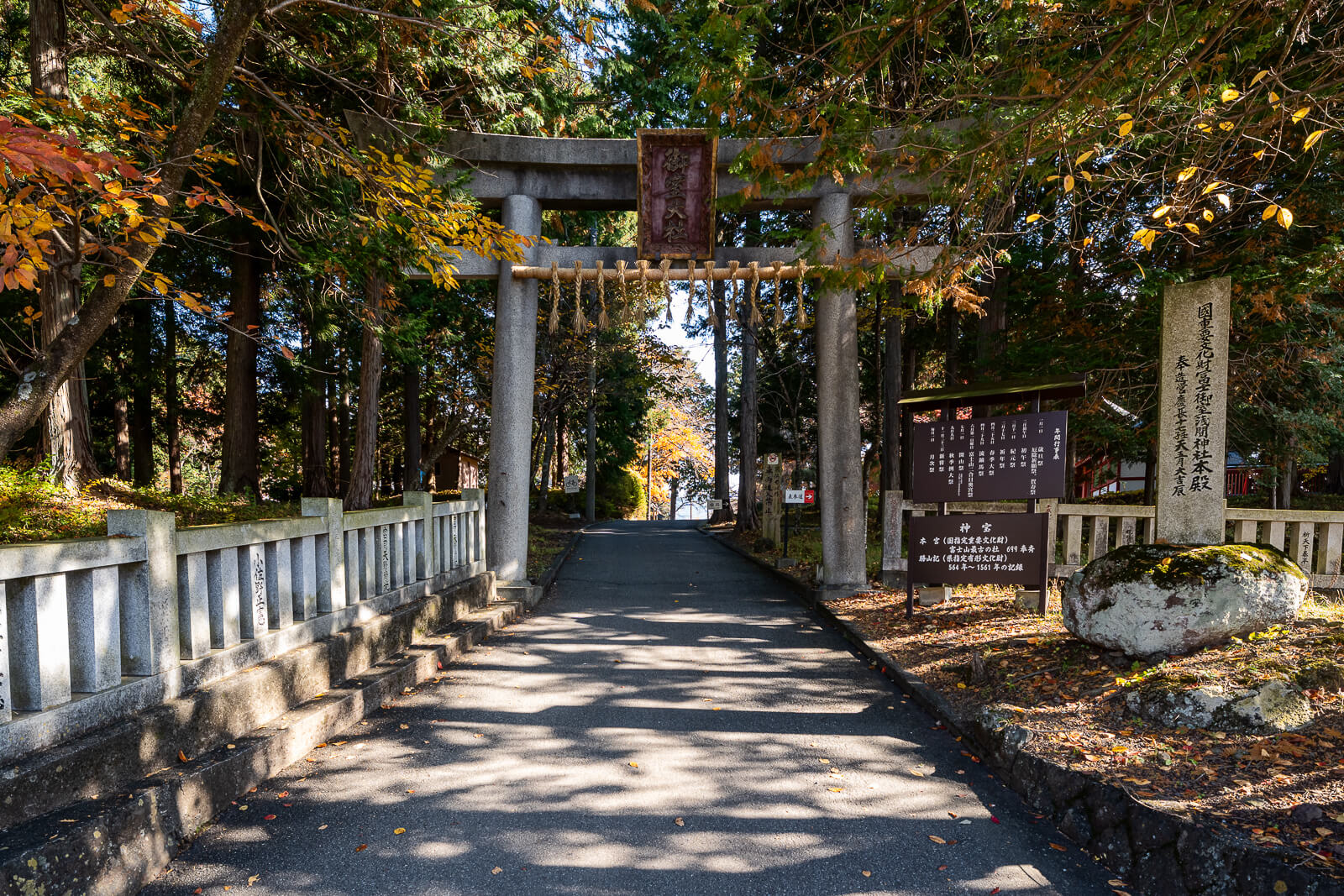
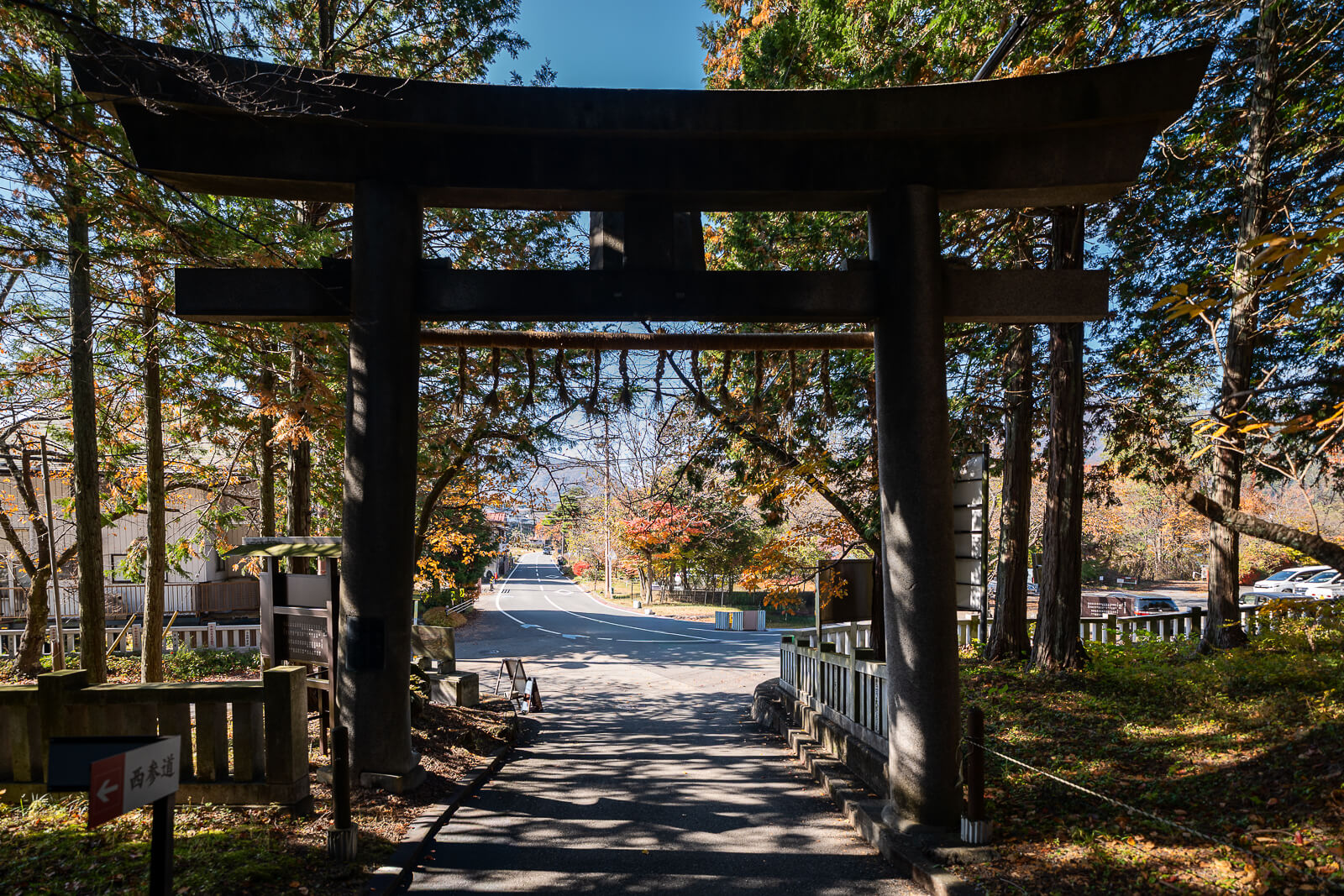
Either entrance works for a visit, but coming through the main torii is the recommended approach when time allows. Jōzaiji sits beside the long approach, while the lakeside road runs along the outer edge of the shrine area. Taking the perimeter path first lets the gate, trees and buildings unfold in sequence before exploring the courtyard.
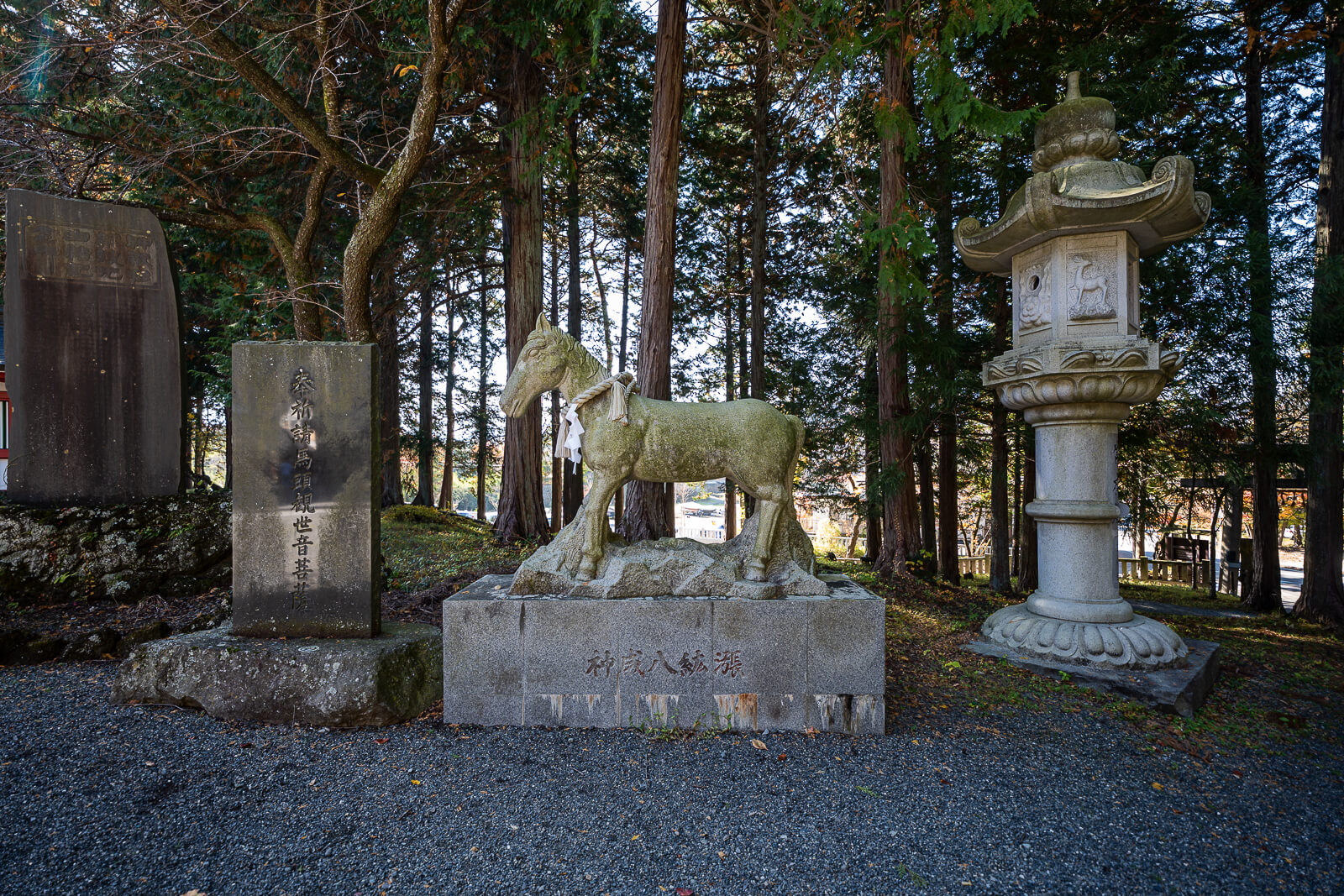
The site brings together the Hongu and Satomiya shrines, whose buildings face each other within the lakeside precinct. They have different origins, even though a visitor can see them together here. Understanding those two parts adds meaning to a visit that might otherwise revolve entirely around the trees.
The Hongu’s origins lie on Mount Fuji’s second station; its main sanctuary was later moved down to the lakeside grounds for preservation. The Satomiya served worshippers at the foot of the mountain. Together, they explain why this shrine belongs to Mount Fuji’s World Heritage cultural landscape: the connection is to the mountain’s history of worship, as well as its appearance on the horizon.
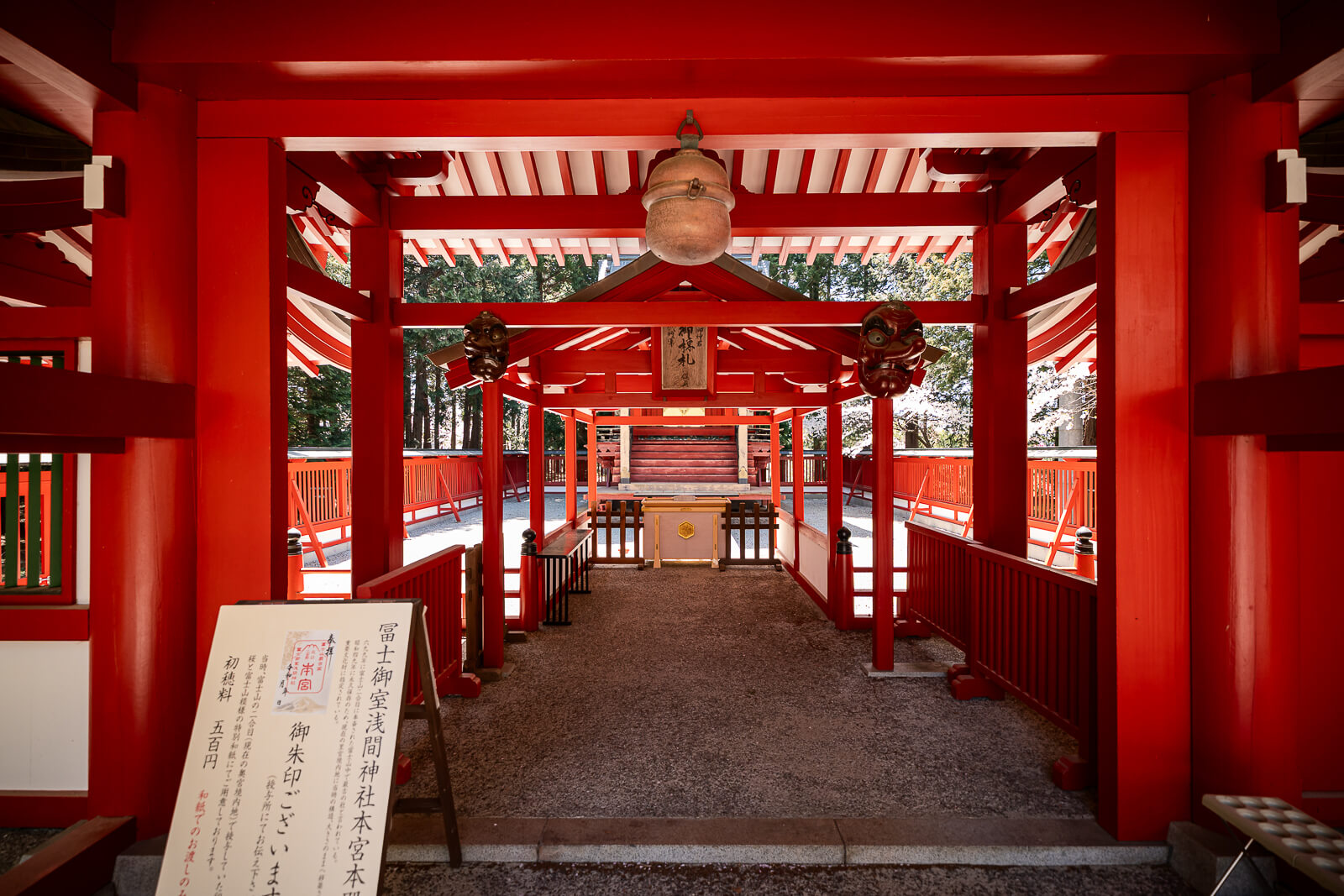
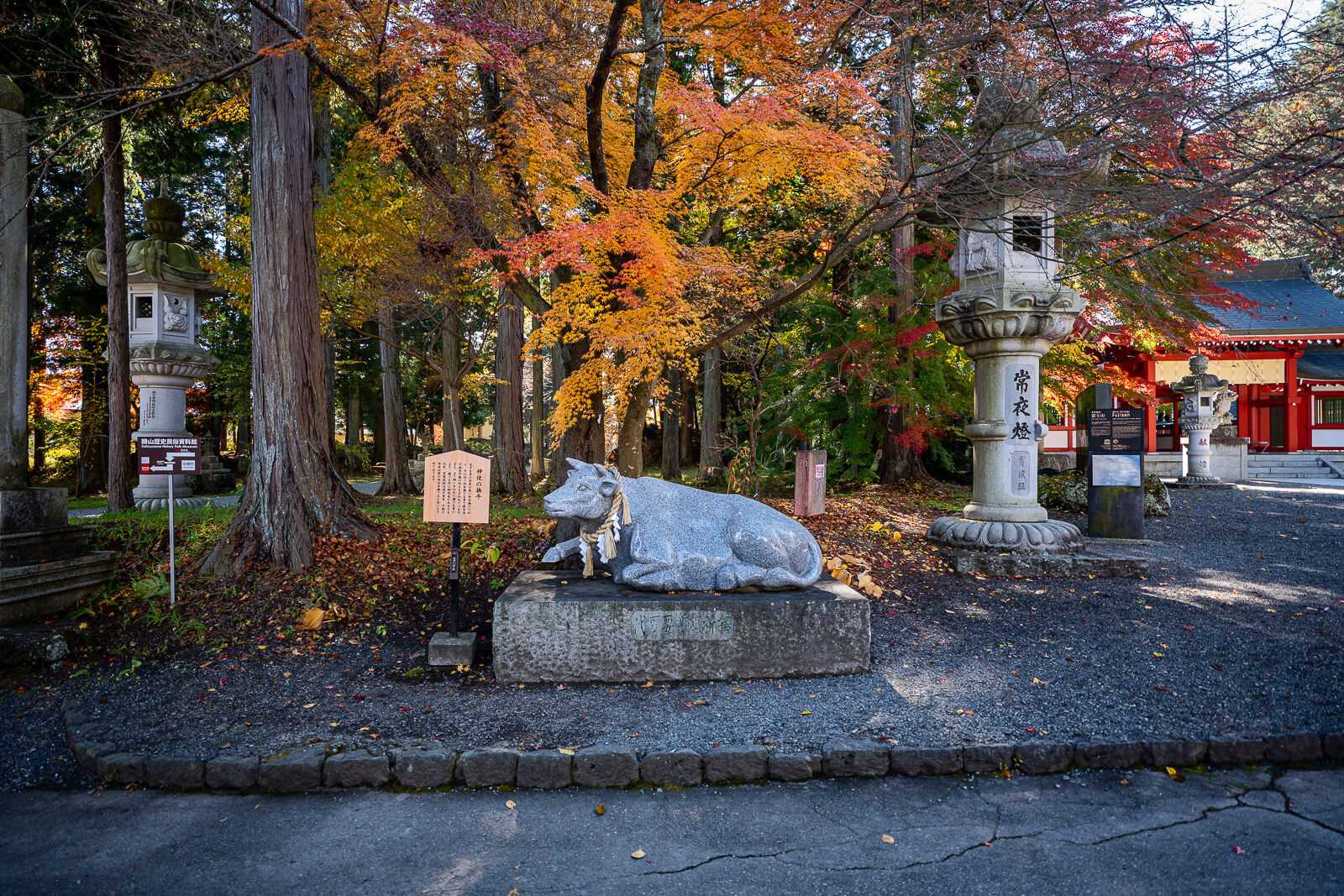
There is no need to turn a short visit into a survey of every building. Give the gates, the two shrine buildings and the trees time to register, then decide whether to linger. The seating areas offer somewhere to pause, while visitors collecting goshuin can go to the administrative office beside the main hall and courtyard.
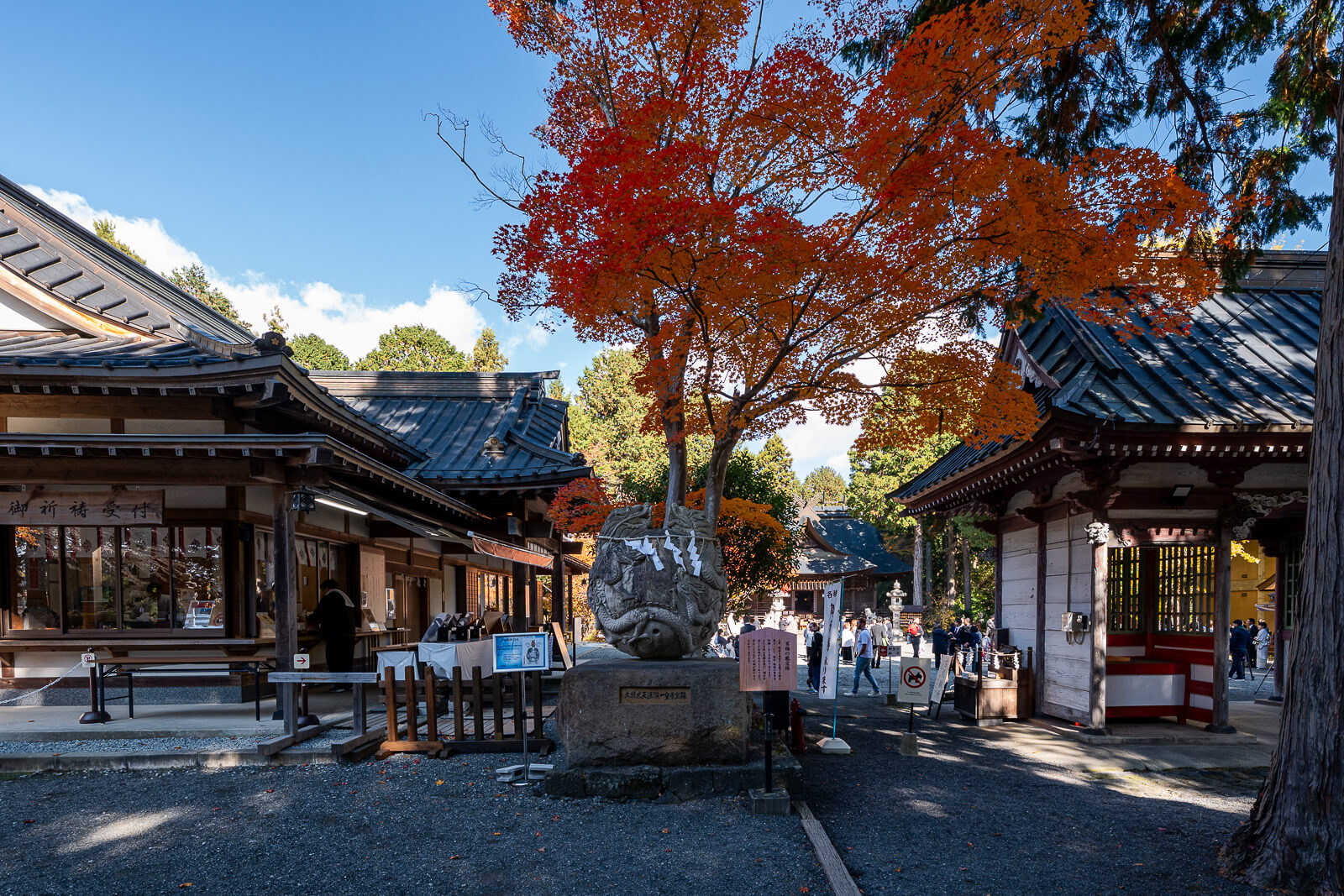
Allow half an hour, or stay for the photographs
The compact grounds make Fuji Omuro a manageable addition to a day around Lake Kawaguchi. Roughly 30 minutes allows time to look around without making this the day’s main attraction. Cherry blossoms can turn that short stop into a longer visit, particularly when including the small temple, while photographers and visitors requesting a goshuin may also want extra time.
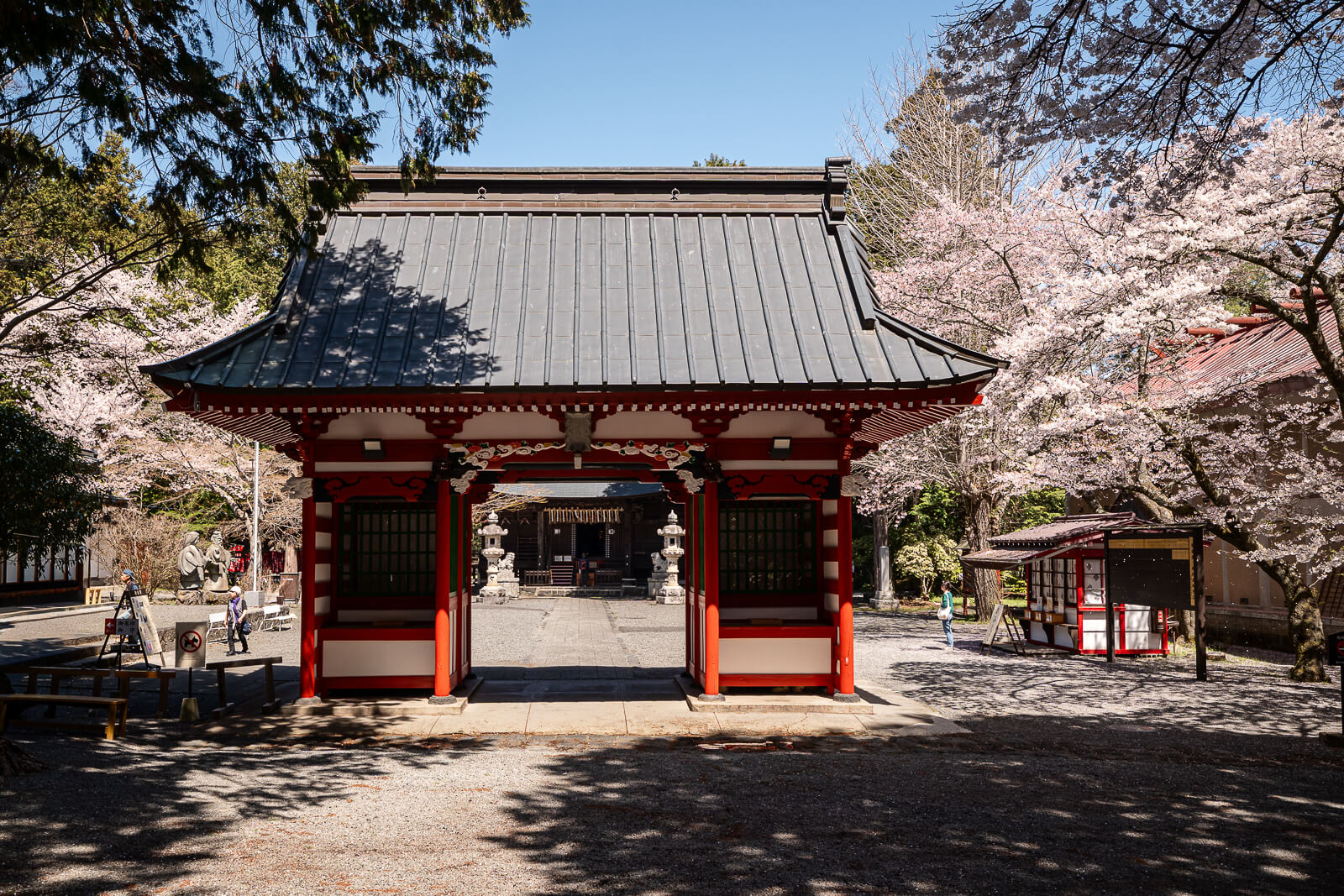
When to visit: spring blossoms or autumn leaves
Choose cherry blossom season for the strongest seasonal visit. The flowers give the approaches, gates and buildings a shared setting, and the small temple adds another reason to stay in the area. April is a useful starting point for planning a cherry blossom visit, but check the current season before choosing a day; the flowering calendar can shift from year to year.
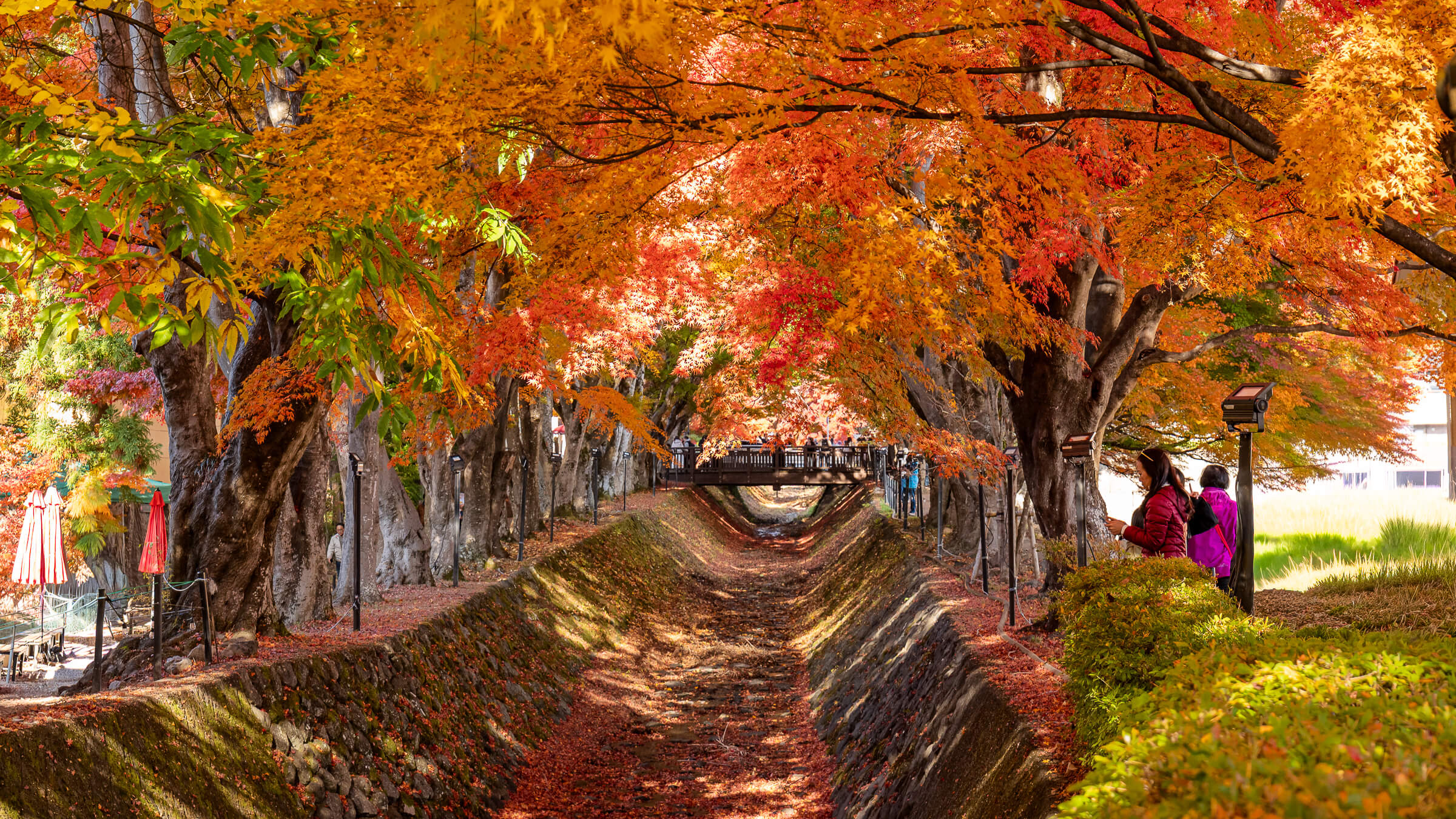
For an autumn trip, the Maple Corridor provides a useful clue to conditions around the lake. If its leaves are looking good, Fuji Omuro is a promising addition to the same outing, with color in the surrounding area as well as the shrine grounds. Individual trees can be at different stages, so treat that as a reason to include the stop, not a guarantee that the ginkgo and every maple will peak together.
Outside those seasons, the shrine still earns a place on a circuit of the lake. The main torii approach, buildings and mountain history provide a visit that does not depend on blossoms or yellow leaves. Give it a short stop when passing through, and leave more room in the day when the seasonal scenery is the main attraction.
Add it to a day around Lake Kawaguchi
Fuji Omuro fits a day around Lake Kawaguchi in spring and autumn, with several of the same areas rewarding a return in the other season. In spring, cherry blossoms line the north-shore waterfront near the Maple Corridor area, giving a lakeside walk a different setting from the blossom-covered shrine approaches. Combining the two brings the water, flowers and shrine buildings into one outing.
In autumn, the Maple Corridor offers the walk beneath red leaves, while Fuji Omuro adds the yellow ginkgo and foliage around its buildings. Give the corridor the first part of the morning when possible, before the busiest hours, then continue around the lake to the shrine. The same broad outing works in both seasons, with the waterfront blossoms drawing attention in spring and the maple-lined channel in autumn.
Nearby Yagizaki Park is worth including in either season, with spring blossoms or autumn color alongside its open lawns and views across the water. It also has a Mount Fuji view when the weather permits, giving a shrine-and-park combination variety without requiring another major attraction. Its open setting complements the tree-lined approaches and buildings at Fuji Omuro, whether the day is planned around flowers or foliage.
Drivers can connect the stops around the lake, while visitors using buses should check the services for each shore before committing to them all. Rental-bike riders are a familiar sight around the lake, and a bicycle is another way to explore if the route and rental arrangements fit the day. Choose the stops that leave time to enjoy the trees and views, with Fuji Omuro earning either a short visit on the way or a longer seasonal stop.
For an autumn trip taking in more of the Fuji Five Lakes area of Yamanashi, Autumn Near Mount Fuji: Kawaguchiko or Yamanakako compares the two lakes and the effect of travelling by car or public transport. In either season, the shrine also connects the lake visit to the wider story of Mount Fuji, its places of worship and viewpoints. Spring blossoms and autumn leaves provide different reasons to come, while the gates, buildings and mountain connection give the visit its lasting appeal.
Getting There
For travel from Tokyo, plan the Tokyo to Kawaguchiko journey first, then the local connection from Kawaguchiko Station to the shrine.
Route at a Glance
From Kawaguchiko Station, take the Saiko sightseeing bus (Green Line) to Fuji Omuro Sengen Shrine. A car makes it easier to combine the shrine with other stops around Lake Kawaguchi; free shrine parking is available.
- By bus
Kawaguchiko Station → Green Line sightseeing bus → Fuji Omuro Sengen Shrine stop
About 16 minutes by bus · Walk from the bus stop to the shrine entrance. · Kawaguchiko Station is the nearest train station. Check the current timetable and your return service.
- By car
Fuji Omuro Sengen Shrine → shrine parking → entrance
Journey time depends on your starting point and seasonal traffic. · 3951 Katsuyama, Fujikawaguchiko. Free shrine parking is available. · A car makes it easier to combine the shrine with Yagizaki Park and other lakeside stops.
Main torii approach: From the side entrance, follow the wooded perimeter path to the main torii for the full approach, or enter the courtyard directly.
Hours and Fees
Visitor information
Fuji Omuro Sengen Shrine beside Lake Kawaguchi is free to visit. Plan a daylight visit for the grounds, blossoms and foliage; goshuin and other shrine services depend on office opening hours.
- Hours
- Shrine office: 9:00 AM–4:00 PM Prayer reception: 9:30 AM–3:30 PM The office may close earlier for external duties.
- Admission
-
Shrine grounds: free Shrine parking: free Goshuin and other optional contributions are separate; confirm arrangements at the office.
Plan Your Visit
Plan Your Visit
Build your Lake Kawaguchi visit around the season, your transport and the time you have. These options can help with a day trip or a longer stay.
Stay by Lake Kawaguchi
Give yourself time for the shrine, lakeside walks and seasonal color with a stay around Kawaguchiko.
Browse Kawaguchiko stays
Compare car rentals in Kawaguchiko
Compare Booking.com car rentals in Fujikawaguchiko for stops around both lakes. Select Kawaguchiko Station as the pickup area, then check the rental office, opening hours and return arrangements.
Compare Kawaguchiko car rentals
Explore the Mount Fuji Area
Compare guided outings around Mount Fuji and the lakes. Check the actual stops before booking.
Explore Fuji tours
Take the Fuji Excursion from Tokyo
Compare Fuji Excursion tickets from Shinjuku to Kawaguchiko. Check travel dates, departure times and seat availability, then plan the onward journey to your lakeside stops.
Check Fuji Excursion tickets
Keep Maps Close at Hand
Use mobile data for directions, bus information and the next stop. Check device compatibility and coverage.
Compare Japan eSIMs
Compare the nationwide Japan Rail Pass
Consider a Japan Rail Pass for a wider itinerary through Tokyo, Kyoto, Osaka and beyond. Compare its cost with individual tickets; the Fujikyu section from Otsuki to Kawaguchiko requires separate payment.
Compare Japan Rail Pass options
Reader note: Japan Unfolded may earn a commission from some links at no extra cost to you.