A Garden Stop That Works Best From the Upper Gate
Hakone Gora Park is a terraced Western-style garden in central Hakone, western Kanagawa Prefecture. The fountain, rose beds, greenhouses, cafés, tea rooms, and craft studios spread across the hillside between Gora and Koen-kami stations. It suits travelers who want a flexible stop that can remain brief or expand into lunch, crafts, and a Gora half day.
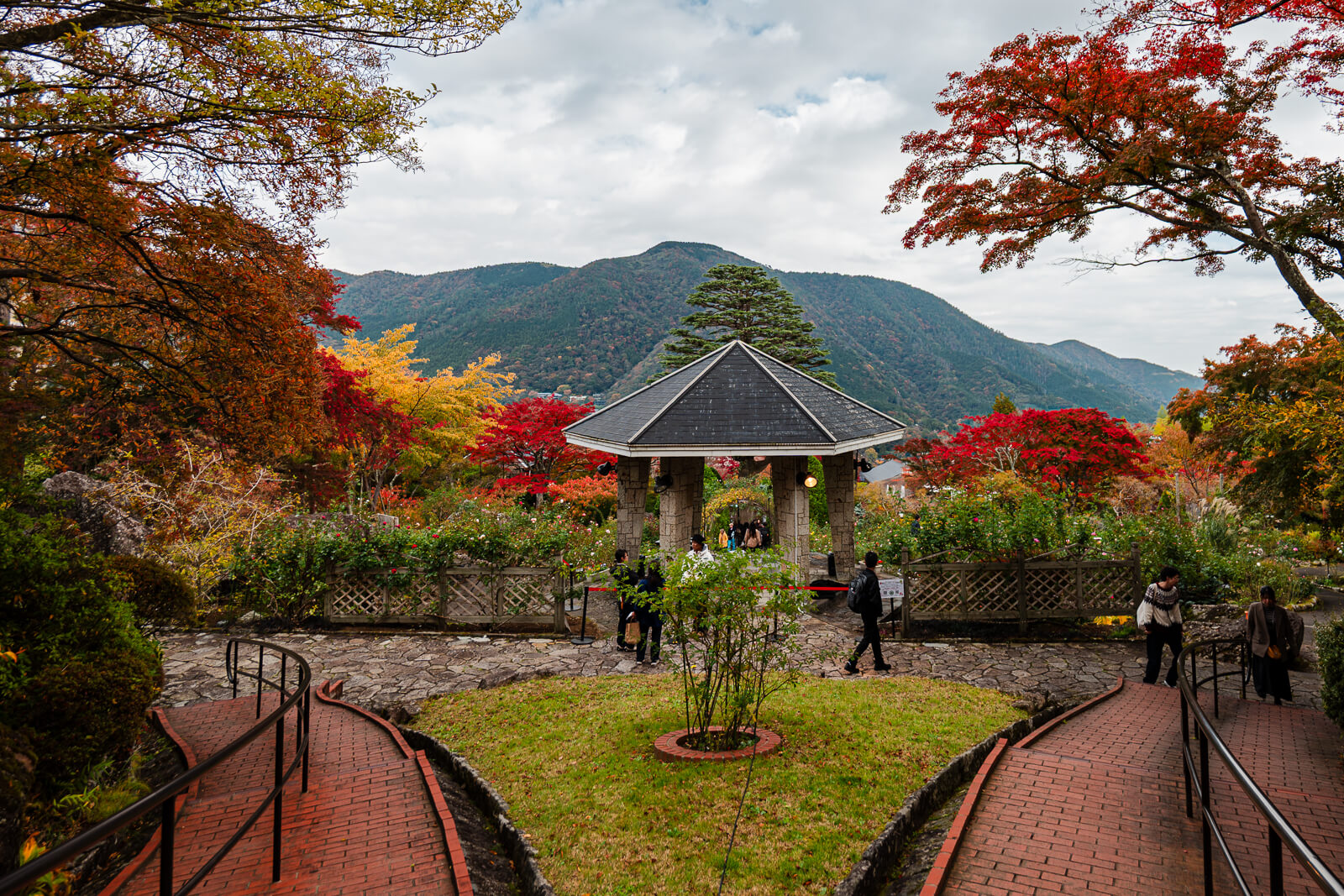
The gate choice matters more than the compact map suggests. The West Gate sits beside the Hakone Museum of Art and Shinsenkyo Garden, about 40 meters above the Main Gate. Starting on the museum side turns most of the visit into a downhill route toward central Gora.
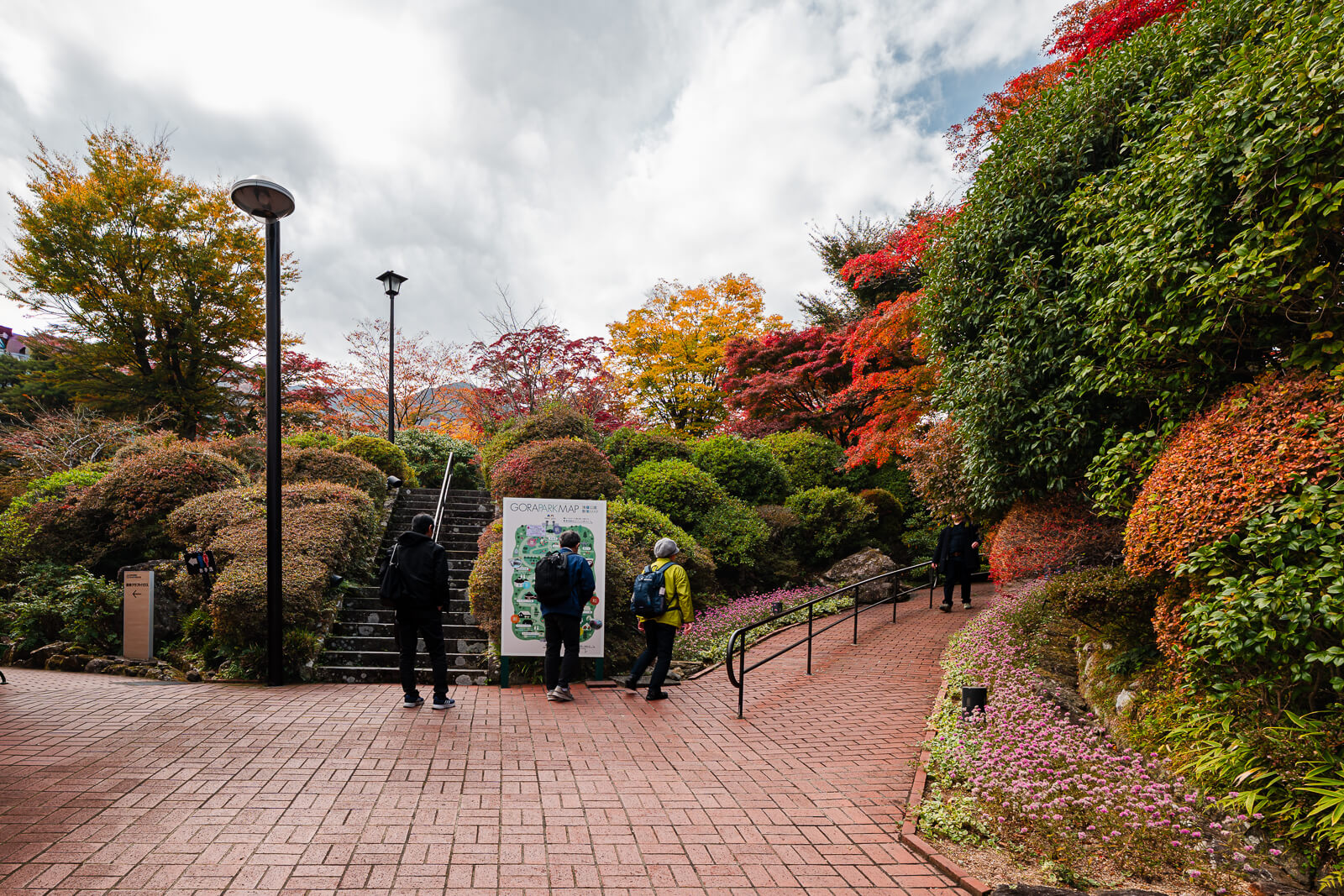
A direct garden walk usually takes 30 to 60 minutes. Photography, matcha, lunch, or a Craft House workshop can expand that to 60 to 90 minutes or longer. This makes Gora Park useful as both a quick scenic stop and a satisfying break in a museum-and-garden day.
Why This French-Style Park Sits on a Hakone Hillside
Gora Park opened in 1914 as Japan’s first French-style garden, created while Gora was developing as the planned terminus of the mountain railway. Designer Shichigoro Isshiki had to adapt a formal European idea to terrain that was anything but broad and level. The result placed a symmetrical fountain garden, stonework, paths, and planted terraces across a rocky volcanic hillside.
The original park extended farther uphill. Its Japanese garden occupied the land that later became the Hakone Museum of Art and Shinsenkyo Garden, while the surviving lower section retained the French formal design. That shared history helps explain why the two gardens sit so naturally beside one another and work well as a single Gora sequence.
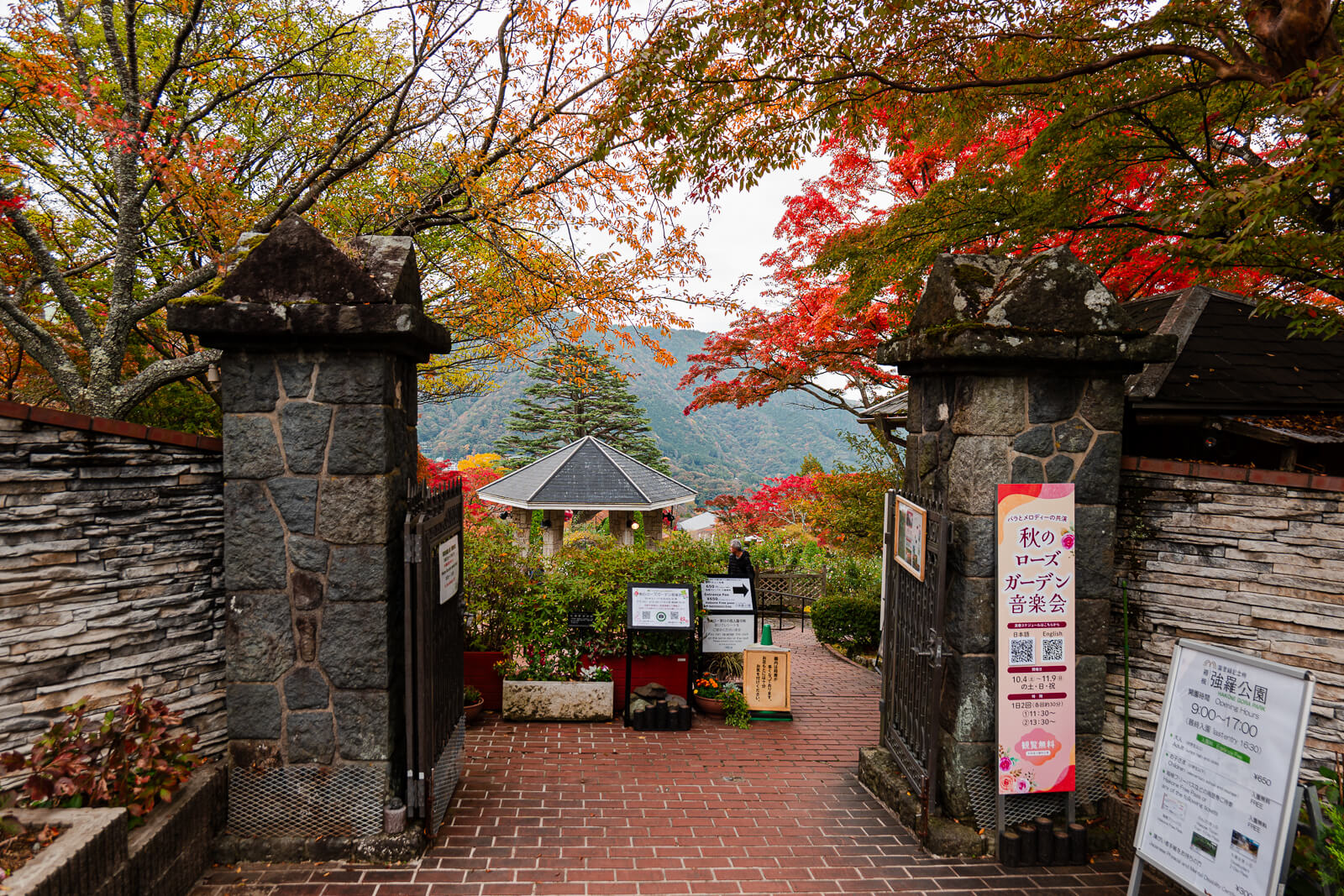
Several surviving features are recognized as National Registered Monuments, including the fountain pond, Main Gate, stone stairs and walls, and Hakuun-do tea garden. The history remains visible in the route itself, so it does not depend on stopping for a separate interpretive display. The Main Gate and stonework are part of the attraction, not merely infrastructure around it.
What the Hillside Changes About the Visit
The fountain may be the visual center, but the hill controls how the visit feels. Terraces, sloping paths, and stairs connect the upper West Gate with the lower Main Gate, creating changing views across the water and surrounding planting. The compact map can therefore make the park look easier than it feels when approached from below.
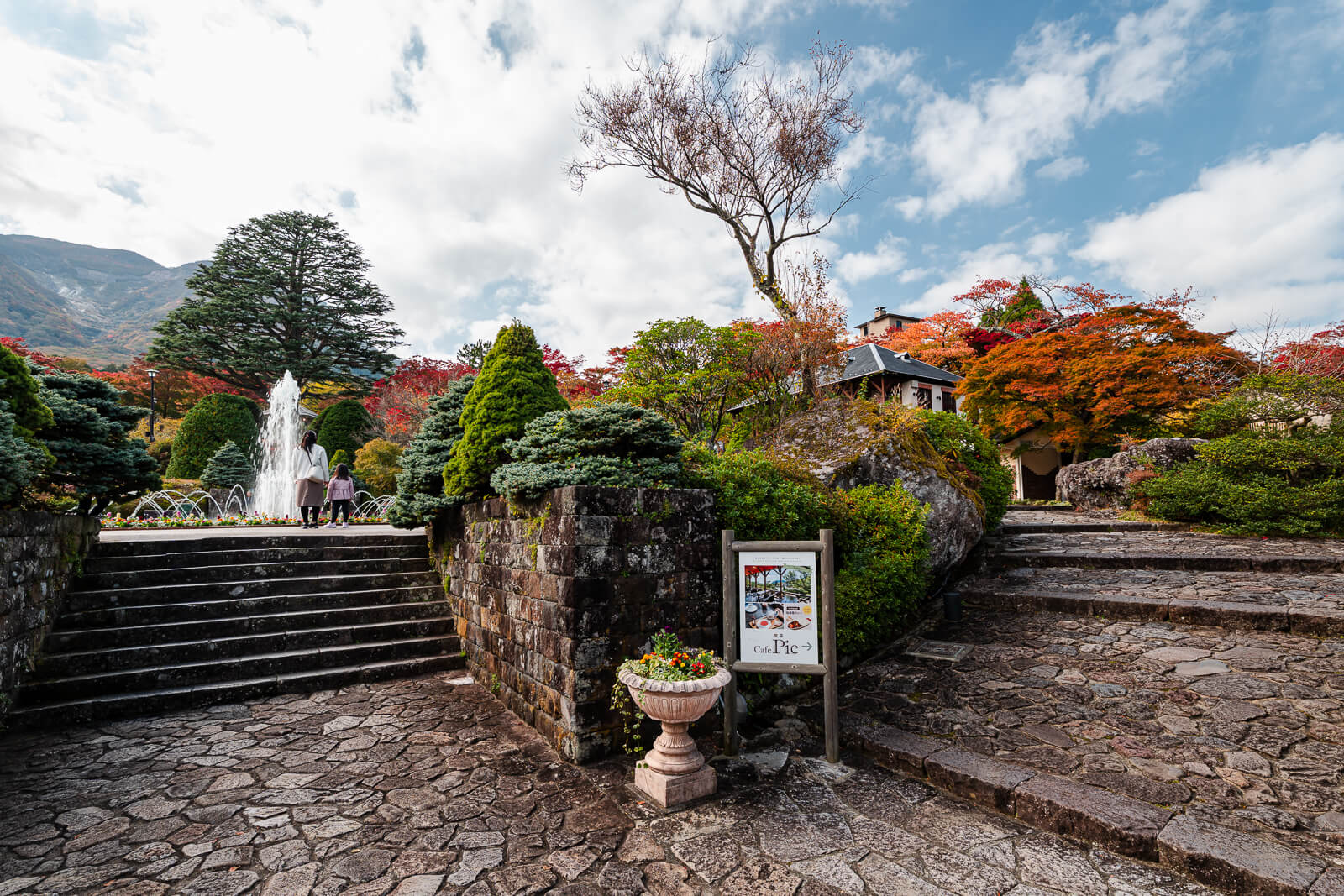
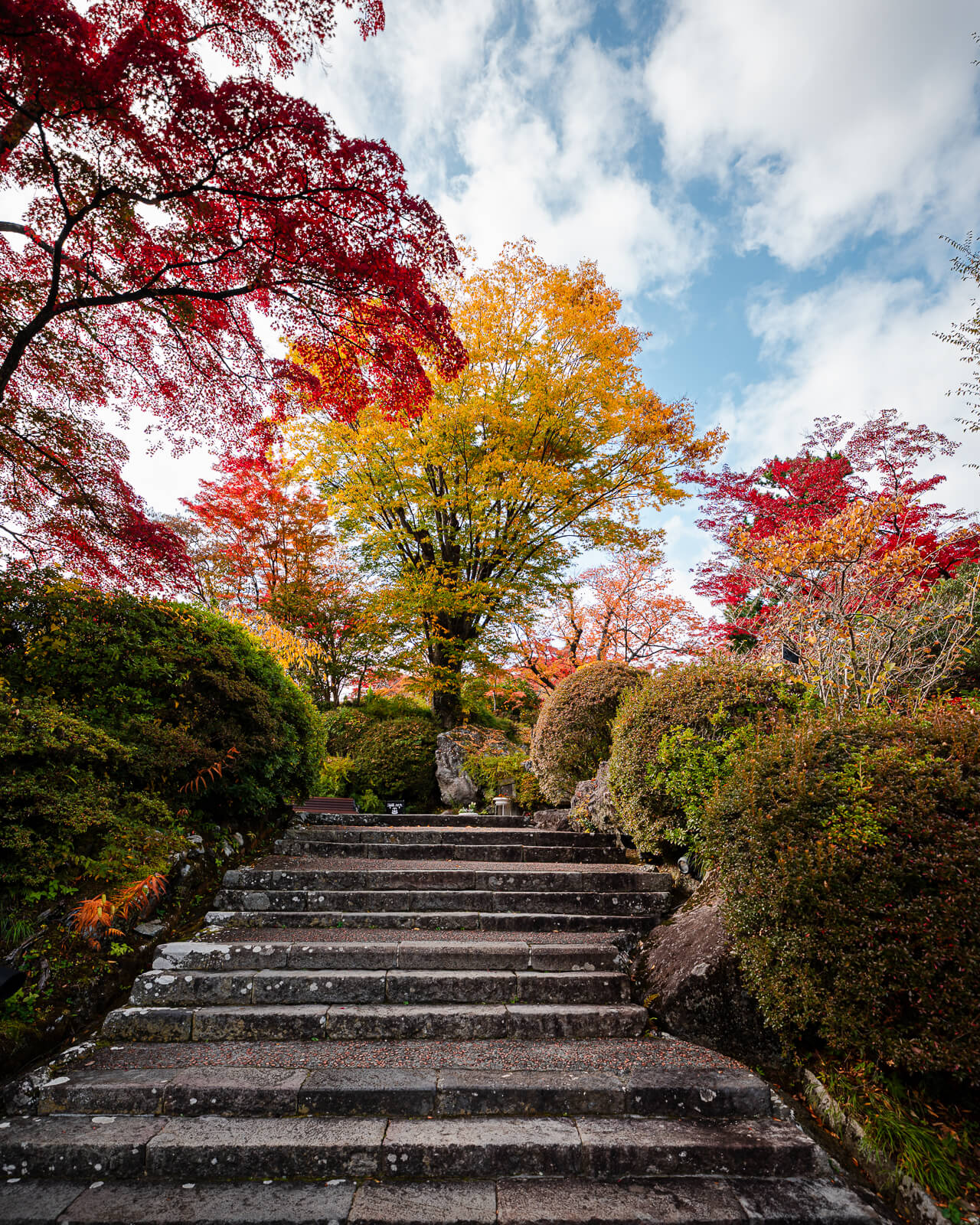
Starting at the Main Gate creates the more demanding version because the route climbs toward the fountain, Craft House, tea garden, and West Gate. Entering from Koen-kami or the museum side reverses that effort and turns the fountain and lower gardens into part of the descent toward Gora Station. The downhill route still includes steps and uneven surfaces, but it removes much of the sustained climb.
The terrain also creates an important access limitation. The park states that wheelchairs and strollers cannot be used inside because steep paths and stairways cross the grounds. Families with infants, older travelers, and anyone with limited mobility should treat the slope as a central part of the decision, even though the cable-car stops are close to both gates.
The Fountain, Roses, and Main Garden Areas
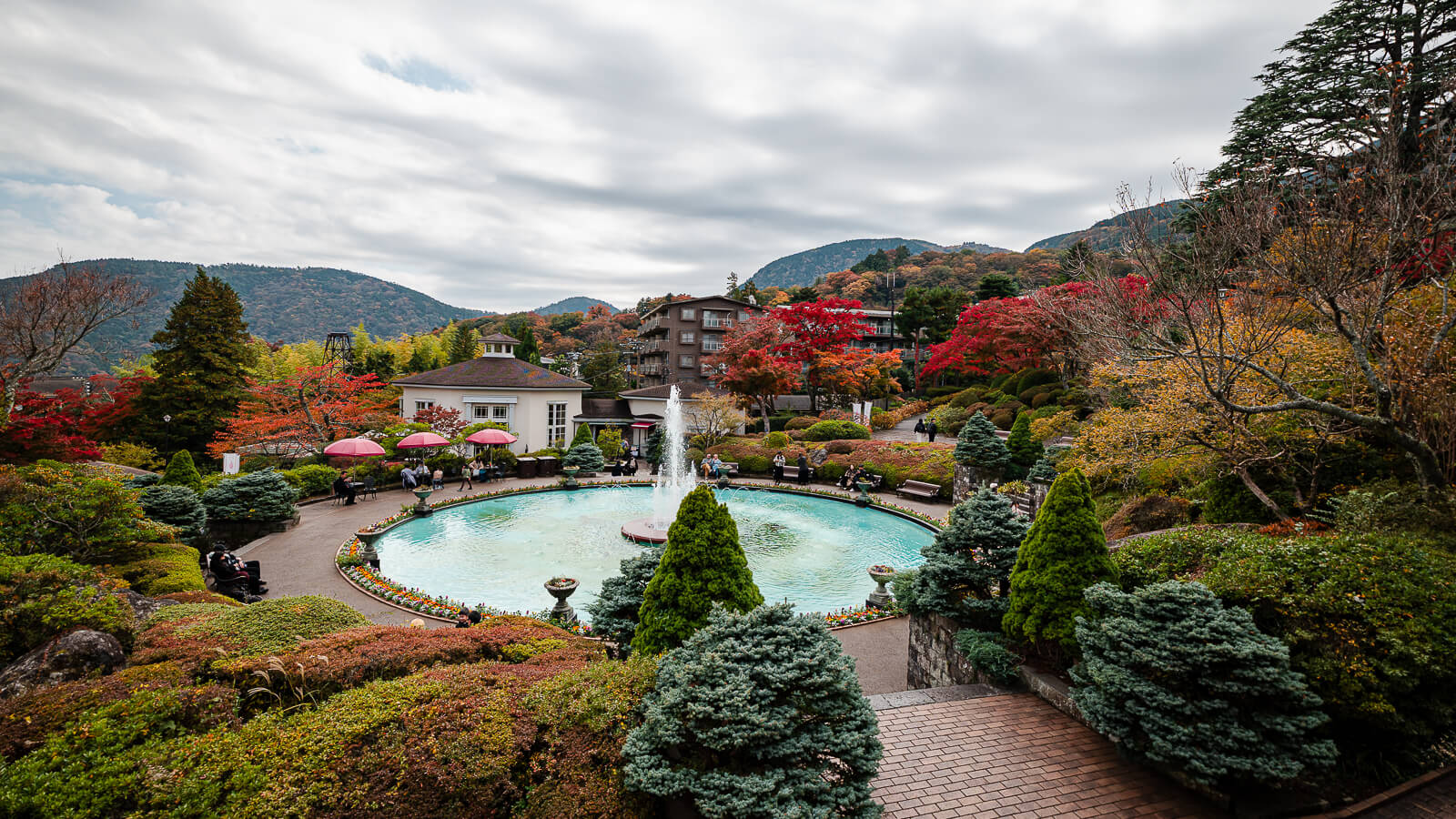
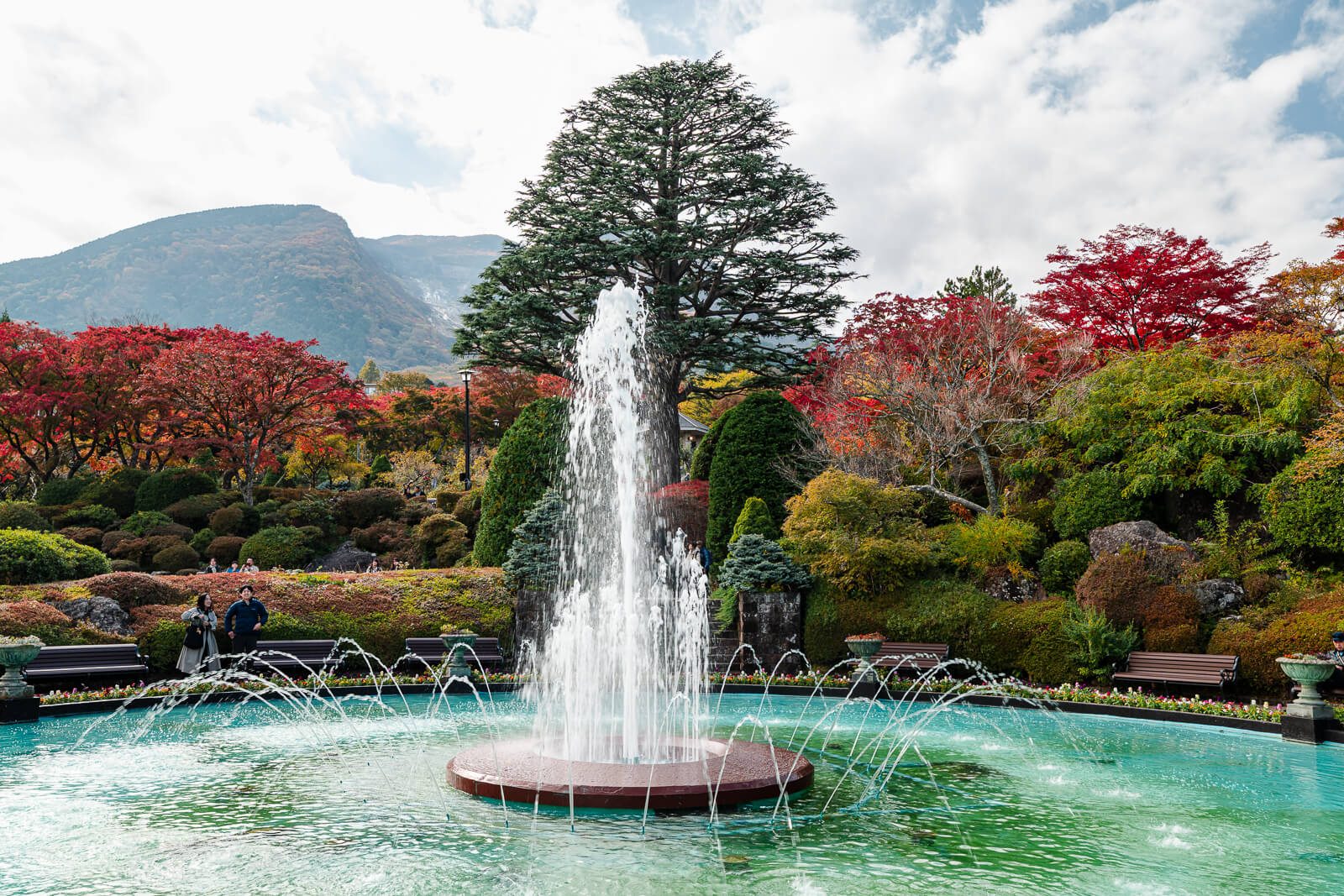
The large fountain is where the park opens up and its formal design becomes easiest to read. Paths and planted beds extend around the water, with cafés, terraces, and mountain slopes visible beyond the garden. Many visitors pause here longest, especially when autumn color reaches the trees around the fountain.
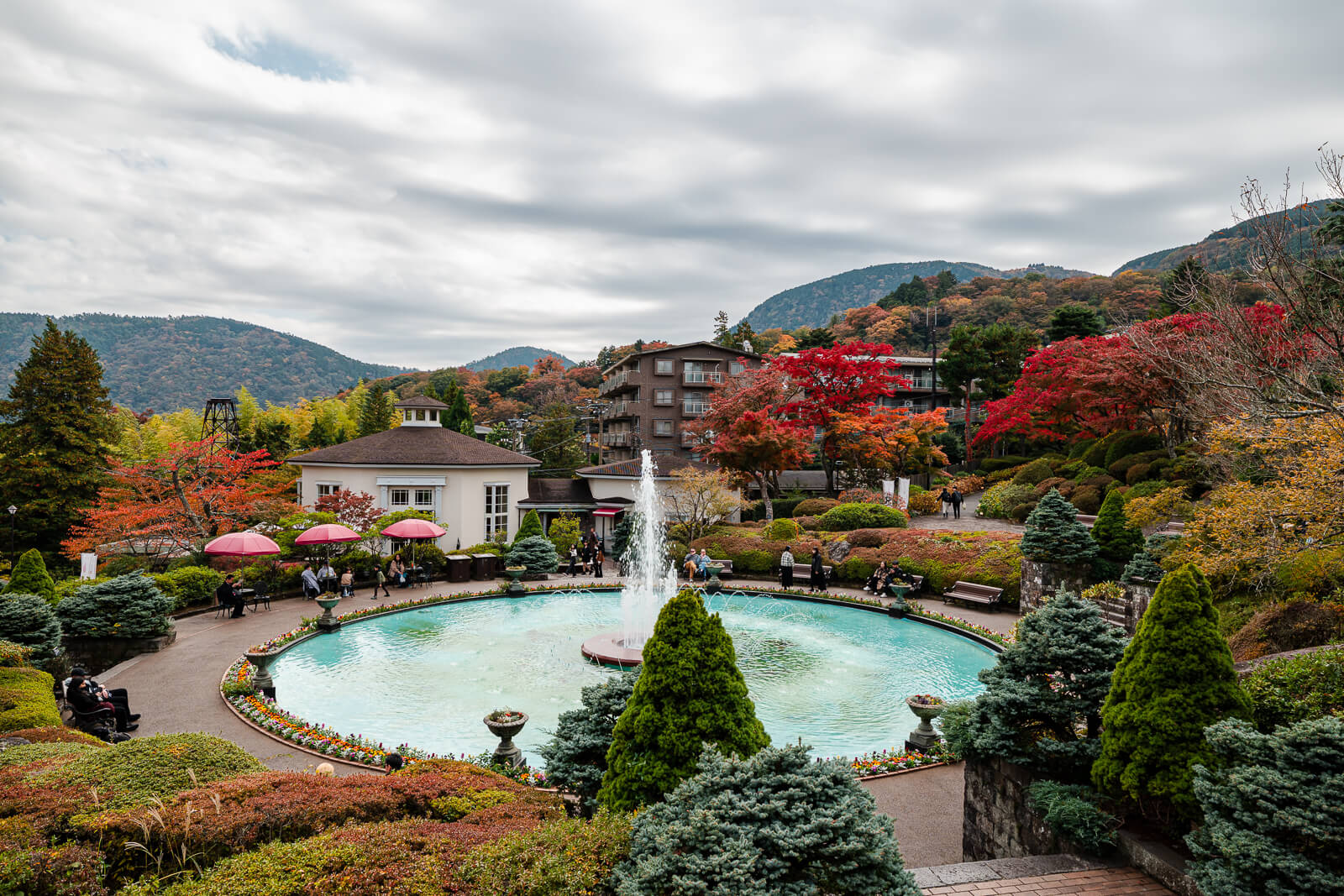
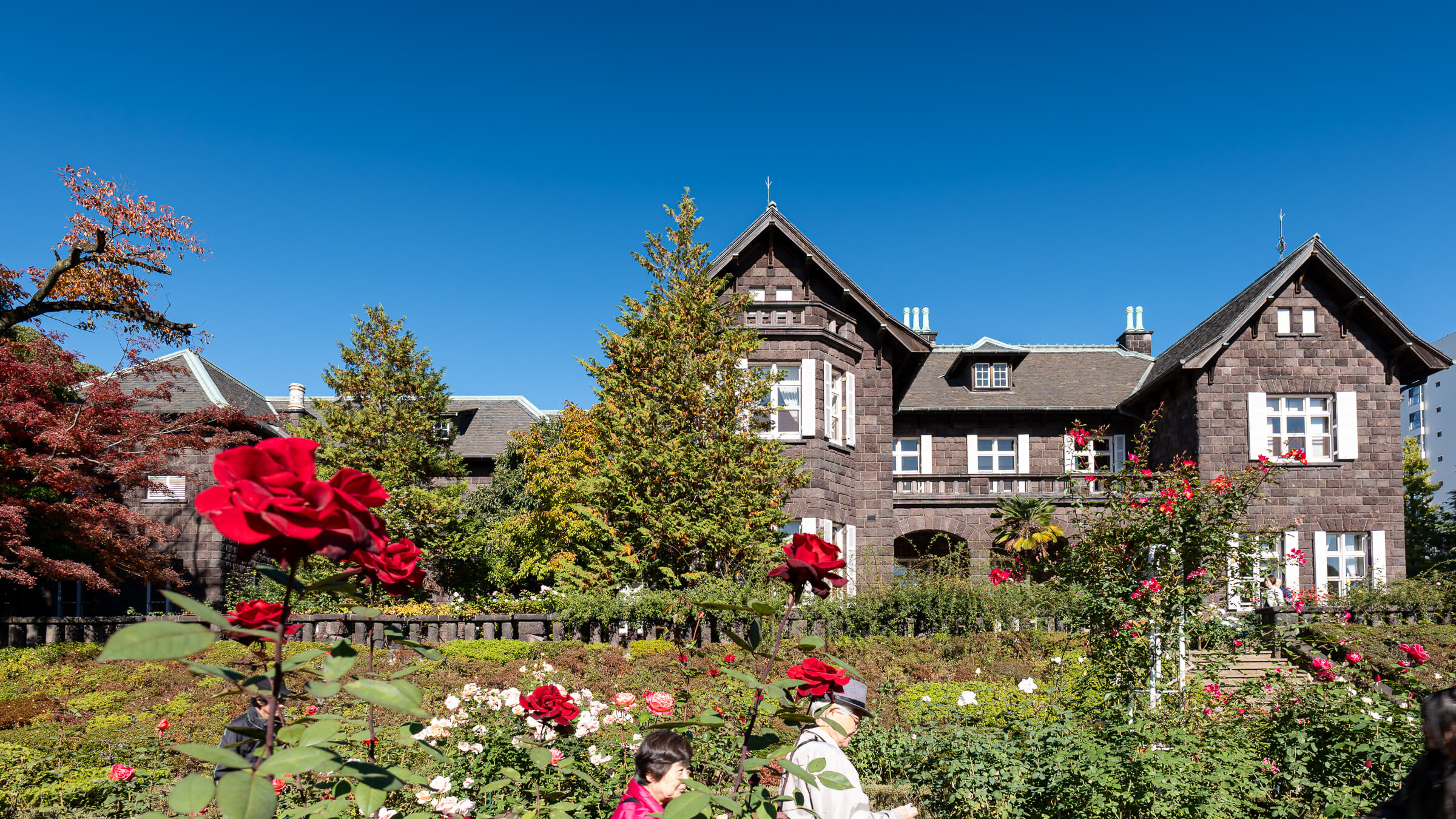
The Rose Garden adds another seasonal layer, with more than 1,000 bushes representing around 140 varieties. The principal spring display normally develops from late May through late June, while autumn roses usually flower from mid-October into early November. This can create a short overlap between late roses and the first stronger foliage, although the balance changes each year.
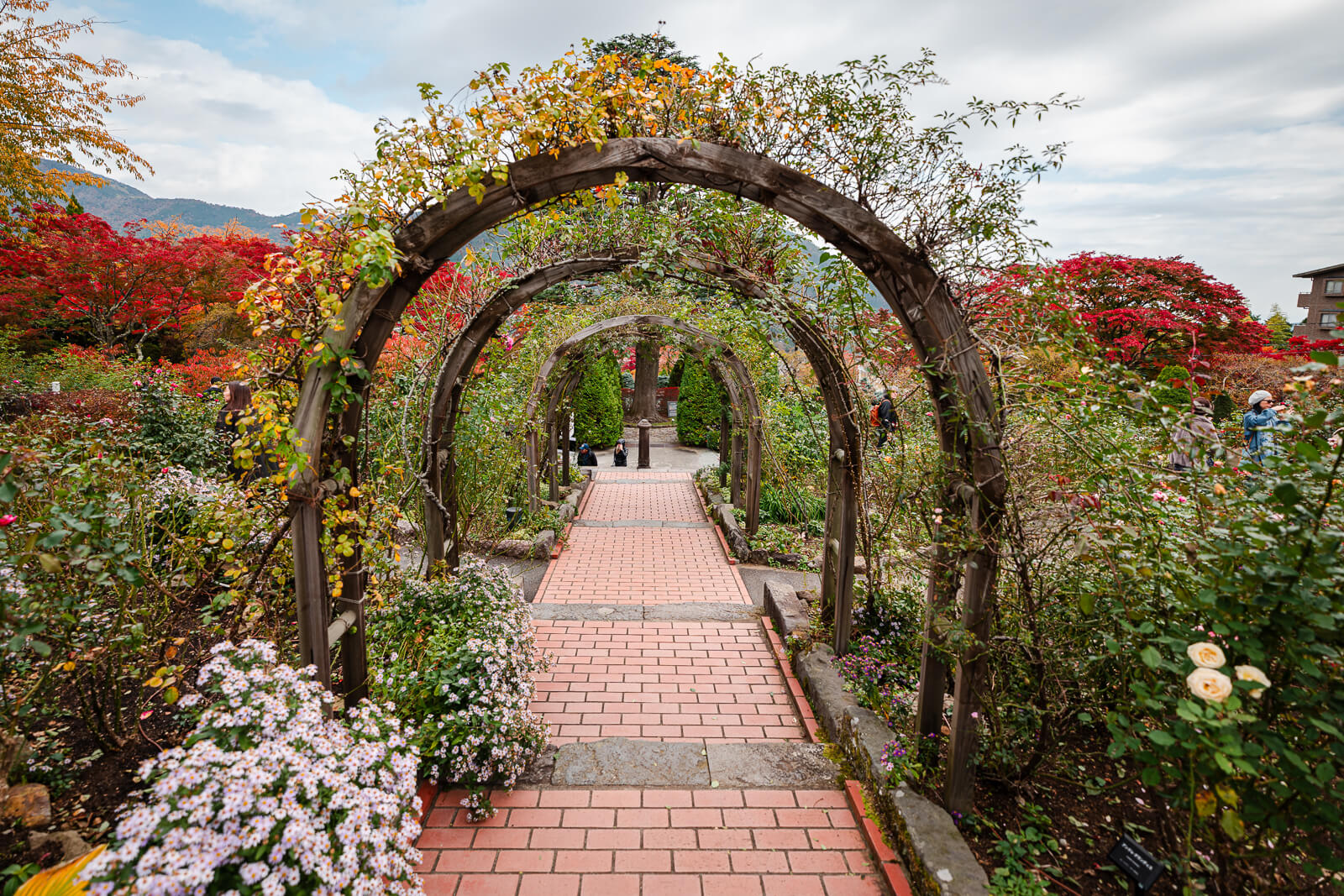
Greenhouses and smaller planted areas broaden the visit outside the main rose and foliage periods. They are easy to include because they sit inside the same compact route, and they add a useful change of setting when the weather becomes unsettled. Gora Park can still be crossed quickly, but it offers more than a single fountain viewpoint.
Crafts, Tea, and Lunch Can Extend the Visit
Hakone Craft House changes the park from a garden stop into a hands-on activity. Workshops include glassblowing, ceramics, sandblasting, glass beads, pottery painting, and other crafts, with separate fees and different time requirements. Advance reservations are recommended, although same-day places may be available, so anyone interested in a workshop should plan beyond the basic garden time.
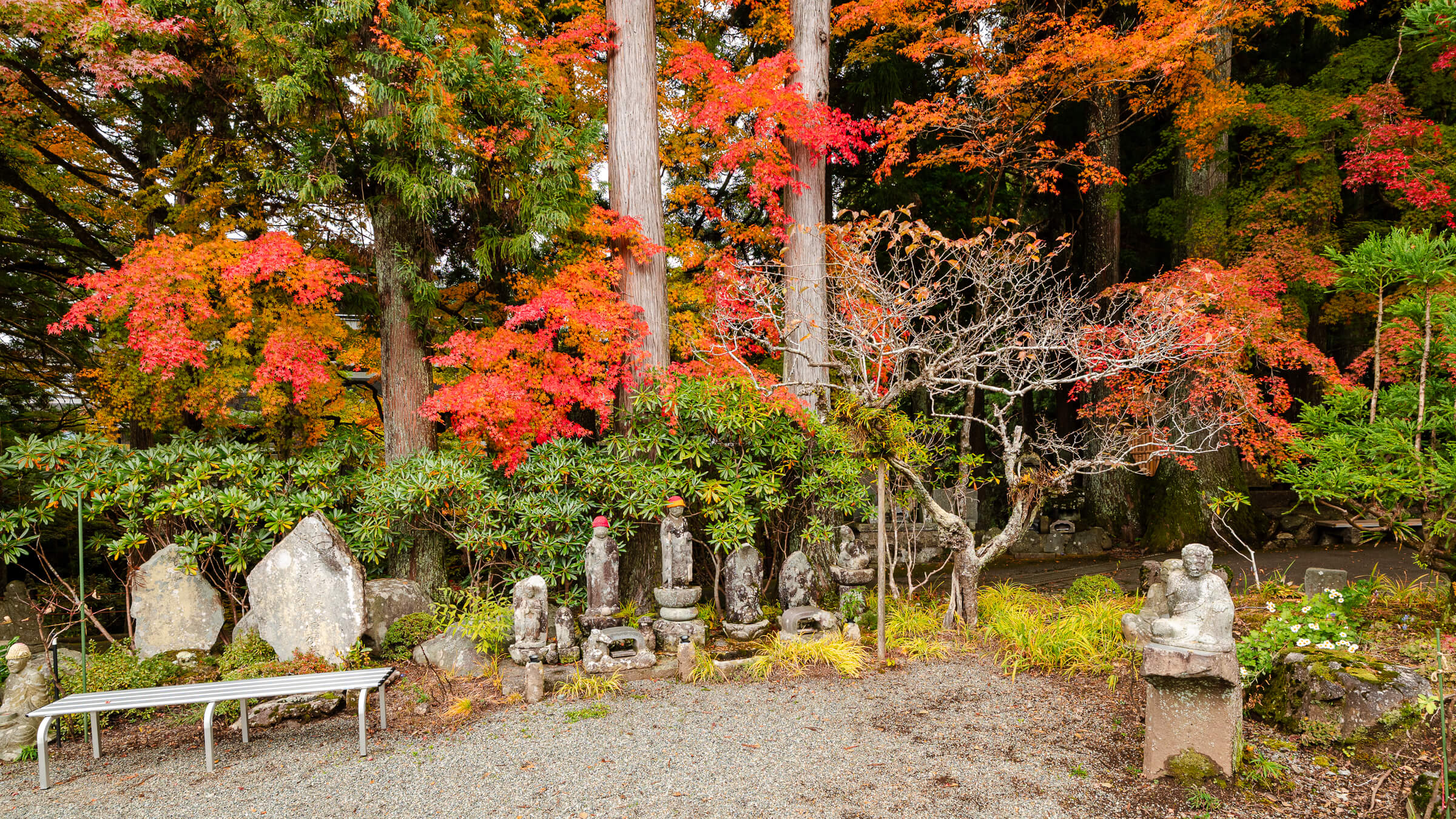
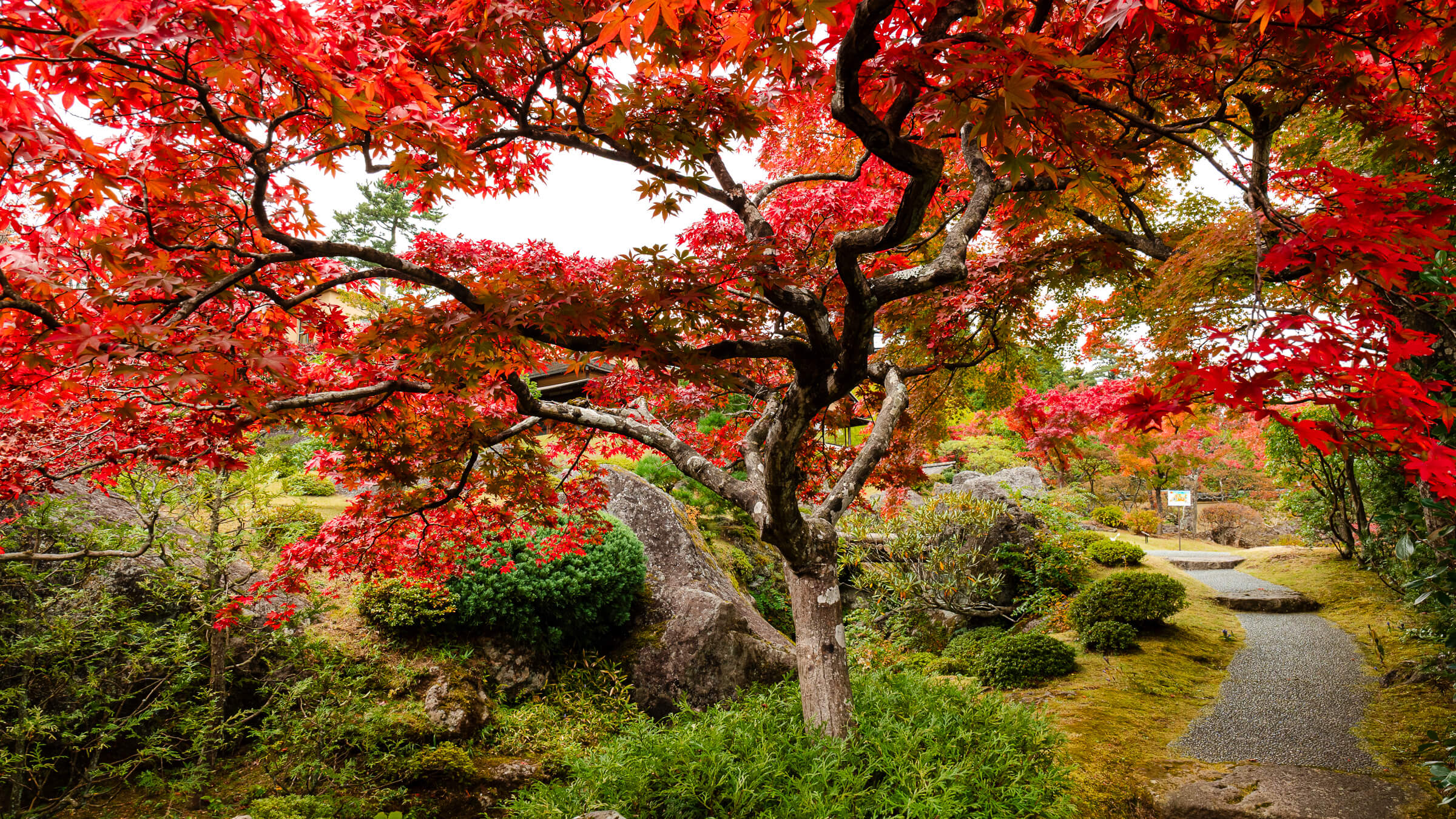
Hakuun-do tea garden offers a different extension, placing tea rooms among the park’s large rock outcrops and historic landscaping. Matcha service creates a short cultural stop without leaving the grounds, but its hours differ from the park’s general schedule. In autumn, maples around the rocks and traditional buildings also make this one of the park’s more distinctive areas.
Café PIC is a worthwhile lunch stop when the day allows time for a break. Its terrace overlooks the fountain, keeping lunch connected to the garden instead of requiring another search around Gora. During the observed autumn visit, the café looked busy, but tables turned over steadily as most groups ate and continued through the park, so the wait felt more manageable than the crowd first suggested.
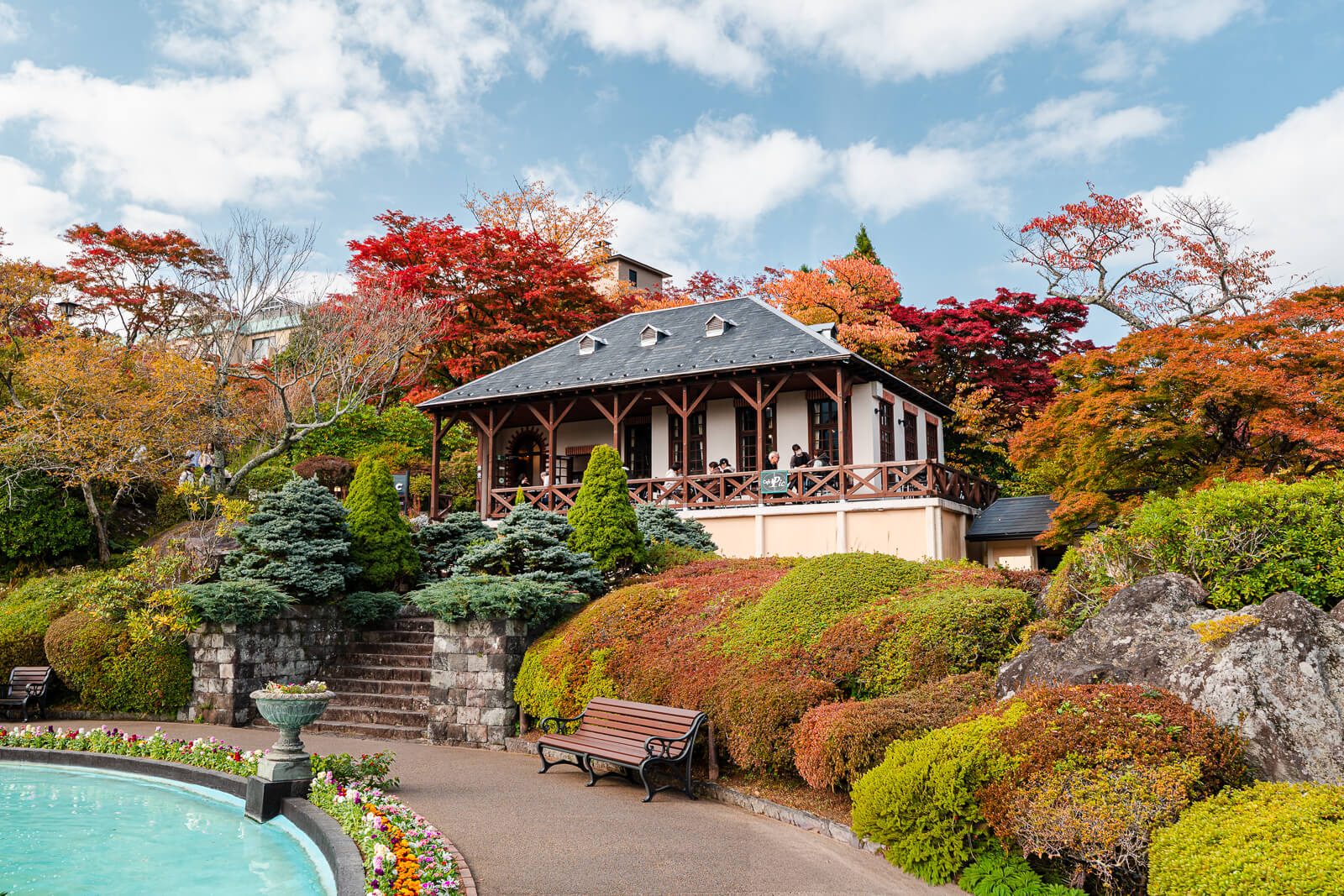
ISSHIKIDO provides sandwiches, drinks, sweets, and another option near the fountain. Together, the cafés make Gora Park useful as a midday transition between upper Hakone and lower Gora. Food, tea, and crafts are optional, but they explain why one visit may last 40 minutes while another fills much of an afternoon.
How Gora Park Changes in Autumn
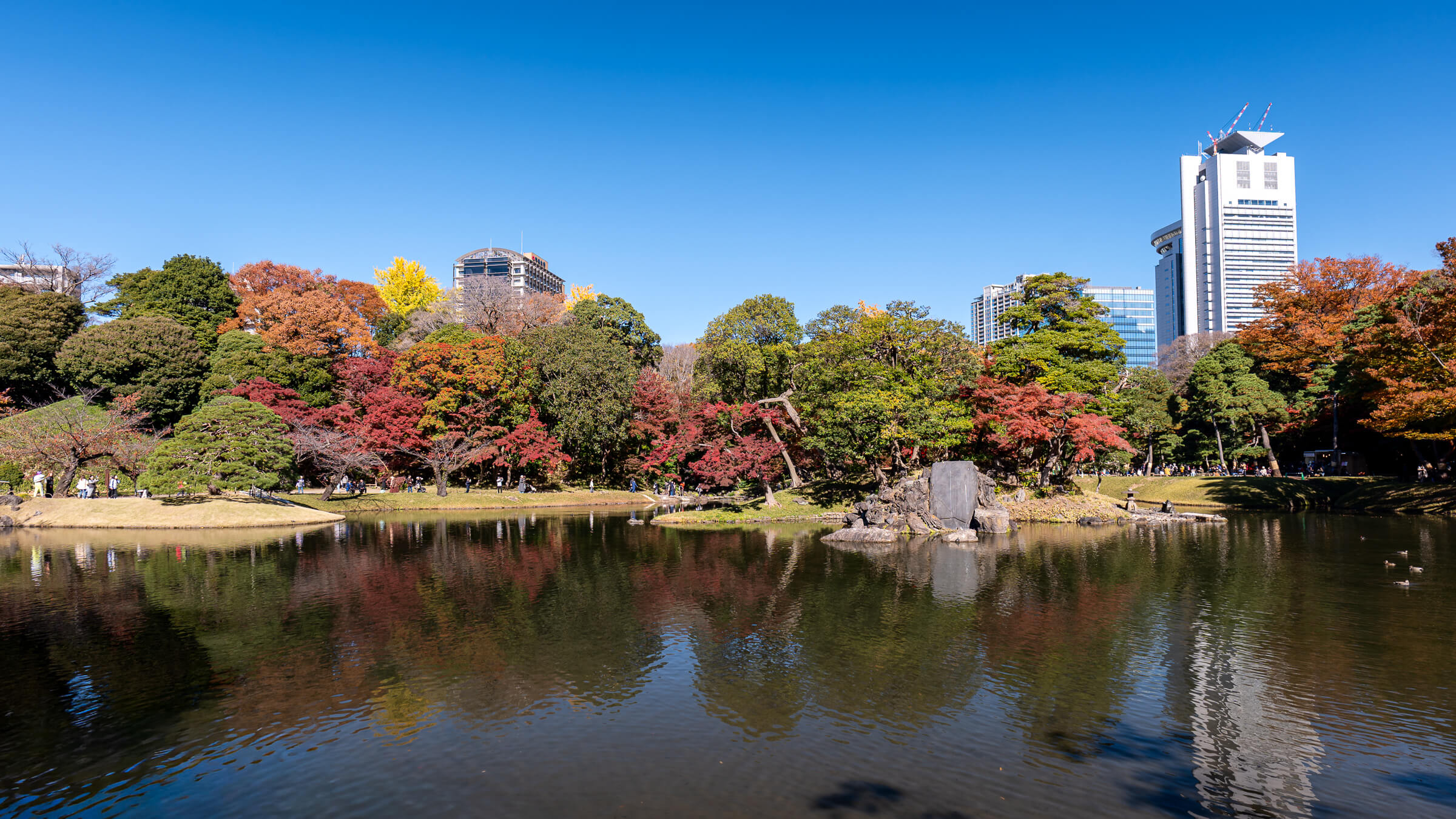
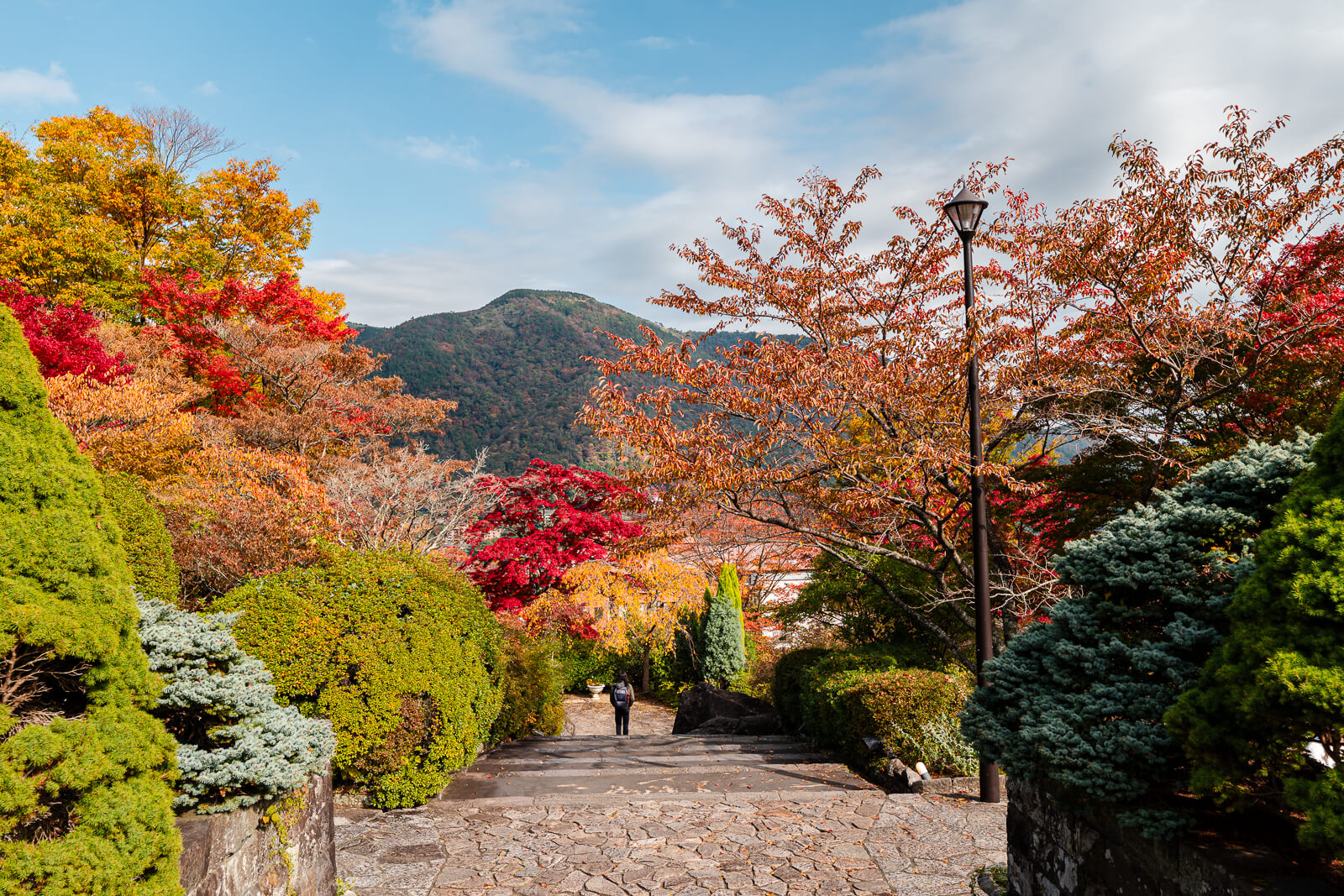
Autumn brings red, orange, and yellow foliage into the formal garden, combining maples with the fountain, stone steps, rose beds, and surrounding mountains. Color normally becomes strongest around early to mid-November, although warm weather can delay the change and wind or heavy rain can shorten the brightest period. Because the park changes elevation, the foliage appears in layers instead of along one flat edge.
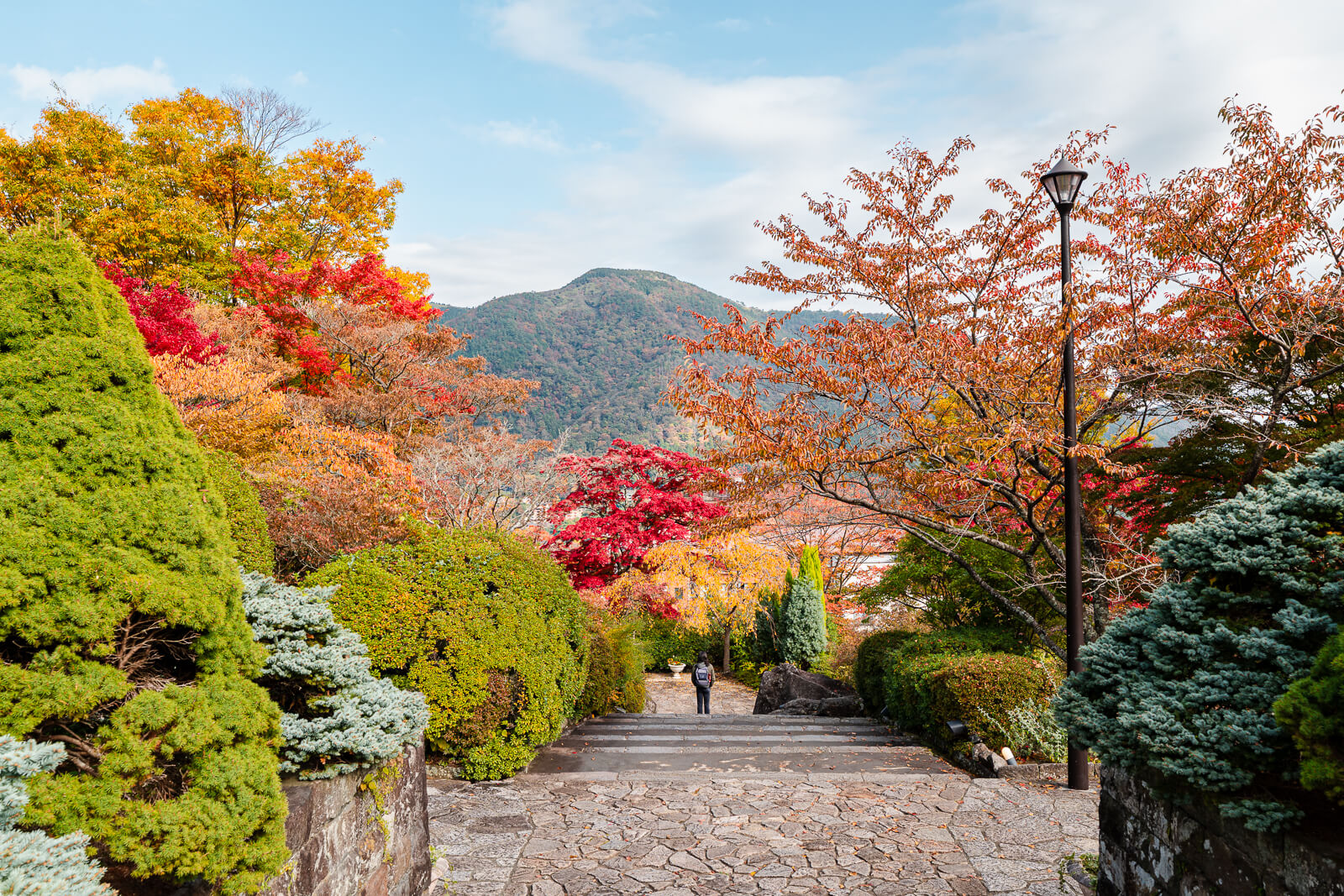
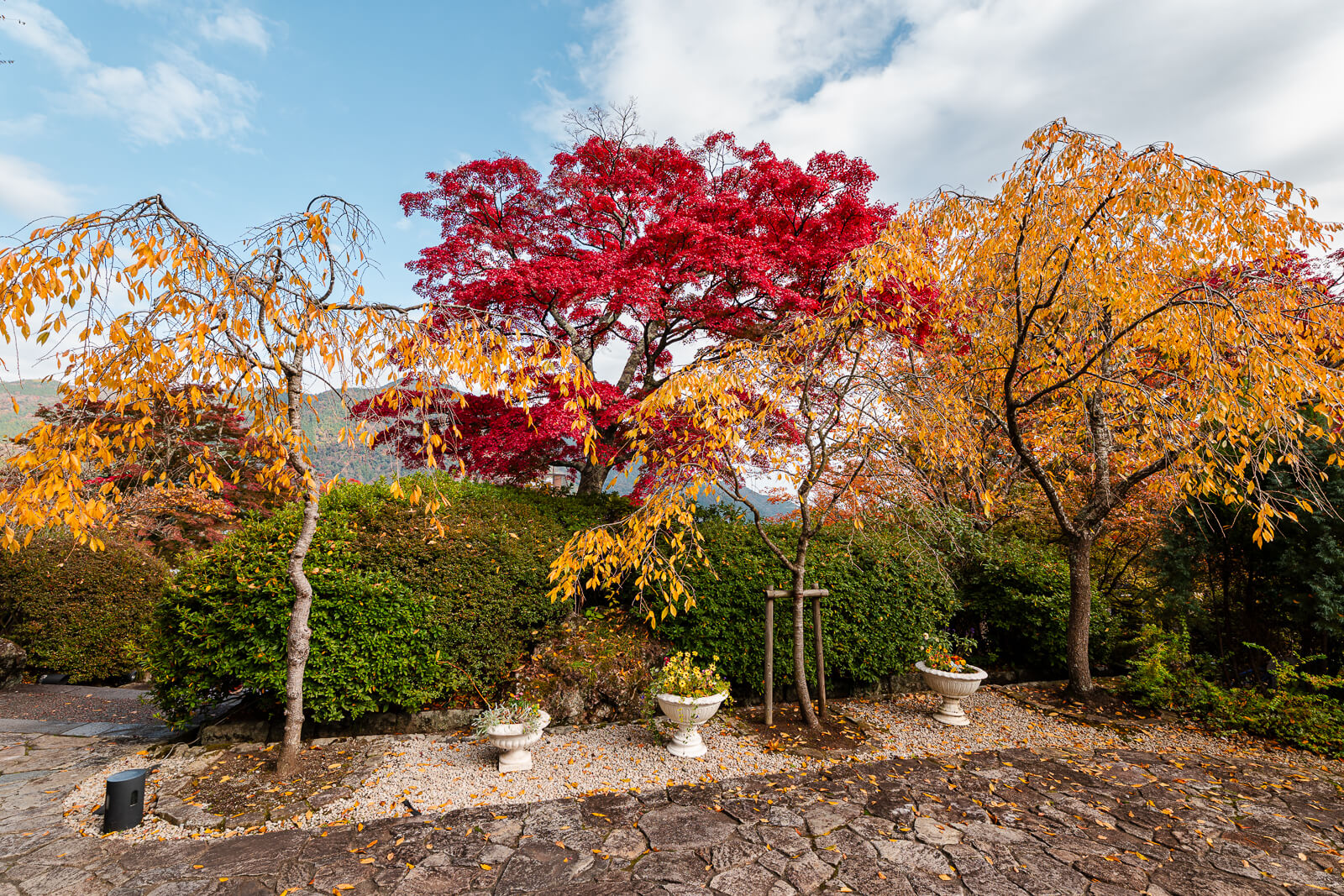
Gora Park serves a different autumn purpose from Shinsenkyo next door. Shinsenkyo concentrates maples around moss, stonework, and Japanese garden architecture, while Gora Park opens into a broader Western-style landscape with a fountain and seasonal planting. Seeing both creates a noticeable change in scale and character without another long transfer across Hakone.
Travelers choosing among several foliage areas should use the Hakone Autumn Foliage Spots guide to compare Gora with Lake Ashi, Sengokuhara, the upper ropeway route, and later-season Hakone-Yumoto. This attraction guide explains Gora Park itself; the wider guide helps determine whether Gora matches the travel date and preferred type of autumn scenery. Readers can then return here for the park details once Gora fits the larger plan.
A Gora base keeps the gardens, museums, cable car, and central mountain route close across an overnight Hakone stay.
Compare Stays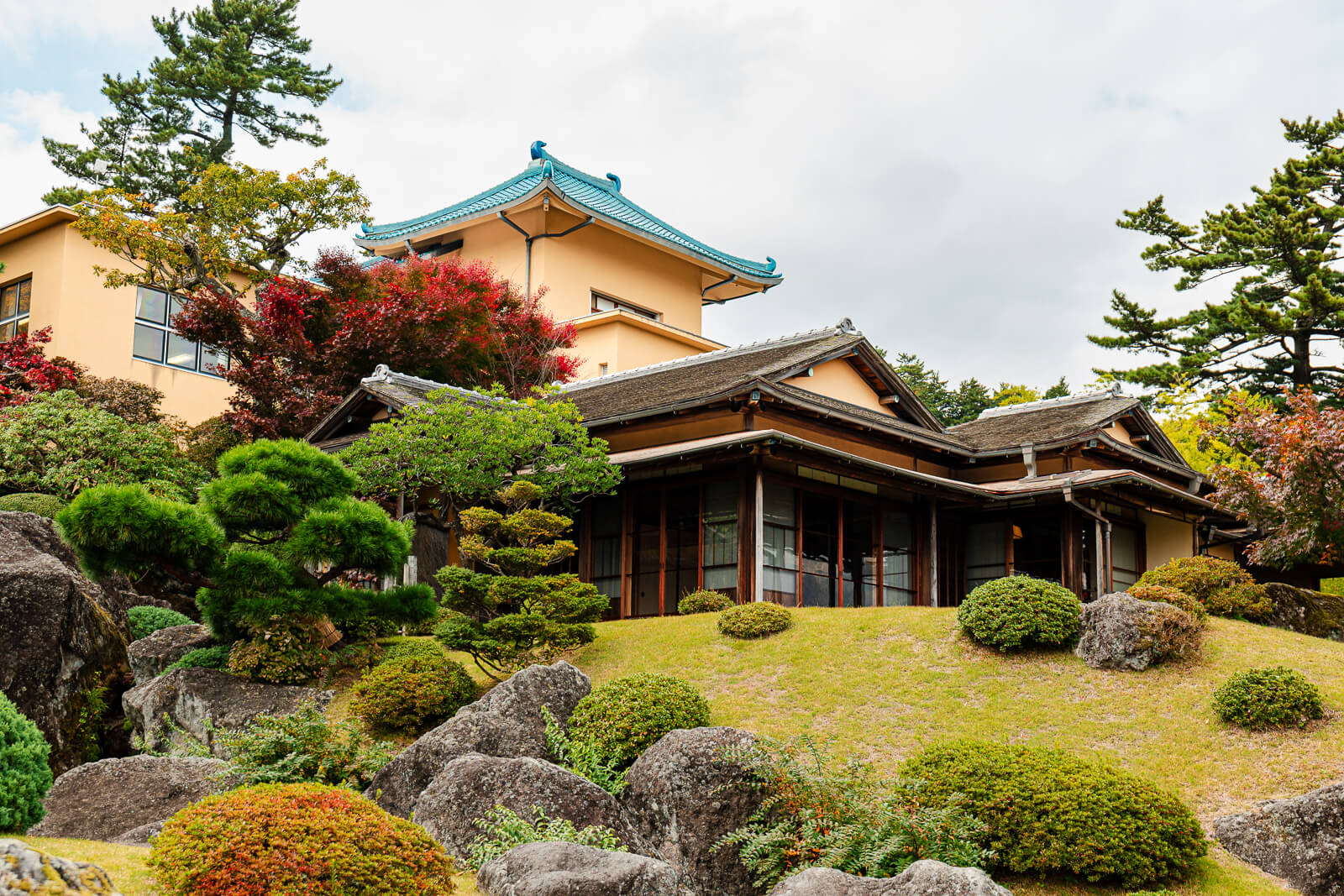
How Much Time Gora Park Needs
A 30- to 60-minute visit is enough for the fountain, main garden paths, seasonal planting, and a downhill crossing between the gates. Allowing 60 to 90 minutes creates room for photography, the greenhouses, tea garden, or lunch without making the park the center of the day. A Craft House workshop requires additional time based on the selected activity.
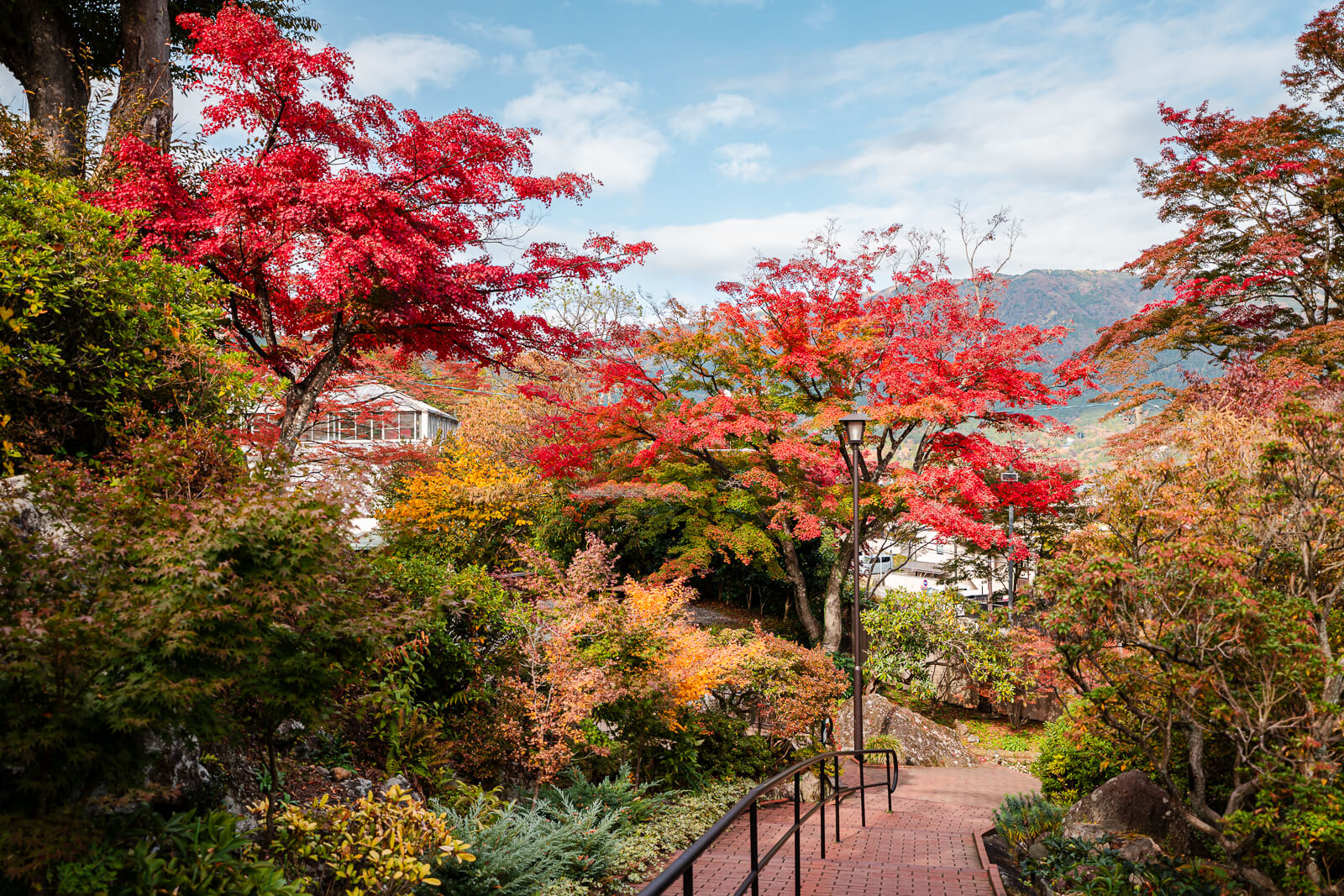
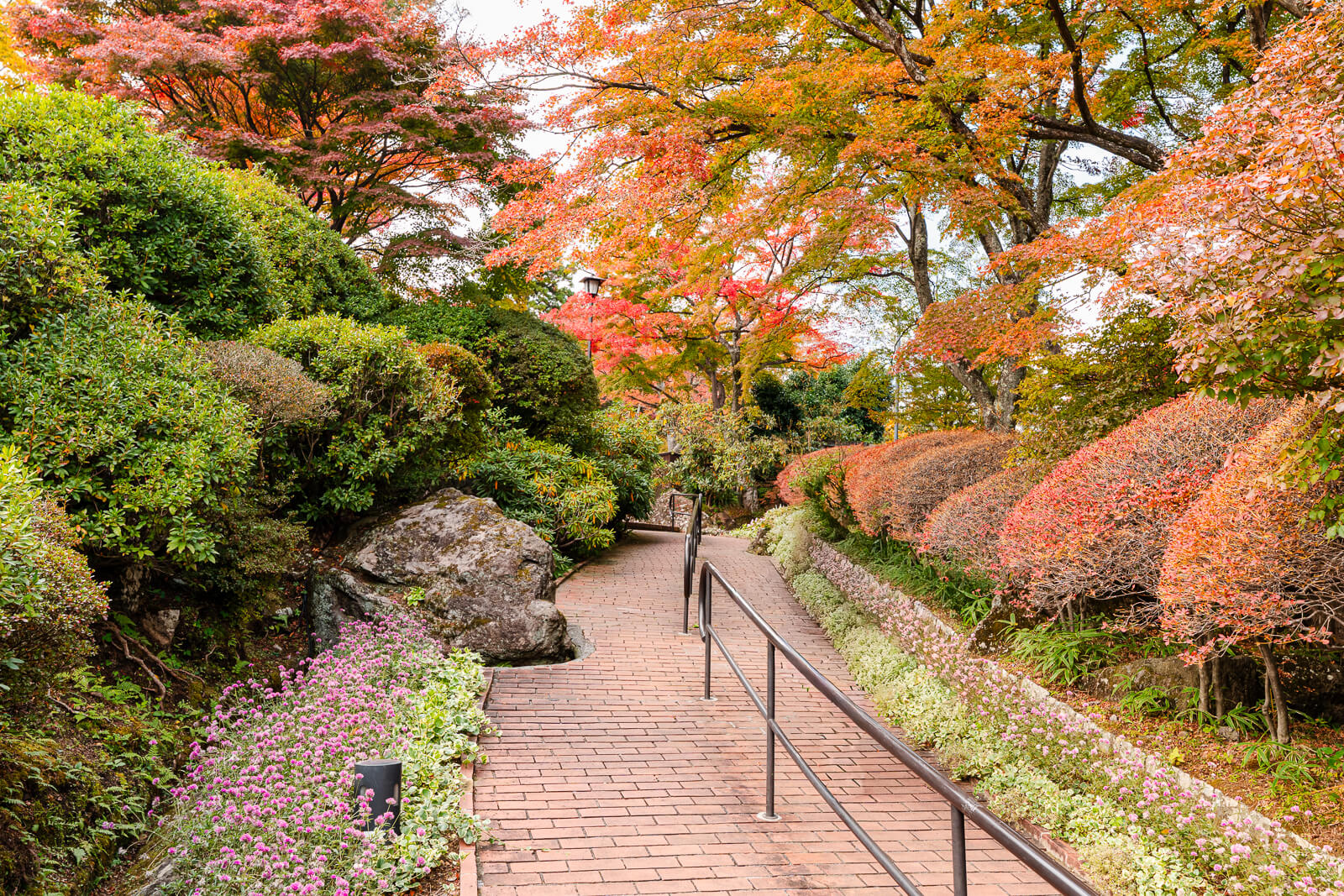
Gora Park is strongest for travelers who value gardens, seasonal flowers, autumn color, cafés, or a flexible stop between larger attractions. Visitors focused only on broad mountain scenery may place the nearby ropeway route higher, while travelers with limited mobility need to weigh the stairs and inclines carefully. The park earns its place through flexibility and geographic fit, not because every Hakone visitor needs to include it.
Where Gora Park Fits Around Gora
The most efficient local pairing begins at the Hakone Museum of Art and Shinsenkyo Garden beside Koen-kami Station. From there, the West Gate leads into upper Gora Park, allowing the route to descend past the tea garden, Craft House, fountain, cafés, and lower garden areas. Leaving near the Main Gate places Gora Station about 500 meters away and avoids climbing back through the park.
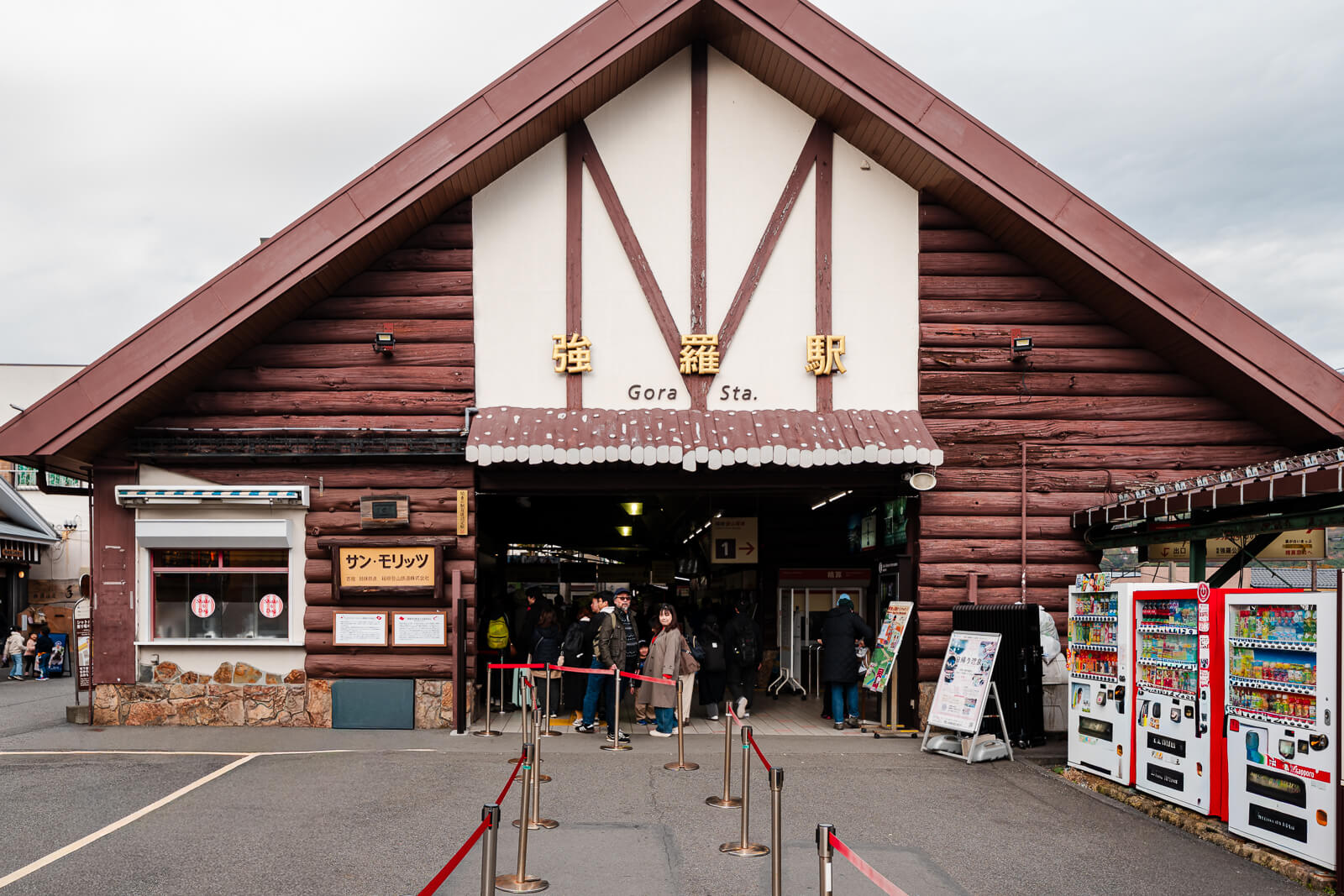
This sequence can fill a half day when the museum, both gardens, and lunch are included. It also gives Gora more substance than a transfer between the Hakone Tozan Railway and cable car. A Gora base keeps the gardens, museums, and central mountain transport close while avoiding the need to repeat the full climb from Hakone-Yumoto at the start of each day.
From Sounzan, the ropeway continues toward Owakudani and eventually Lake Ashi, shifting the day from designed gardens to exposed volcanic scenery. Gora Park can sit before that climb or after the return from the mountains, but the upper-gate approach is especially useful when the day is already descending toward Gora Station. The direction should support the larger route instead of forcing a separate return trip solely for the park.
Access & Arrival
Getting to Hakone Gora Park
Gora Park sits between Gora Station and the higher museum area along the Hakone Tozan Cable Car. The gate used changes how much climbing the visit requires.
March–November: 9:00–17:00
Last admission: 16:30
December–February: 9:30–16:30
Adults: ¥650
Elementary school students and younger: Free
Visitors with a disability certificate: ¥300; one accompanying person: ¥300
Hakone Freepass, Hakone Tozan Train 1-Day Pass and Owakudani 2-Day Pass holders: Free
Parking: ¥300 per hour
Steep paths and stairways cross the grounds, and wheelchairs and strollers cannot be used inside. Entering through the West Gate creates a downhill route, but that gate may close during snow or other operating conditions.
Confirm current visitor information with the official source above before your trip.
Plan Your Gora Visit
Use these planning links to connect Gora Park with an overnight base, Hakone transport, tours, driving, rail, and mobile data.
Compare Hotels and Ryokan in Gora
Staying near Gora keeps the gardens, museums, cable car, and central mountain route close at the start of the day.
Compare Stays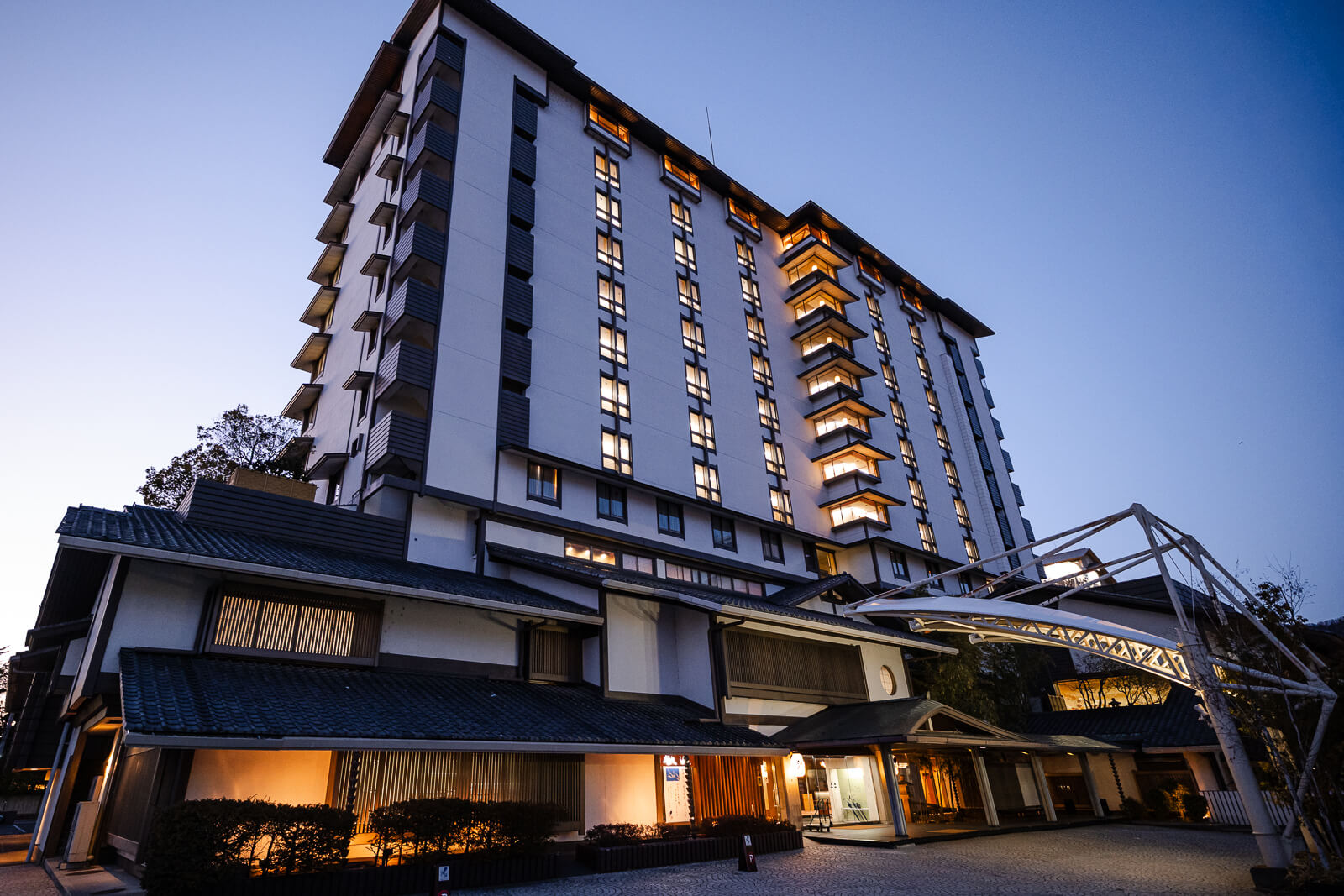
Check the Hakone Freepass
Compare pass coverage for the cable car, mountain transport, and Gora Park admission used across a wider Hakone visit.
Check Pass Options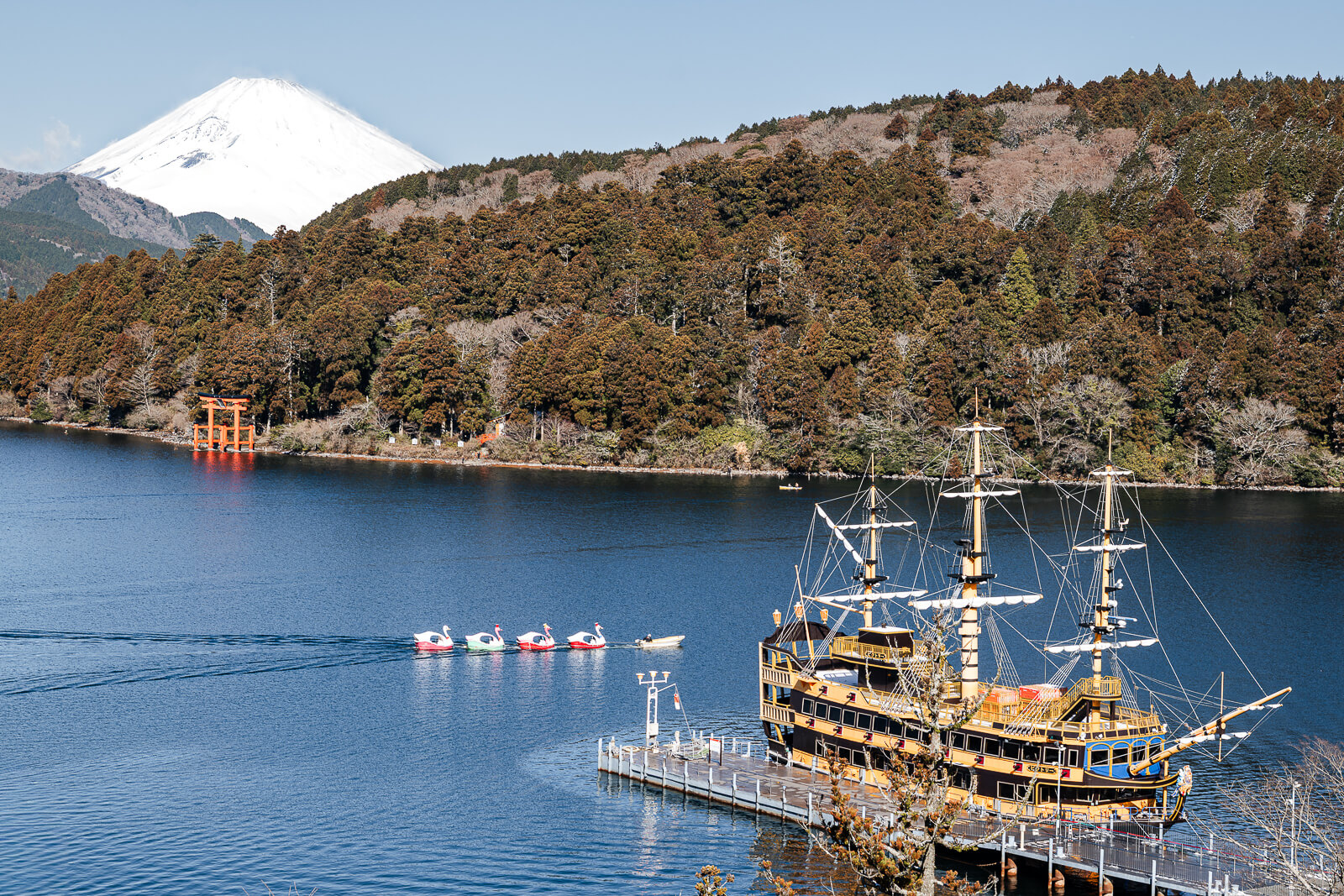
Explore Guided Tours Around Hakone
Compare guided options when transportation and major Hakone sightseeing stops are easier to manage within one organized day.
Explore Tours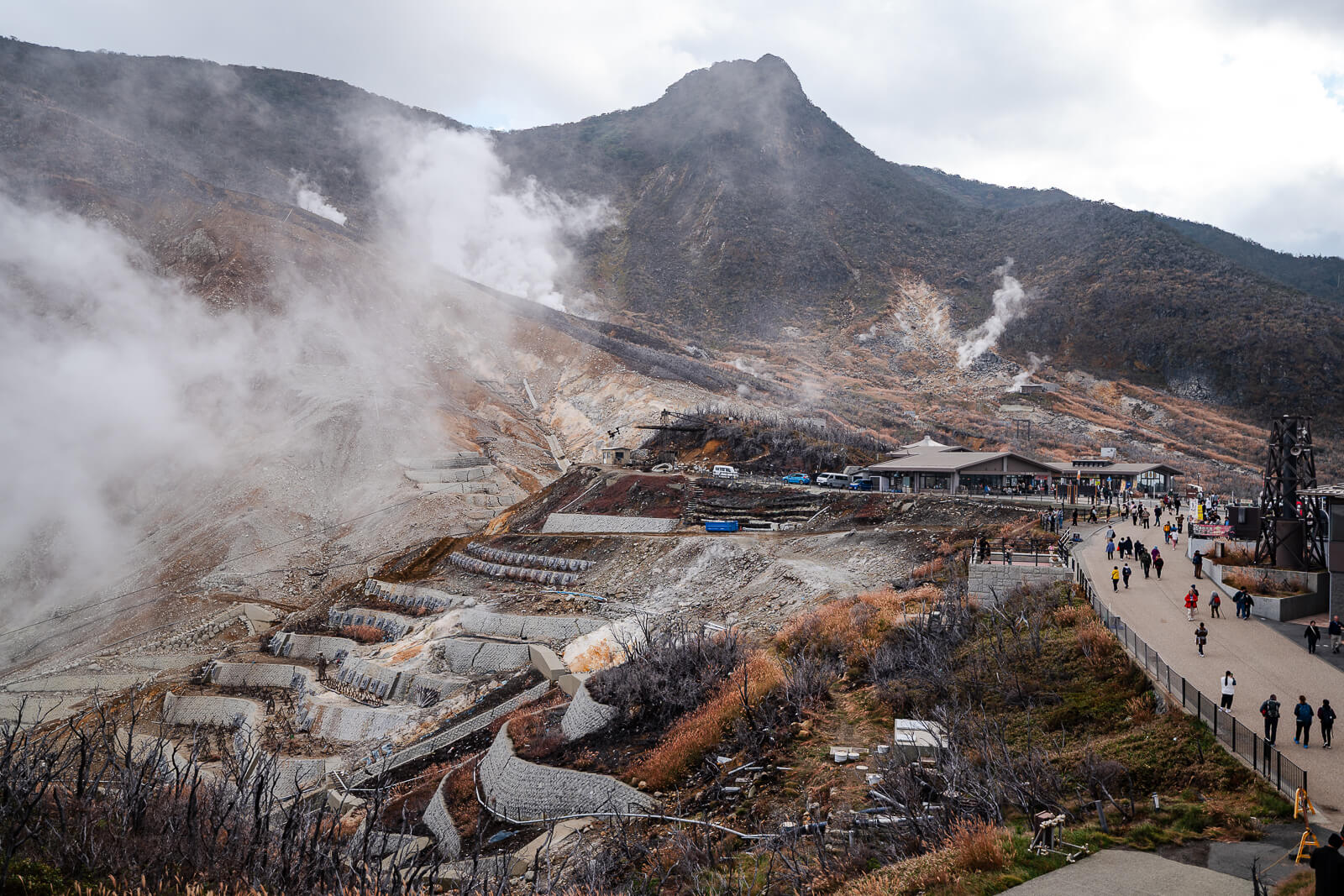
Compare Rental Cars in Odawara
Starting in Odawara makes a rental car useful for travelers combining Hakone with stops beyond the main transport loop.
Compare Cars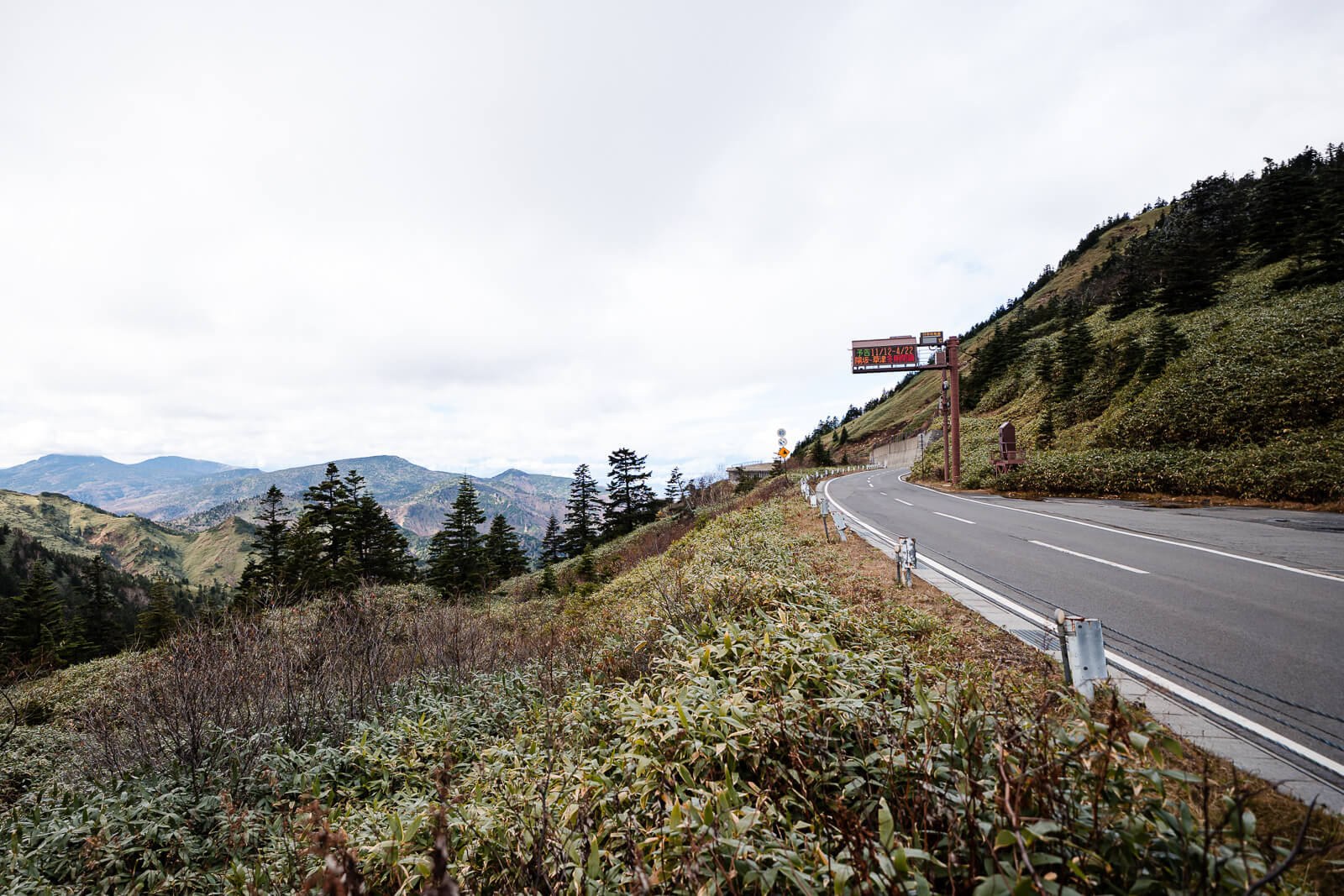
Compare Rail Options for Japan
Compare rail options when Hakone forms one stop within a longer Japan route connecting Tokyo with other regions.
Compare Rail Options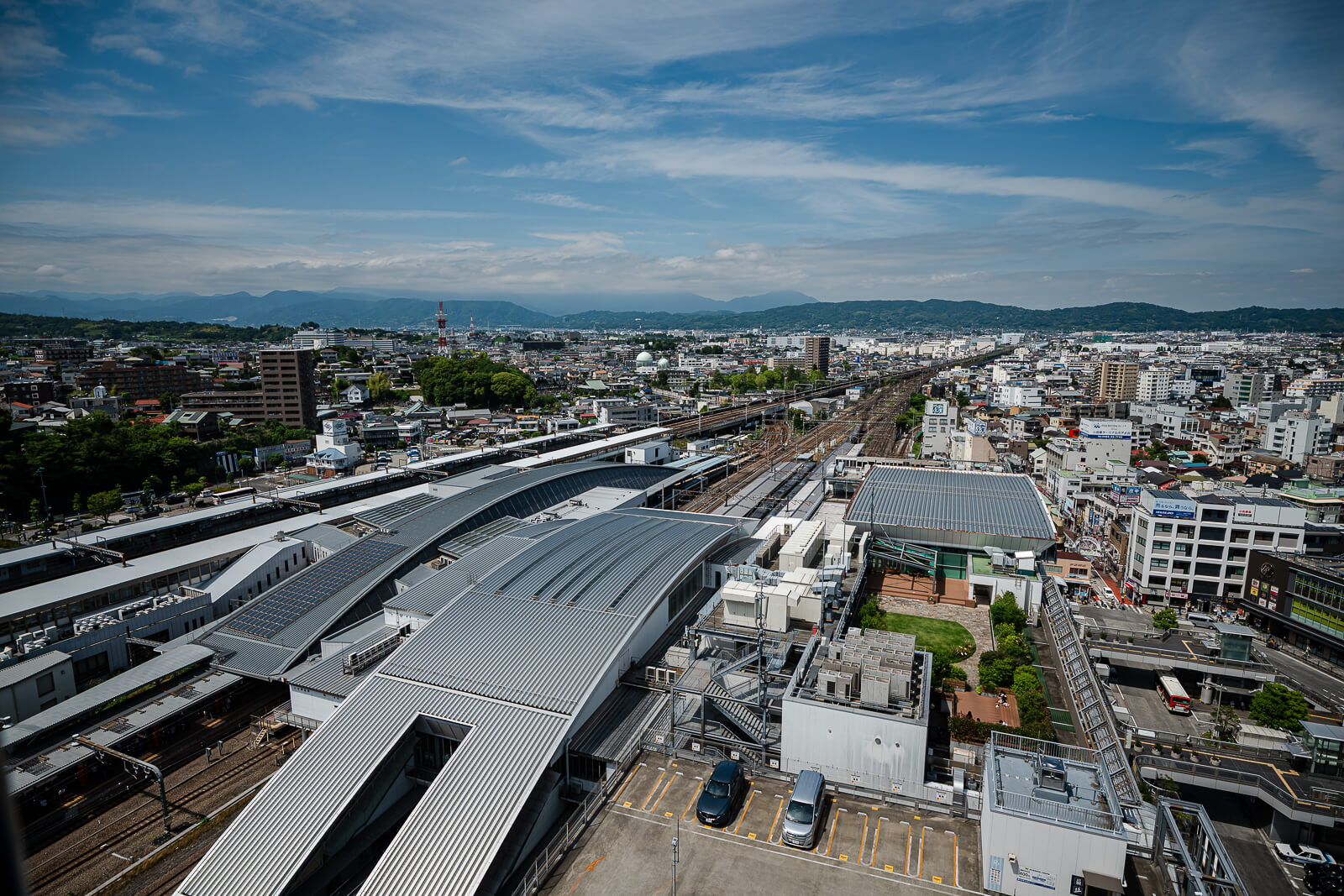
Compare eSIM Options for Japan
Mobile data helps with maps, transport updates, and route changes while moving between Gora and other parts of Hakone.
Compare eSIM Options
Reader note: Japan Unfolded may earn a commission from some links at no extra cost to you.