Why This Isn’t as Straightforward as It Looks
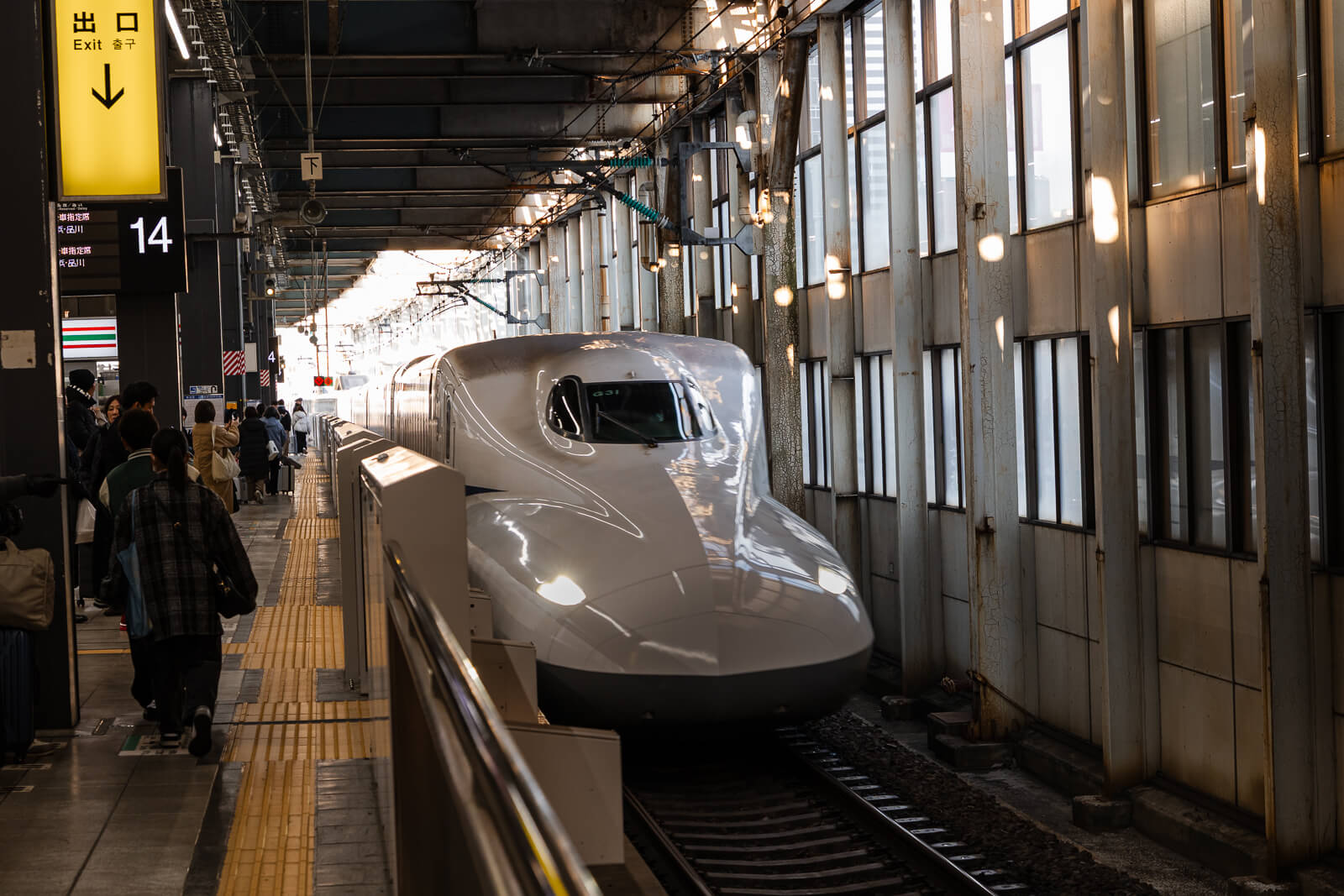
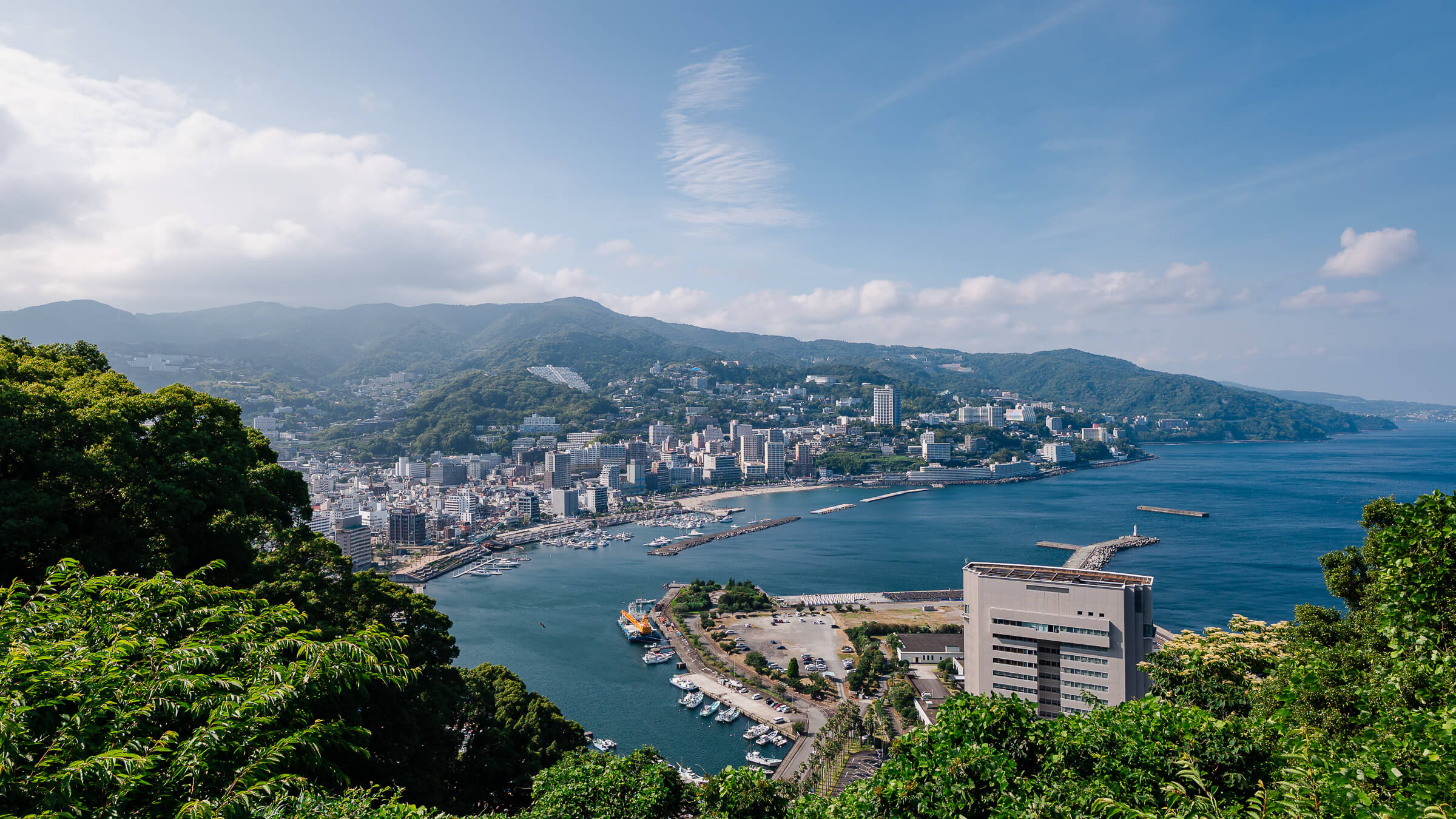
Atami sits along the coast southwest of Tokyo, positioned between the capital, Odawara, Hakone, and the Izu Peninsula. The Shinkansen stops directly at the station, making it one of the easiest coastal destinations to reach without much planning. It’s often treated as a simple add-on—a place you can visit quickly and move on from.
That’s where the confusion usually starts. Atami doesn’t unfold as a single place you can move through naturally. The waterfront, station area, hillside viewpoints, and quieter cultural spaces are spread out in ways that force decisions early, even if you’re not thinking about them yet. What looks compact on a map begins to separate once you arrive.
Because of that, how you structure your time matters more than it first appears. A short visit tends to stay focused and selective, often missing entire layers of the city without it being obvious. A longer stay allows those layers to connect, but changes the pace of the day and how the experience feels overall.
That hesitation is normal. Atami feels simple until you try to shape a visit around it, and that’s usually when the real decision begins.
What Atami Offers Overall
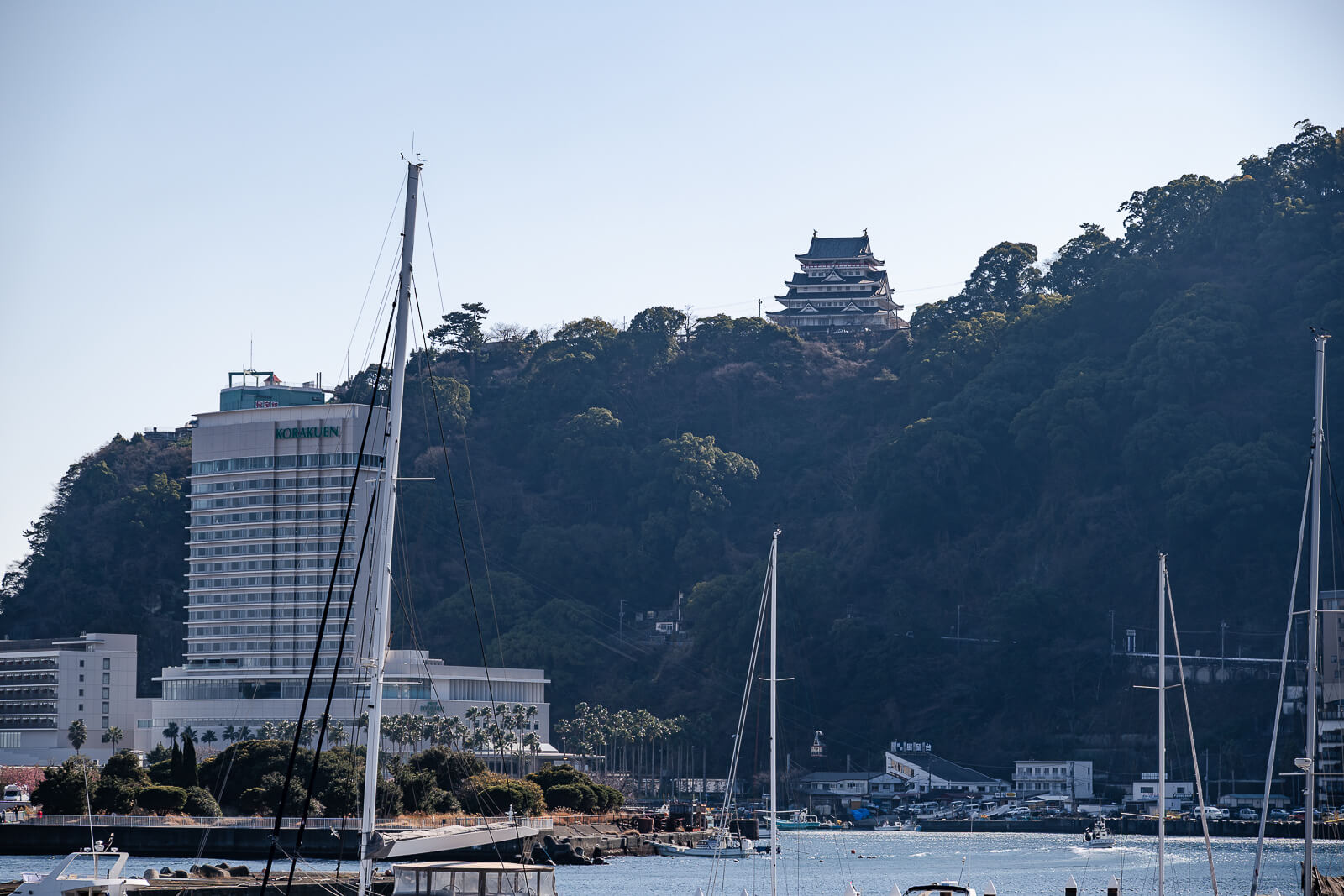
Before deciding how to approach it, it helps to understand what Atami is as a place. It’s a coastal onsen town built along a narrow stretch of shoreline, where the city rises quickly into the surrounding hills rather than spreading outward. That shape explains much of how the experience unfolds once you arrive.
What draws people here isn’t a single landmark or a defined center. It’s the combination of open waterfront space, a compact and active station area, elevated viewpoints that shift the perspective, and quieter pockets that sit slightly apart from the main flow. Each part feels distinct, but together they form a place that can be experienced in different ways depending on how the day develops.
Because of that, Atami doesn’t follow a single pattern. A shorter visit tends to stay close to the coast and station, giving a clear but partial sense of the city. With more time, the experience begins to layer, as the hillside and quieter areas start to connect with what initially feels separate. Neither approach is incomplete, but they don’t feel the same once the day begins to unfold.
That flexibility is part of the appeal, but it’s also where the decision begins. What Atami offers doesn’t change, but how much of it comes together depends on how the visit takes shape from the start.
Where the Decision Starts
This is where Atami begins to separate into different experiences. It doesn’t happen all at once, and it’s not always obvious, but the shape of the visit starts to form early. Once you move beyond arrival, the question shifts from where to go to how much you can realistically include without changing how the day feels.
In a shorter visit, the day settles into a more focused path. Movement becomes more deliberate, with time shaping each decision, and entire parts of the city sit just outside that flow without it feeling like anything is missing. The waterfront and station areas often carry most of the visit, while higher or quieter layers fall away simply because they ask for a different kind of time and attention.
With more time, that feeling changes. The visit opens up, and it becomes less about choosing what fits and more about how the different areas begin to connect. Transitions feel less defined, and the city starts to unfold in a more continuous way. What first felt separate begins to link together, changing not just what you see, but how the day progresses.
The difference comes down to coverage and depth. A shorter visit gives you a clear but contained sense of Atami, while a longer stay allows more of it to come together naturally. Neither approach is more complete than the other, but they lead to different versions of the same place once time begins to shape the experience.
Where the Visit Opens Along the Waterfront
For most visits, Atami becomes clear along the waterfront. The space opens up quickly after arrival, and the layout makes immediate sense in a way that the rest of the city does not at first. The shoreline provides a natural starting point, where the pace settles and the overall character of the city becomes easier to read.
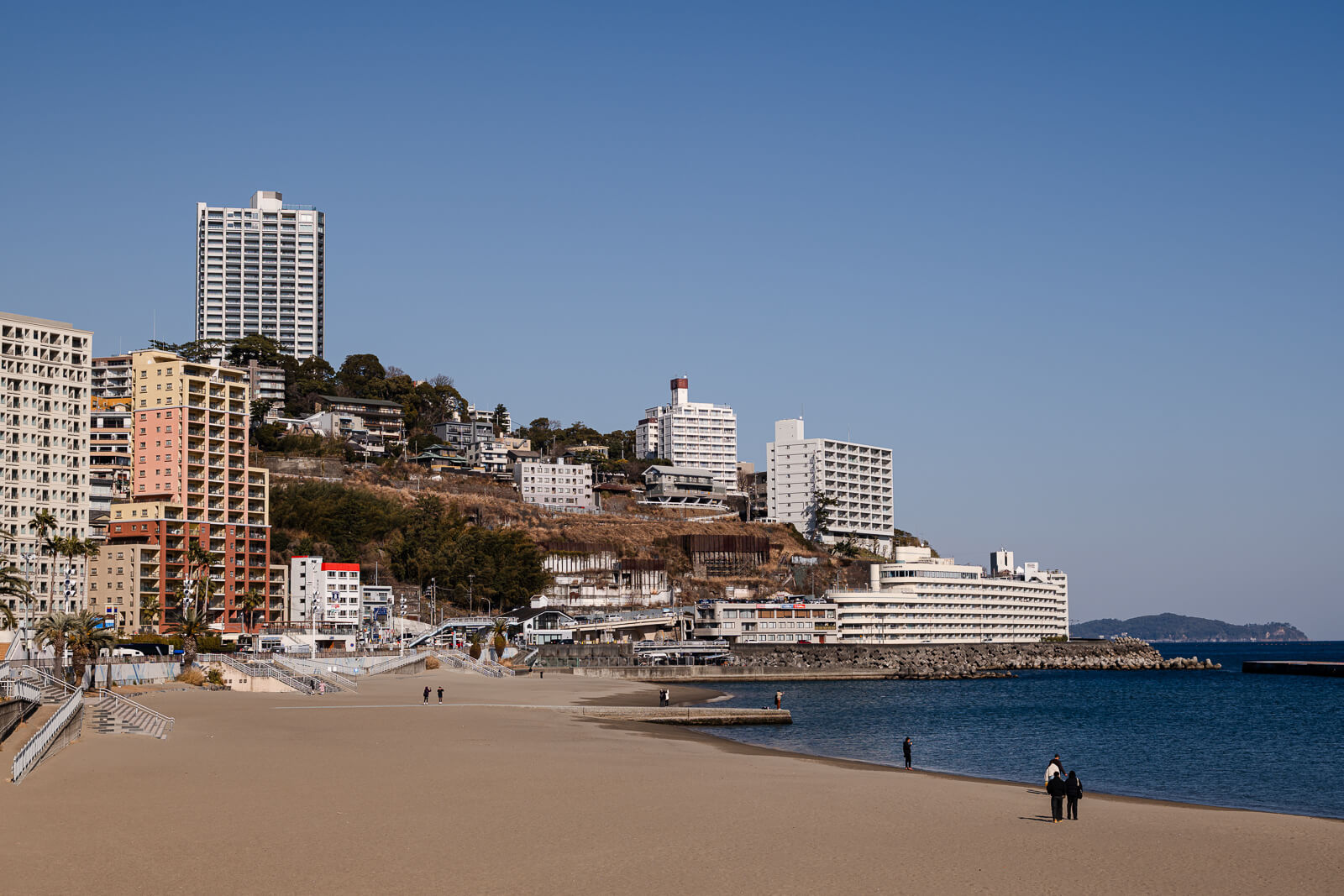
What to expect around Atami Sun Beach
Movement here is simple and flexible. Walking along the coast, it’s easy to keep going without needing to think about direction, and just as easy to pause or turn back without losing your sense of where you are. Time feels less compressed, even on a shorter visit, because the area lets the day unfold at its own pace rather than pushing it forward.
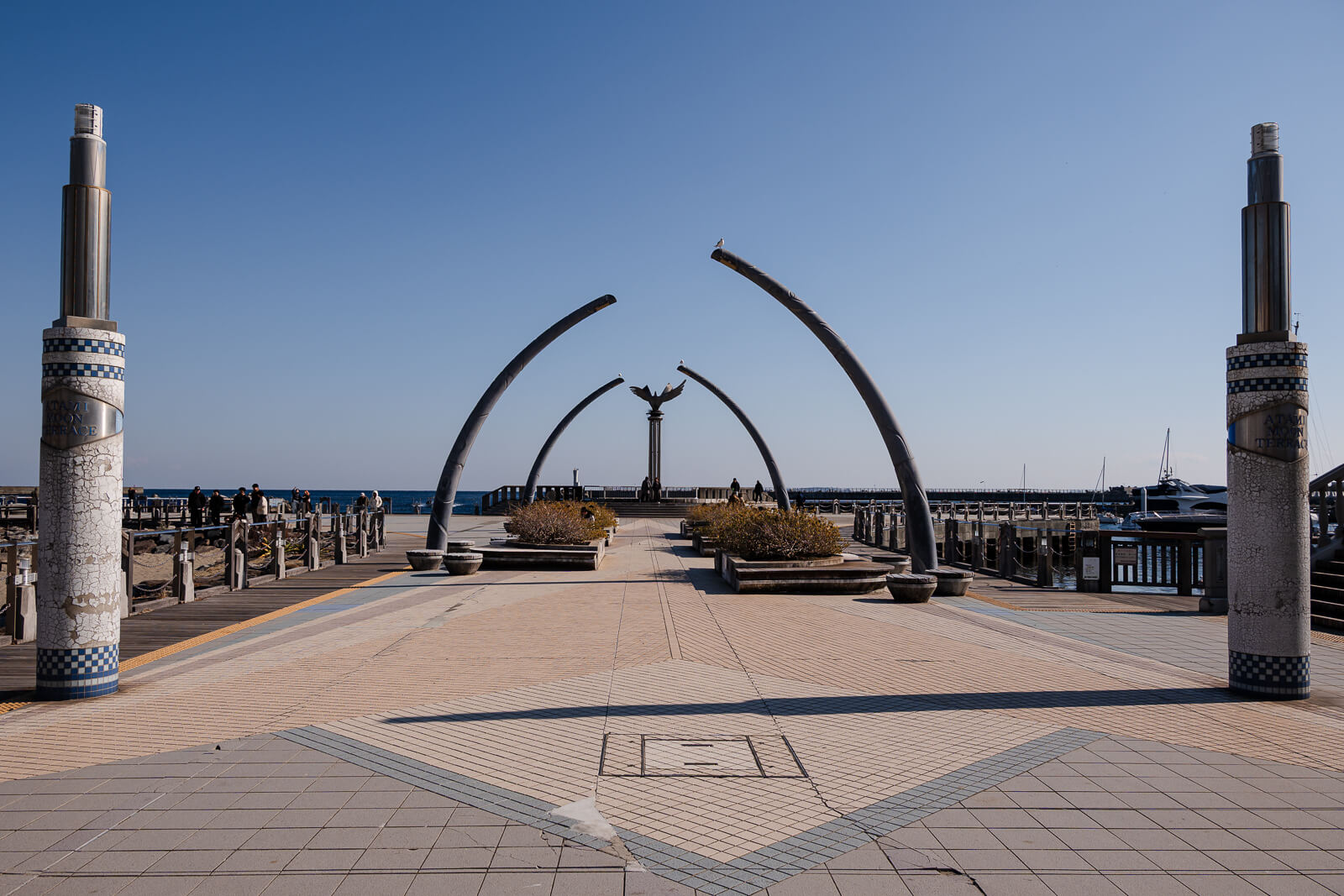
What Moon Terrace is like to walk and when it fits into your visit
At certain points along the waterfront, the atmosphere shifts slightly, especially near the harbor where activity becomes more concentrated. The same open space begins to take on a different energy, with movement clustering and the pace becoming more defined, even while remaining easy to move through.
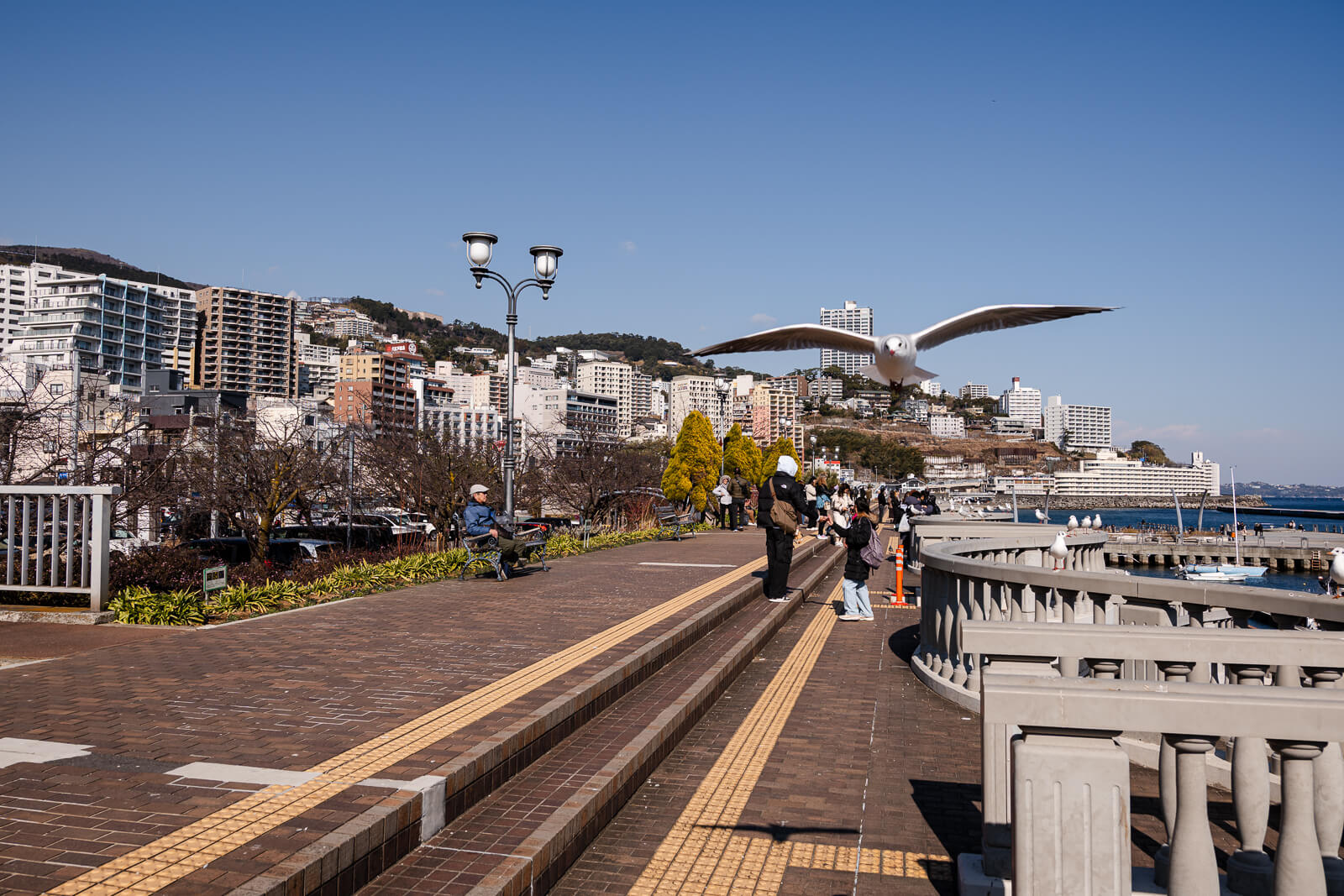
What to expect around Atami Water Park and the harbor area
Because of that, the waterfront works well even when time is limited. It gives a clear sense of Atami without asking much from the day, and it’s often enough to feel like the visit has started to come together. At the same time, it only shows part of what the city offers, with other layers remaining just outside that immediate view.
From here, the experience begins to change as you move back toward the station, where movement becomes more segmented and choices start to matter more.
Where Movement Shifts Near the Station
Moving away from the waterfront, the experience begins to change around the station. The open space gives way to a denser environment, where activity increases and movement becomes more contained. This is where most visits pass through at some point, whether arriving, leaving, or shifting between areas.
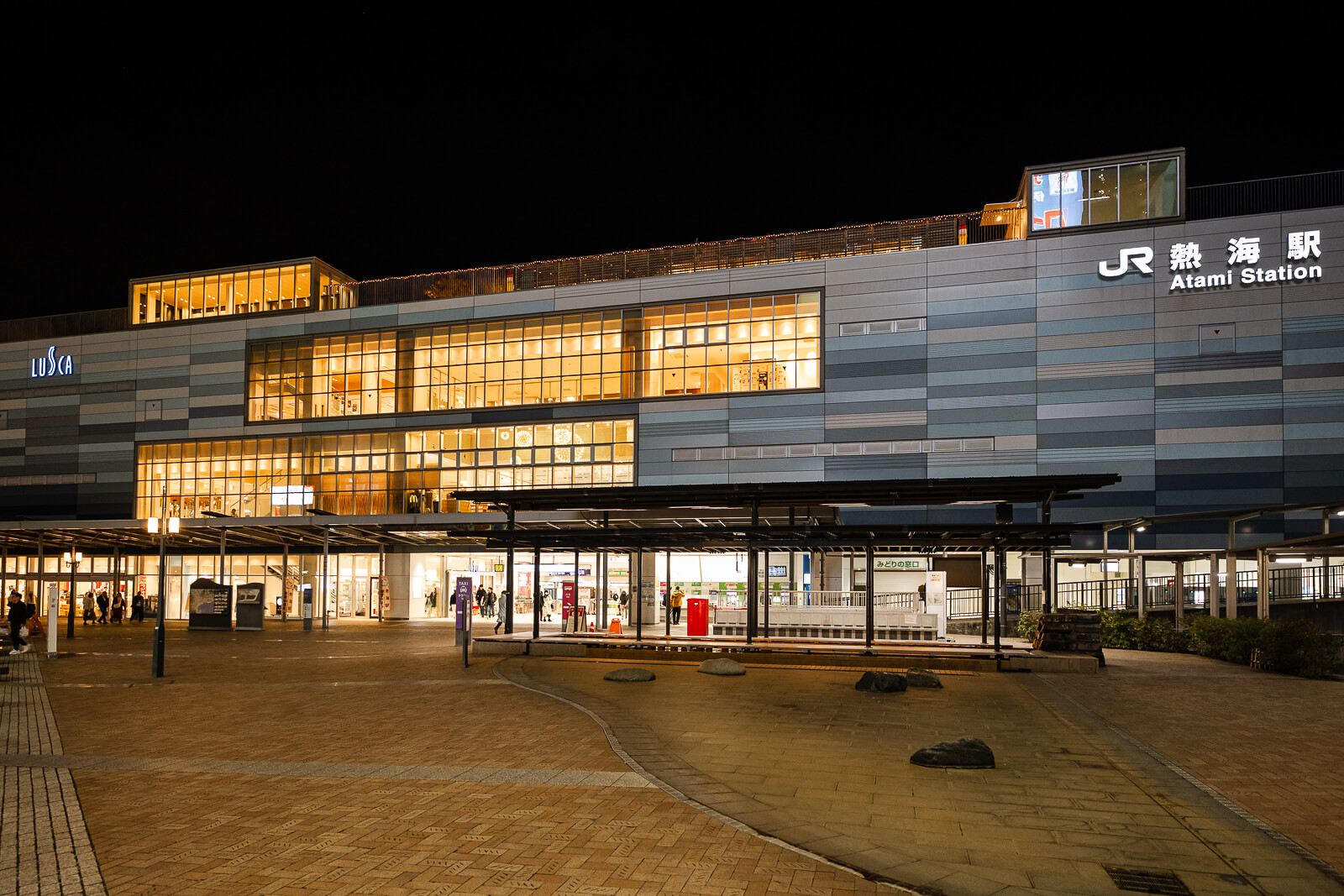
Here, movement becomes less fluid and more broken into shorter segments. Streets branch outward in different directions, and decisions begin to happen more frequently. The rhythm shifts into short bursts—walking, stopping, adjusting direction—rather than the continuous flow found along the coast.
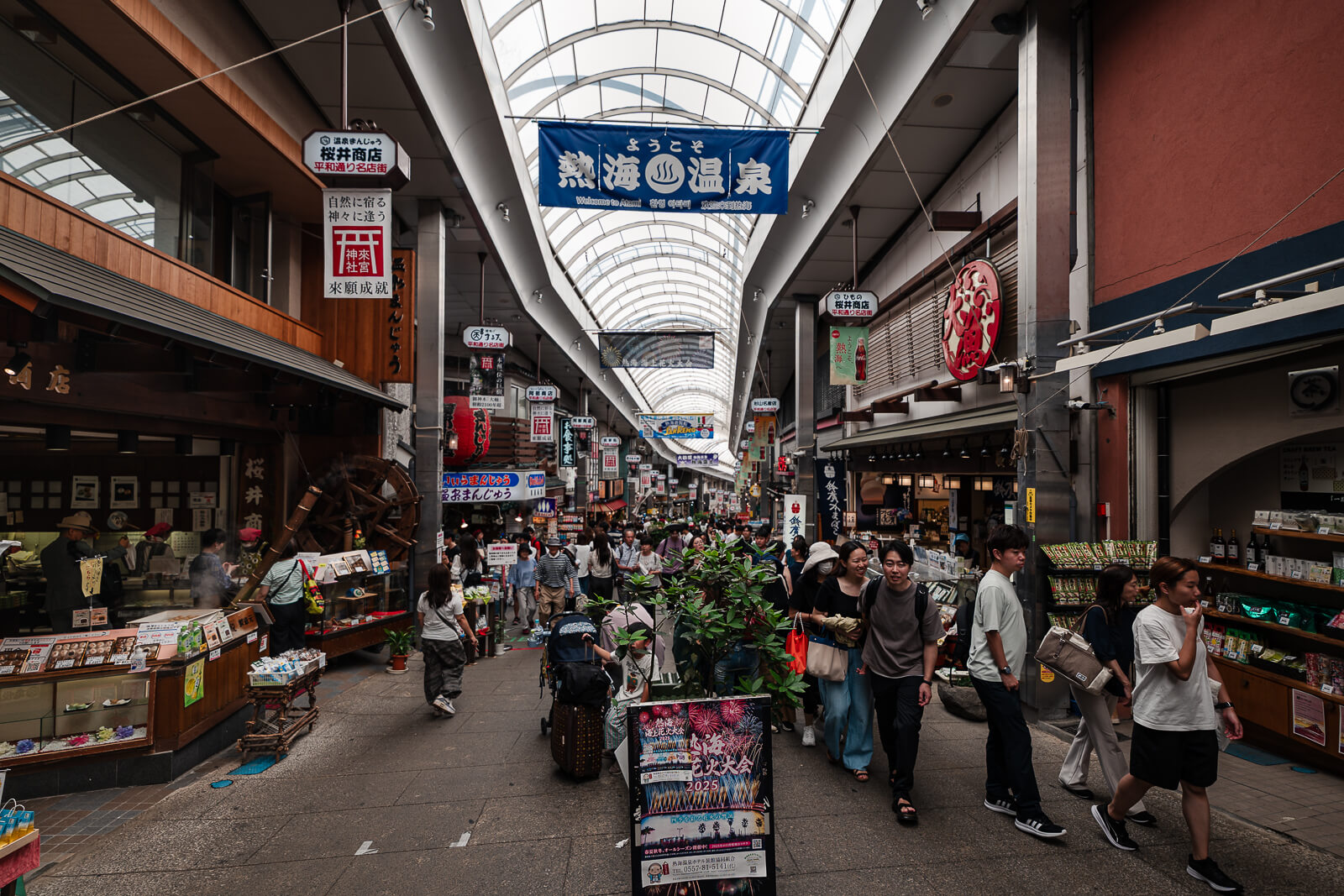
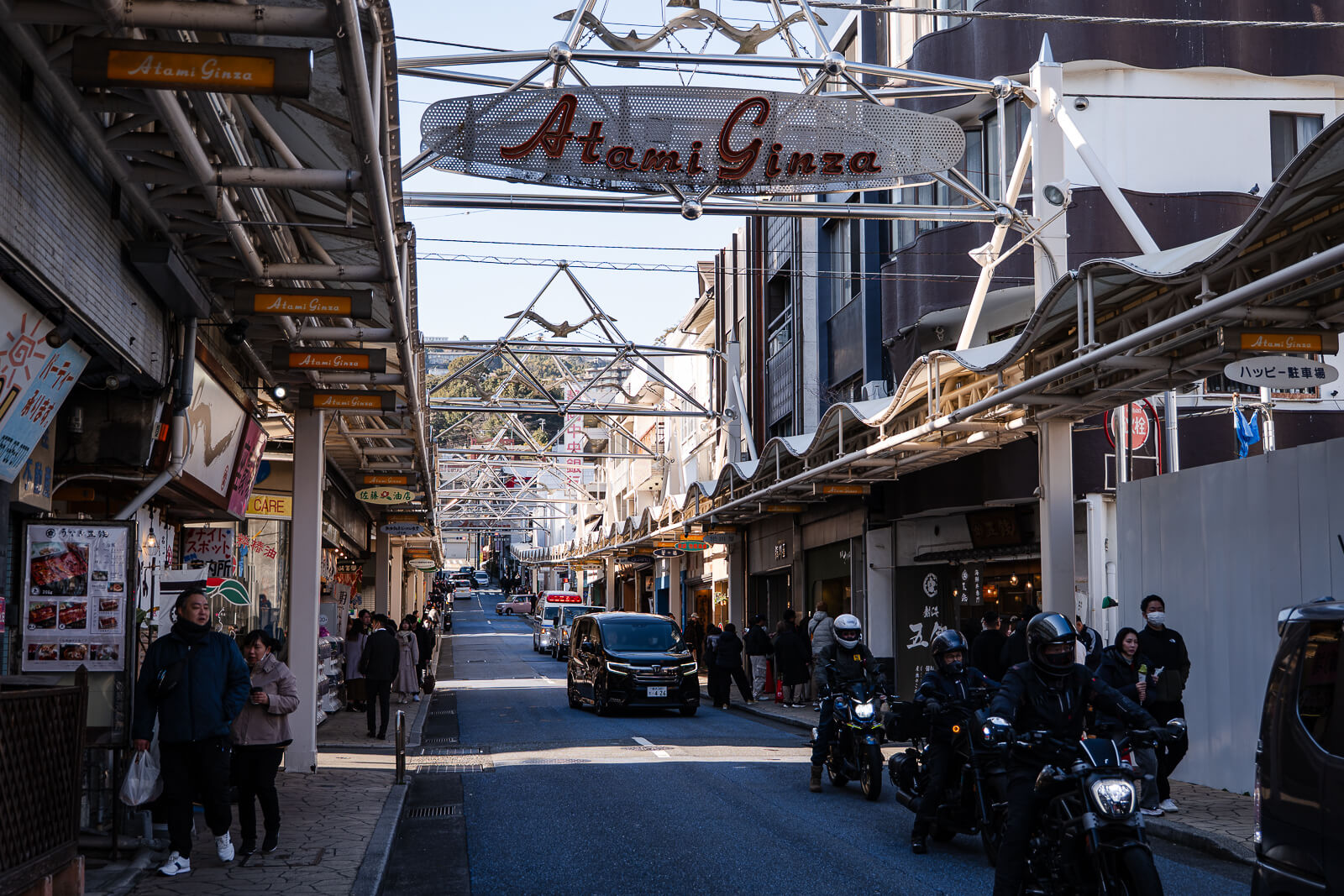
Is it worth spending time in Atami’s shopping streets
Even though distances remain close, the experience becomes more mentally active. It’s easy to move through, but it requires more attention. The layout encourages quick choices, whether to continue inland, return toward the waterfront, or begin moving upward toward the hillside. Each direction changes how the rest of the visit unfolds.
Because of that, the station area rarely becomes the focus of the visit, but it shapes it in subtle ways. It connects everything without fully belonging to any one part, acting as the point where the day either continues smoothly or begins to take on a clearer direction.
From here, the city starts to rise, and the experience shifts again as movement becomes more intentional and tied to elevation.
Where the City Begins to Rise
From the station area, the city starts to lift into the hills, and the experience changes again. Movement is no longer shaped by short streets and quick decisions, but by where you’re heading and how you get there. Once you begin moving upward, the day starts to feel different.
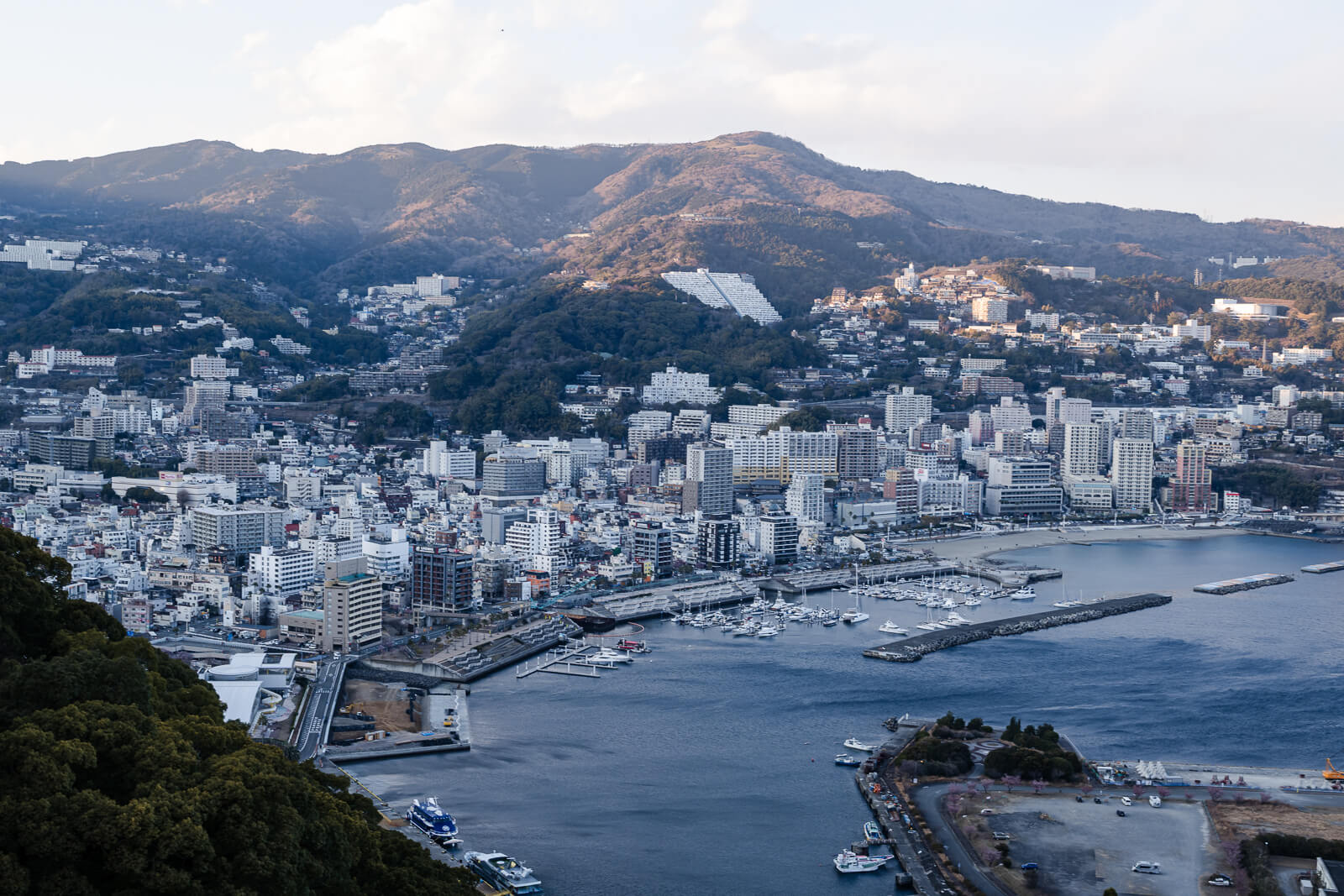
The pace slows naturally here. Distances begin to feel more noticeable, not because they are far, but because getting from one place to another becomes part of the experience. Some routes lead upward more directly through the city, while others begin closer to the coast and rise more gradually as the view opens along the way.
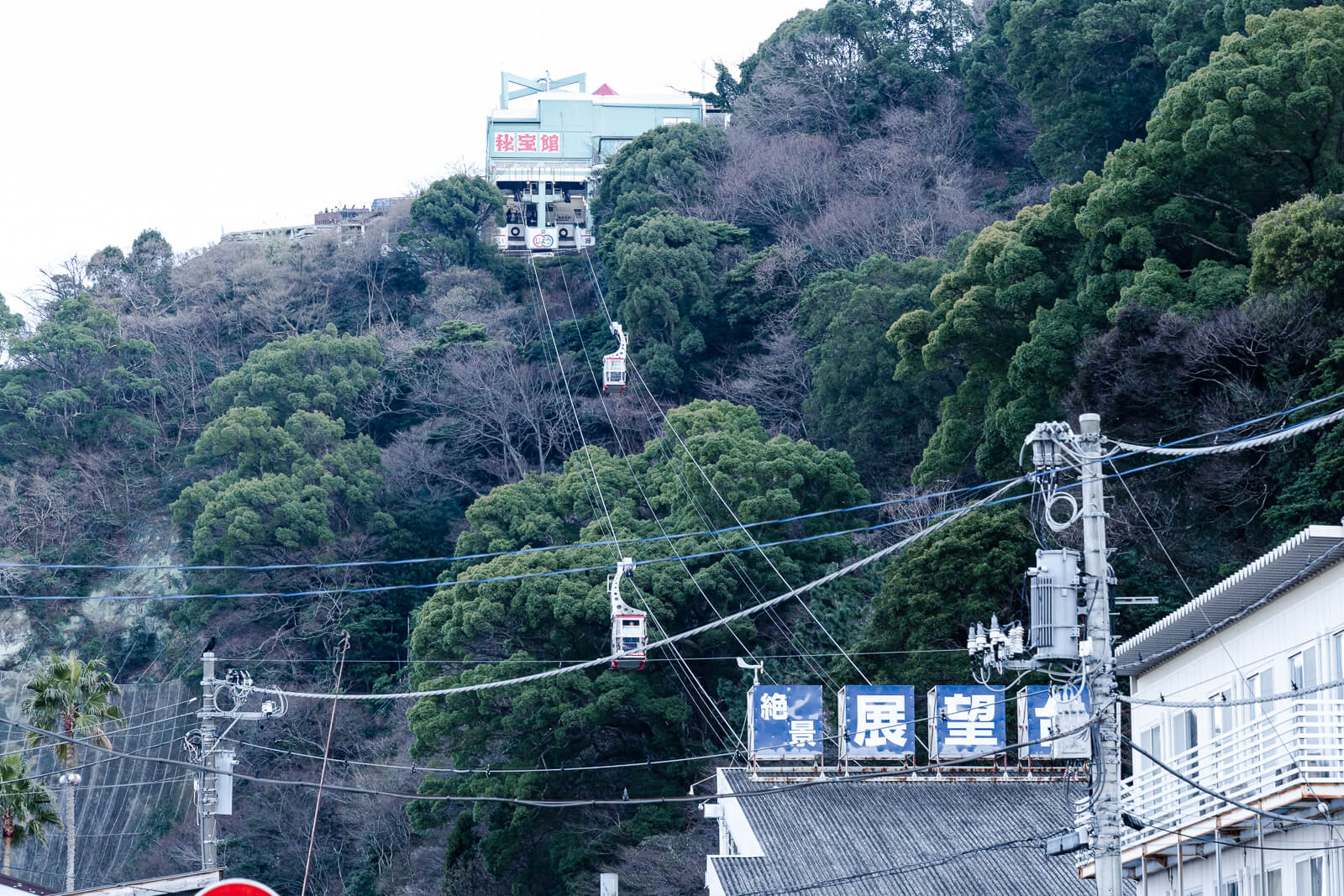
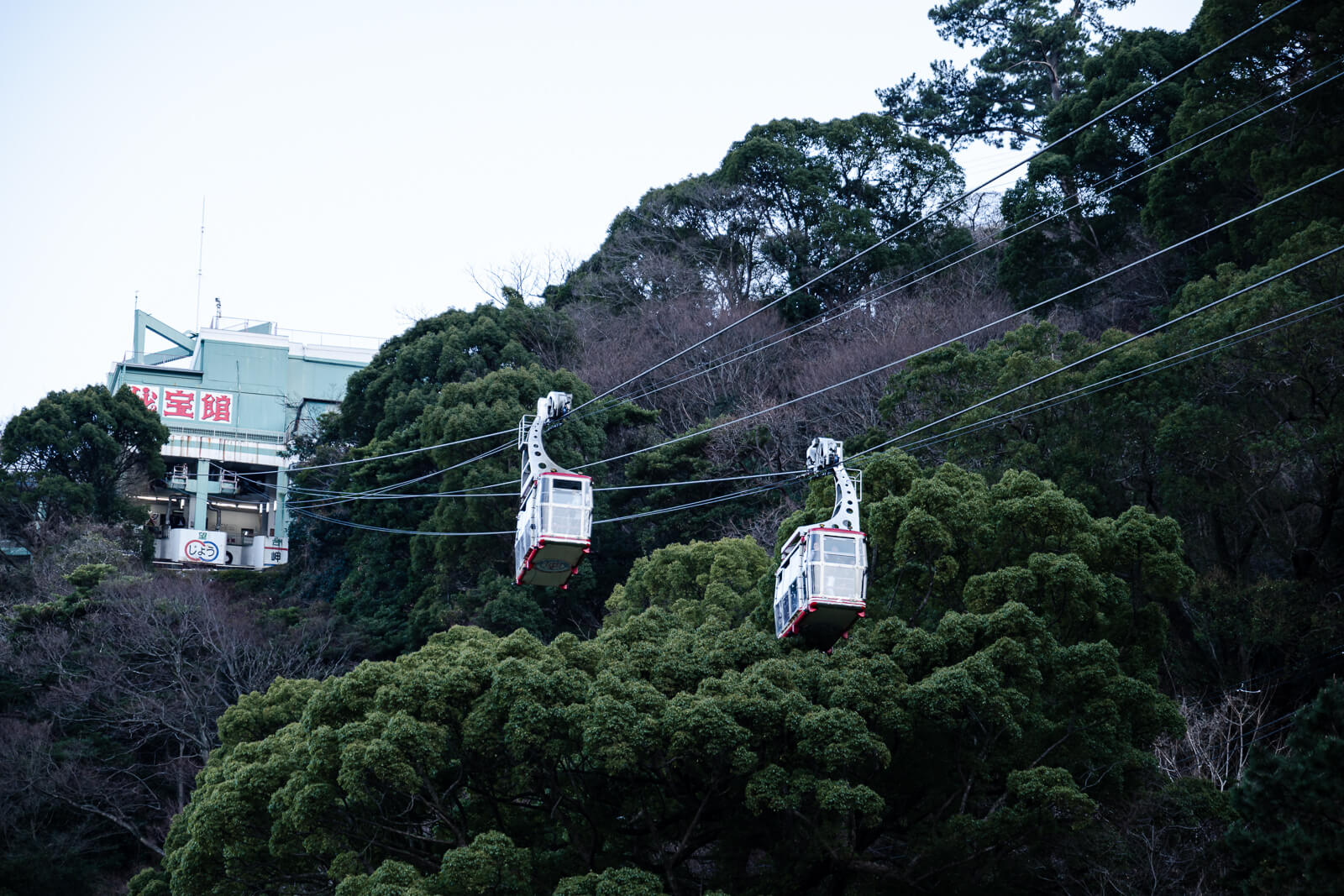
What the Atami Ropeway is like and whether it’s worth going up
That difference changes how the day unfolds. More direct routes tend to bring the climb forward, while approaches that follow the coastline allow the shift upward to happen more gradually, linking the lower parts of the city with what sits above. Either way, once you move into this layer, time begins to gather around fewer places instead of spreading across many.
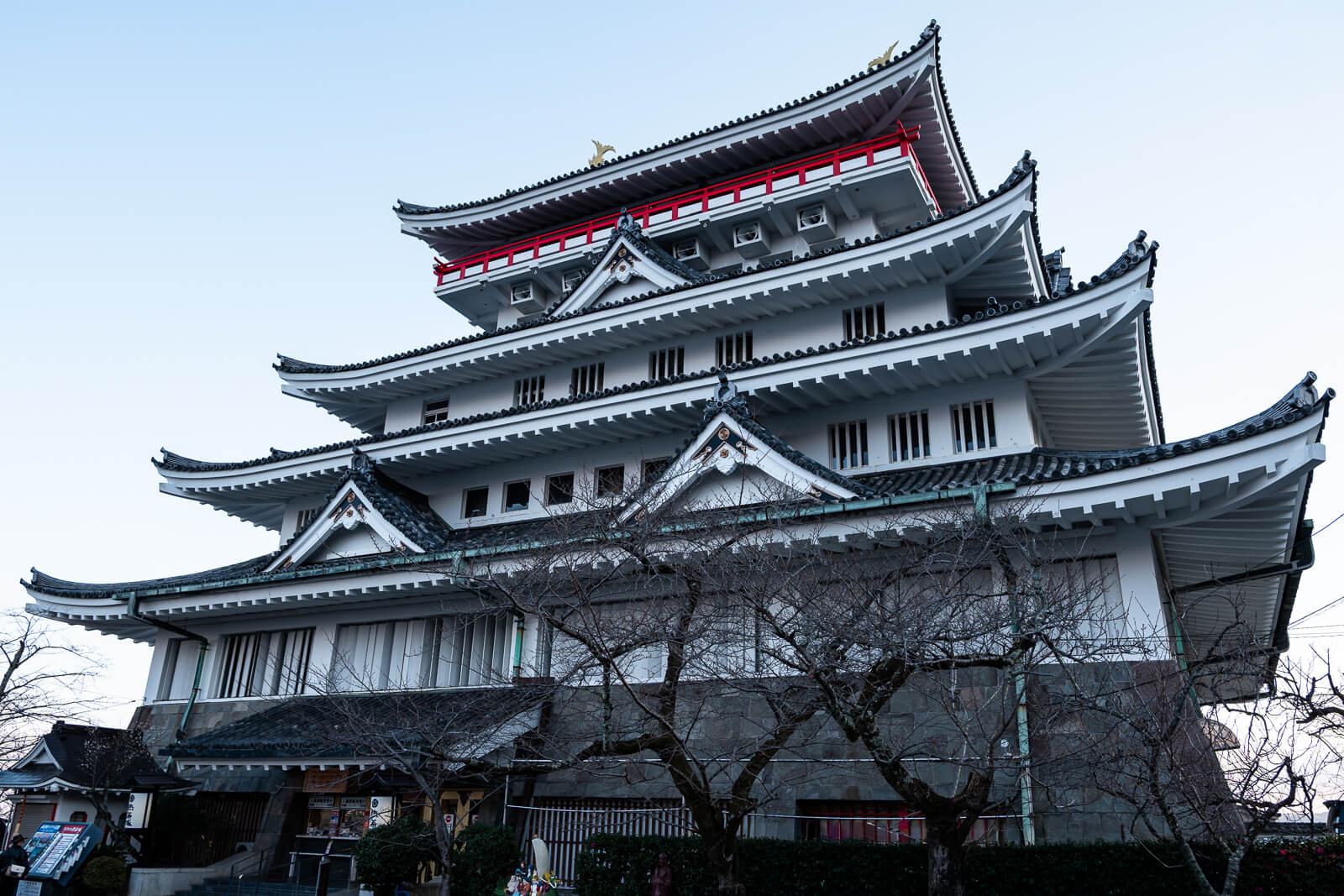
Is Atami Castle worth your time once you’re up there
Because of that, the hillside tends to take up a larger part of the day rather than fit into smaller gaps. It adds contrast to the lower parts of the city, but it doesn’t blend easily with everything else. What you reach at the top becomes less about any single point and more about how the climb changes the feel of the visit.
This shift isn’t about difficulty, but about how the day begins to settle once you’re there. The hillside is still accessible, but it asks for more deliberate movement and a clearer sense of where you’re going. In return, it changes how Atami feels, turning what can begin as a flexible visit into something that follows a more natural rhythm.
Where the Pace Begins to Settle
Away from the main movement of the waterfront and station, the city opens into quieter pockets that sit slightly apart from the main flow. These spaces aren’t always encountered naturally unless there is time to step away from the more active parts of the city.
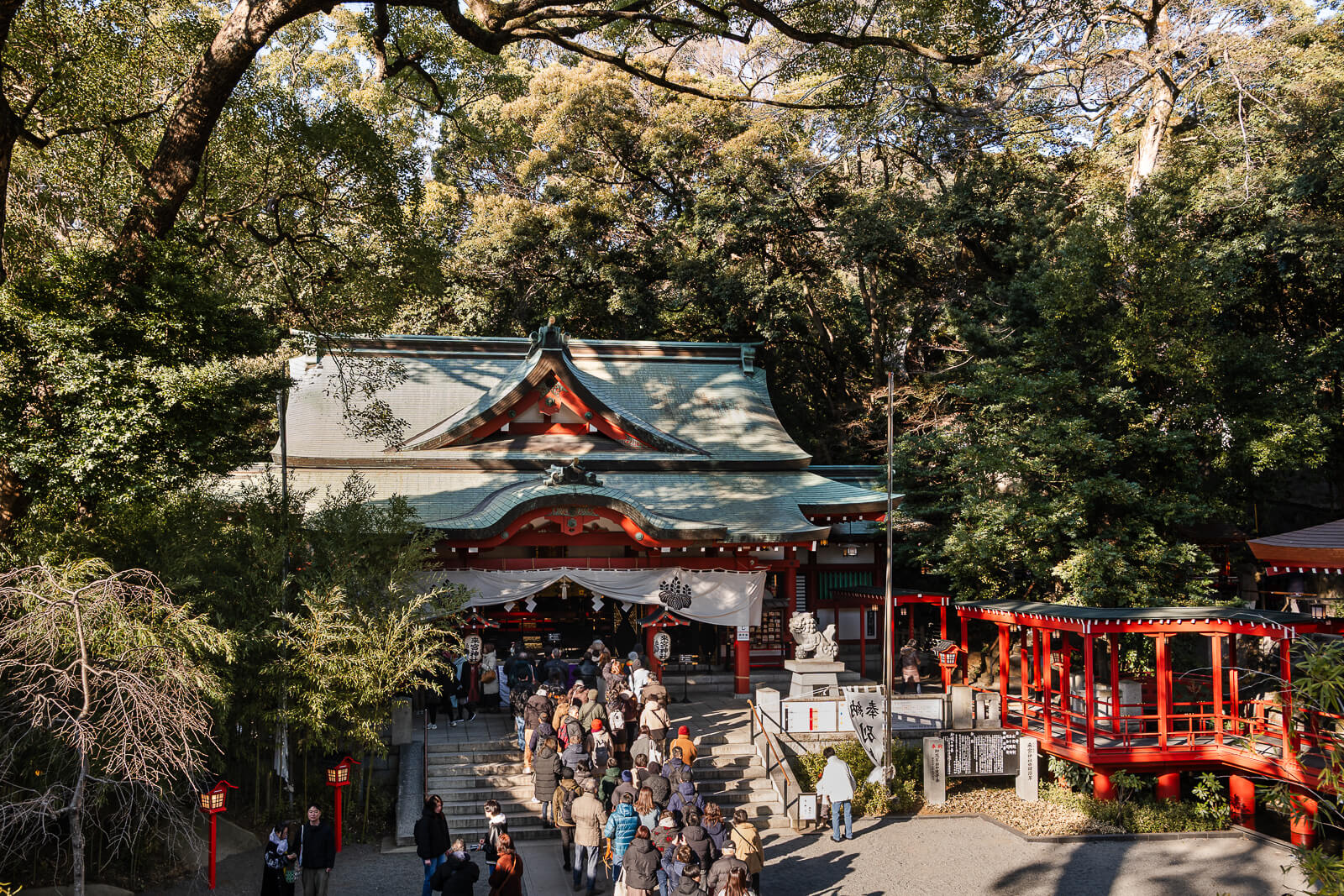
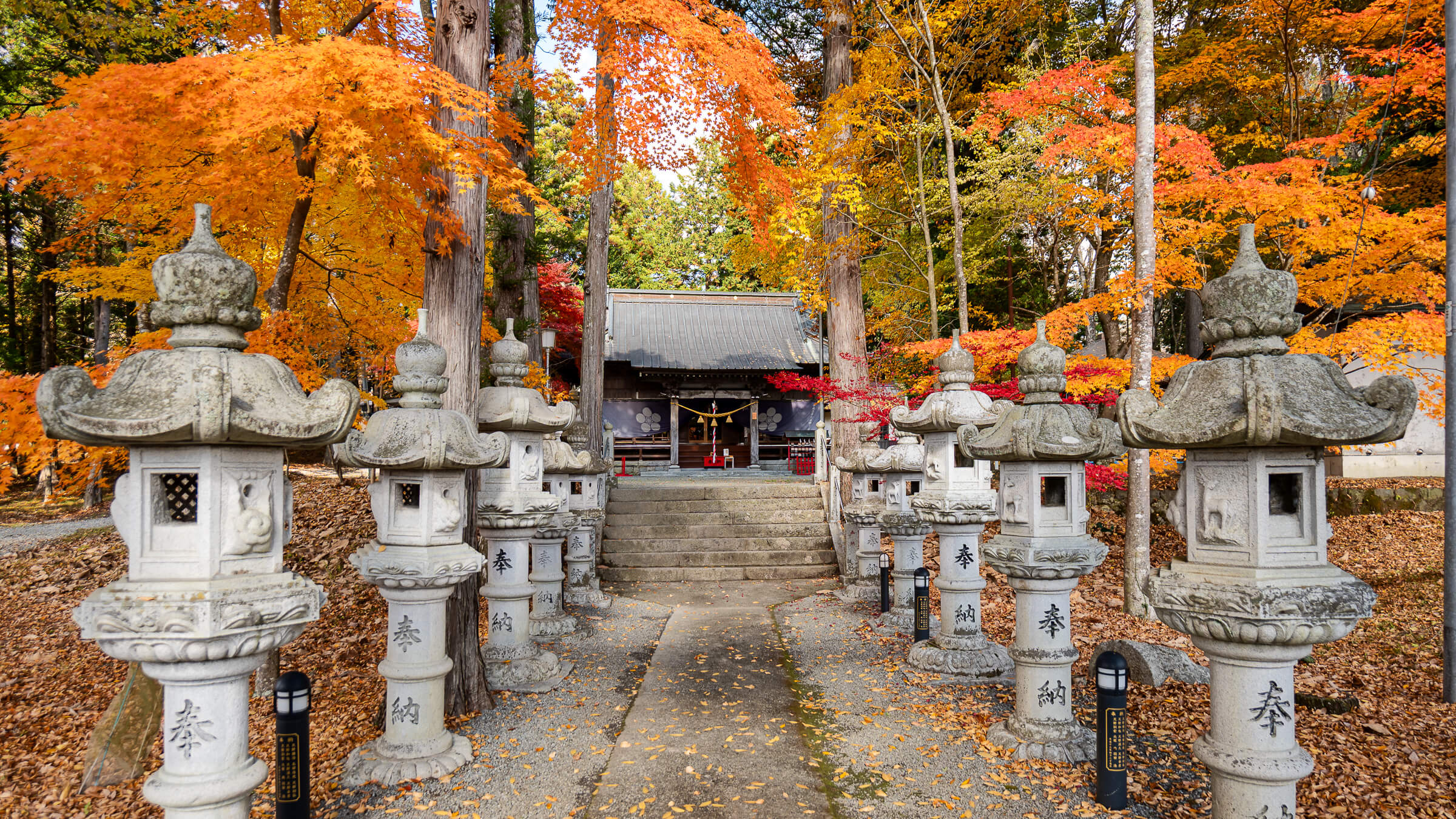
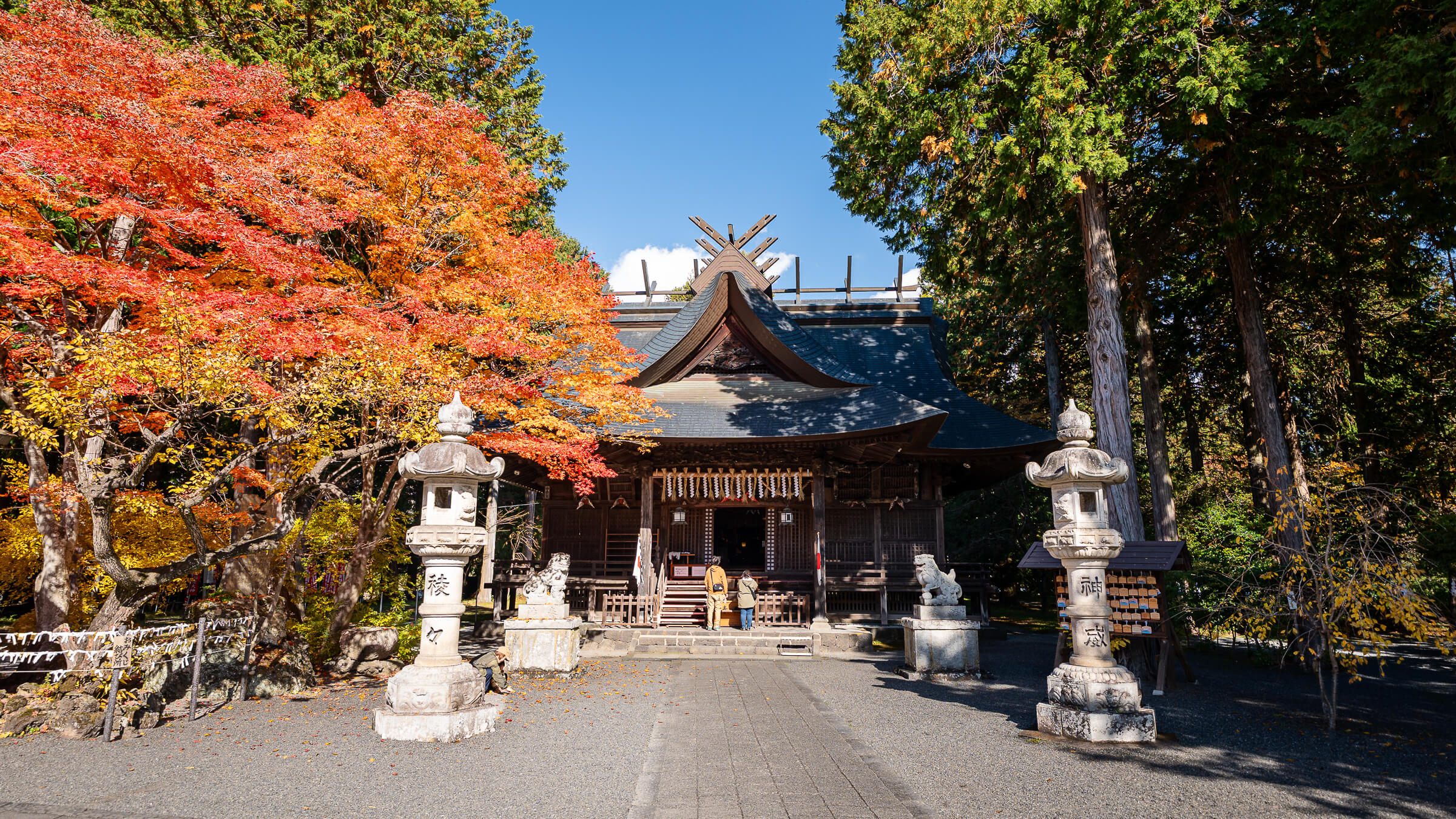
What Kinomiya Shrine is like to visit and whether it fits into your day
The shift in pace is noticeable without needing to slow it on purpose. Movement becomes less about deciding where to go next and more about staying in one place for longer stretches. Spaces like Kinomiya Shrine sit close enough to the center to feel accessible, but different enough that the experience changes once you’re there.
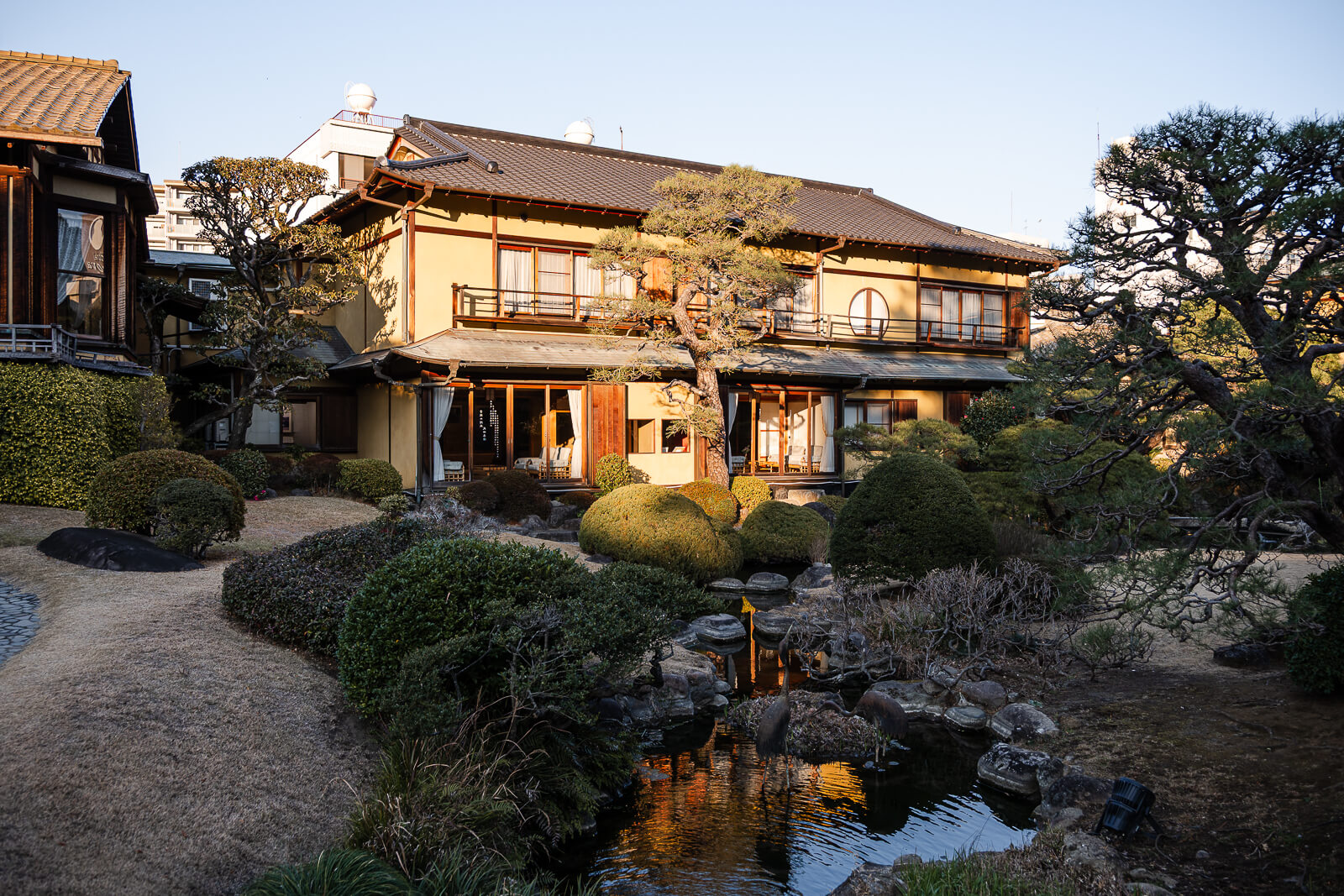
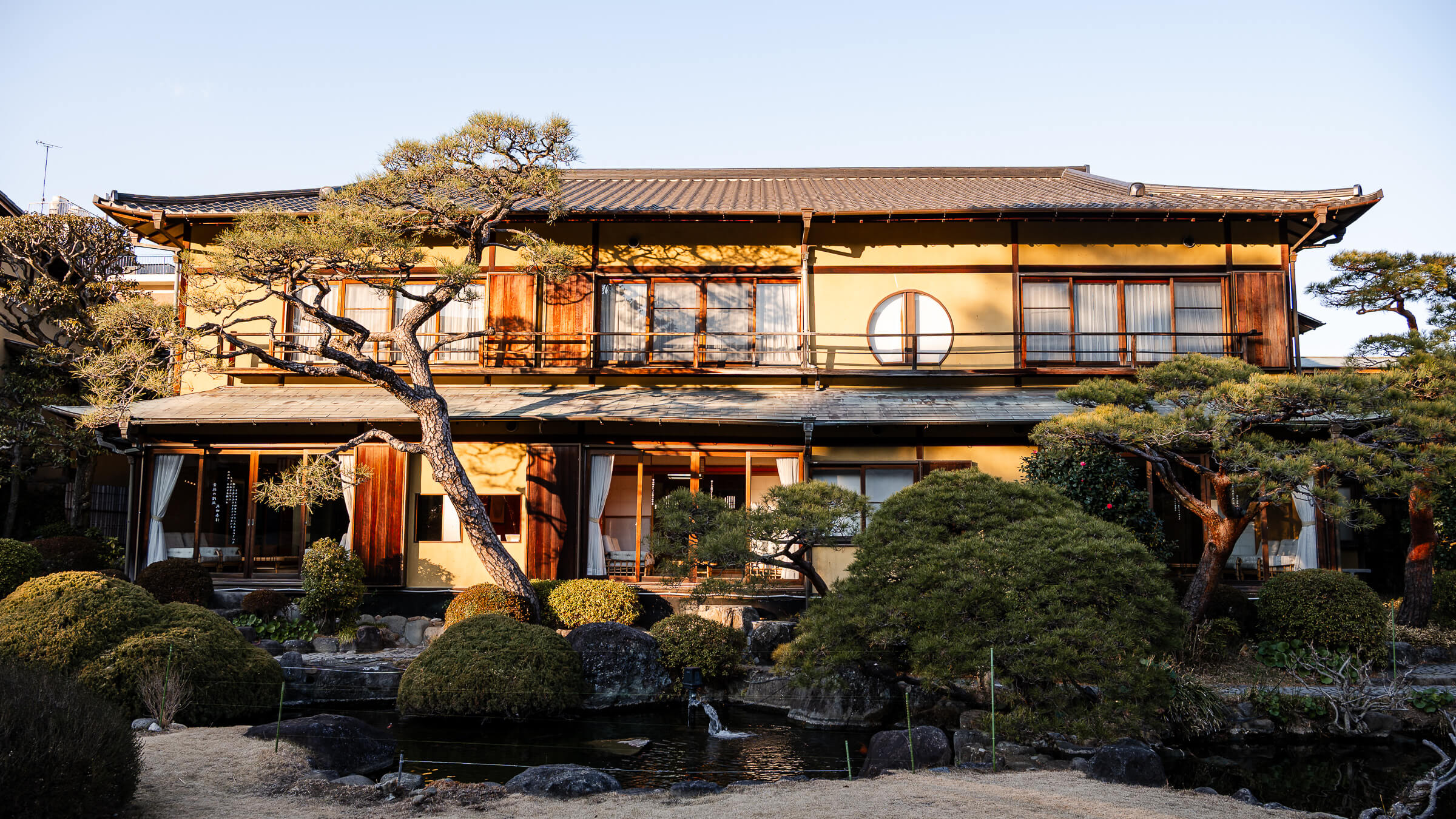
Is Kiunkaku worth including in your Atami visit
Beyond that, this layer becomes easier to leave out in a shorter visit. It doesn’t compete for attention in the same way as the waterfront or hillside, and it can be skipped without disrupting the overall flow of the day. At the same time, it adds a different kind of depth, changing how the city feels rather than how much is seen.
This part of Atami doesn’t demand much, but it does depend on having the space to slow down. When it’s included, it softens the pace of the visit and balances the more active parts of the city. When it’s left out, the experience remains complete, but more focused on movement than stillness.
How the Day Begins to Take Shape
For most visits, the day doesn’t follow a fixed path, but it begins to come together quickly once you arrive. The first decisions often happen almost without thinking—moving toward the waterfront for space and clarity, or staying near the station where everything branches outward.
From there, the day starts to take shape through movement. Staying along the coast keeps things open and easy to adjust, while moving back through the station area brings shorter stops and more frequent decisions. Each shift between these areas changes the pace, even if the distances remain relatively close.
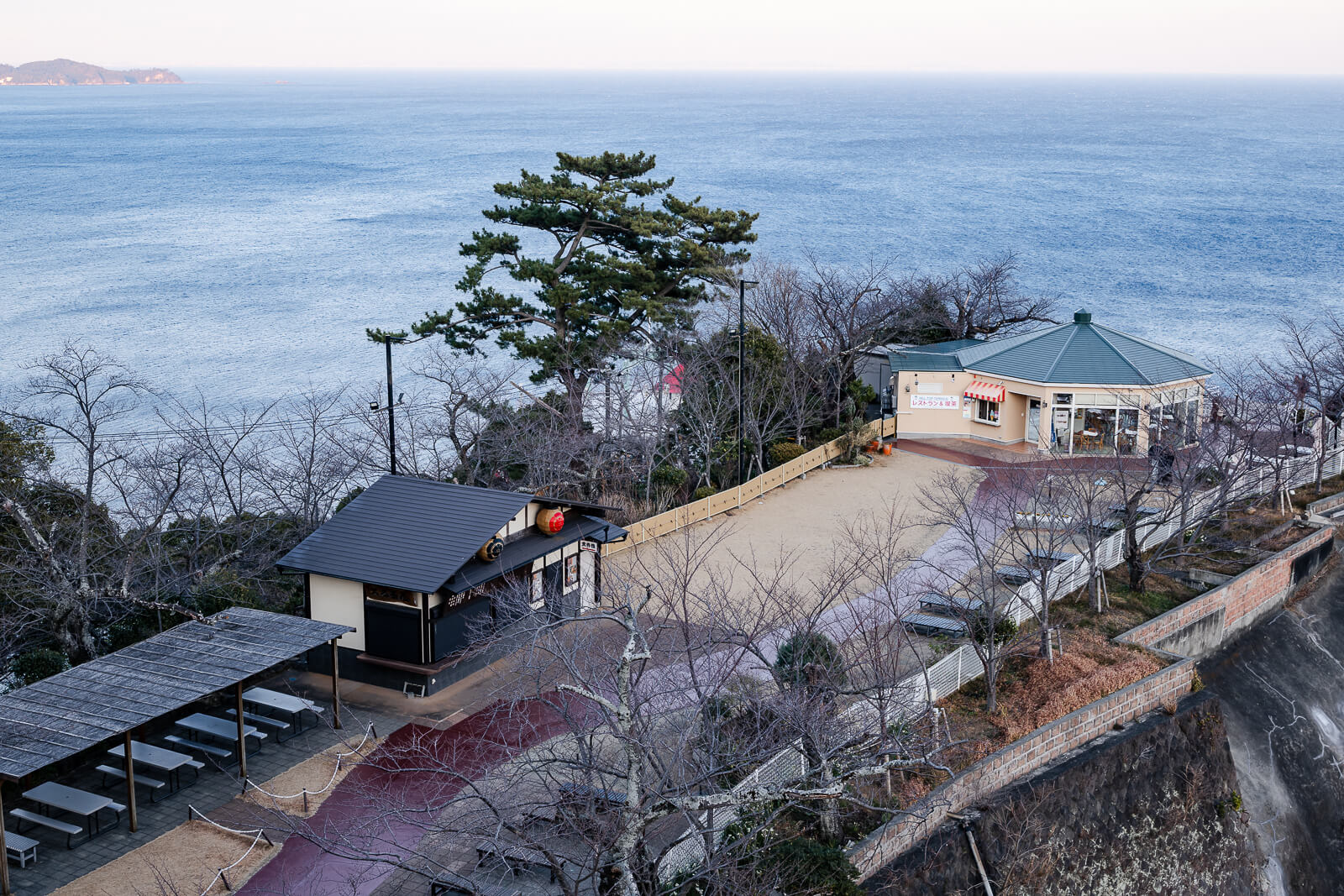
As the day moves between these areas, time fills in more quickly than expected. Starting near Kinomiya Shrine can feel like an easy addition given how close it sits to the station, but continuing from there often leads back through the central streets and down toward the coast. Along that stretch, smaller stops, food, and the overall pace begin to shape the day before you reach the waterfront.
From there, the visit can continue in different directions. Moving upward into the hillside introduces a different rhythm, where more time gathers around fewer places, while staying closer to the coast keeps things more continuous. Both paths fit naturally depending on how the day develops.
At the same time, it’s just as easy to pause that movement. Quieter spaces sit just outside the main flow, where the pace drops and the experience shifts toward staying in one place a little longer. These moments don’t require planning, but they do depend on having enough time to let the day slow on its own.
When the Pace Begins to Shift
At some point in the visit, the pace changes. Not because the city is different, but because your time starts to narrow what’s realistically possible.
On a shorter visit, that happens quickly. The day breaks into smaller segments, and each decision matters more. Staying near the waterfront or around the station keeps things simple, but it also naturally limits how far the day extends. Other parts of Atami aren’t difficult to reach, but they require time you may not have without giving something else up.
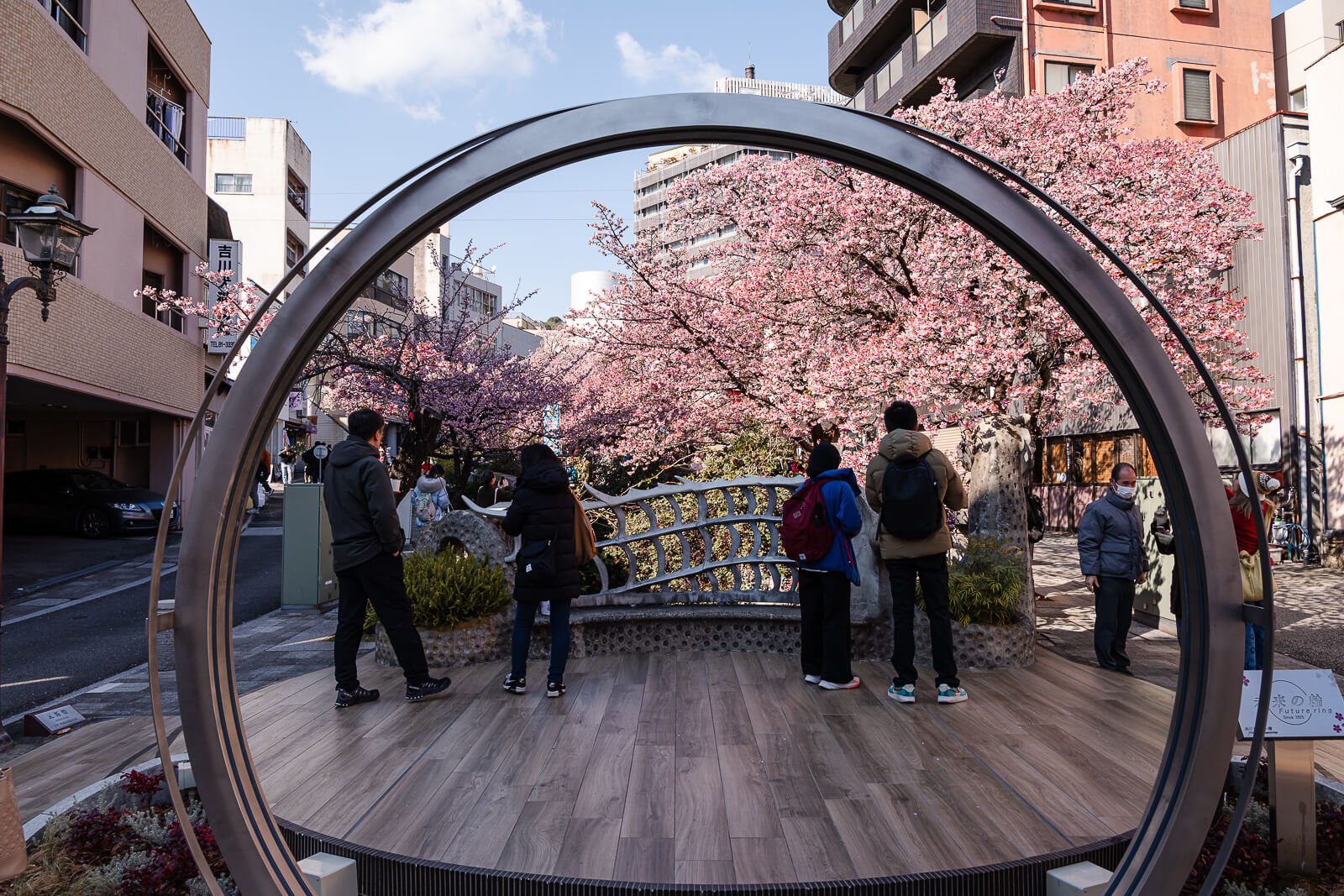
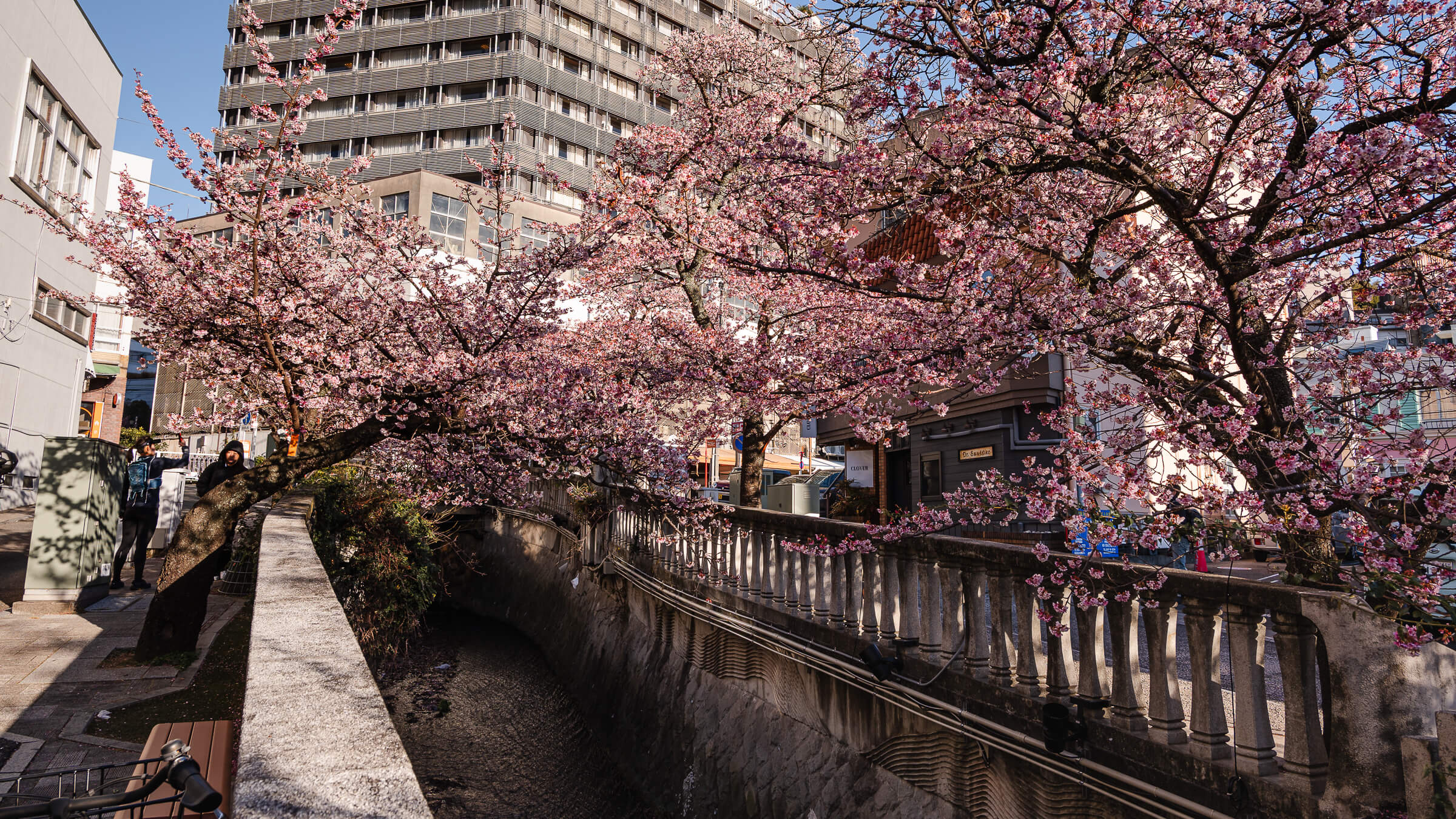
How the Itokawa Promenade fits into a walking route through Atami
With more time, that pressure eases. The day stays open longer, and moving between areas feels more continuous. Transitions stop feeling like decisions and start feeling like part of the experience. This is where the difference between covering the city and actually settling into it becomes more noticeable.
A shorter visit keeps things focused and contained. More time allows the city to connect in a way that changes how it feels overall. Neither approach is wrong, but they lead to different kinds of days.
Staying Overnight — What Changes Once You’re Not Watching the Clock
Up to this point, the visit has been shaped by moving between places—where to go next, how to connect different areas, and how much can fit into the time available. Staying overnight changes that completely. The focus shifts away from getting through the city and toward spending time within it.
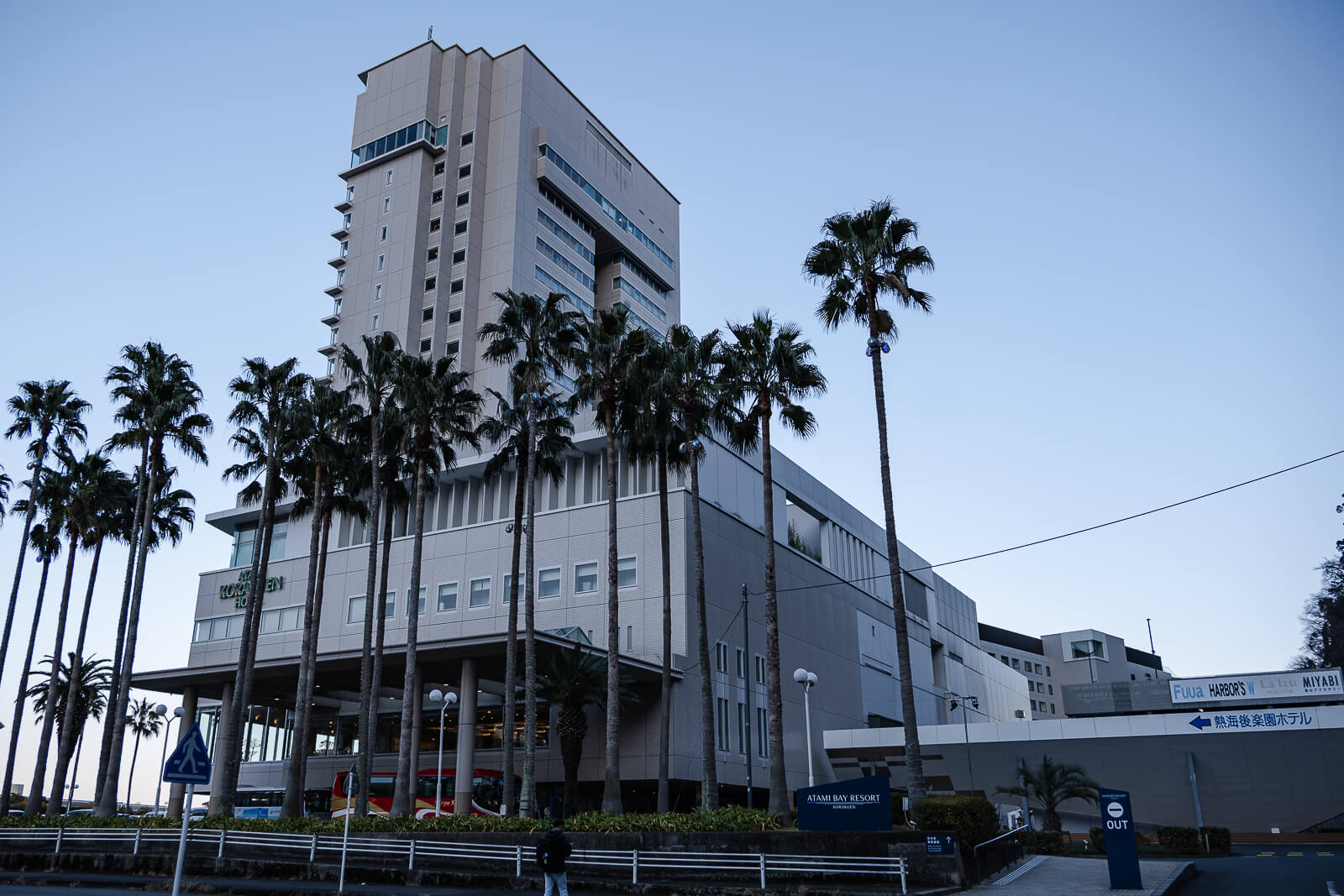
The pace slows on its own. Instead of fitting different parts of Atami into a limited window, the day begins to center around a smaller number of places. There’s no need to keep everything moving forward, and the experience becomes less about covering ground and more about staying present in where you are.
Evening changes the feel of the city further. The waterfront quiets down, the station area loses much of its daytime energy, and the overall atmosphere becomes calmer. Movement still happens, but it’s no longer driven by trying to reach the next place. The day starts to follow its own rhythm rather than being shaped by time.
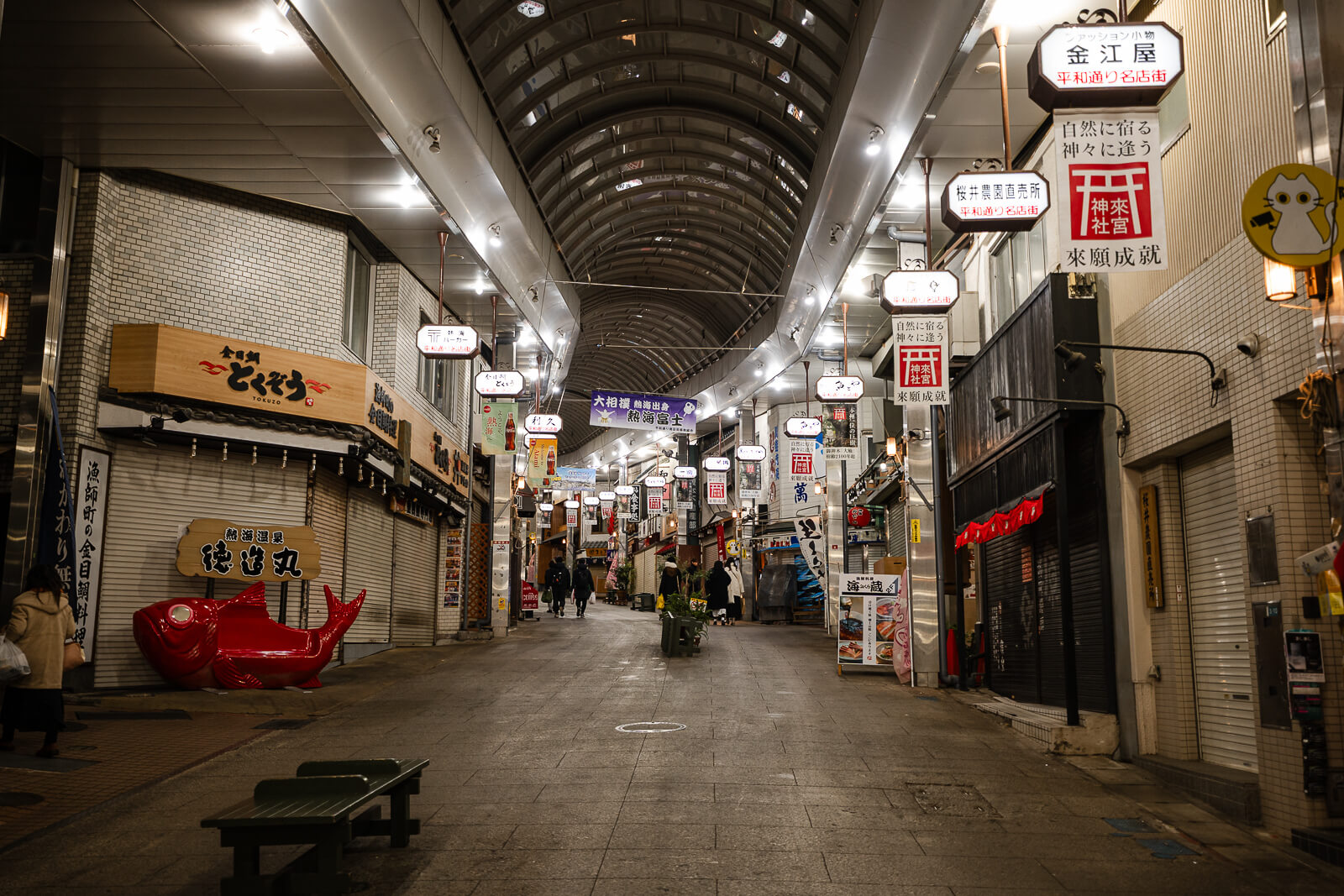
This doesn’t make the visit more complete, but it does make it feel different. Places that might feel separate during a shorter visit begin to connect more naturally, and the need to choose between areas becomes less noticeable. The hillside, waterfront, and quieter spaces start to feel like part of the same experience rather than competing for time.
At the same time, staying overnight comes with its own tradeoffs. It requires more commitment, both in time and planning, and it changes the role Atami plays within a larger trip. What might begin as a stop along the way becomes a place you build part of the trip around instead.
How to Choose Without Overthinking
By this point, the decision usually becomes clearer. Not because one approach stands out as better, but because each one starts to feel different in a way that’s easier to recognize.
A shorter visit tends to stay close to the waterfront and station, where movement remains simple and the experience comes together quickly. It gives a clear sense of Atami without needing to stretch beyond what naturally fits into the time you have.
With more time, the visit begins to open up. Moving upward into the hillside or stepping into quieter spaces changes the pace, allowing different parts of the city to connect in a way that doesn’t happen as easily within a shorter window. The experience becomes less about choosing what fits and more about letting the day unfold.
Staying overnight shifts that balance further. The need to organize the day around time begins to fall away, and the visit becomes something that settles into place rather than something that needs to be managed. What changes isn’t just what you see, but how the entire experience feels from beginning to end.
None of these approaches are more complete than the others. Each one works on its own terms, depending on how Atami fits into the rest of the trip. In the end, it comes down to how you want the day to feel—and how much space you’re willing to give it.