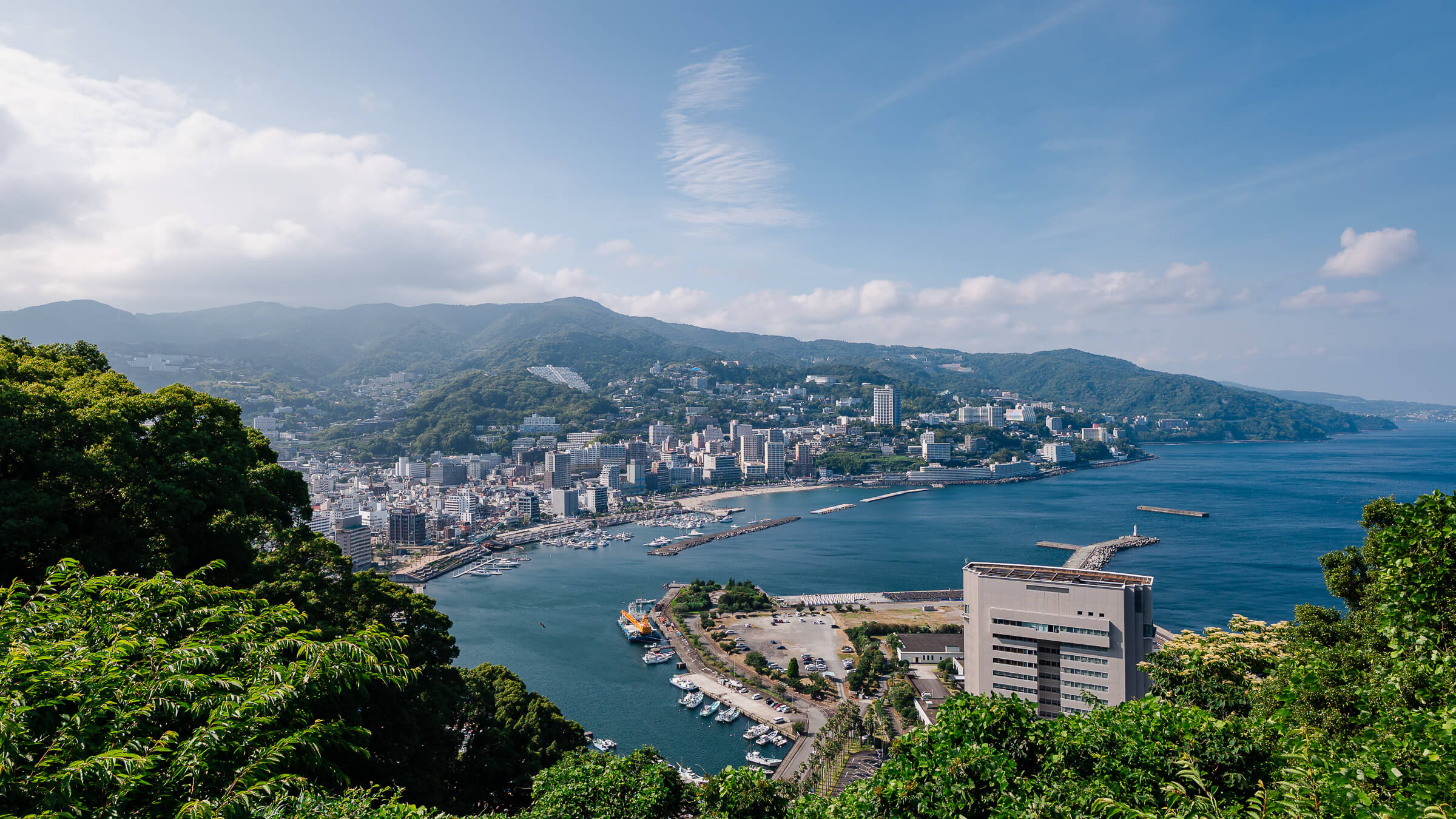
Atami 1-Day Itinerary from Atami Station
From Kinomiya Shrine to the Seaside Atami is one of the easiest hot-spring towns to reach from Tokyo, but the city takes more planning once travelers arrive. Located in Shizuoka…

Shizuoka Prefecture lies along Japan’s Pacific coast in the Chubu region. It forms a long corridor between Tokyo and Nagoya and follows the historic Tokaido transport route. Mount Fuji defines the northern skyline. Suruga Bay and the Izu Peninsula shape the southern edge.
This placement creates a prefecture that stretches rather than clusters. Distances run east to west. Coastal geography shifts quickly from steep inlets to wider plains.
The eastern boundary begins near Atami, where rail lines hug the shoreline. South of there, the Izu Peninsula extends into the Pacific. Inland areas move toward Fuji’s lower slopes and broader agricultural valleys.
Shizuoka operates as a sequence of distinct zones rather than a single focal city.
The Izu Peninsula consists of smaller towns connected by coastal roads. Stops sit farther apart than they appear on a map. The Fuji corridor changes the landscape again, with elevation and visibility playing a larger role in how a visit unfolds.
Shizuoka City anchors the center of the prefecture. The Shimizu district faces Suruga Bay and reflects its maritime position. Miho no Matsubara runs along this shoreline, with Mount Fuji visible across the water when conditions allow.
Further west, Hamamatsu faces Lake Hamana and marks the transition toward Aichi Prefecture. Its layout differs from the eastern coastal towns and the Fuji-facing corridor.
Rail lines connect the main east–west corridor efficiently. Major stations link directly to Tokyo and Nagoya. Movement becomes more dispersed once you leave that spine.
The Izu Peninsula covers more ground than rail maps suggest. Travel times increase as the coastline curves. Central Shizuoka remains rail-accessible, while western areas combine rail and road depending on destination.
Treating the prefecture as one compact base rarely reflects its scale. Movement typically follows sub-regions rather than a single hub.
From Kinomiya Shrine to the Seaside Atami is one of the easiest hot-spring towns to reach from Tokyo, but the city takes more planning once travelers arrive. Located in Shizuoka…
Why This Isn’t as Straightforward as It Looks Atami sits along the coast southwest of Tokyo, positioned between the capital, Odawara, Hakone, and the Izu Peninsula. The Shinkansen stops directly…
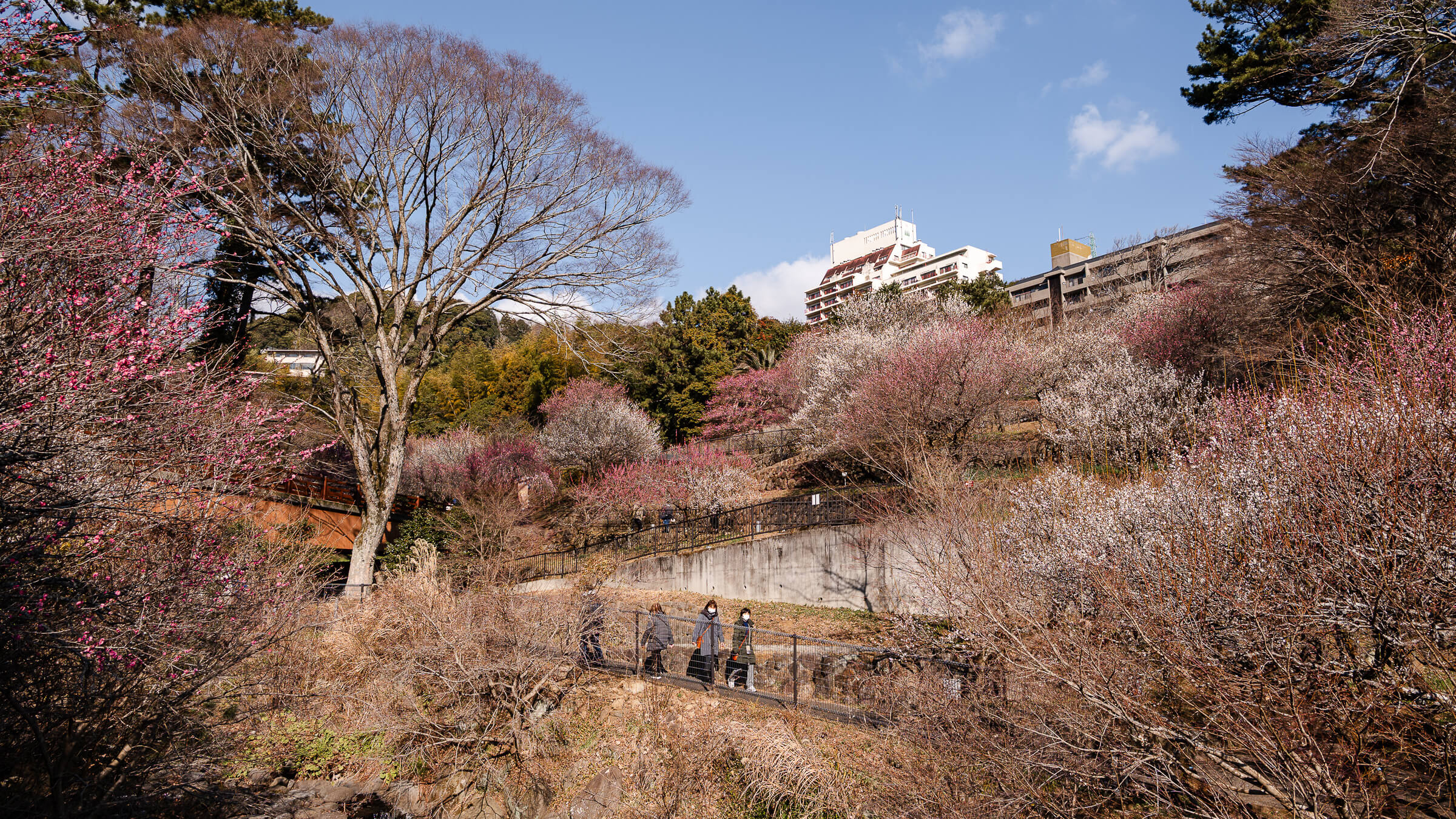
The Stream Valley Where Plum Trees Climb the Hillside Atami Plum Garden occupies a narrow hillside valley above the Kinomiya district of Atami, a short distance inland from the waterfront…
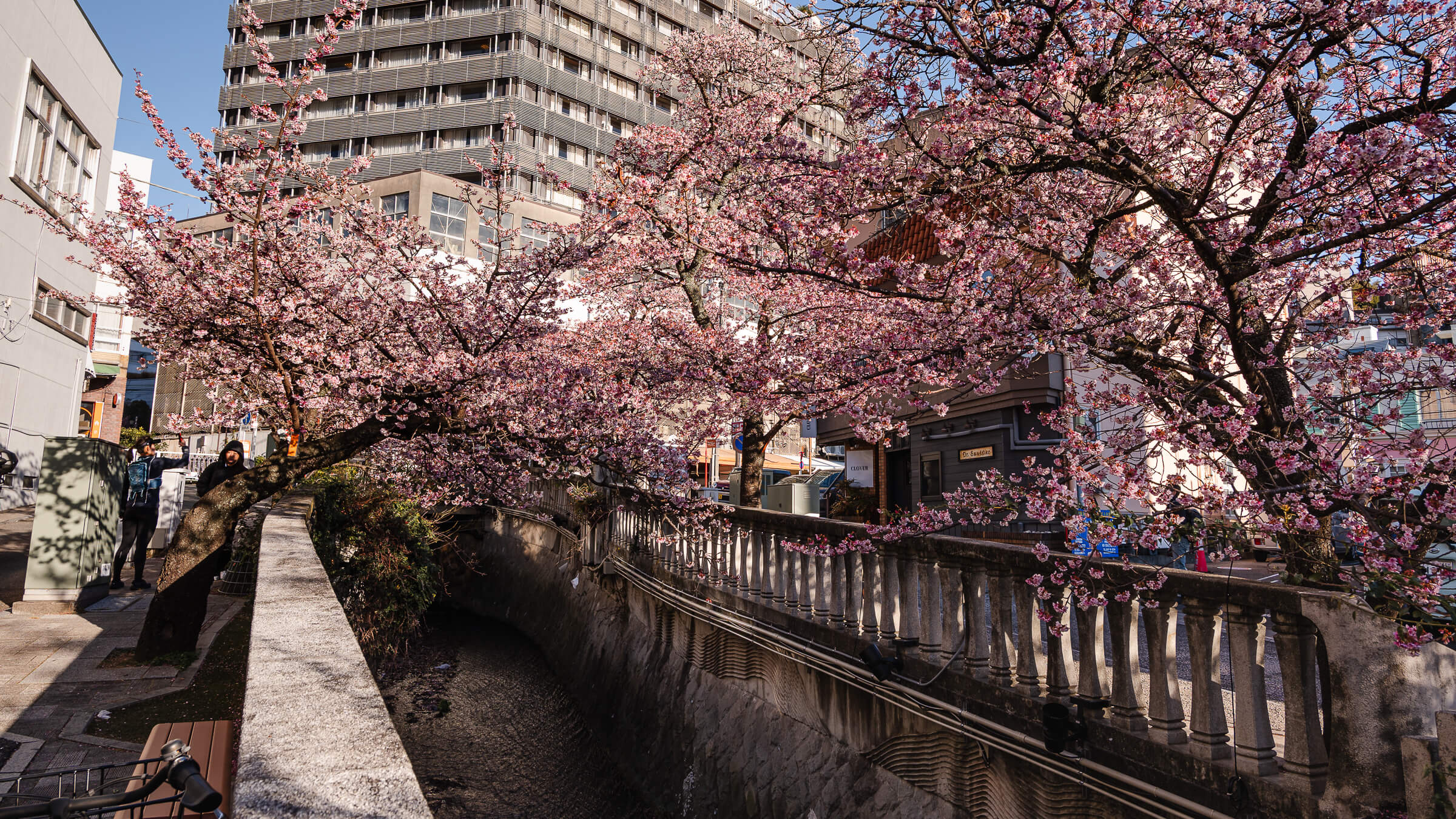
A Riverside Walk Running Through the Center of Atami The Itokawa Promenade follows a narrow river through the middle of Atami, linking the inland streets near the station with the…
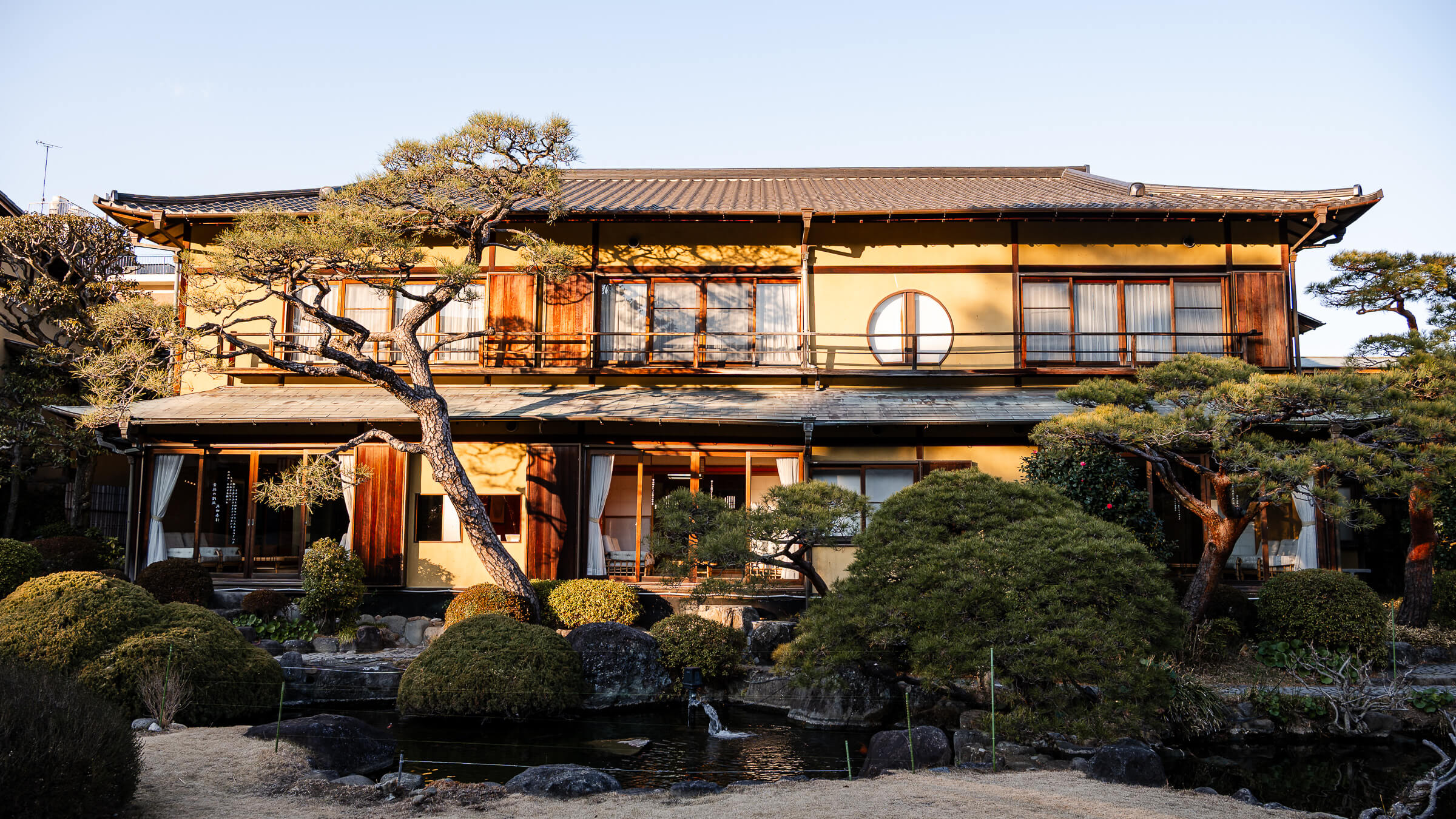
A Historic Villa Between Atami Station and the Waterfront Kiunkaku sits slightly inland from the waterfront in central Atami, between the station district and the coastal promenade near Atami Sun…
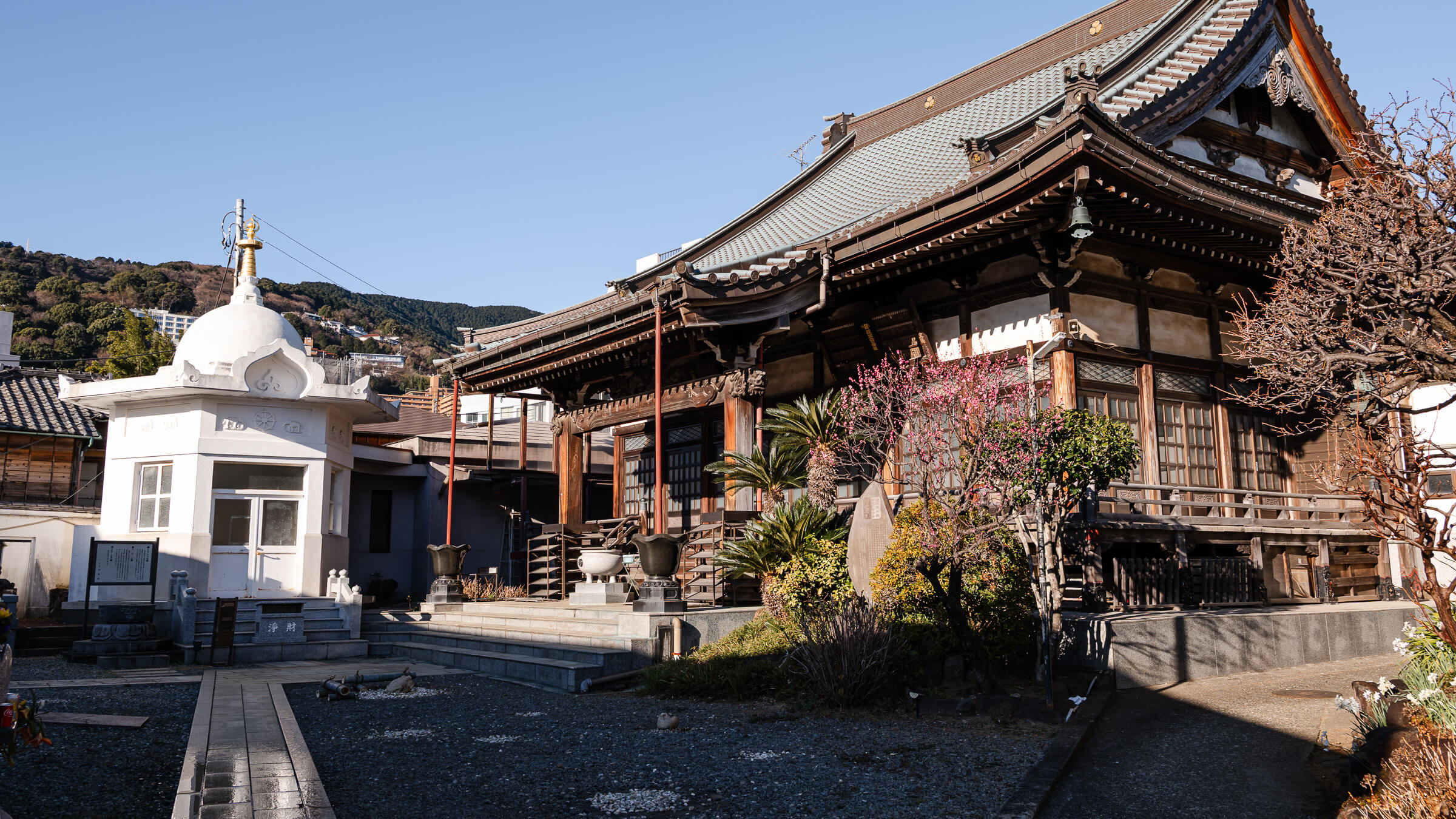
A Temple Positioned Between Station and Sea Seigon-in Temple sits on the slope below Atami Station, in the middle elevation band between the station district and the waterfront near Atami…
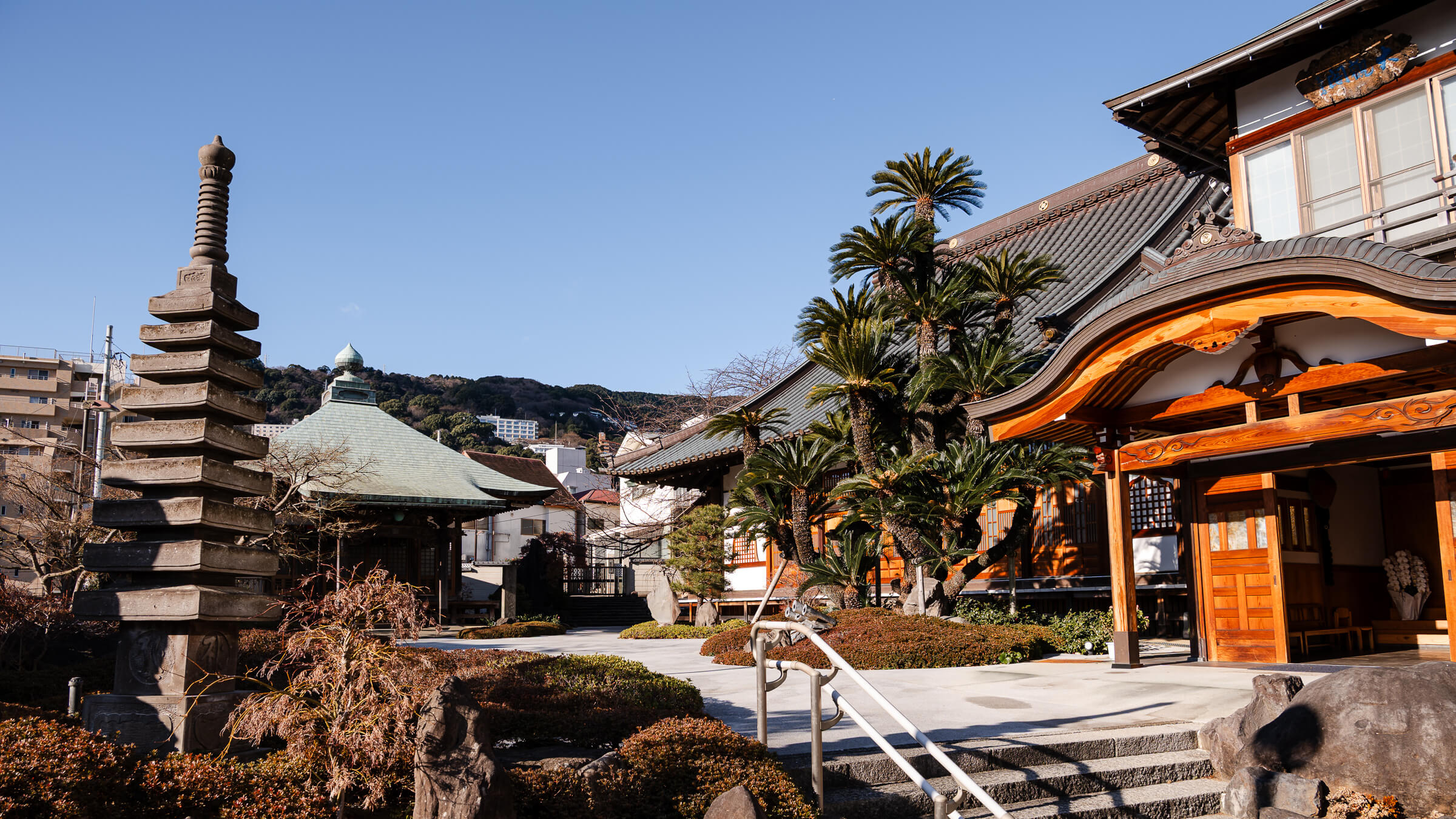
A Hillside Stop in Atami, Shizuoka Onsen-ji Temple occupies the middle slope of Atami, a coastal city in eastern Shizuoka Prefecture. It sits between Atami Station and the waterfront near…
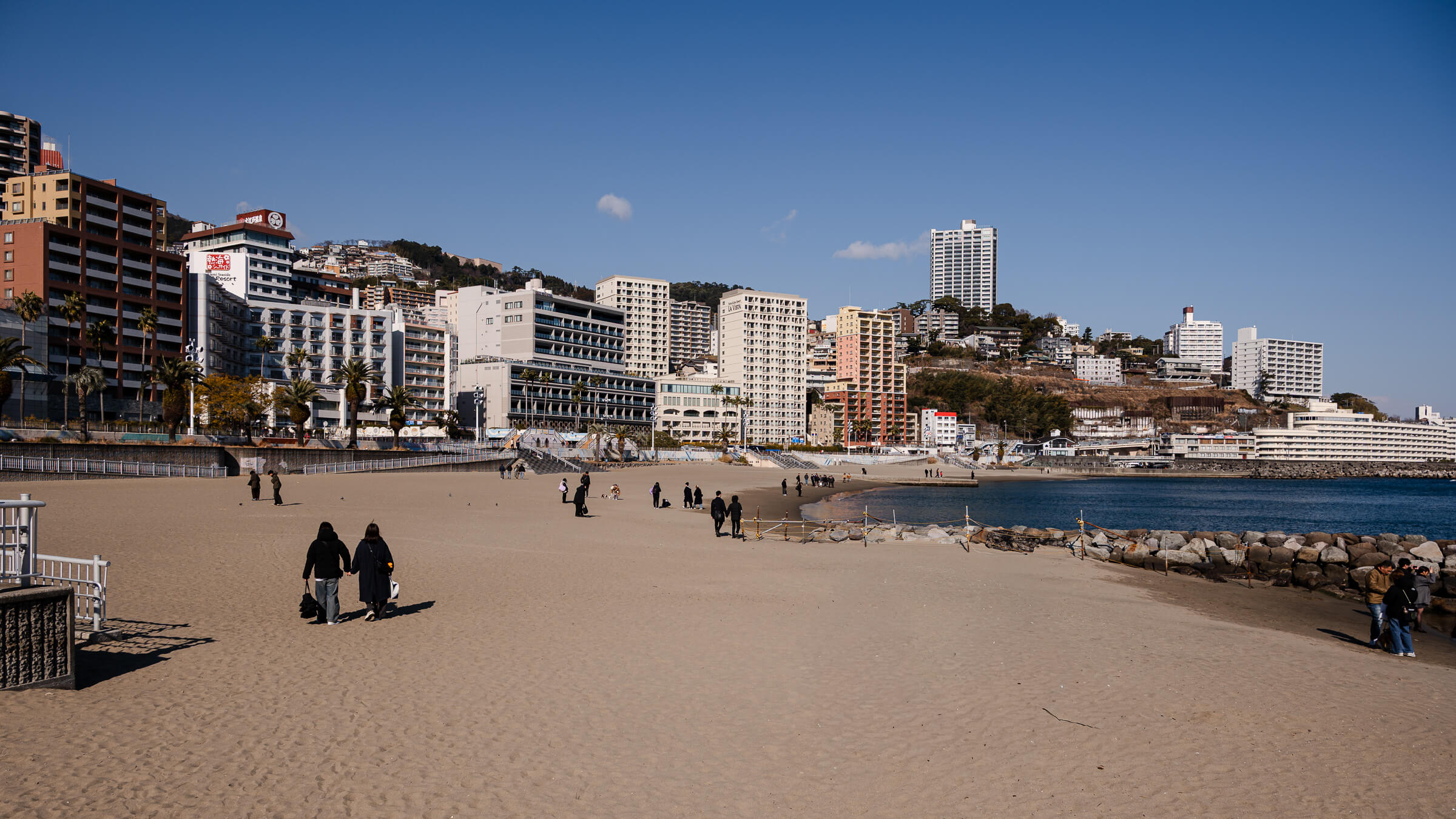
The Shape of the Bay Atami Sun Beach forms a broad arc along Atami Bay, creating a continuous stretch of sand directly in front of the city. In a town…
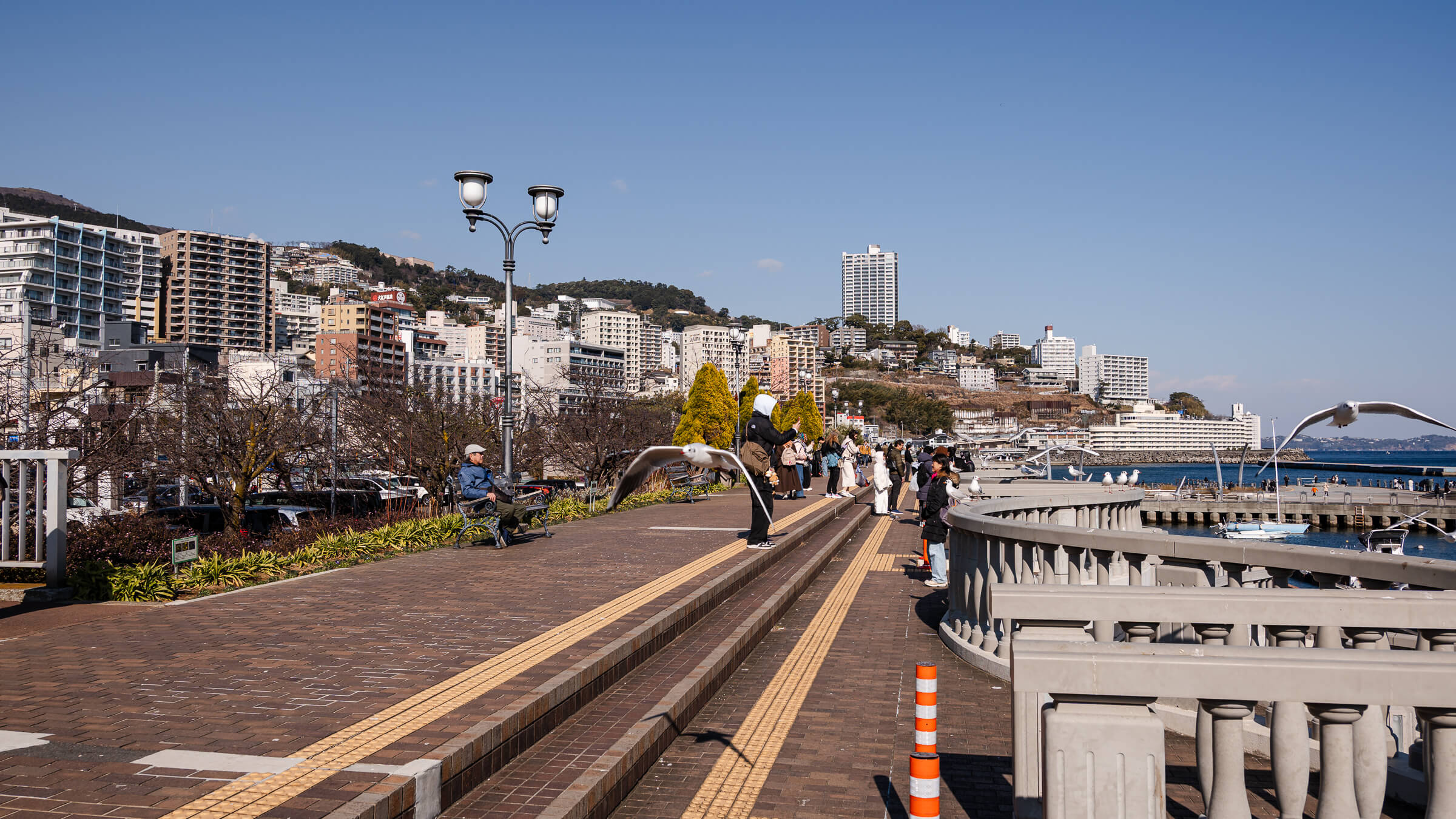
Where the Promenade Opens Atami Water Park marks the point where the sand of Atami Sun Beach transitions into a structured harbor front. Many walking routes in Atami descend gradually…
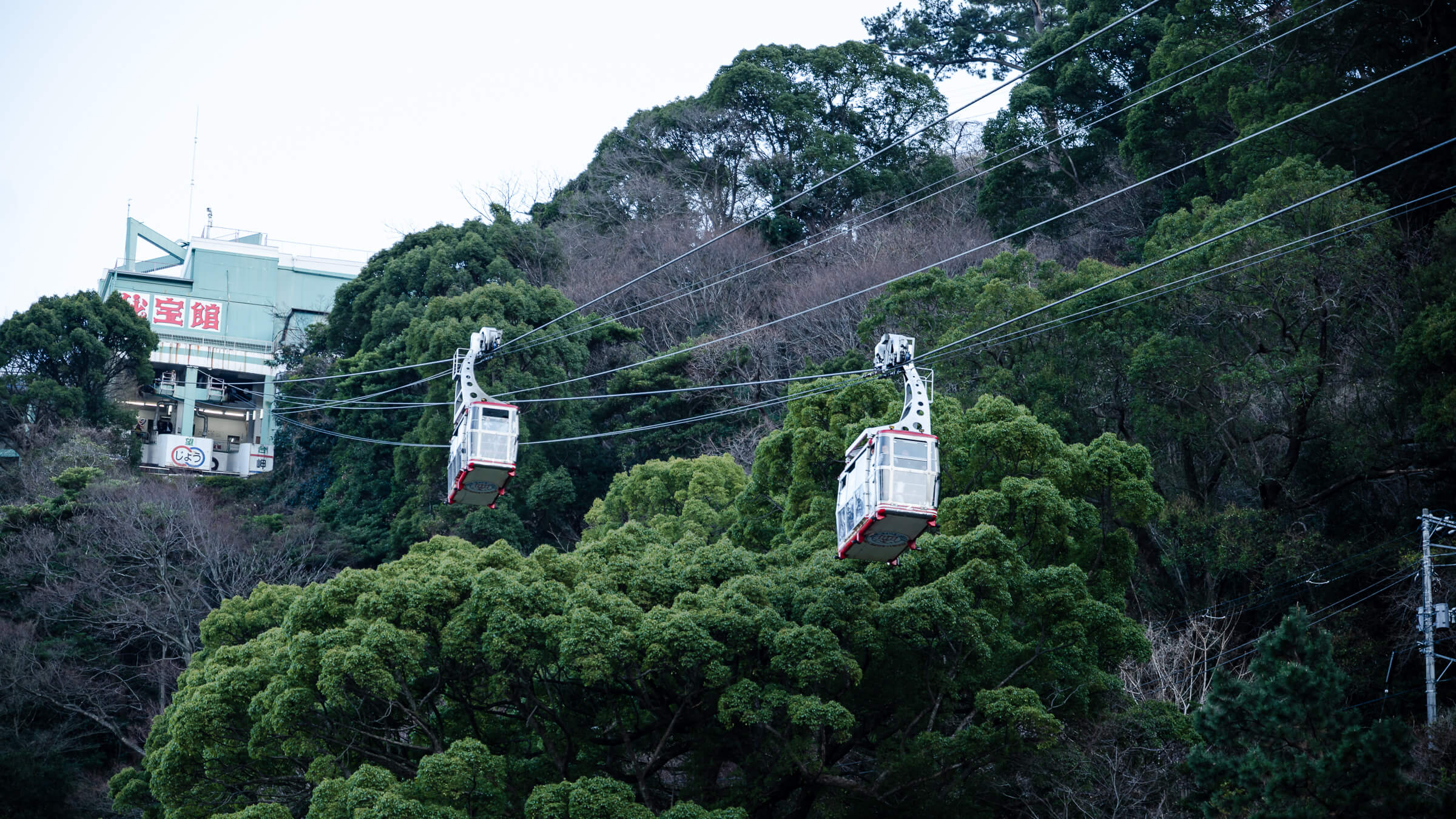
Why the Ropeway Fits the Way Atami Is Built Atami is shaped by its slope. The waterfront around Atami Sun Beach remains flat and easy to explore, connecting naturally through…