Nagano Prefecture sits at the geographic center of Japan’s Chubu region, shaped by alpine ridgelines, inland basins, and historic travel routes that once connected eastern and western Japan. Much of the prefecture lies within or alongside the Japanese Alps, giving Nagano cooler summers, heavy winter snow in higher elevations, and dramatic seasonal contrast throughout the year.
What makes Nagano compelling is not a single landmark, but its range. Lake Suwa anchors the central basin with castle views and shrine traditions. Yamanouchi and Shibu Onsen lead toward the Jigokudani Snow Monkeys and the highlands of Shiga Kogen. Hakuba opens into broad alpine valleys, while Kamikochi offers one of the most scenic mountain walks in the country. Further south, the preserved post towns of the Kiso Valley trace the old Nakasendo route, and places like Atera Valley, Azumino’s wasabi farms, Matsumoto, and Chino reveal quieter layers of rural life and regional history.
The Lake Suwa area forms a natural basin of history, water, and mountain light in central Nagano. Takashima Castle rises just off the lakeshore, while the ancient shrines of Suwa Taisha anchor the region’s spiritual identity. To the east, Chino leads into highland forests and reflective spots like Mishaka Pond and the quieter Oshidori-Gakushi Falls. Climbing higher, Lake Shirakaba opens into plateau scenery and seasonal color, linking the Suwa basin to wide skies and cooler air.
This collection brings together guides across Nagano Prefecture — from temple slopes and hot spring towns to mountain corridors and historic highways. Each article is designed to help you understand how these areas connect, whether you’re planning a rail-based trip, a rental car loop through the Alps, or a slower multi-night stay in central Japan.
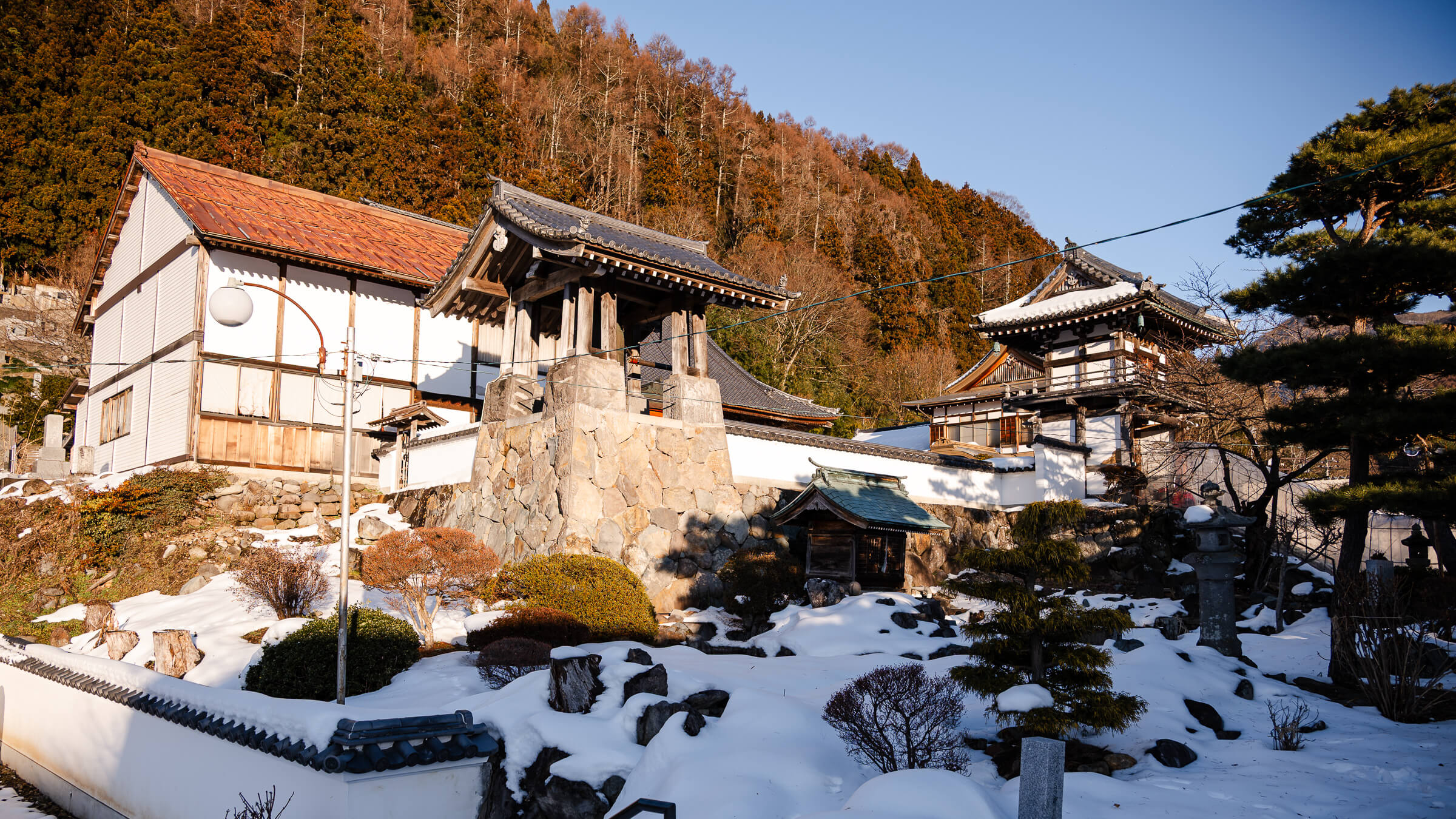
A Temple Positioned Above the Baths Onsen-ji Temple stands on the slope above Shibu Onsen in Yamanouchi, overlooking the narrow valley where the town’s nine bathhouses cluster below. It is…
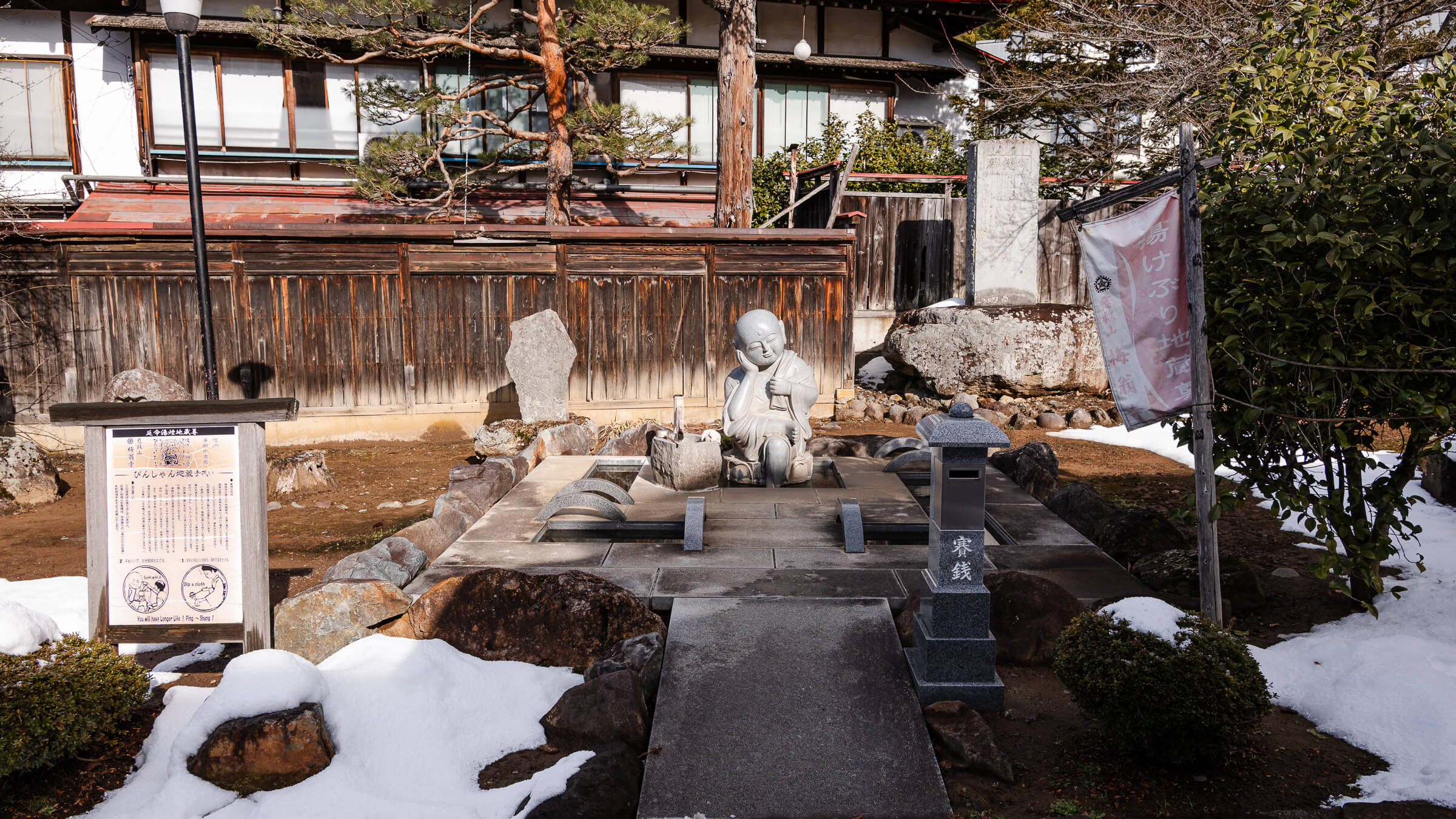
A Compact Temple Within the Onsen Town Baio-ji Temple sits a short walk from Yudanaka Station in Yudanaka Onsen below Shibu Onsen Town. The grounds are small and immediately legible.…
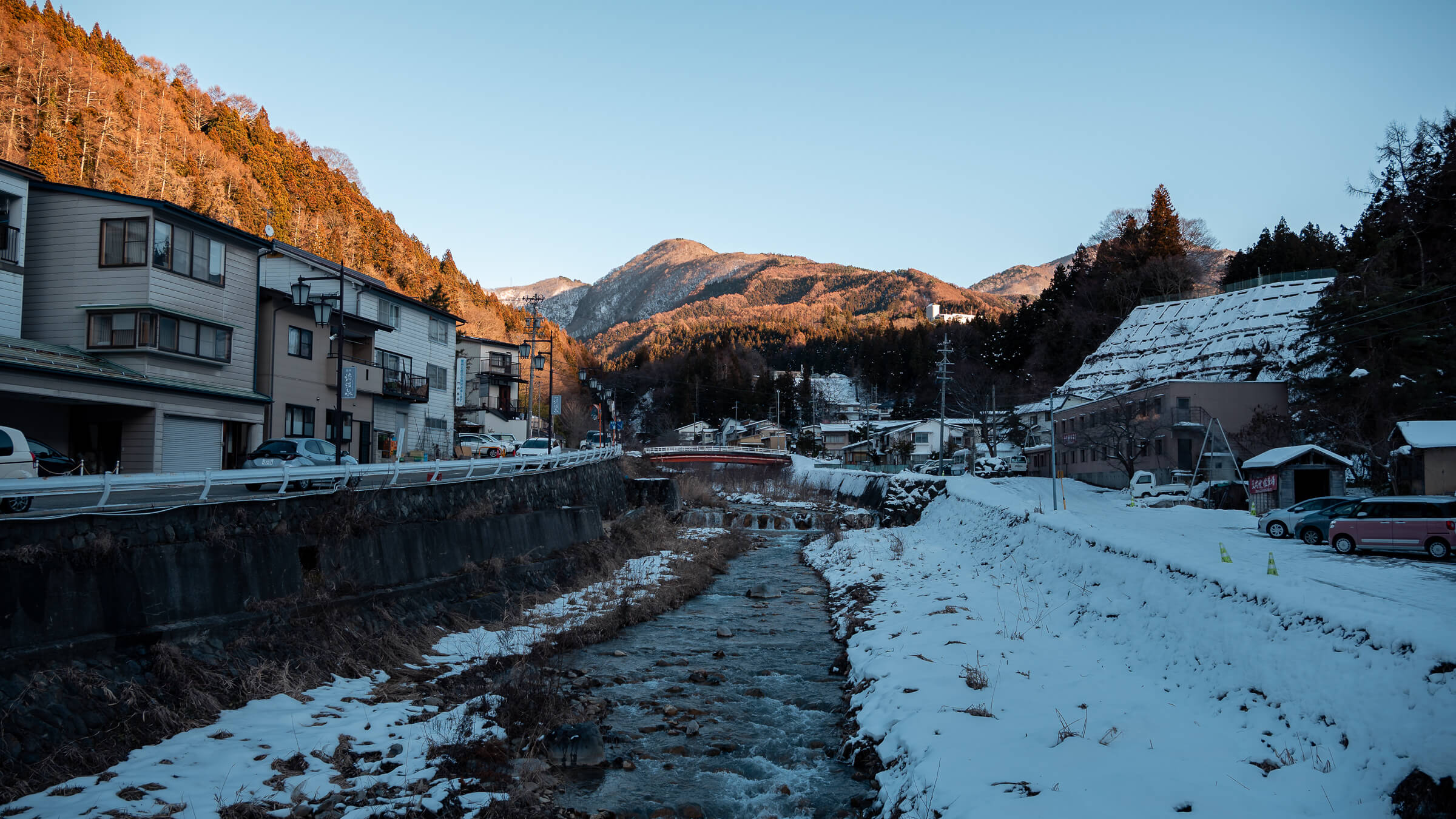
A Settlement Compressed Around Water Shibu Onsen sits in a narrow fold of Yamanouchi, above Yudanaka Onsen Town, along the road that continues toward Jigokudani Snow Monkey Park. Most visitors…
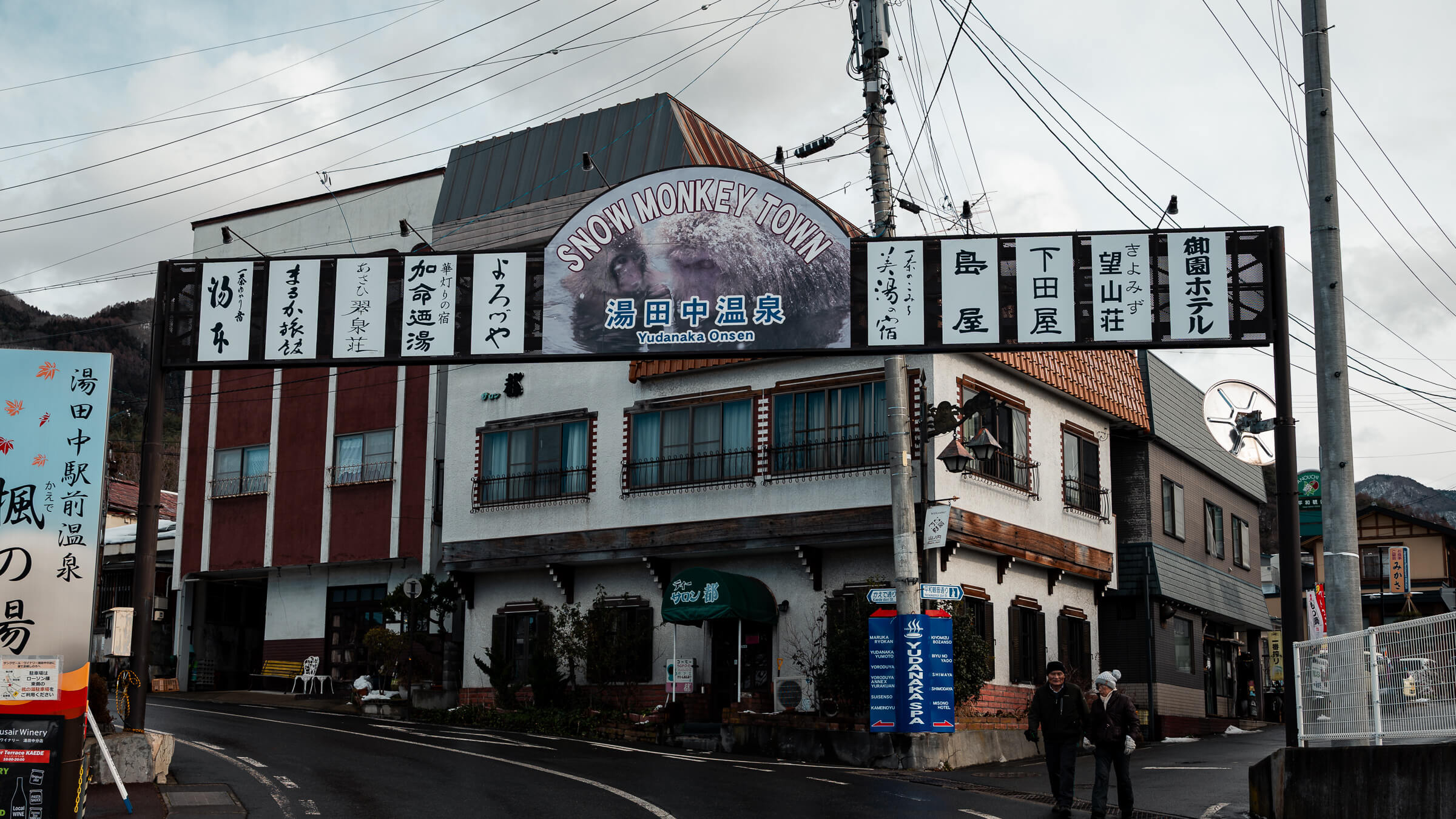
Where Logistics Come First Yudanaka Onsen is the final stop on the Nagano Dentetsu line in Yamanouchi and the most straightforward base for reaching Jigokudani Snow Monkey Park and the…
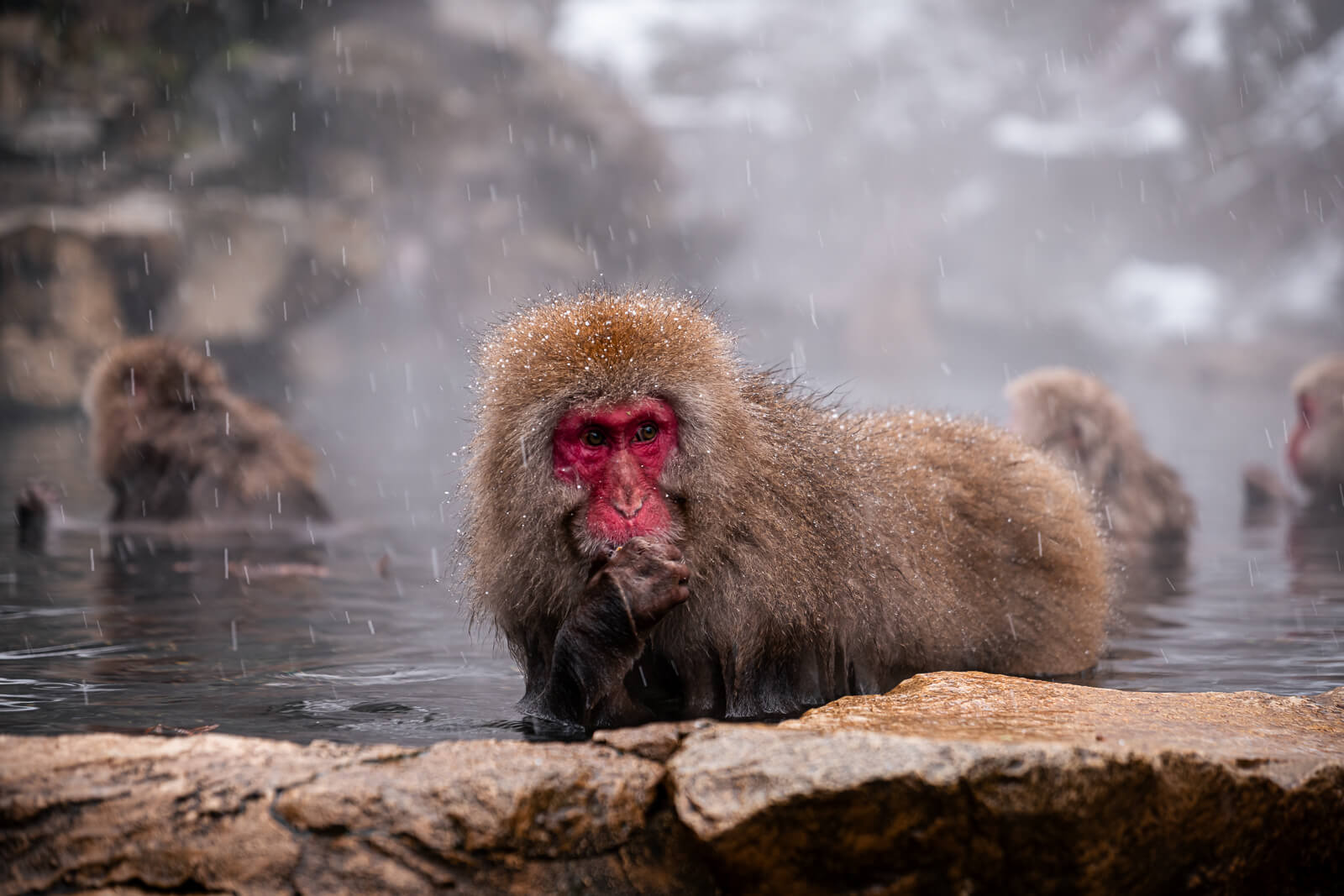
What Kind of Visit Is This? Jigokudani Monkey Park lies just outside Shibu Onsen and Yudanaka Onsen, in a geothermal river valley in Yamanouchi. Yudanaka Station sits roughly 45 minutes…
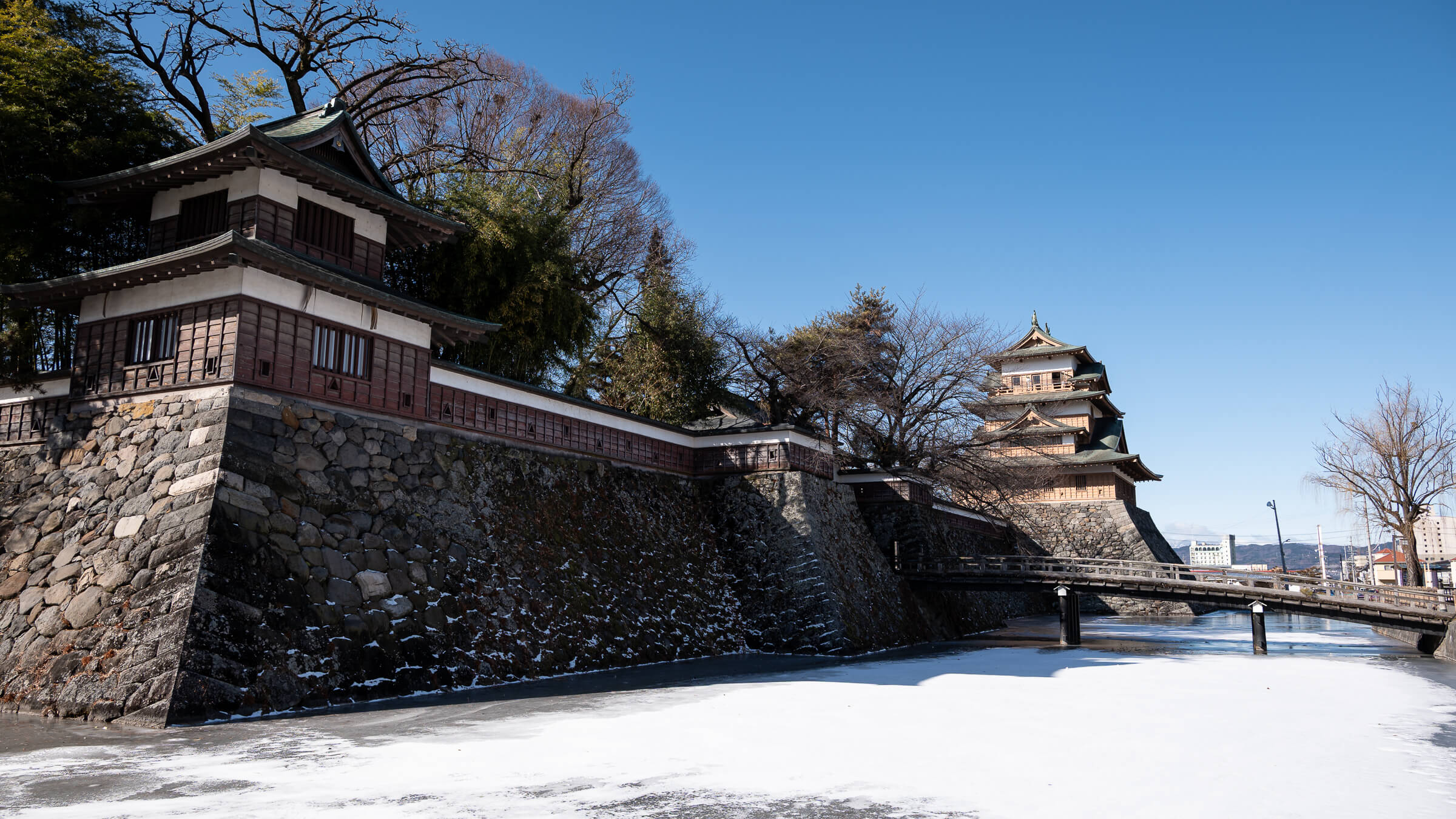
A Castle That Sits with the Lake Takashima Castle is a compact, contained visit on the edge of Lake Suwa, best understood as a pause within a broader stay rather…
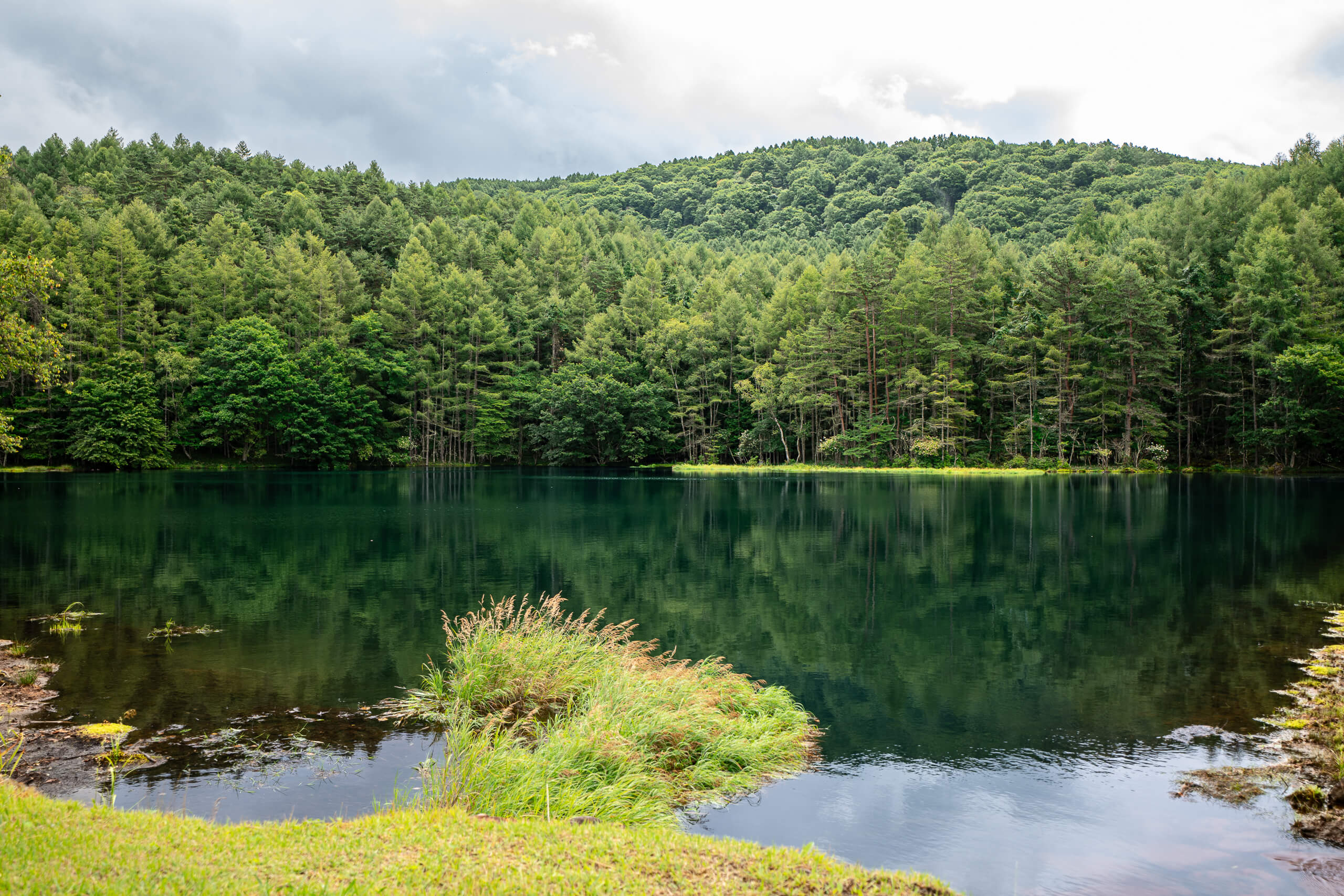
A Pond That Looks Like a Painting Photographers and painters have been visiting Mishaka-ike for decades. The pond became widely known after appearing in a famous painting by Kaii Higashiyama,…
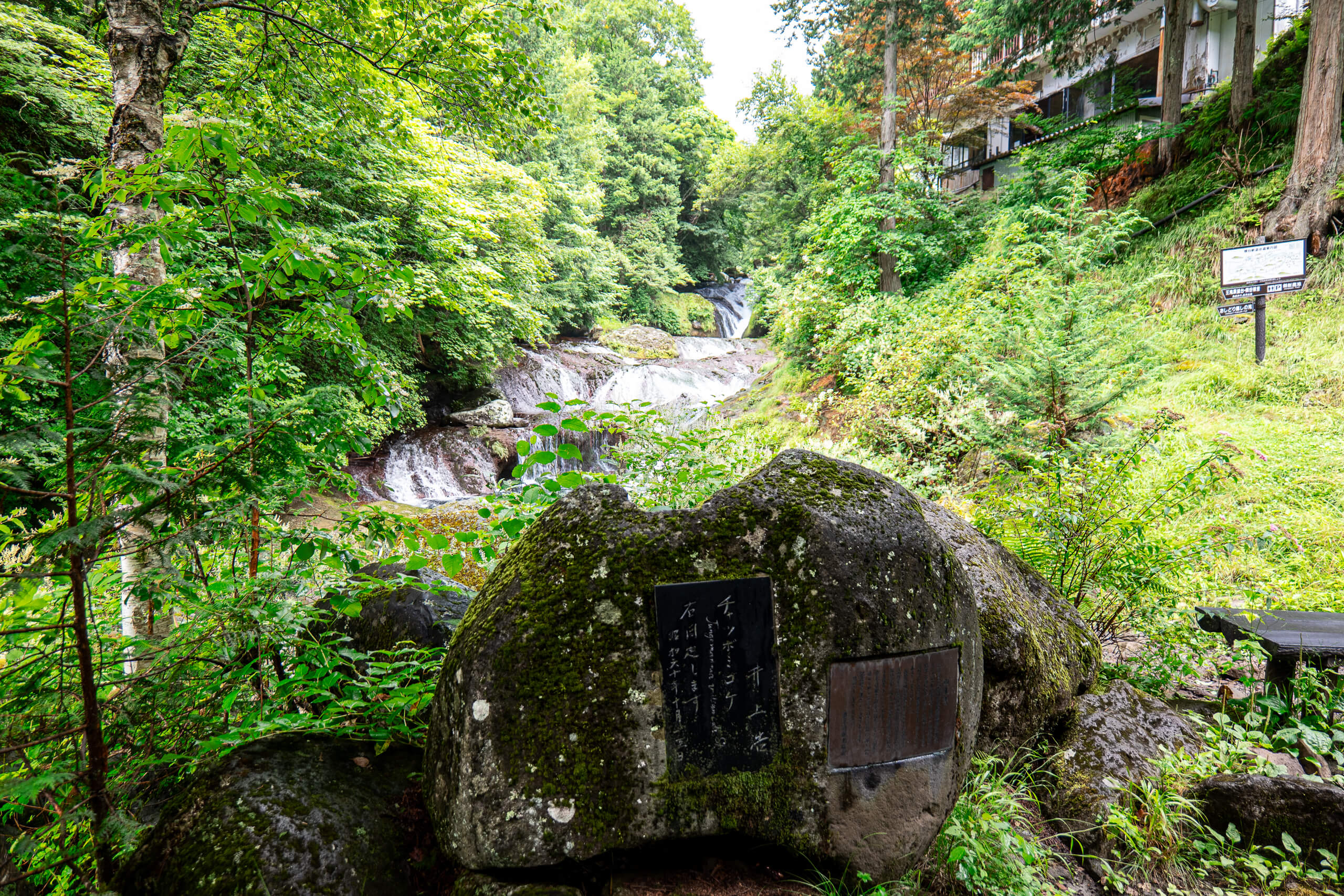
We came across Oshidori Kakushi Falls almost by chance while exploring Mishaka Ike Pond in Chino, Nagano on a summer trip. The two are connected by a steep road that…