A Temple Positioned Between Station and Sea
Seigon-in Temple sits on the slope below Atami Station, in the middle elevation band between the station district and the waterfront near Atami Sun Beach and Atami Water Park. It stands directly beside Onsen-ji Temple, forming a paired hillside stop in Atami.
From the station, the walk trends downhill. From the coast, the approach climbs upward. The two temples occupy the same slope, close enough to be visited consecutively without changing route.
Most visitors experience Seigon-in together with Onsen-ji in roughly 25 to 35 minutes total. The grounds are compact, and the layout becomes clear shortly after arrival.
A Temple Long Embedded in Atami’s Hillside
Seigon-in stands directly beside Onsen-ji along the same slope between Atami Station and the hot spring district below. While Onsen-ji’s founding in 1284 is clearly recorded and tied to oversight of the springs, Seigon-in’s early record is less prominently documented in regional summaries.
What is visible today is its established presence within this hillside band. The temple’s placement is not incidental. It occupies the same transitional elevation between rail arrival above and the spring-centered district below.
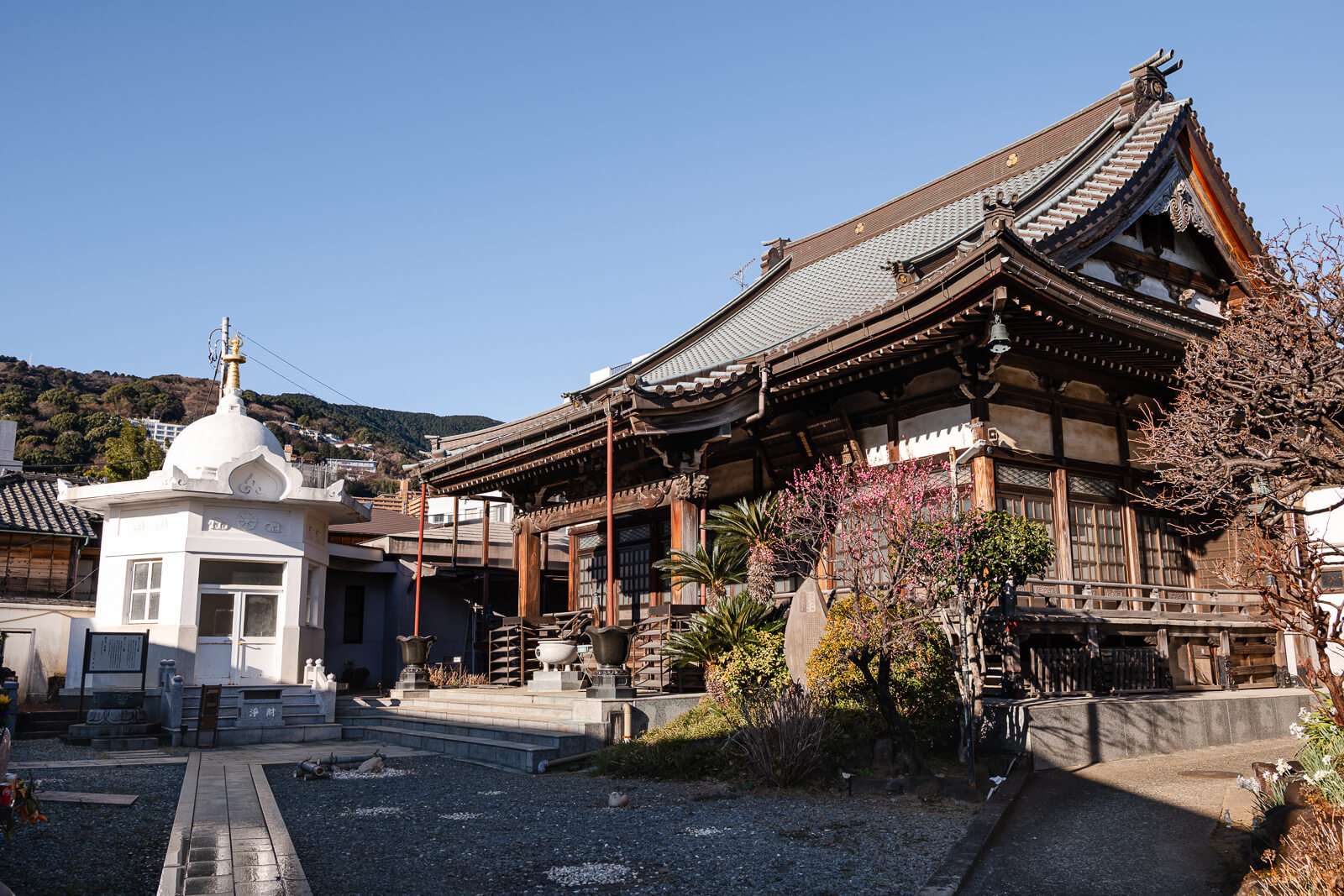
That physical positioning explains its role within the city more clearly than any single date would. Seigon-in forms part of the religious layer that developed on the slope overlooking the geothermal source that shaped Atami’s growth.
Its continuity is evident in the built form: the main hall, the stone steps rising from the road, and the devotional structures integrated into the courtyard.
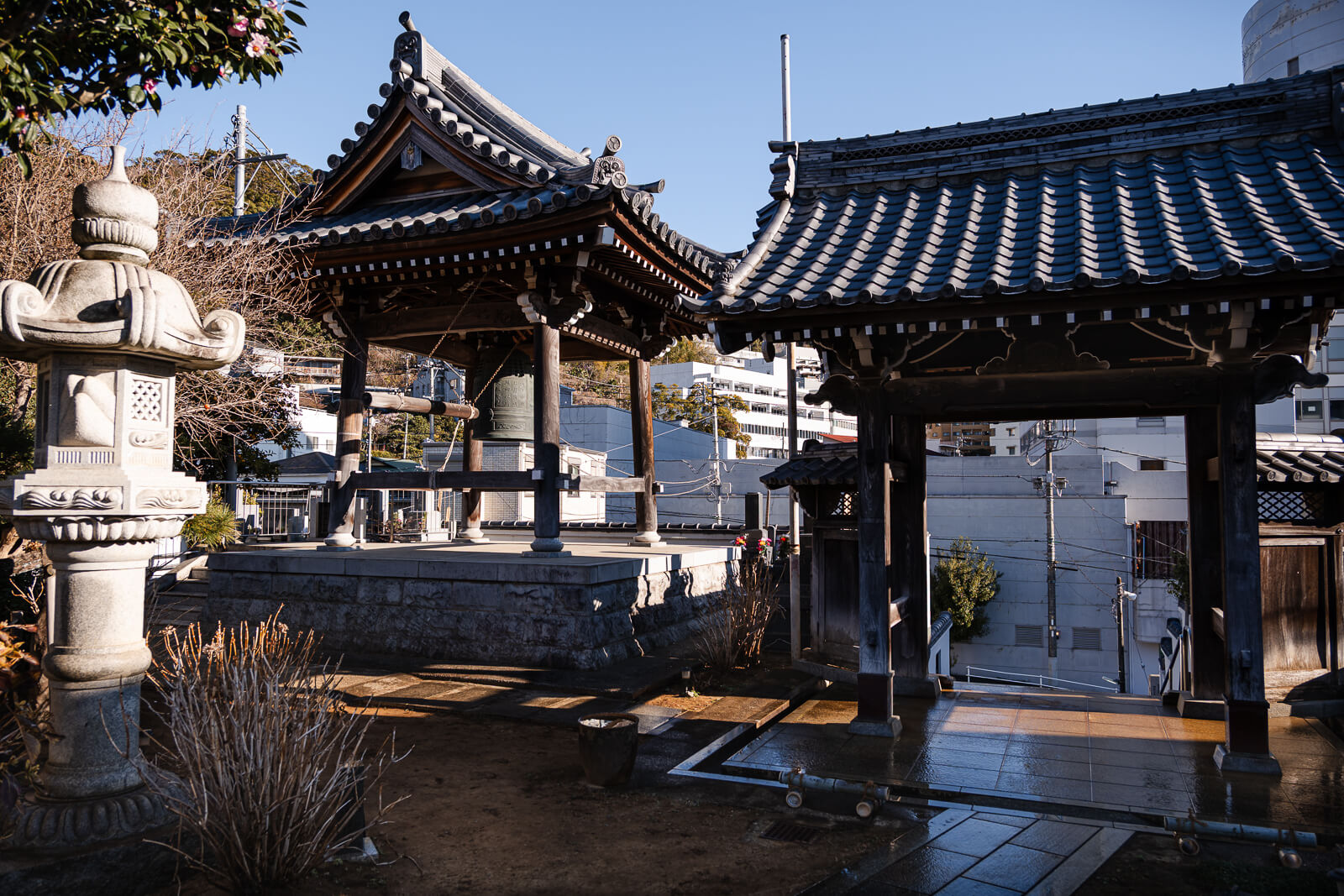
Descending From Atami Station
Leaving Atami Station, the road slopes steadily downward. Seigon-in appears before Onsen-ji when approaching from above.
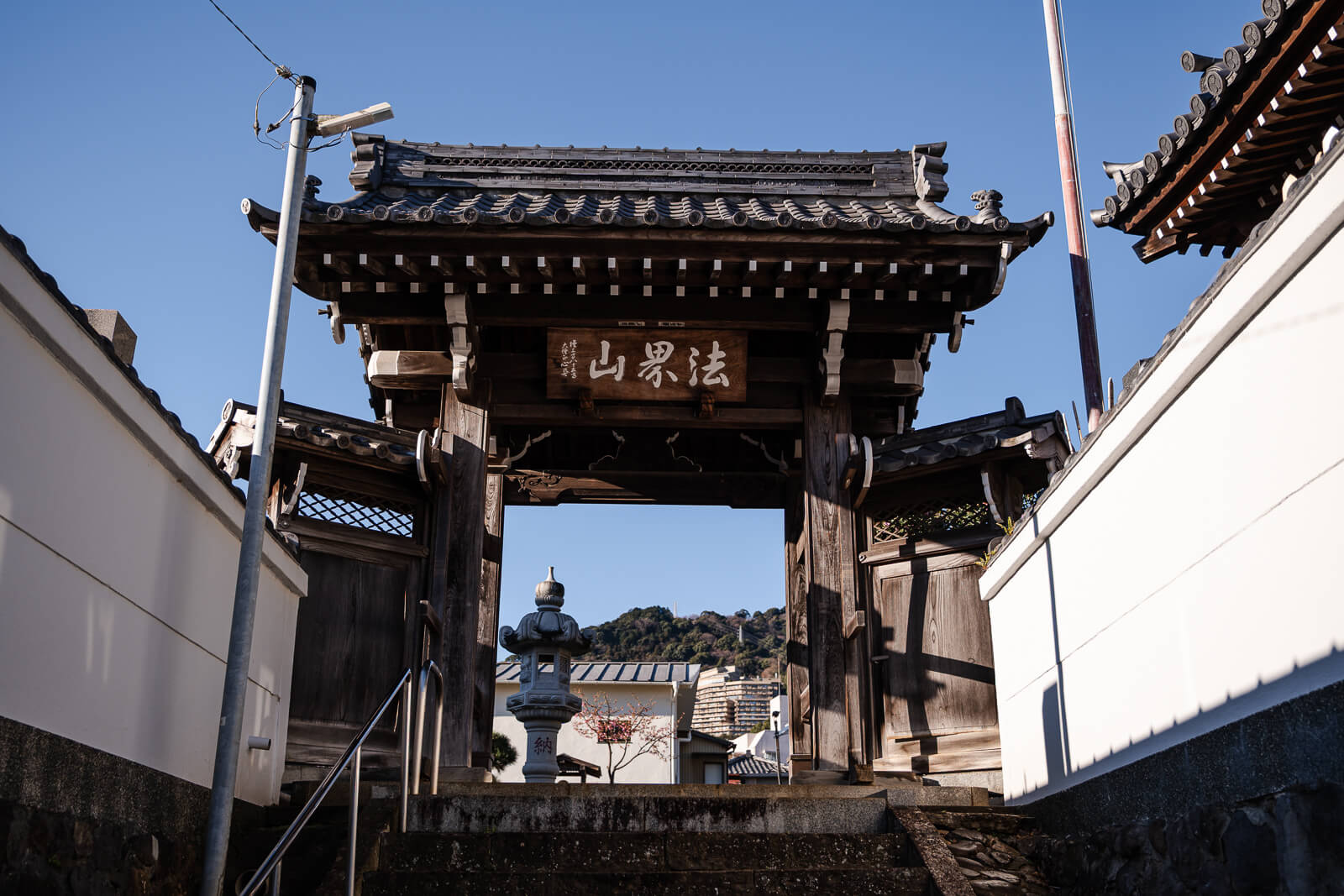
Stone steps rise from the street toward the temple grounds. The ascent is brief and direct. The staircase creates a clear transition from roadside movement into the elevated courtyard.
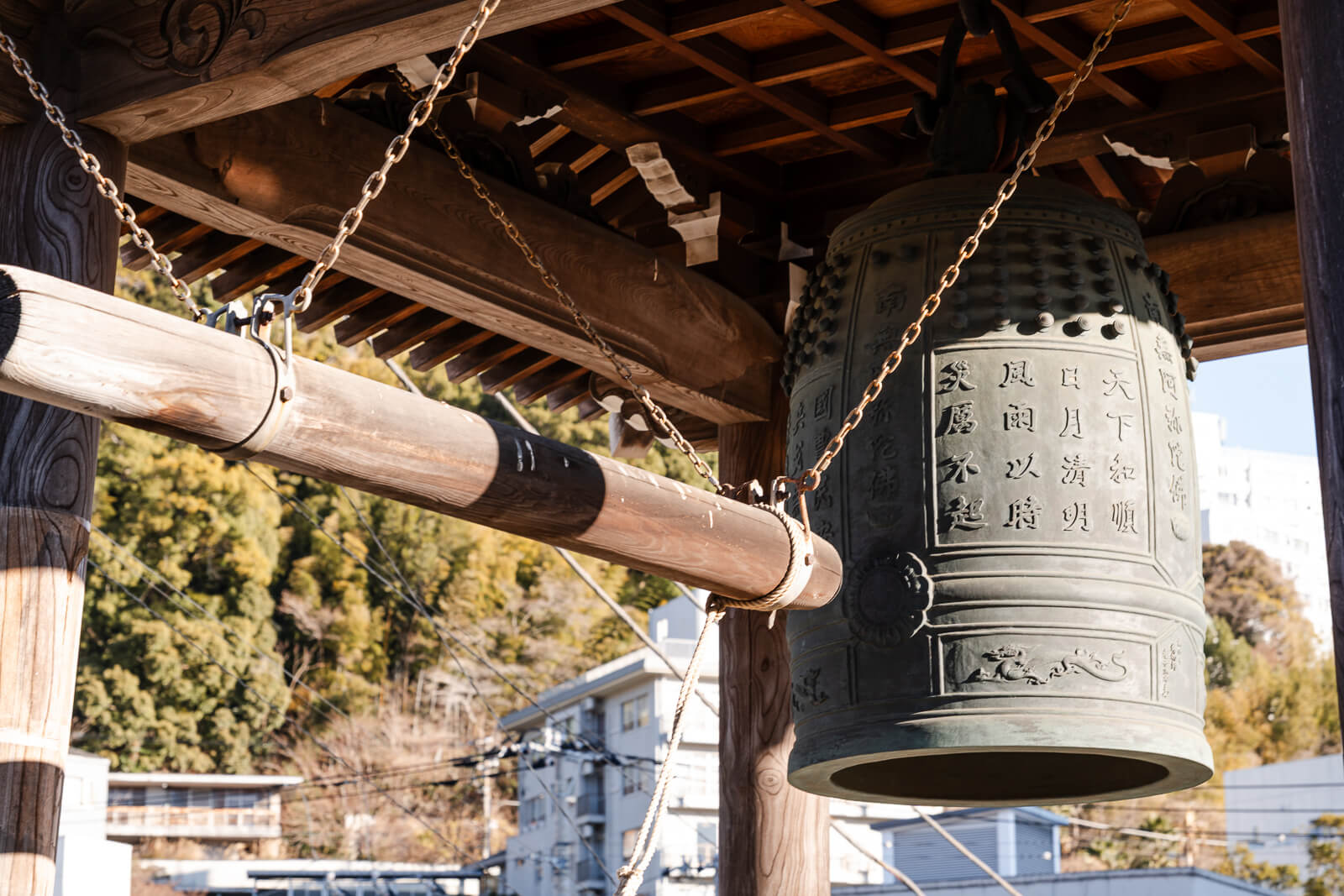
From this direction, Seigon-in marks the shift from commercial storefronts near the station toward the religious band that separates town from sea.
The Main Hall and the Courtyard
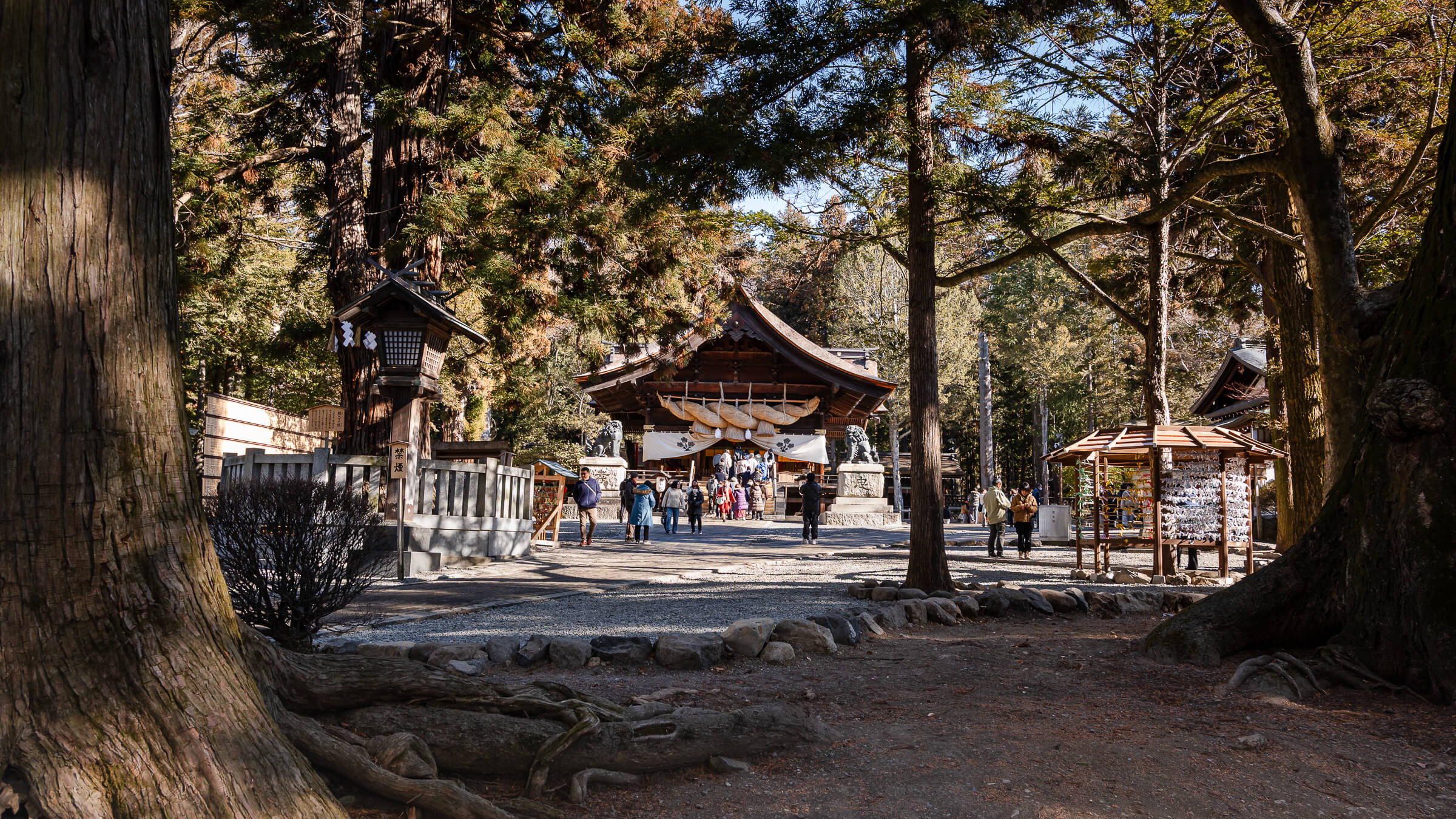
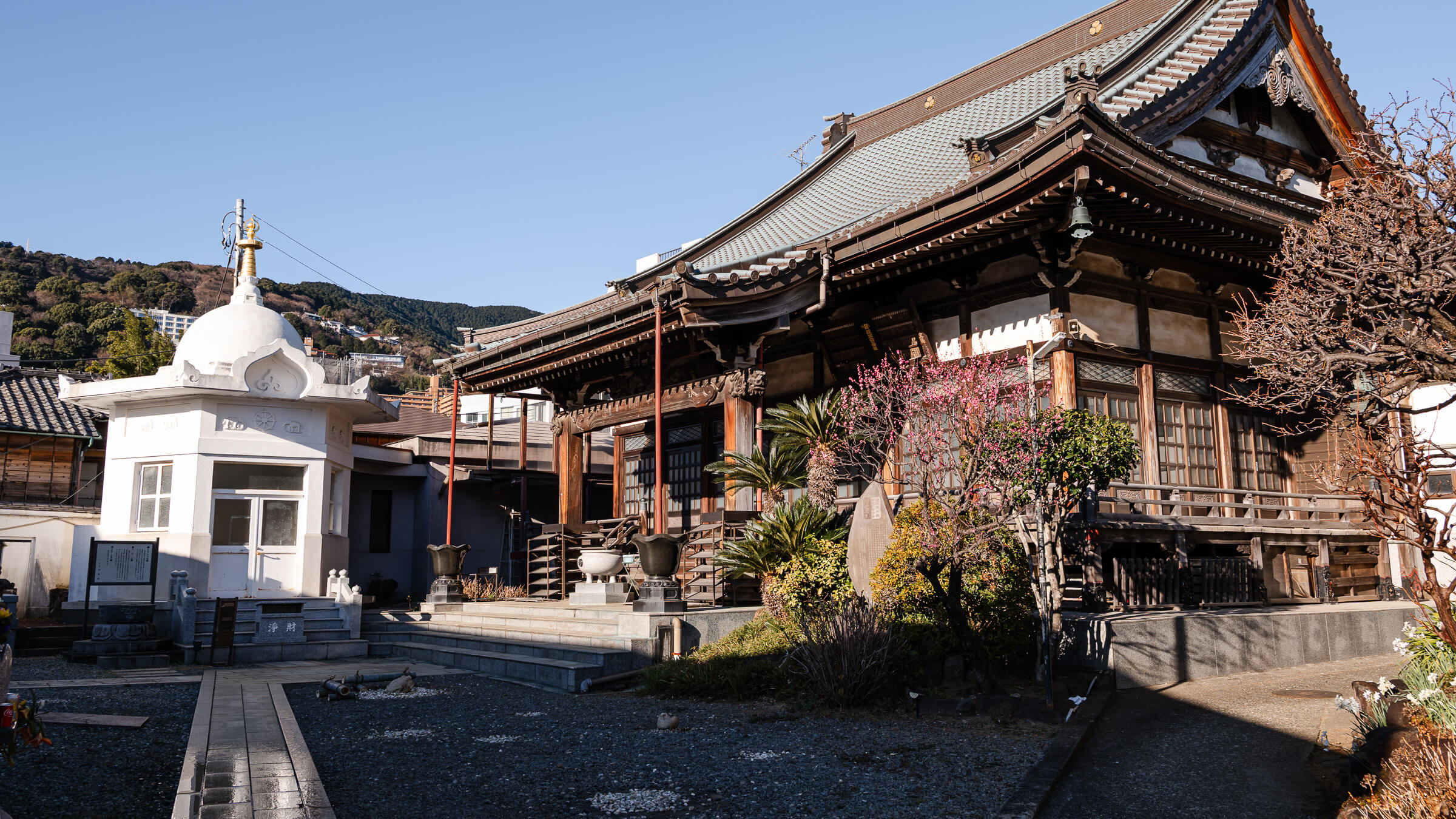
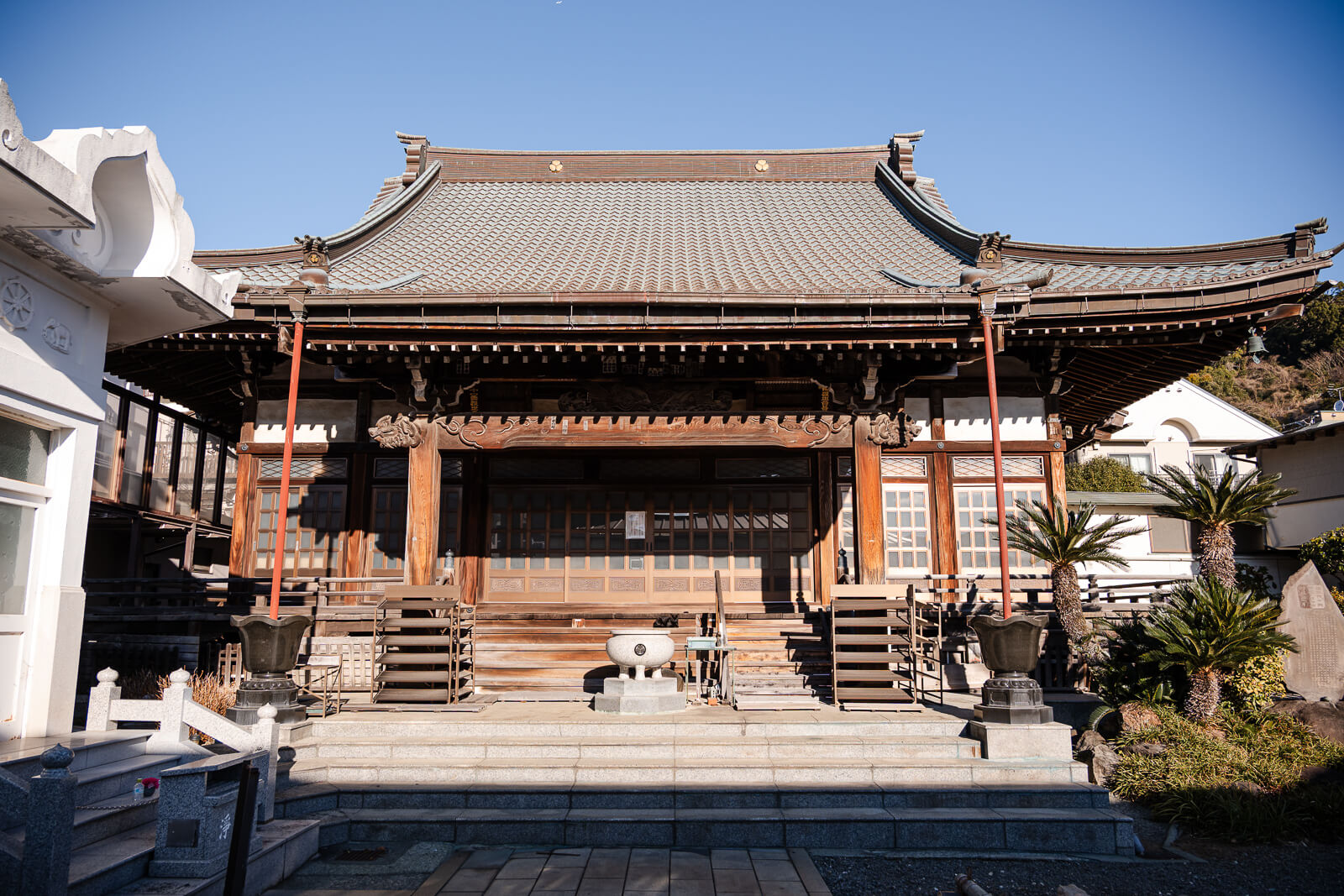
At the top of the steps, a bell tower aligns along the slope. Beyond it stands the wooden main hall, raised slightly above a gravel courtyard and backed by the hillside.
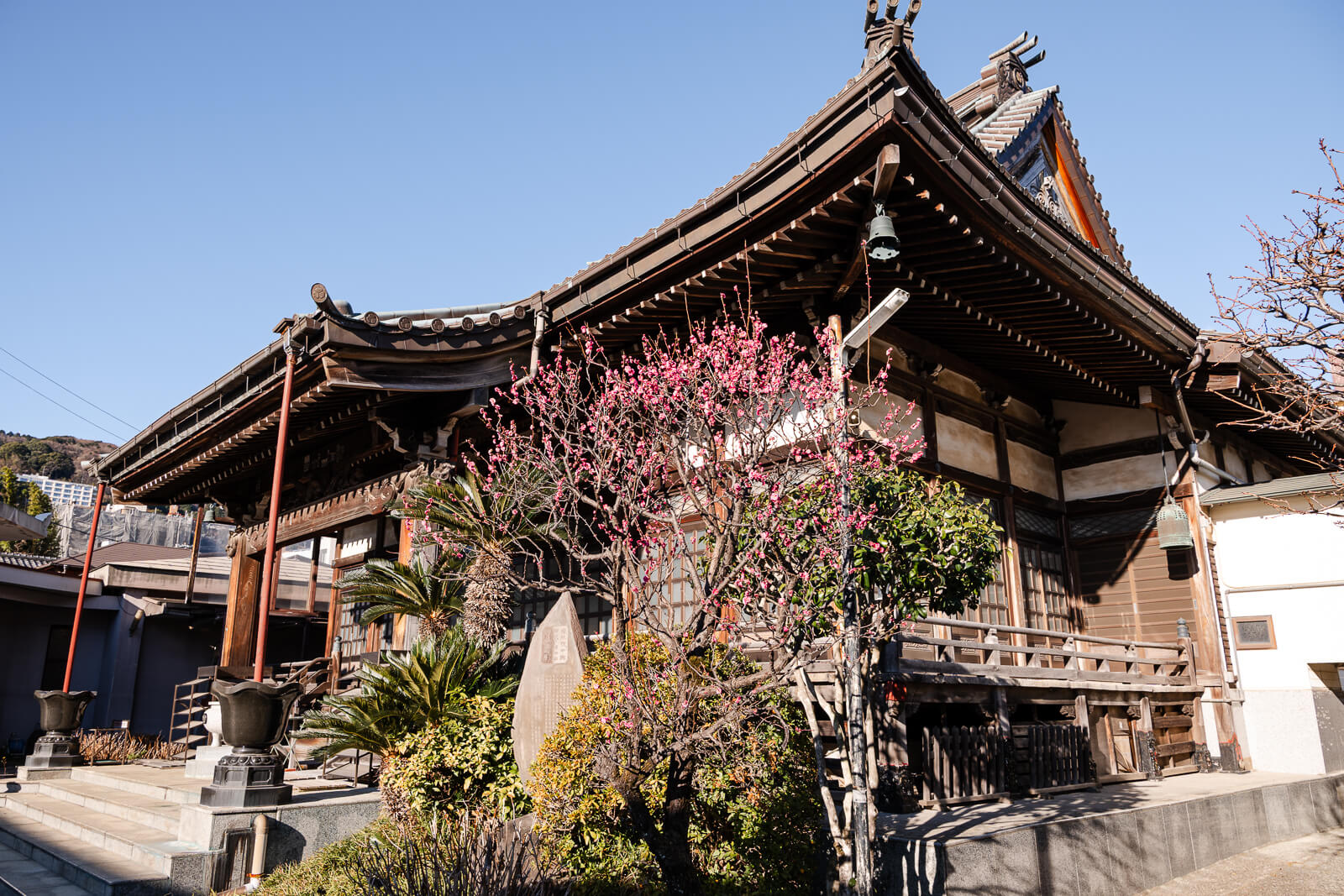
The hall’s broad roofline and timber construction establish the visual center of the grounds. The courtyard remains contained and legible at a glance, with no extended pathways or hidden sections.
To one side stands a small white domed structure capped with a gold finial. At its base, the carved stone inscription reads 浄財, indicating offerings. This confirms its devotional function within the temple grounds rather than decorative intent.
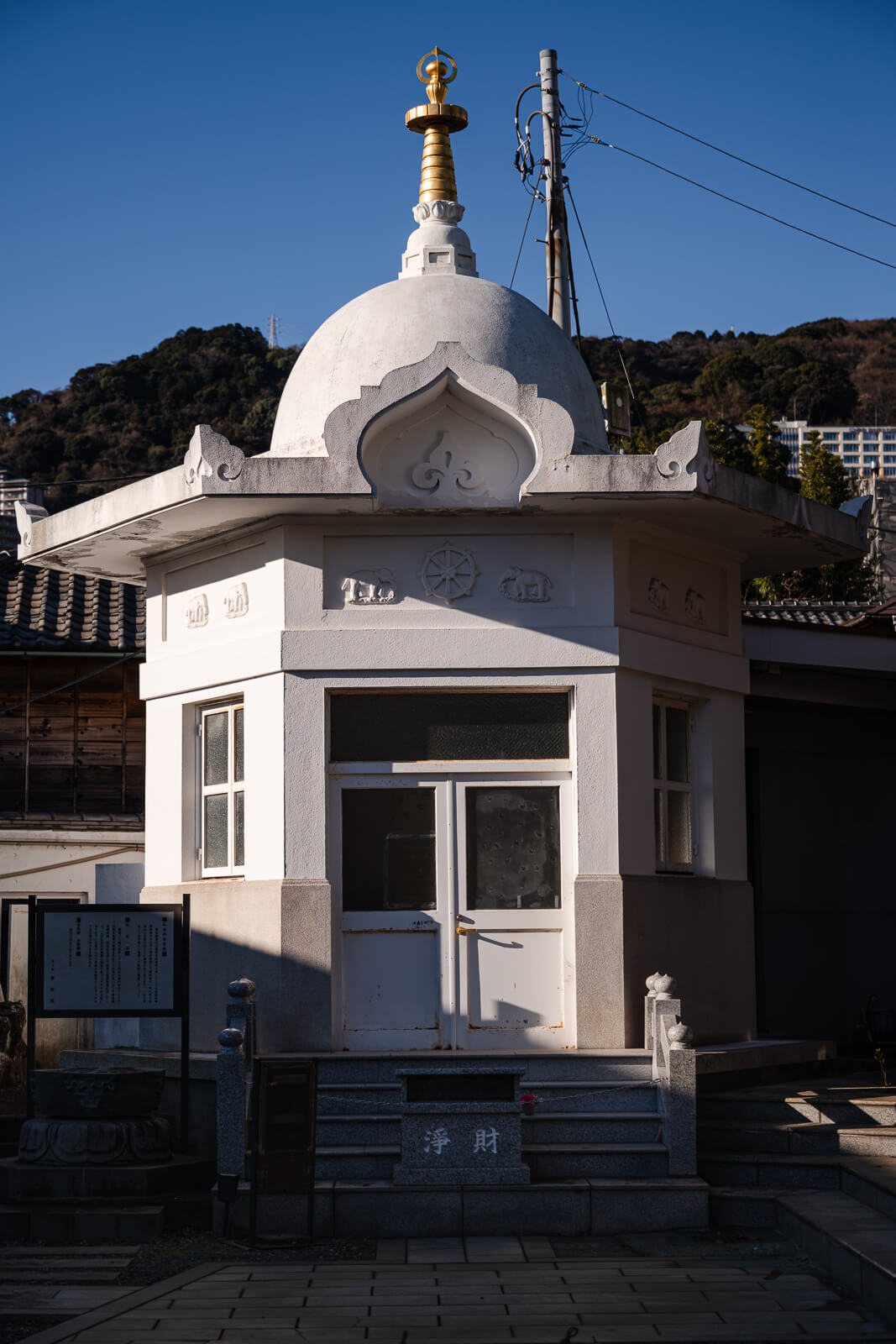
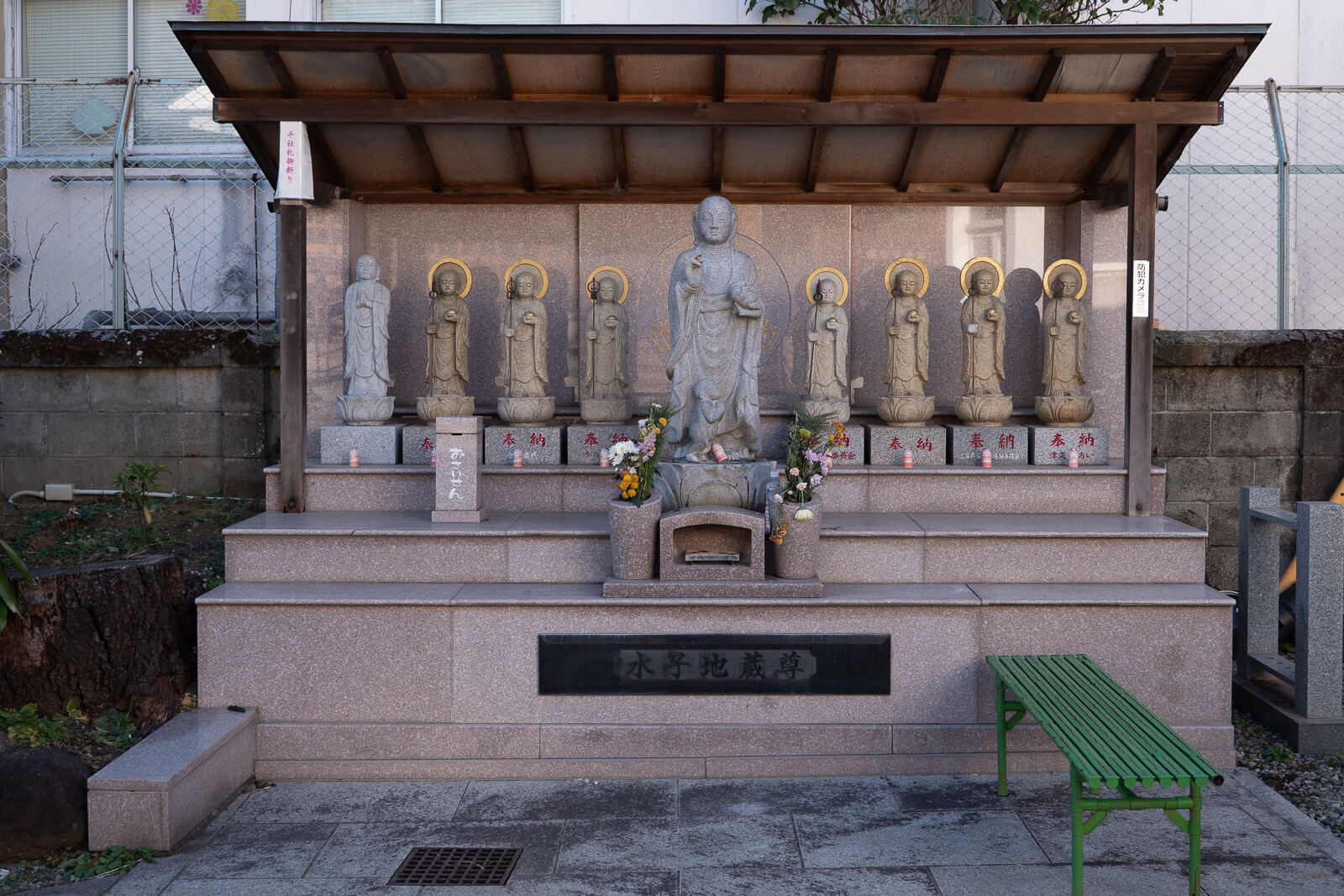
Gravestones line part of the edge of the property, reinforcing that this is an active religious site embedded within a neighborhood slope.
The visit unfolds quickly. There are no ticketed interiors or extended corridors. Most visitors spend 10 to 15 minutes here before continuing downhill or uphill.
Climbing From the Coast
Approaching from the lower streets near Itokawa Promenade and the waterfront, Onsen-ji appears first, followed shortly by Seigon-in above it.
The transition between the two temples takes only a few minutes on foot. The incline is steady but short, and both sites share the same hillside band.

Experiencing them together creates a complete midpoint stop between the coastline and the upper city, including the route toward the Atami Ropeway and Atami Castle further above.
A Mid-Elevation Layer in Atami’s Vertical Layout
Atami is structured vertically. Rail arrival sits above. Coastal leisure sits below. Cultural properties such as Kiunkaku occupy lower streets inland from the beach.
Seigon-in and Onsen-ji form a middle layer between those zones. From the courtyard, the slope continues downward toward the sea and upward toward the station district.
This placement explains why both temples are often encountered during a single walking arc rather than as isolated destinations.
Visiting Both Temples as One Stop
Seigon-in on its own is brief. Its scale is modest, and its layout is straightforward. The value lies in its adjacency to Onsen-ji Temple and in how both sites occupy the same hillside transition.
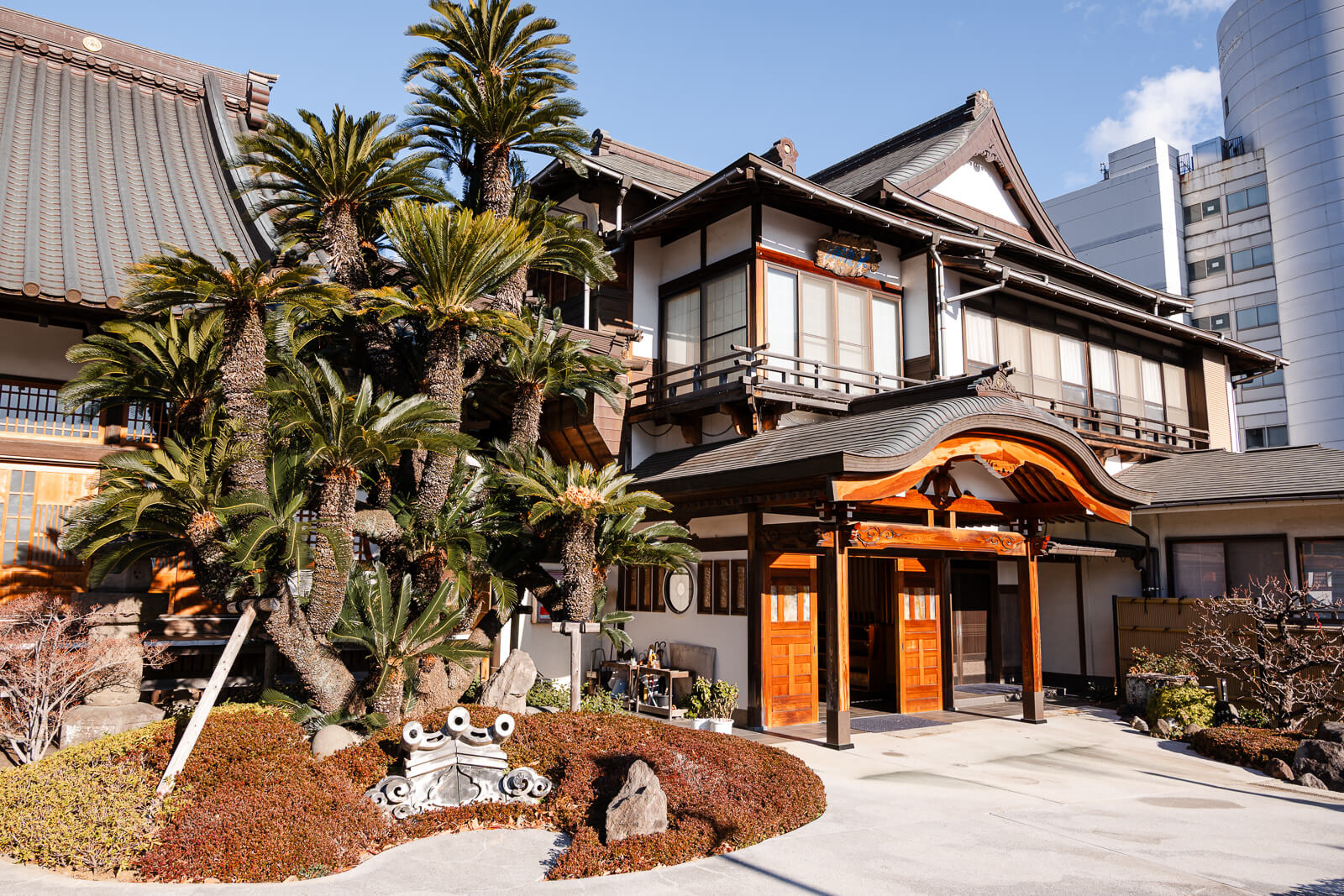
Together, they create a contained religious stop within central Atami without requiring a detour or extended climb.
For travelers moving between Atami Station and the waterfront, the pairing fits naturally within the slope.
Getting There
Seigon-in is within walking distance of Atami Station. The walk generally takes 10 to 15 minutes and trends downhill from the station.
From the coast near Atami Sun Beach and Atami Water Park, the approach is uphill but short. Both Seigon-in and Onsen-ji sit along the same connecting road.
Once in central Atami, access is direct and does not require route changes.
Hours & Fees
Opening Hours: Not consistently published; confirm locally before scheduling.
Admission Fee: No general admission fee publicly listed.
Closed Days: No regular closure publicly documented; verify locally before visiting.
(Temple schedules may change. Confirm details locally if planning a time-sensitive visit.)
Because Seigon-in is usually visited as part of a broader Atami walking route between the station and the waterfront, arrival timing and where you base yourself in town tend to shape the visit more than the temple itself.