What kind of place this is
Hodosan Shrine is a Shinto shrine set at the edge of Nagatoro, where the town gives way to low, forested hills. The grounds are compact and clearly laid out, and the visit feels approachable rather than formal or demanding.
This is a place you walk through rather than “do.” Most visits take about 60 to 90 minutes, which is enough time to see the full grounds without rushing or feeling as though anything important was skipped. Walking is easy throughout, with no steep climbs or long distances.
Why people come here
People visit Hodosan Shrine for a quieter stop in a natural setting. Compared with shrines in denser towns, this one feels more open and less structured, with space to move at an unforced pace.
It also works well as part of a broader Nagatoro visit. The shrine does not dominate the day, but it adds balance — especially when paired with more open or busier areas nearby.
How the shrine came to be here
This part of Nagatoro has long been tied to movement through the Chichibu region, and the shrine developed along those routes. Over time, it became associated with protection and safety, particularly related to travel and everyday concerns rather than large ceremonial events.
That role still shapes the atmosphere today. The shrine remains actively used and well maintained, but it does not feel staged or preserved for display. Visitors tend to arrive, pray briefly, walk the grounds, and continue on with their day.
Entering the grounds
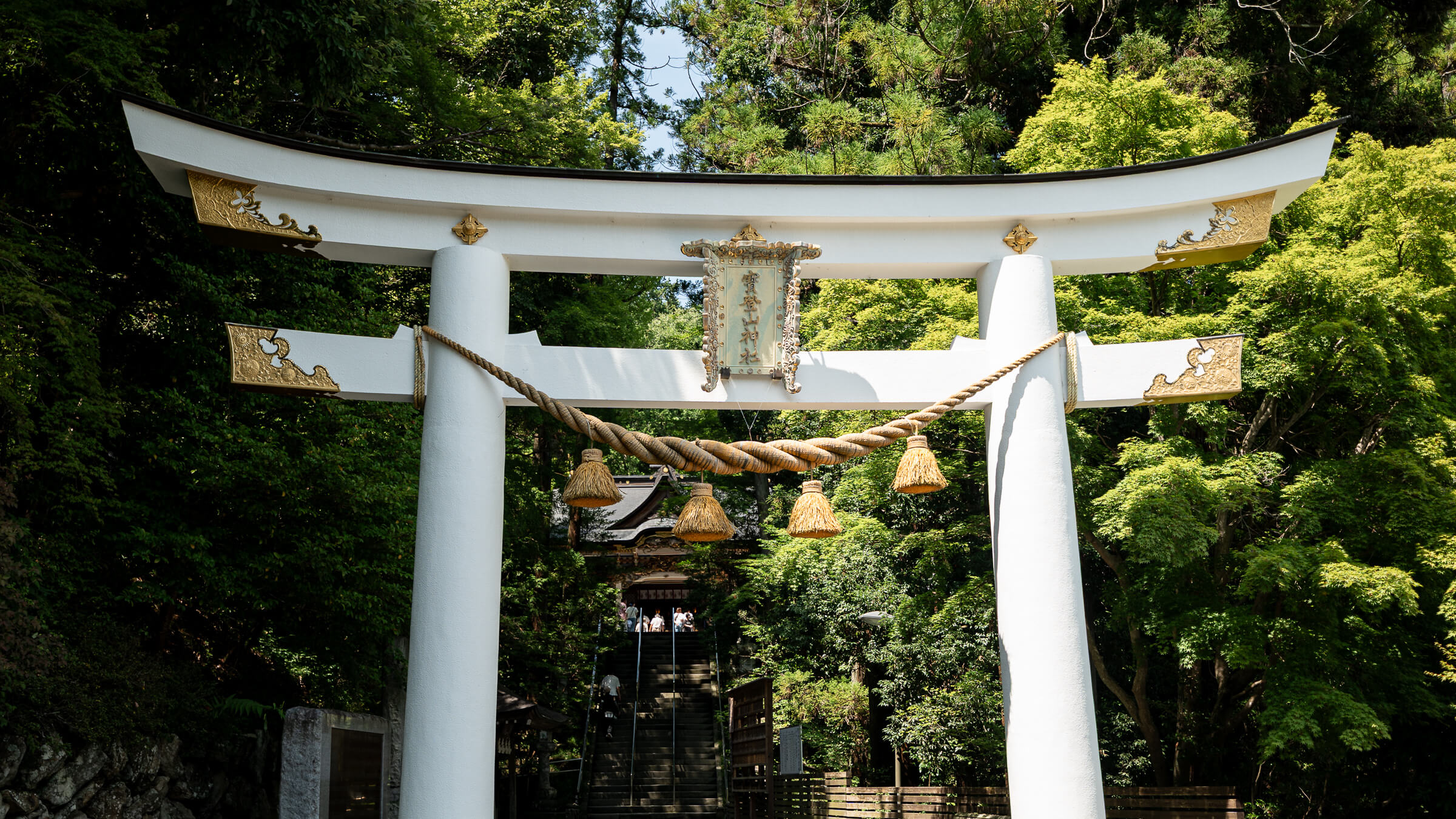
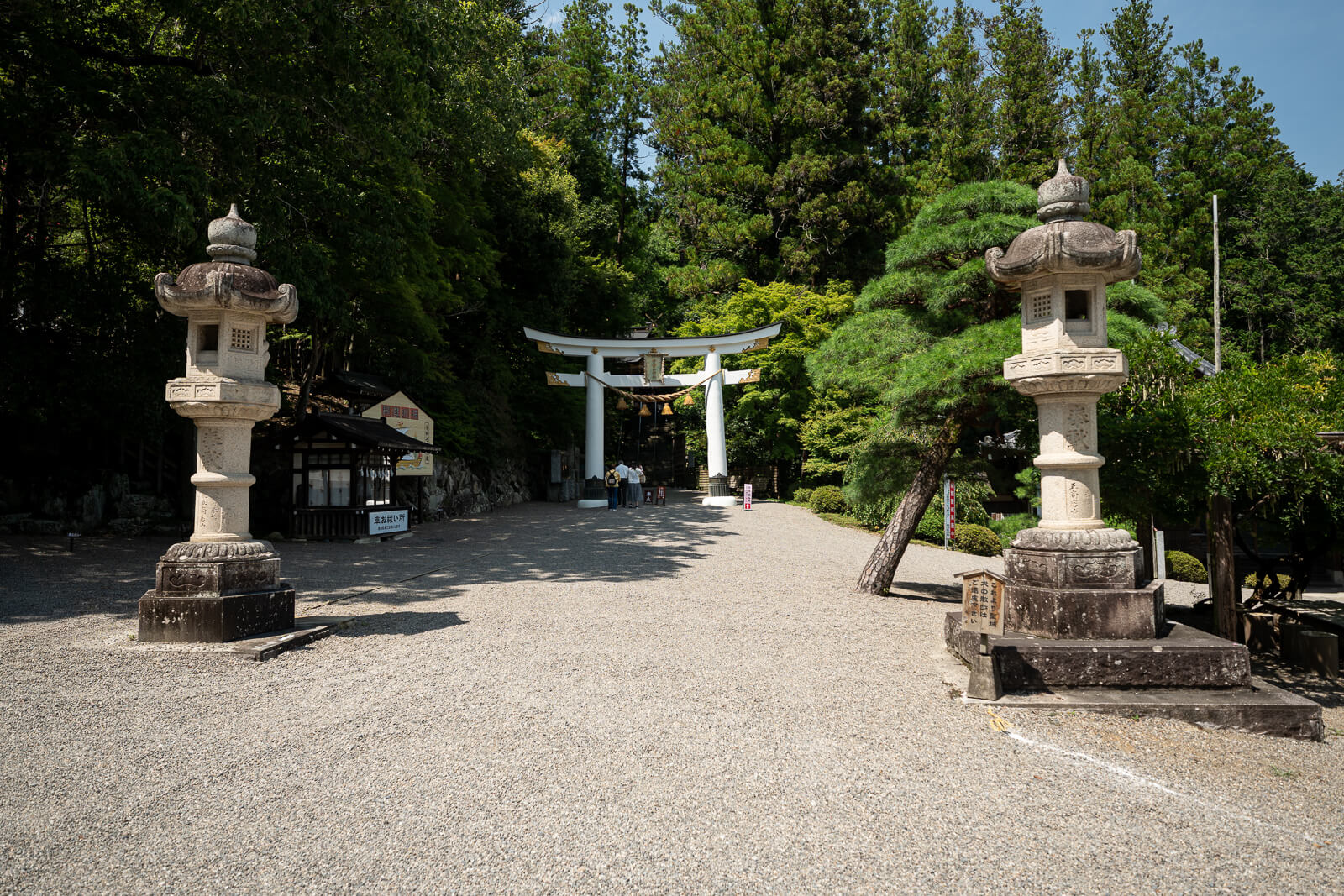
The approach begins at a torii gate and a wide entrance that quickly transitions into trees. Once inside, the surroundings change immediately — light softens, the air feels cooler, and the space becomes quieter than the road outside.
Paths are easy to follow, and most visitors naturally move toward the central worship area without needing direction or signage.
The main worship area
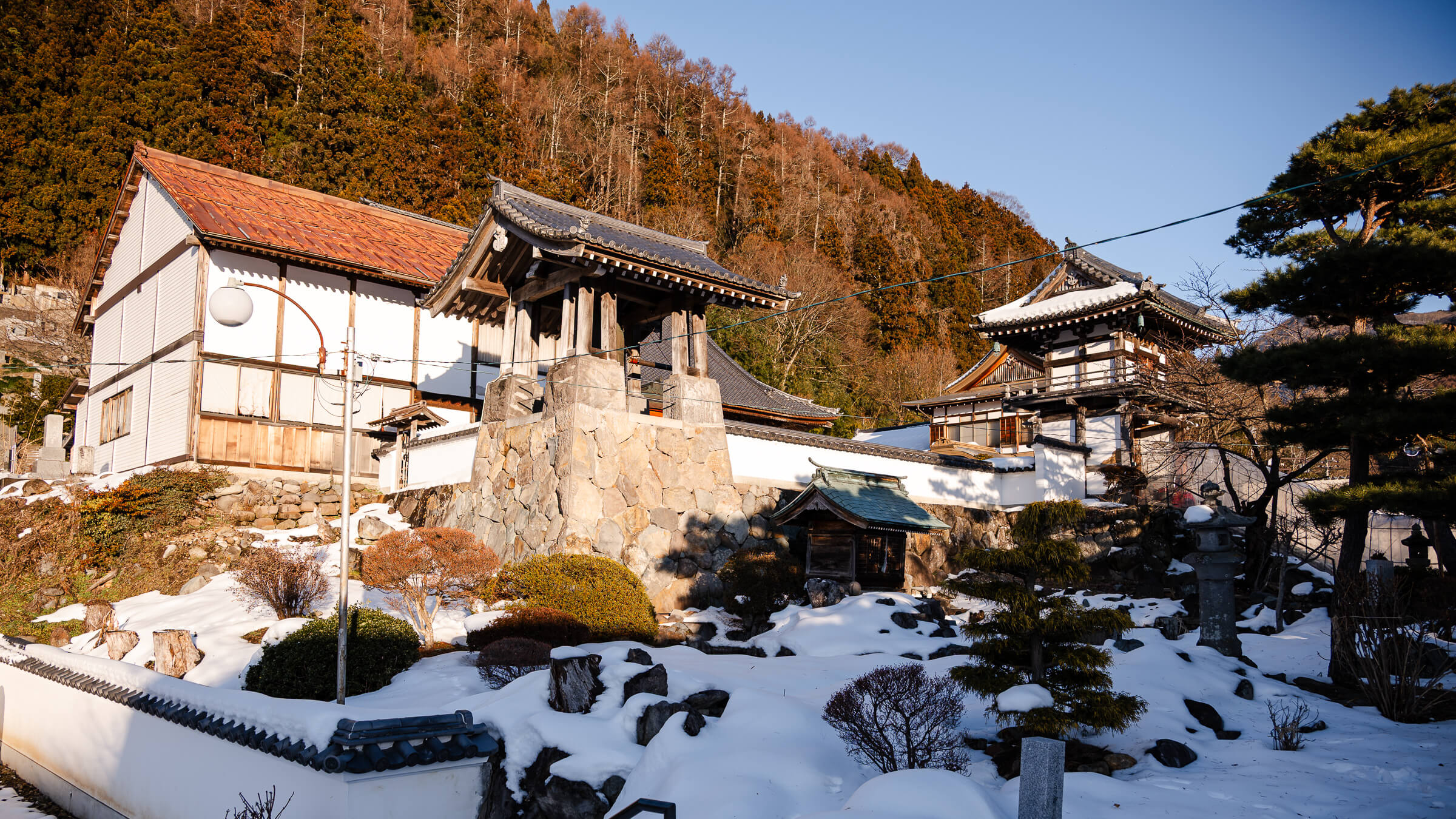
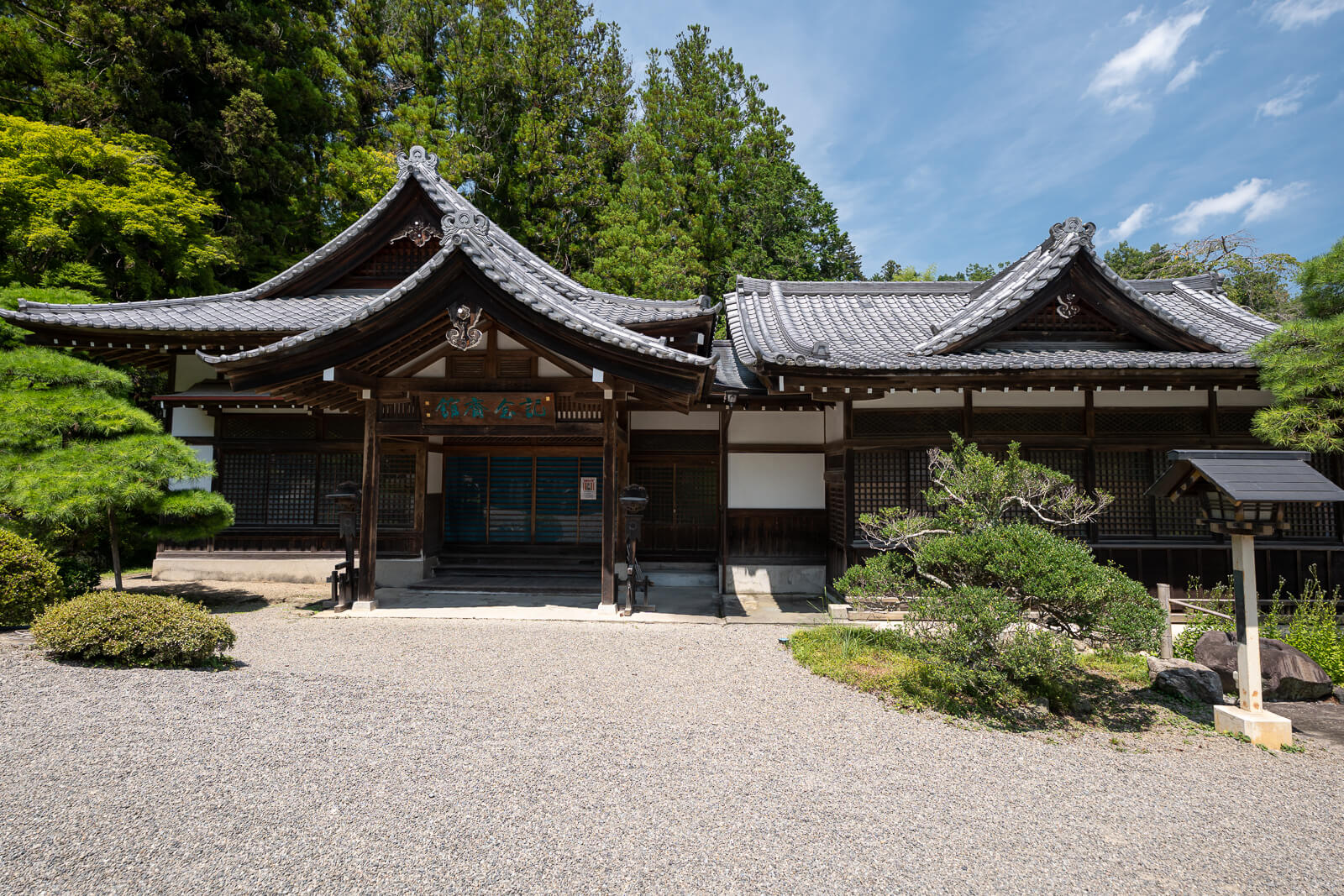
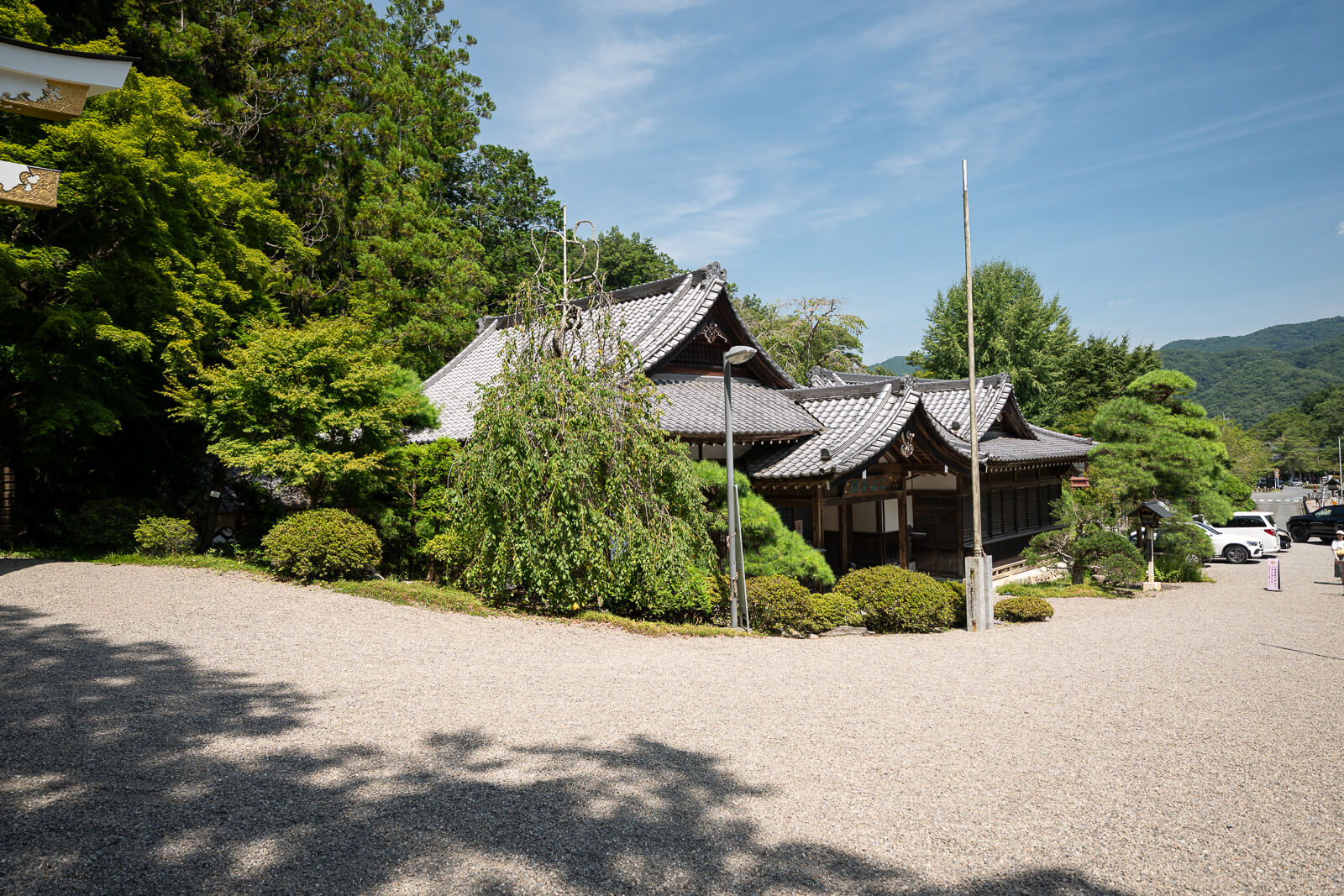
The main worship area sits at the center of the grounds and is where most visitors spend the longest time. The buildings feature detailed woodwork and layered rooflines that invite a closer look without requiring explanation.
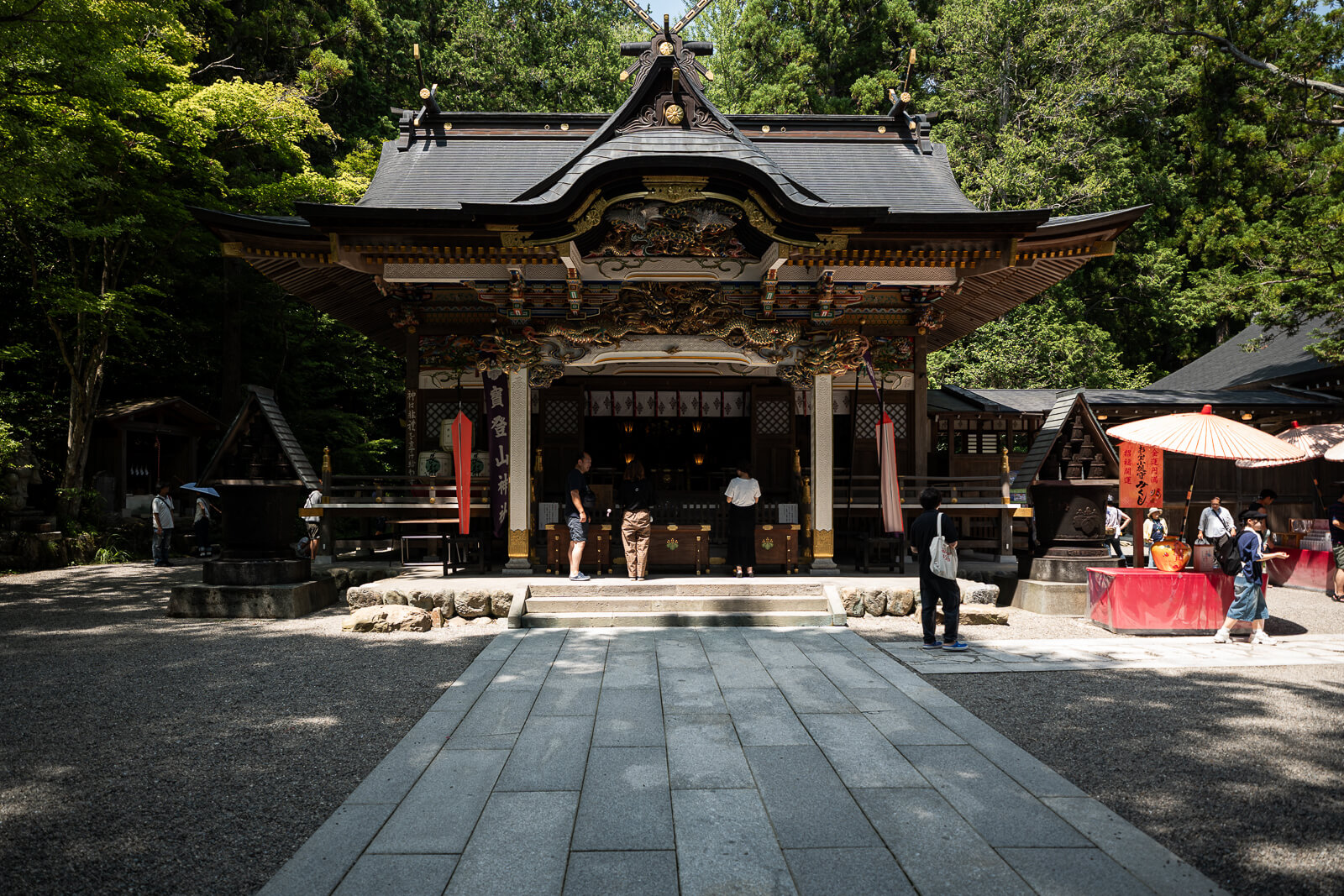
Movement here remains flexible. Some visitors step forward briefly to pray, while others pause farther back to look around. Because people spread out naturally, the area usually stays comfortable even when several groups arrive close together.
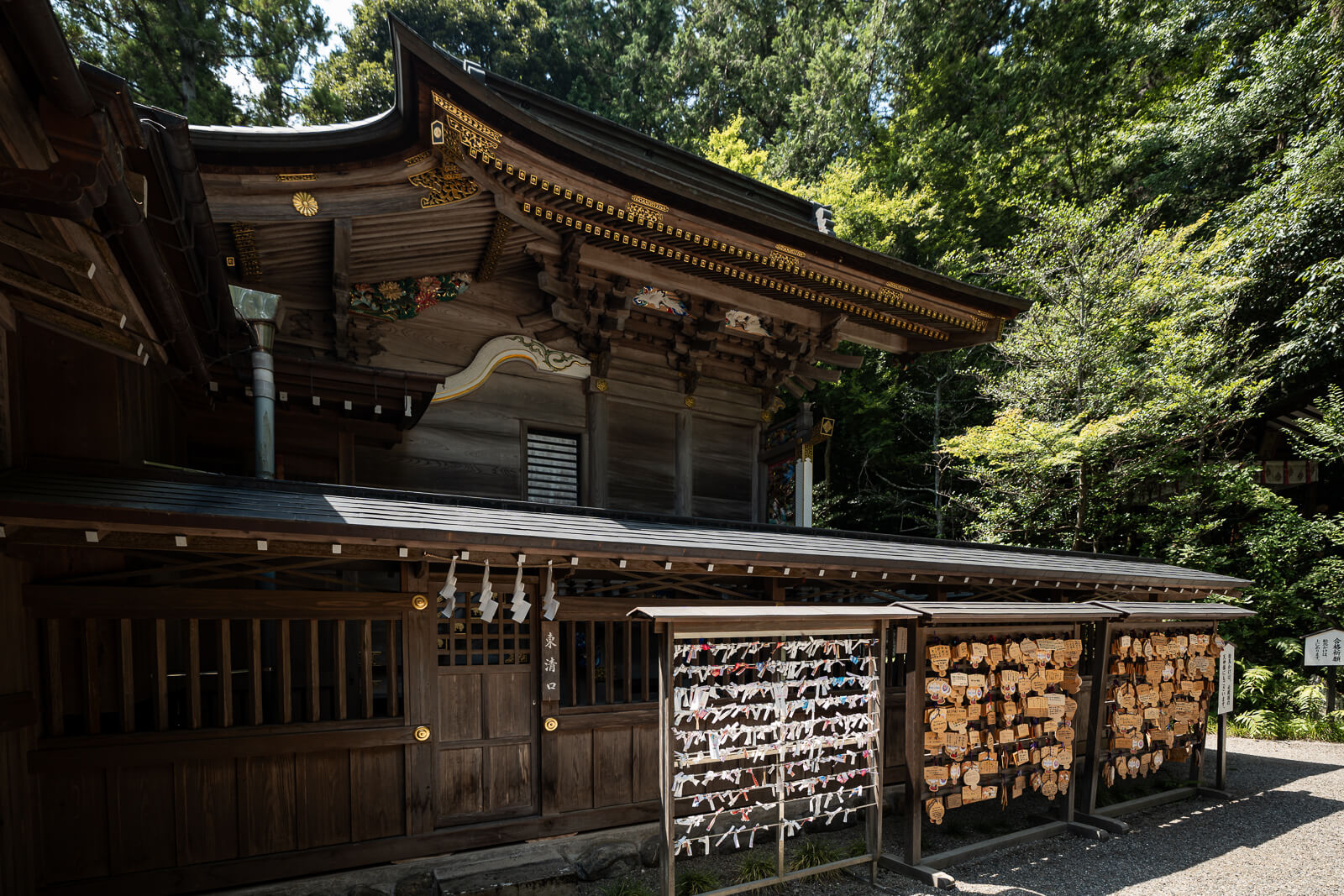
Walking the quieter sections
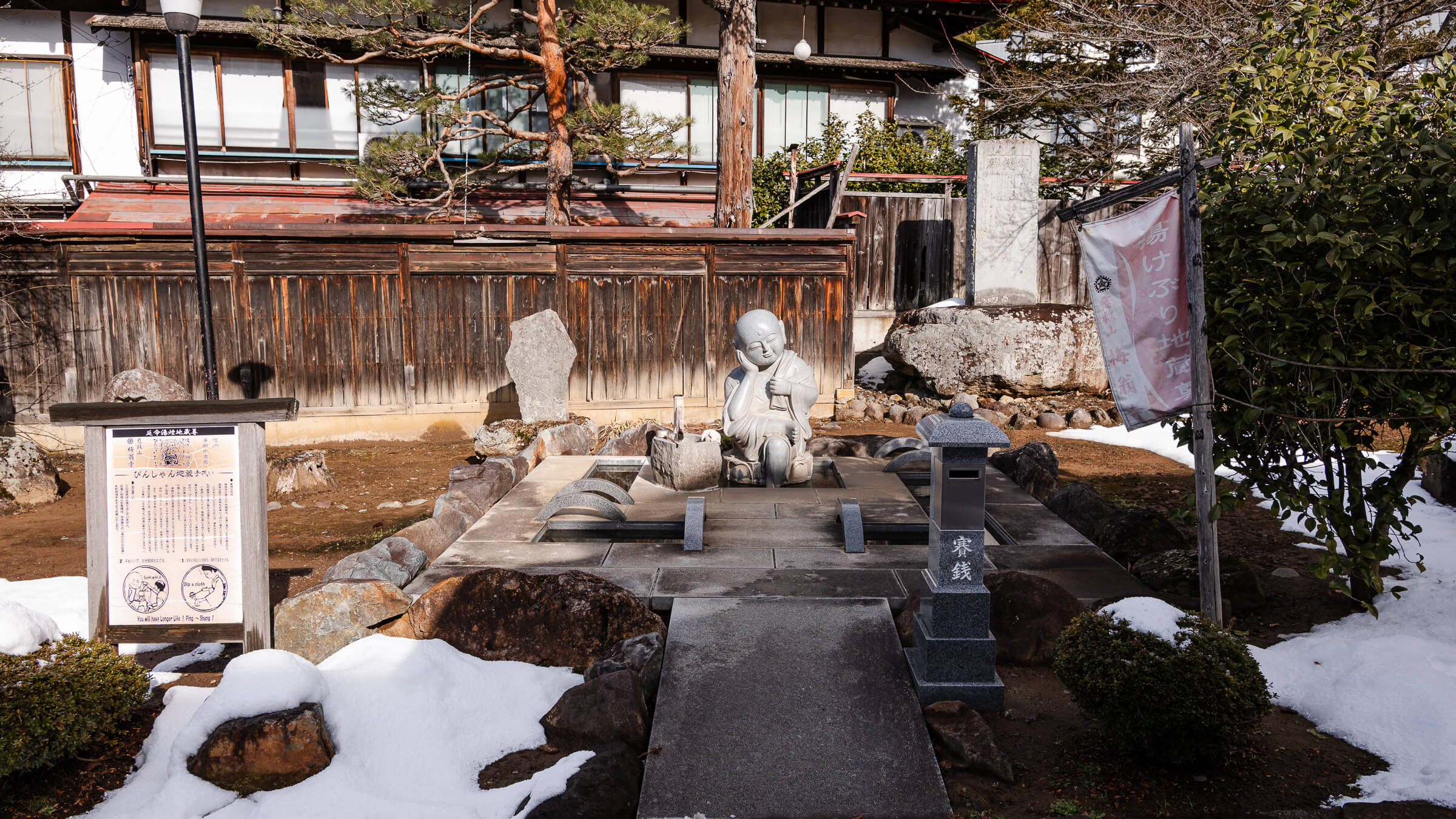
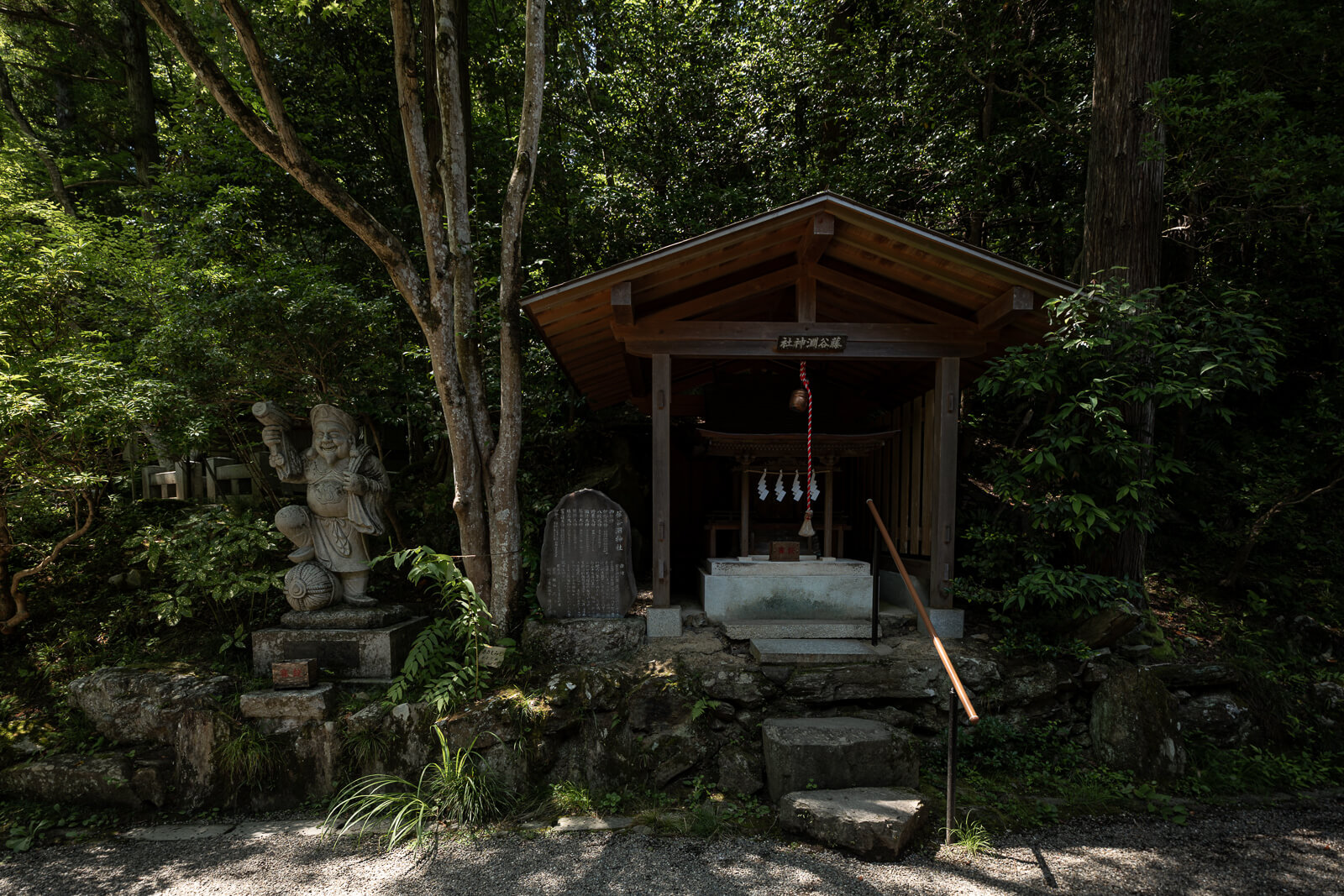
Beyond the central area, smaller paths lead to secondary shrines and shaded corners of the grounds. These sections feel less structured and are often quieter, with fewer people passing through at once.
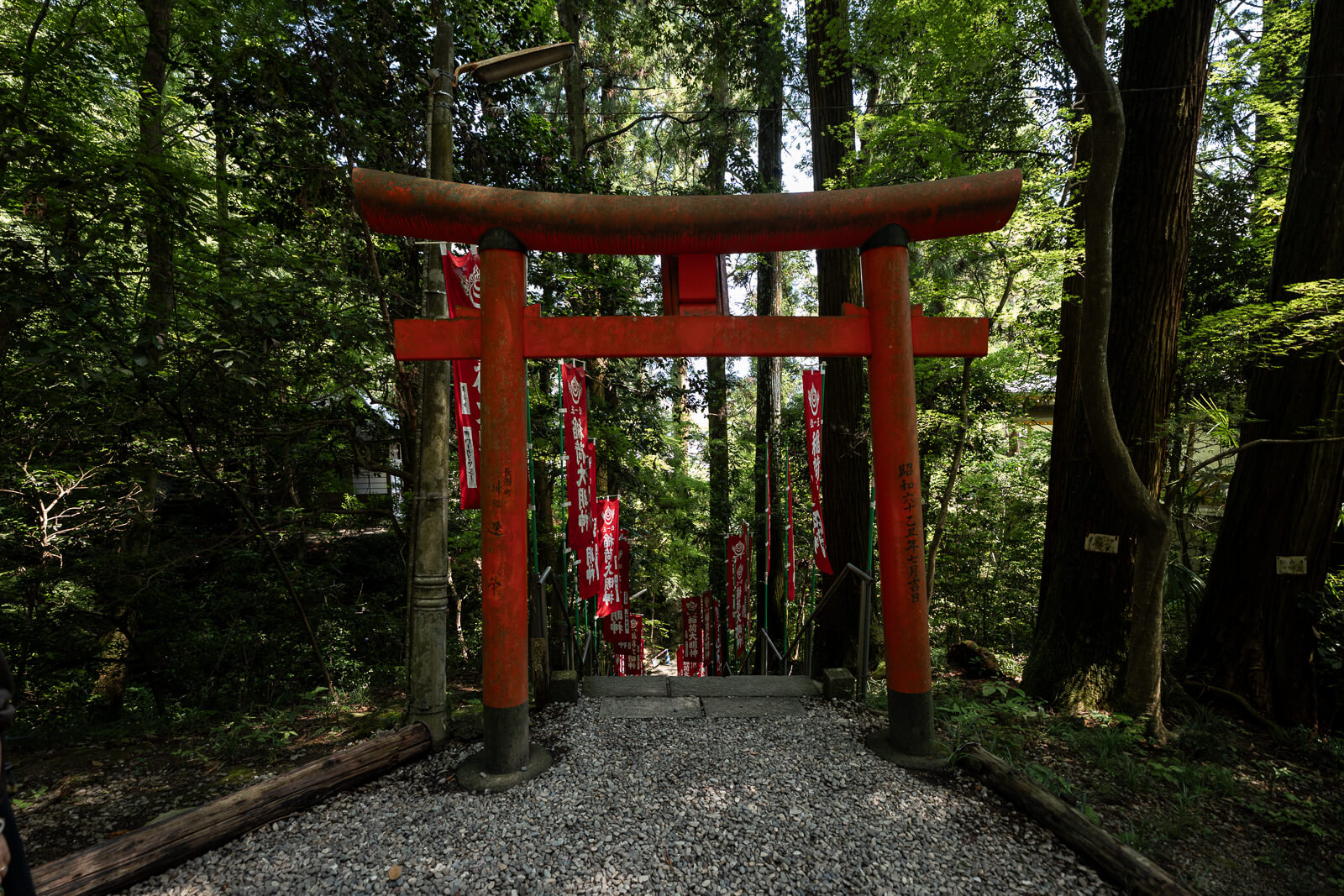
This is where the forest setting becomes more noticeable. The pace tends to slow on its own, and the visit feels more personal, especially on warm or bright days.
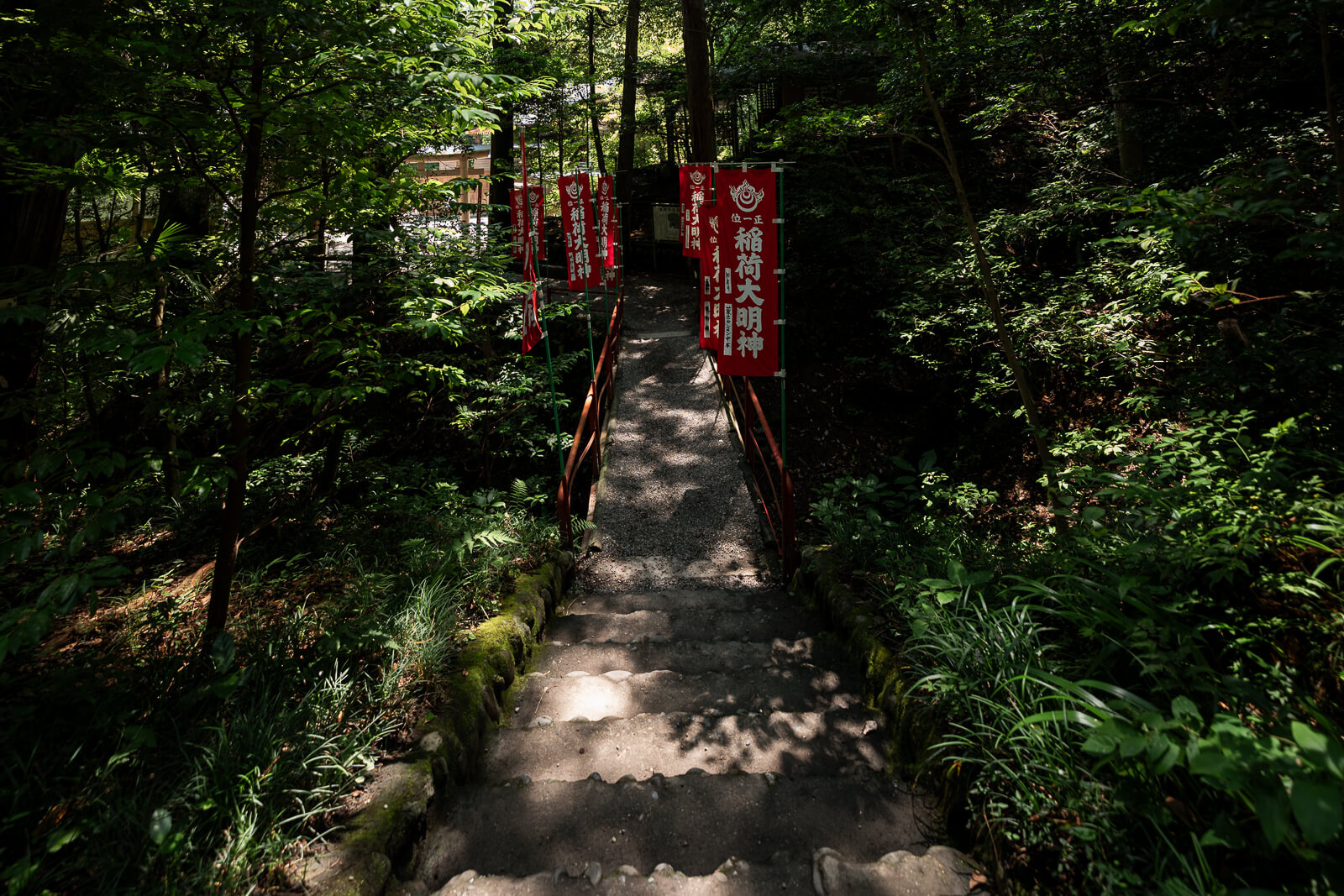
How timing affects the experience
Midday, particularly on weekends, brings the most activity near the entrance and main worship area. Earlier in the morning or later in the afternoon, the same spaces tend to feel calmer as foot traffic thins and light shifts through the trees.
Even during busier periods, the shrine generally absorbs visitors well. It rarely feels crowded or hurried.
Places that pair naturally nearby
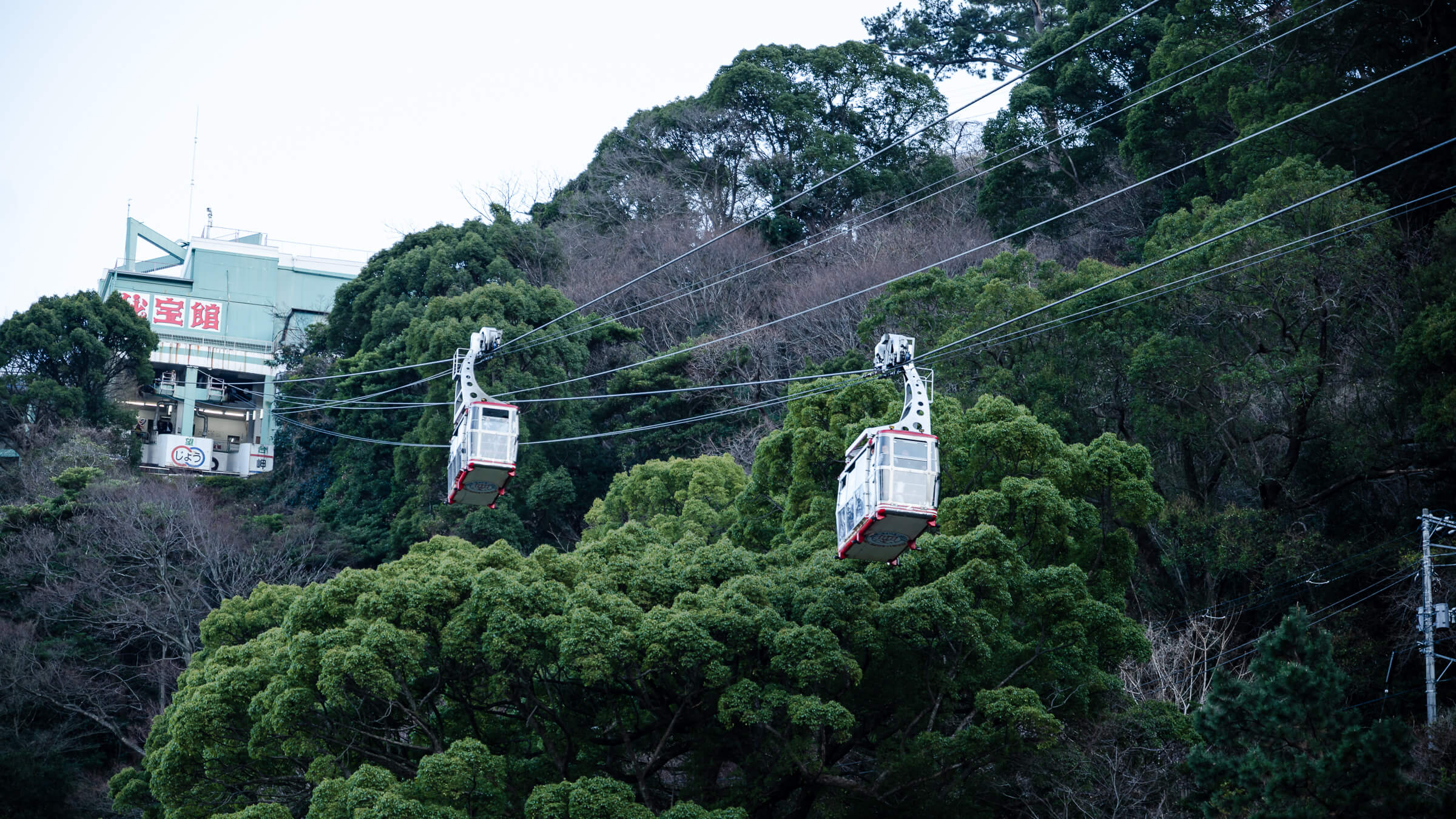
Hodosan Shrine is often combined with nearby stops rather than visited on its own. The Hodosan Ropeway is close enough to add easily and introduces a higher viewpoint without changing the overall rhythm of the day.
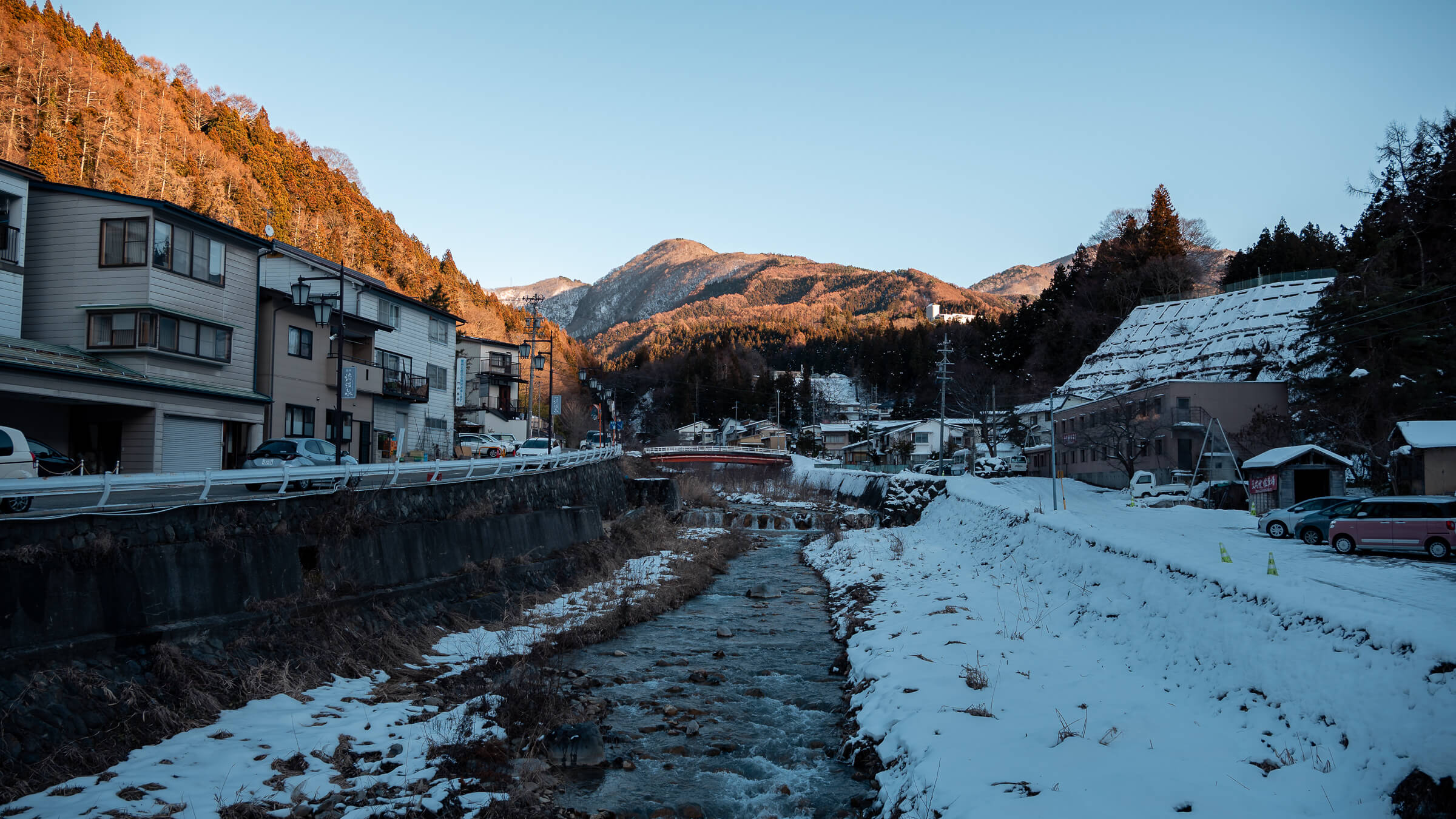
Many visitors also spend time along the Nagatoro section of the Arakawa River, which contrasts shaded forest paths with open riverside scenery. If time allows, continuing by train into the central Chichibu shrine area adds a different scale before heading back toward Tokyo.
Getting there
Nagatoro is commonly visited as a day trip from Tokyo. Travel time is typically around two hours each way, depending on transfers. The final stretch feels more local and scenic, but the journey itself remains straightforward.
Once in Nagatoro, Hodosan Shrine does not feel remote. Walking access from the surrounding area is manageable, and the visit does not require special transport. Driving can reduce last-mile walking if multiple stops are planned, but it is not necessary for this site alone.
Rules and photography notes
Outdoor photography is generally permitted throughout the grounds, including approach paths, buildings, and wooded areas. Any posted signs regarding restricted areas or photography limits should be followed as indicated.
Hours and Fees
Hodosan Shrine grounds: Free admission
Shrine office and amulet counter: Hours vary by season; confirm on the official site before visiting.