What this place is
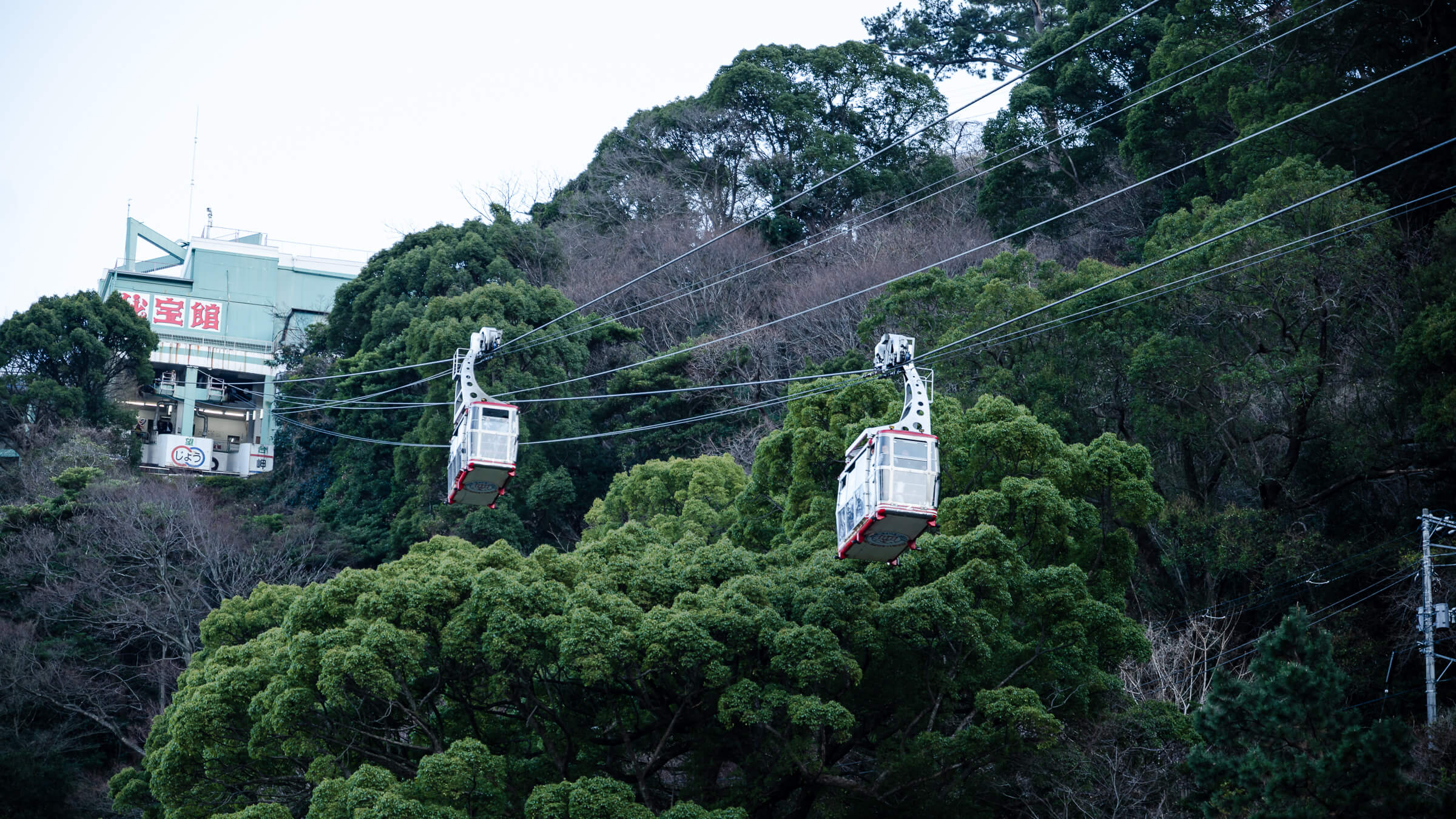
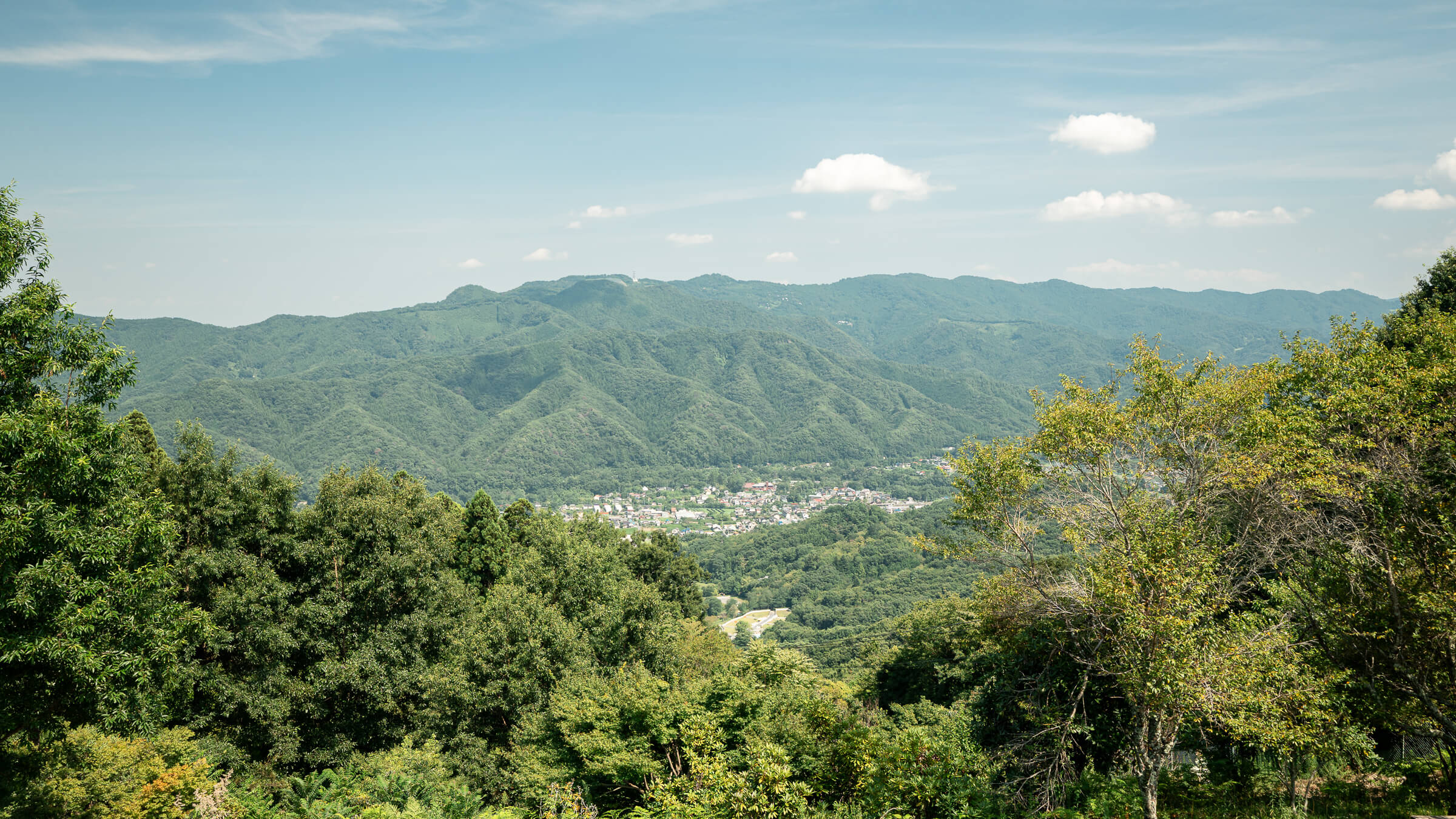
The Hodosan Ropeway is a short gondola line that carries visitors up the slopes of Mt. Hodo to an open summit area overlooking Nagatoro. It is not a destination that defines the day on its own. Instead, it works as an upper-layer experience that adds perspective to places most visitors are already seeing below.
The ropeway is typically visited alongside Hodosan Shrine, the Arakawa River, and the nearby rock formations and boat routes through the valley. It fits best as a short extension rather than a standalone goal.
Why this mountain matters
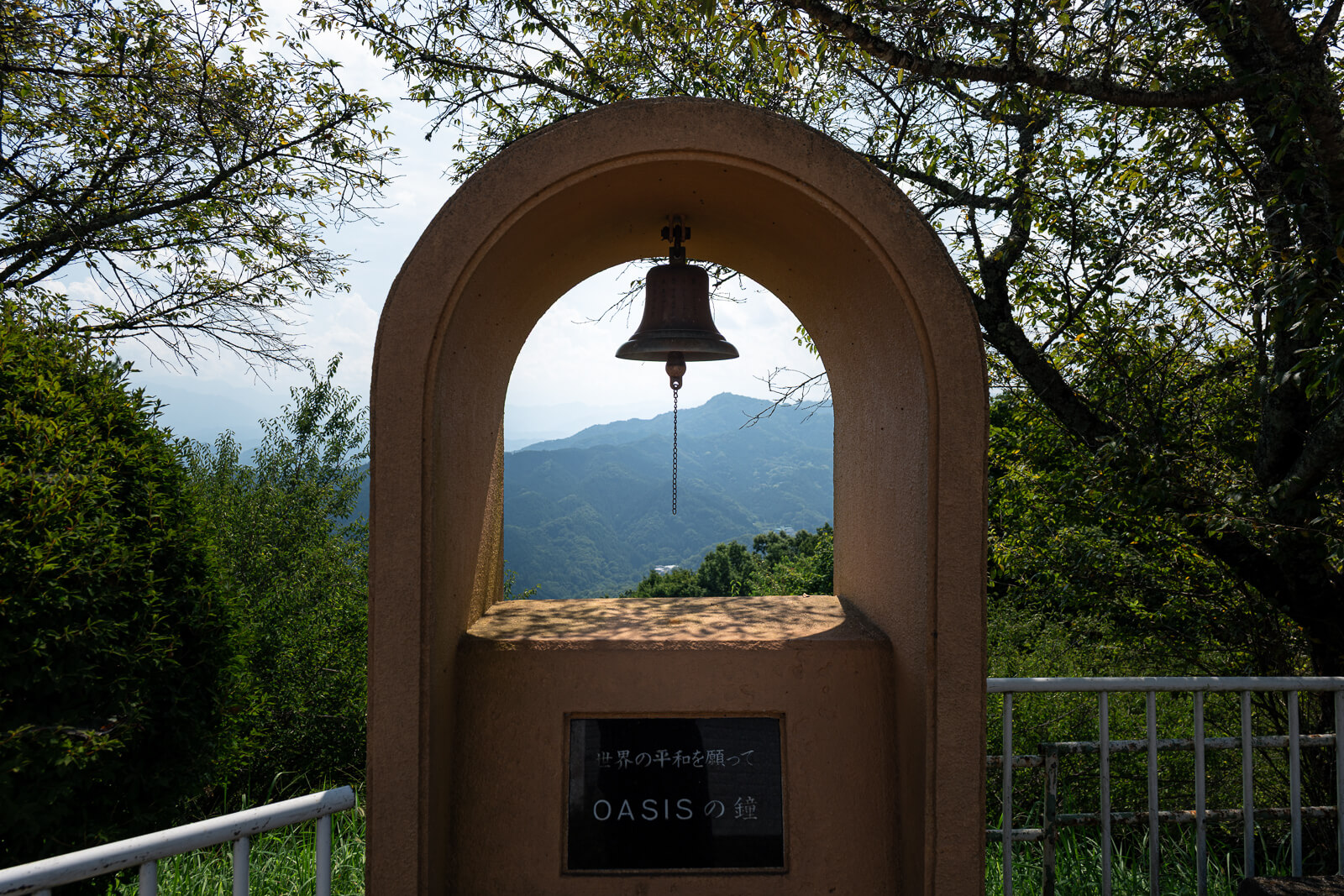
Mt. Hodo has long been treated as a sacred landscape rather than a scenic lookout. The mountain forms the spiritual backdrop to Hodosan Shrine, which has served as a place of worship and seasonal pilgrimage for centuries. The summit area, where the ropeway now arrives, remains tied to that role rather than being developed as a viewpoint-only attraction.
Near the top sits Hodosan Shrine Okumiya, the inner sanctuary of the shrine complex. Its presence reinforces that the mountain’s importance comes from elevation and setting as much as from views. The ropeway did not replace that meaning; it simply made the upper slopes more accessible to people who are not hiking the full route.
What the experience feels like
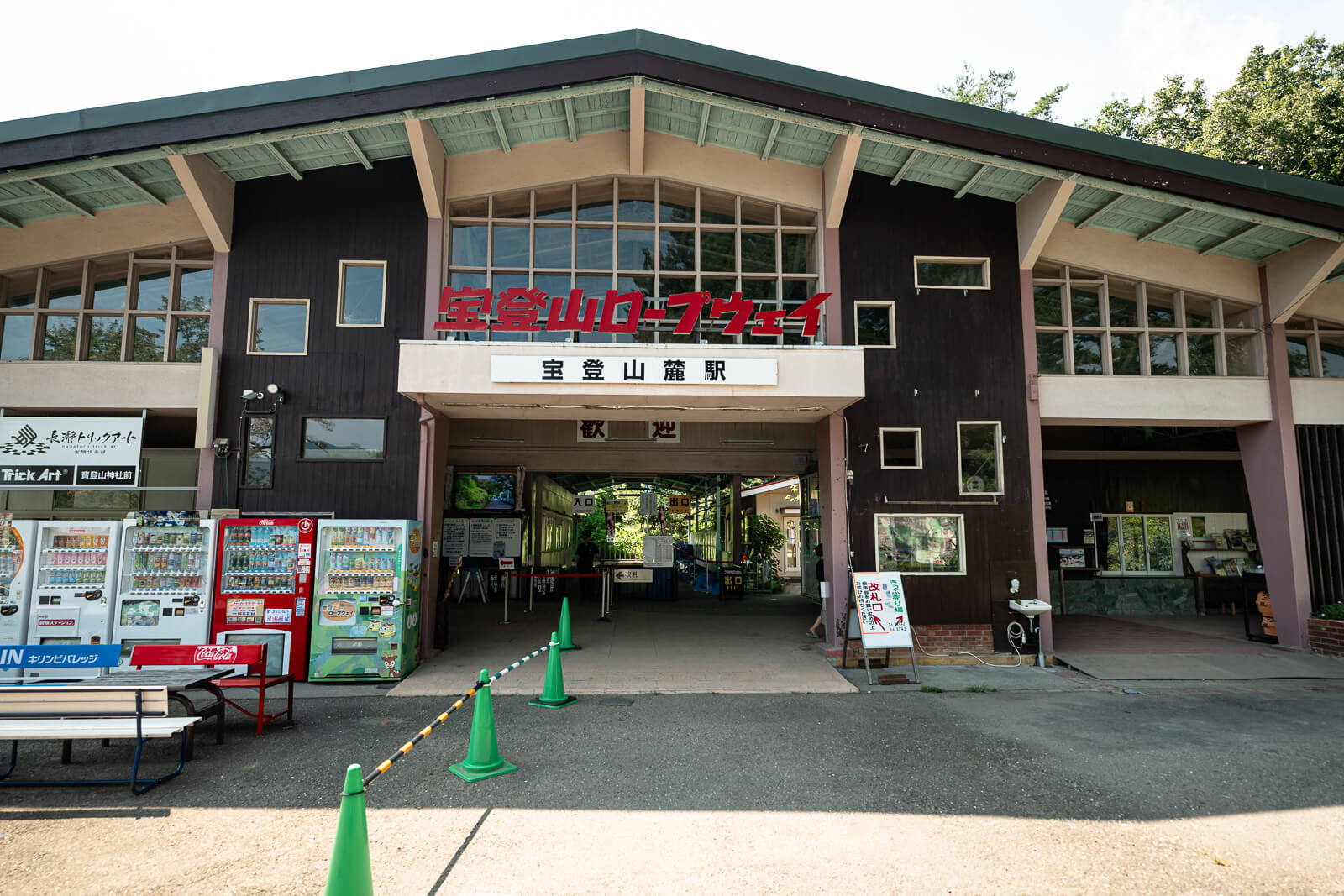
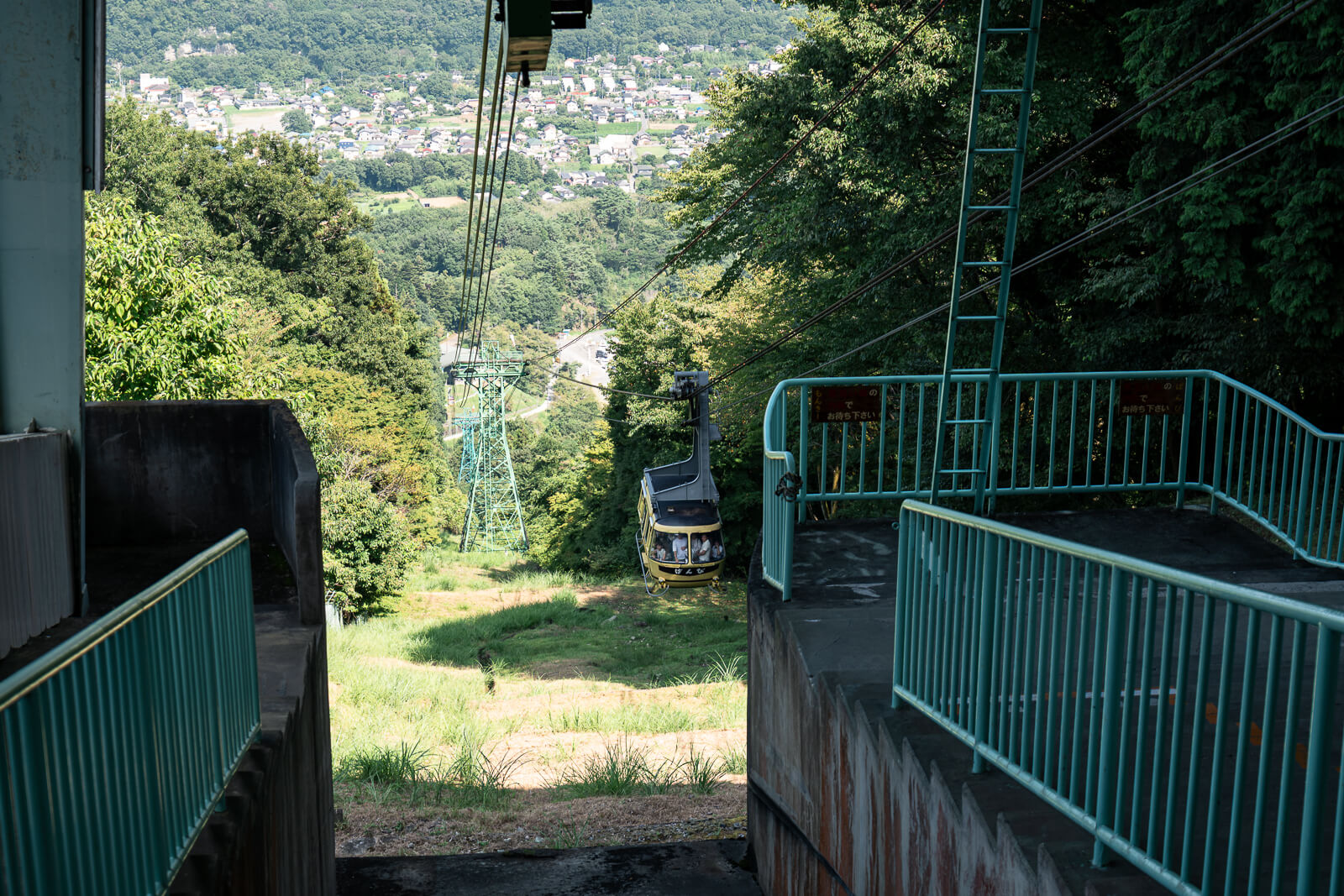
The ropeway ride itself is short and practical. The gondola moves steadily through forest, with views opening gradually rather than dramatically. The ascent feels more like transportation than an attraction.
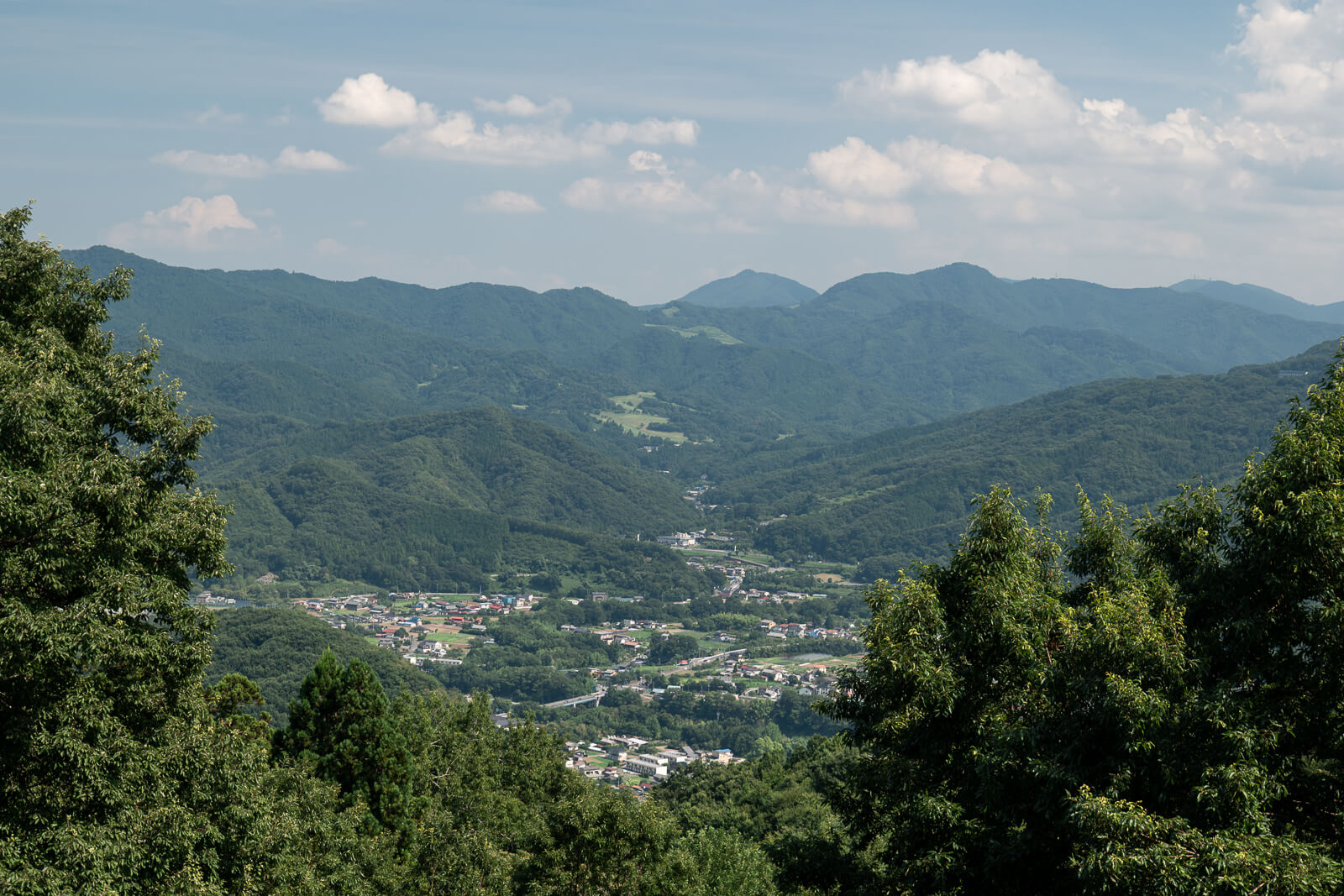
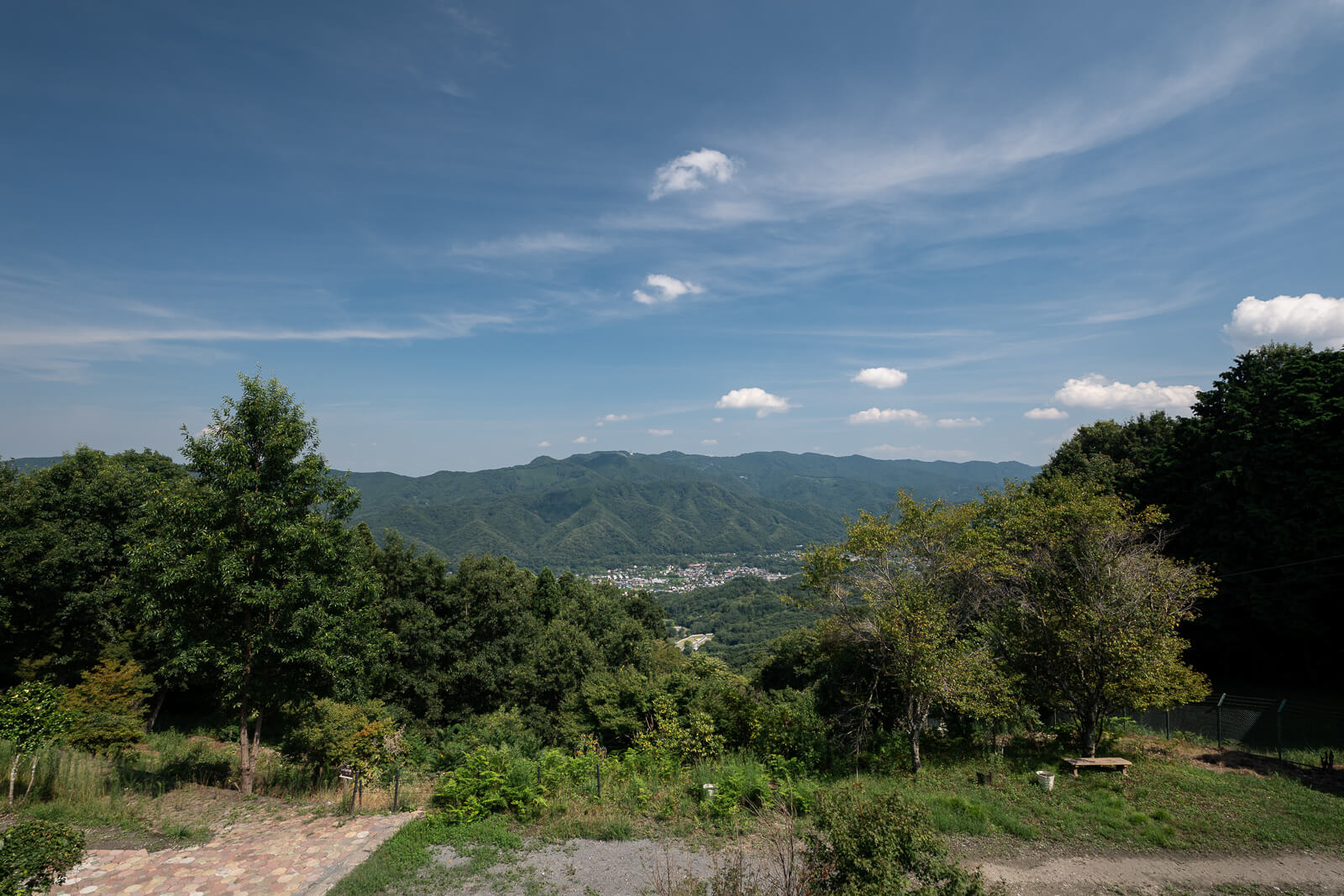
At the upper station, the space opens immediately. There is no prescribed path or sequence. Visitors spread out naturally, moving between different sides of the structure to take in the surrounding hills. An outdoor deck offers the clearest sightlines, and a small café nearby provides a place to sit without changing the rhythm of the visit.
Most visitors spend about 30 to 45 minutes at the summit. Walking is easy, surfaces are gentle, and effort remains low throughout. The visit rarely feels rushed, but it also does not invite long stays.
Ropeway, walking, or a mix of both
Mt. Hodo can be approached in more than one way. Some visitors take the ropeway up and walk back down. Others hike up and use the ropeway to descend. Both approaches are common and work well.
Walking adds time and moderate effort but gives a closer sense of the forested slope and the gradual change in elevation. Using the ropeway in one direction allows visitors to balance movement with comfort, especially in summer or when the rest of the day already includes significant walking.
The short walk beyond the station
From the summit area, a clear path leads uphill to Hodosan Shrine Okumiya. The walk usually takes around ten minutes and follows a steady but mild incline. It is noticeable without being demanding and does not require hiking experience.
Many visitors treat this walk as the natural endpoint of the ropeway visit. Others remain near the deck and viewpoints only. Both choices feel complete, and neither feels like a lesser version of the experience.
How timing and season affect the visit
Season changes how the summit reads. In summer, the hills appear as layered green, and heat can shorten how long people linger. In spring or autumn, blossoms or foliage add contrast and depth, making the short visit feel more visually distinct.
Crowds are usually felt more in the ropeway queues than at the summit itself. Once at the top, the open layout absorbs people easily, even during busier periods.
Places that pair naturally
The ropeway fits most naturally with Hodosan Shrine at the mountain’s base, forming a single, coherent visit without extra planning. Many visitors then continue toward the Arakawa River rock formations, where boat rides pass through the Iwadatami terraces.
If time allows later in the day, a short train ride or drive brings visitors into central Chichibu Shrine, where several smaller neighborhood shrines sit within a compact walking area. This works well as a closing loop rather than a detour.
Getting there
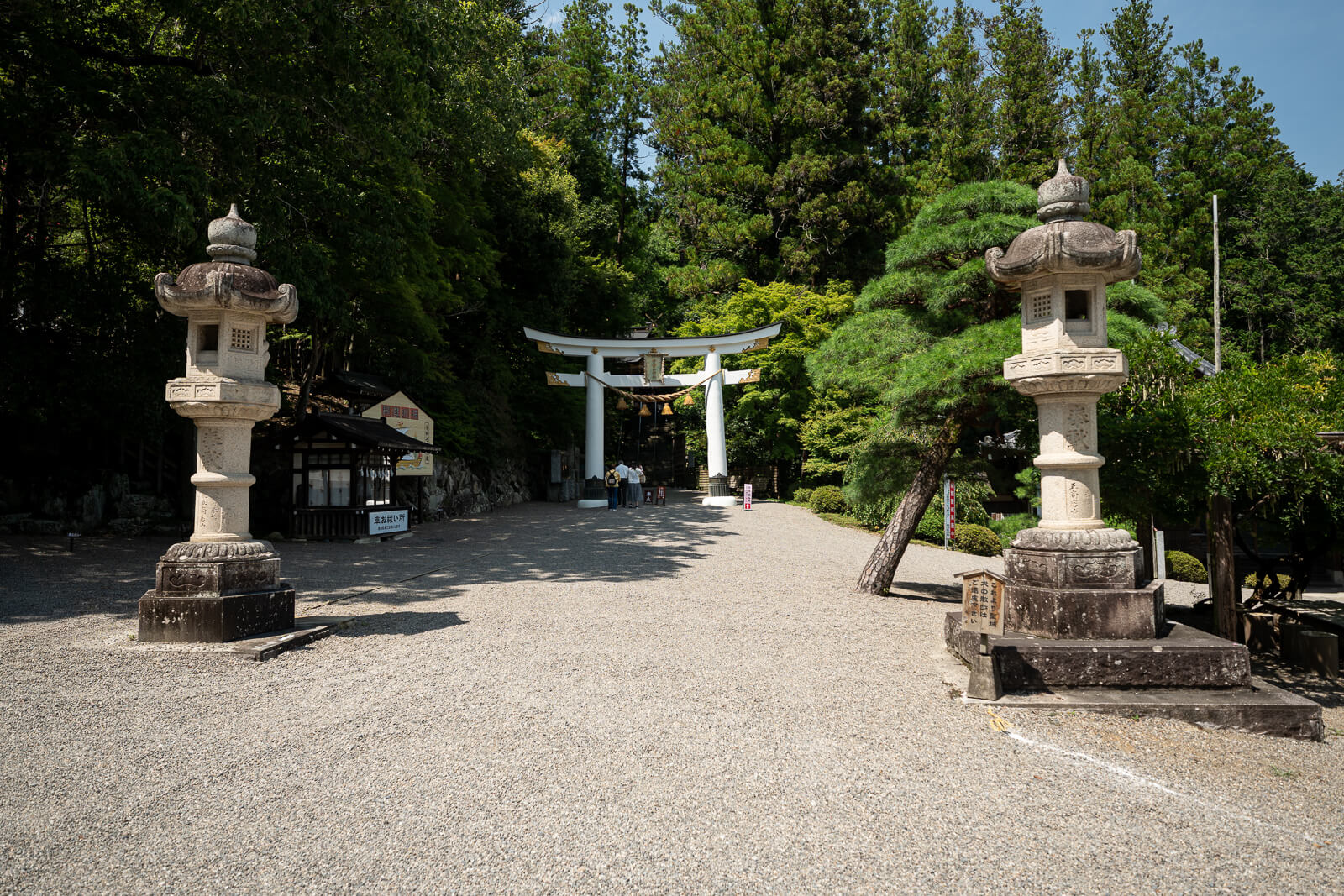
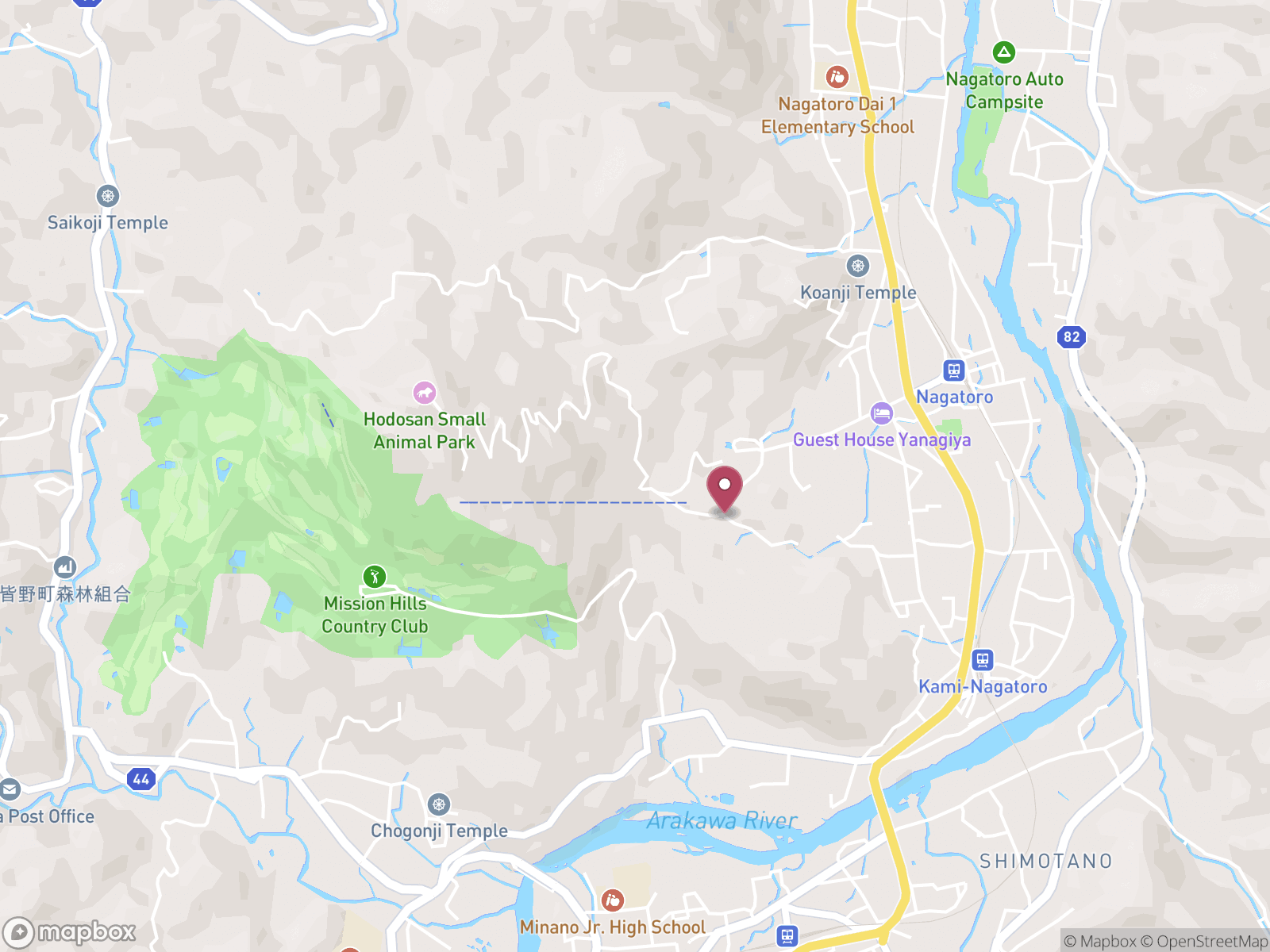
The Hodosan Ropeway is most often visited as part of a Nagatoro day trip rather than as a standalone destination. Most visitors arrive in the area by train and continue on foot through Nagatoro’s central sights before reaching the shrine approach.
Approaching from the Hodosan Shrine side keeps the visit cohesive and walkable, particularly for travelers already exploring the Arakawa River area and nearby rock formations. The route feels like a natural extension of a Nagatoro visit rather than a separate excursion.
Access by car mainly reduces the uphill walking distance rather than changing the experience itself. Visitors still arrive at the same ropeway station and follow the same ascent, making the choice more about pacing and comfort than convenience.
Many visitors treat Nagatoro as a midpoint rather than an endpoint. After the ropeway visit, it’s common to continue north into Gunma rather than returning directly toward Tokyo.
Maebashi and Takasaki work well as practical overnight bases, particularly if you plan to visit Shibukawa or Ikaho Onsen the following day. Renting a car at this stage can simplify the transition, but rail connections remain workable depending on pace and luggage.
Continue From Here
Hours and Fees
Operating hours, service frequency, and ticket prices vary by season and conditions.
Confirm current opening hours, last departure times, and fares on the official Hodosan Ropeway website before visiting.