A Temple Valley That Opens Into Kamakura
Engaku-ji Temple sits beside Kita-Kamakura Station, marking the northern entrance to Kamakura’s historic temple corridor. From here the route continues south past Tokei-ji Temple, Jochi-ji Temple, and Kencho-ji Temple, eventually reaching the city’s historic center at Tsurugaoka Hachimangu. The wooded hills behind Kita-Kamakura also connect to the Daibutsu Hiking Course, which leads through the mountains toward the Great Buddha of Kamakura and Hasedera Temple on the western side of the city.
The temple occupies a narrow wooded valley that opens gradually toward Kamakura’s central districts. Unlike temples built around a single courtyard, Engaku-ji unfolds along a central path where gates, halls, and smaller sub-temples appear gradually between forested slopes. The layout creates a sense of movement through the landscape rather than arrival at a single focal point.
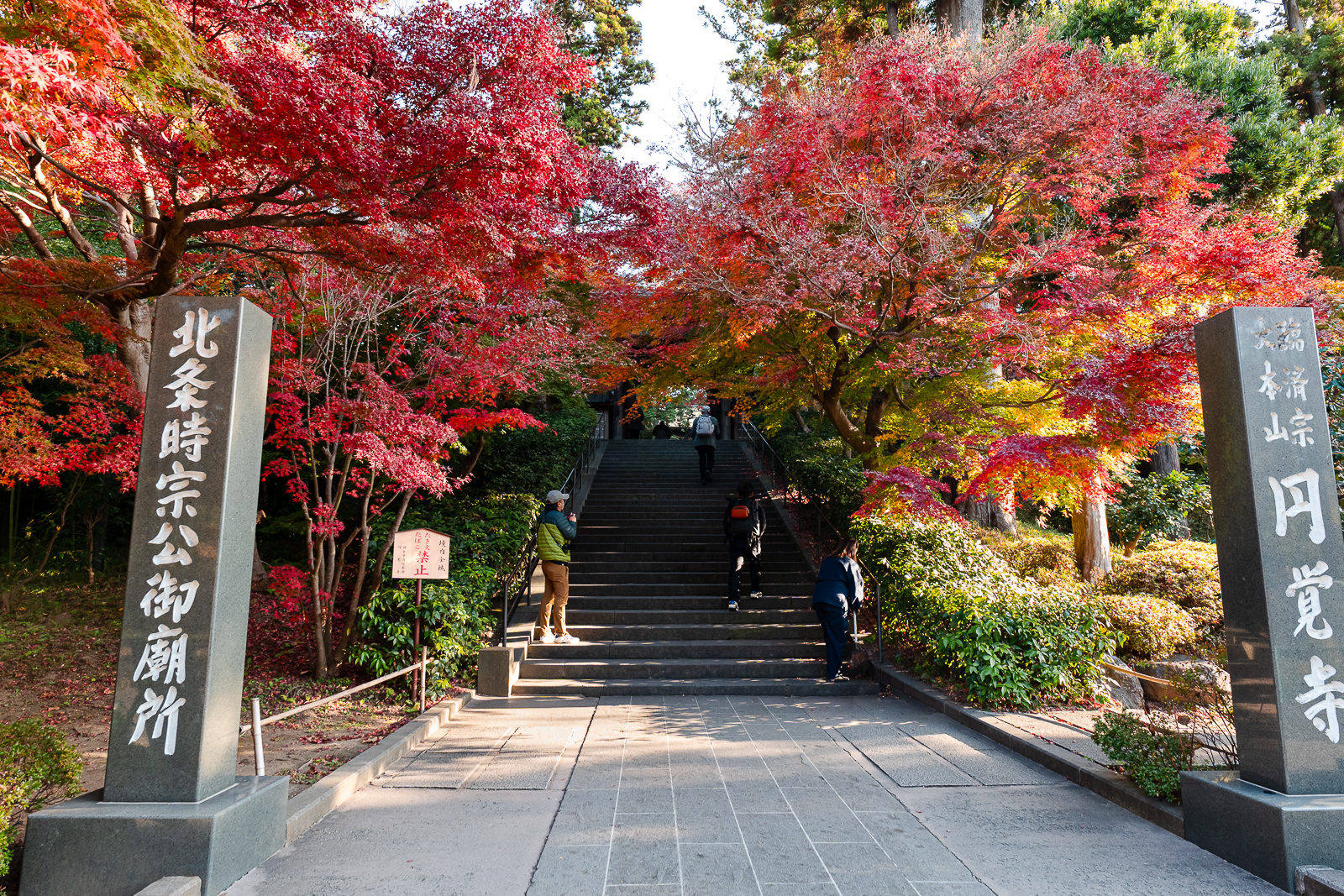
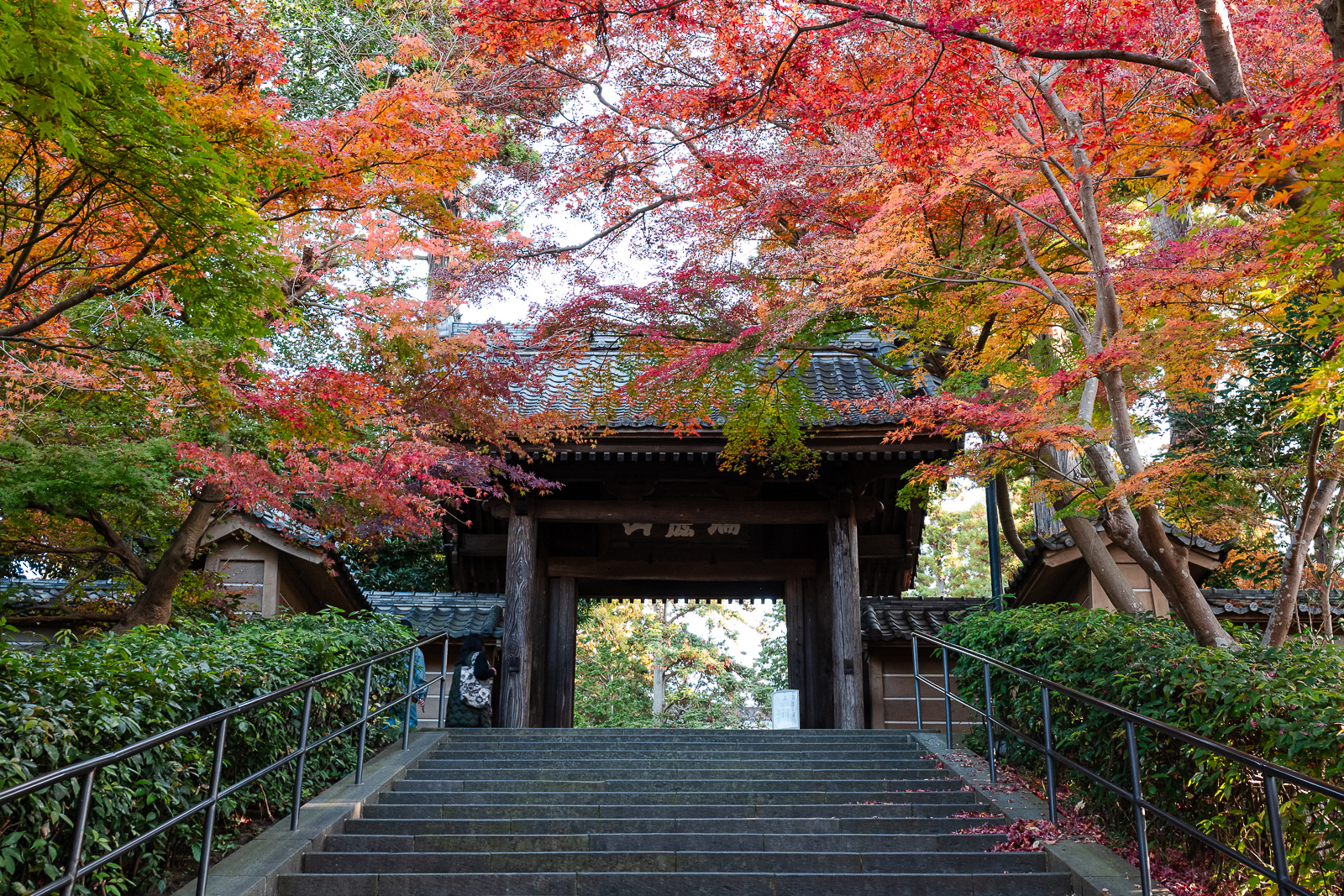
Most visits take 45–75 minutes and require only gentle walking as the path follows the natural incline of the valley. Because of its position beside the station, Engaku-ji often becomes the first temple stop when entering Kamakura from Tokyo, setting the tone before the route continues south.
Why This Temple Was Built in This Valley
Engaku-ji was founded in 1282 by Hōjō Tokimune following Japan’s defense against the Mongol invasions. The temple was established both as a Zen training center and as a place to honor those who died during the conflict. At the time, Kamakura served as the political center of Japan, and Zen Buddhism was gaining influence among the warrior class.
The valley behind Kita-Kamakura was chosen deliberately rather than building on open ground or along the coast. The founders selected a narrow wooded valley where the temple could extend gradually through the landscape, allowing buildings to emerge along a central axis. The surrounding hills provided natural separation while still keeping the site connected to Kamakura’s core.
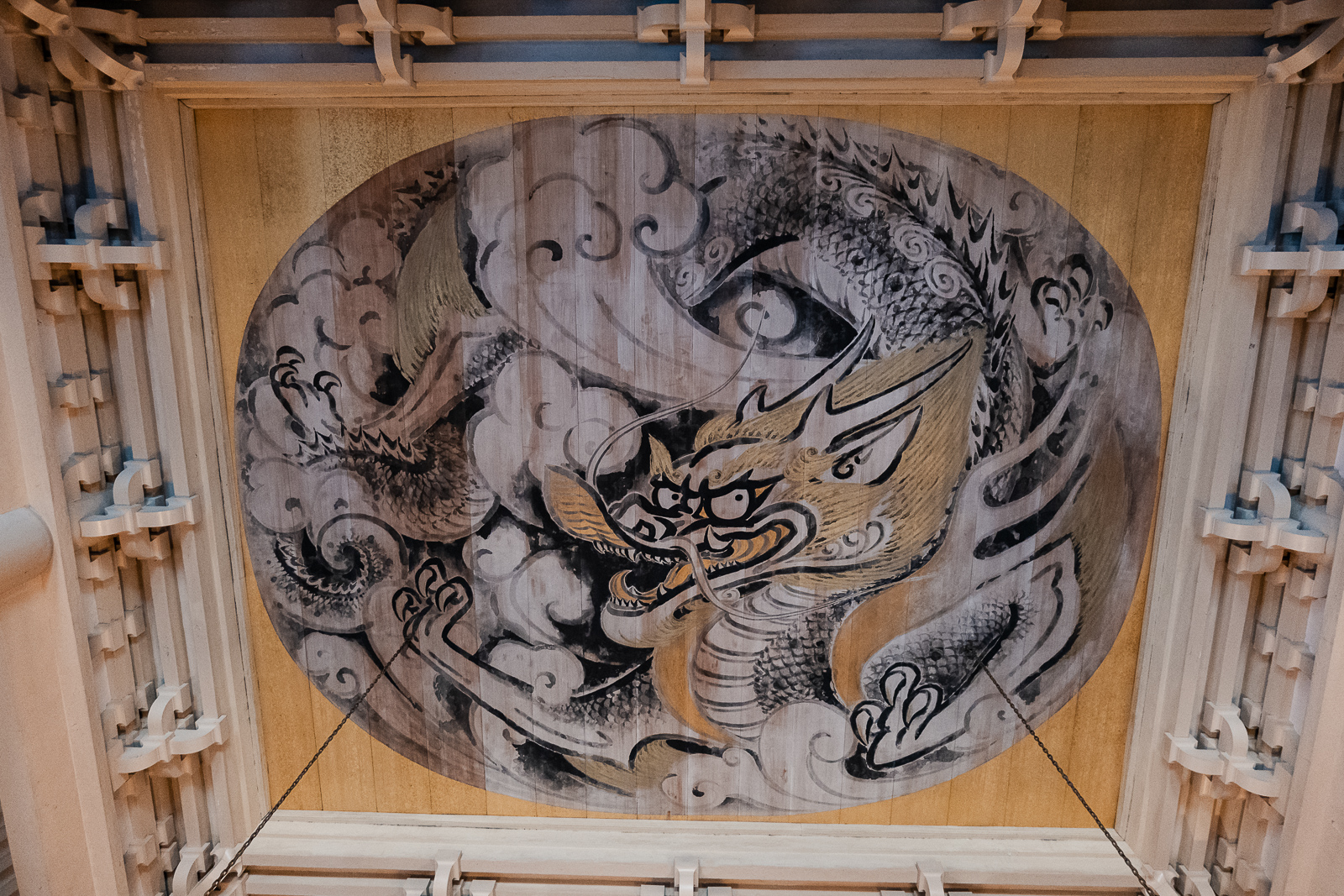
Visitors today still move through essentially the same spatial structure shaped in the thirteenth century. The central path follows the valley floor, while smaller temple spaces extend upward along the slopes, reinforcing the original design. The environment itself remains one of the defining features of the temple.
Stepping Out of Kita-Kamakura Station
Few temples begin as close to the station as Engaku-ji. Leaving Kita-Kamakura Station, visitors walk only a short distance before the temple entrance appears ahead. This immediate transition makes the site feel accessible without losing its sense of separation.
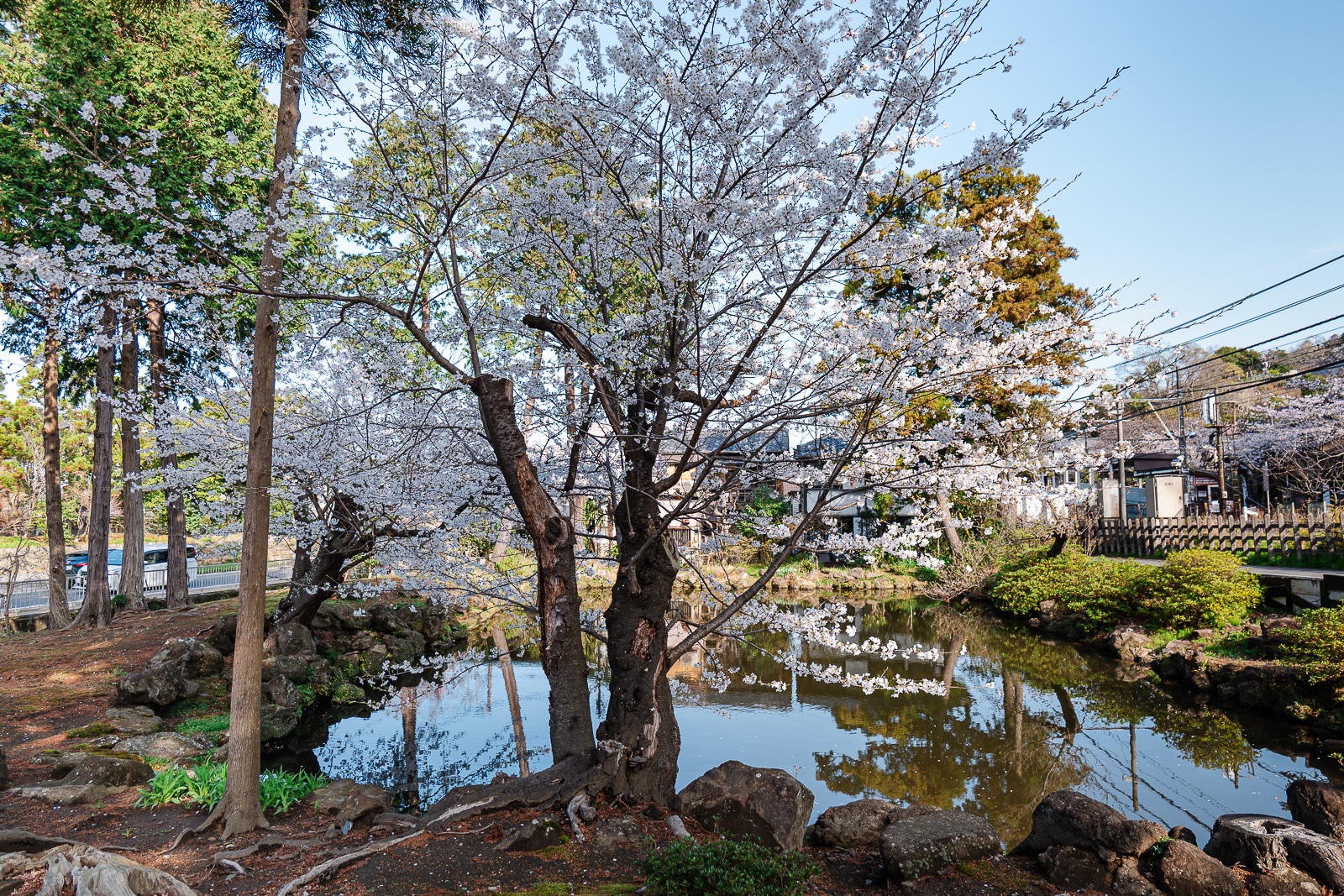
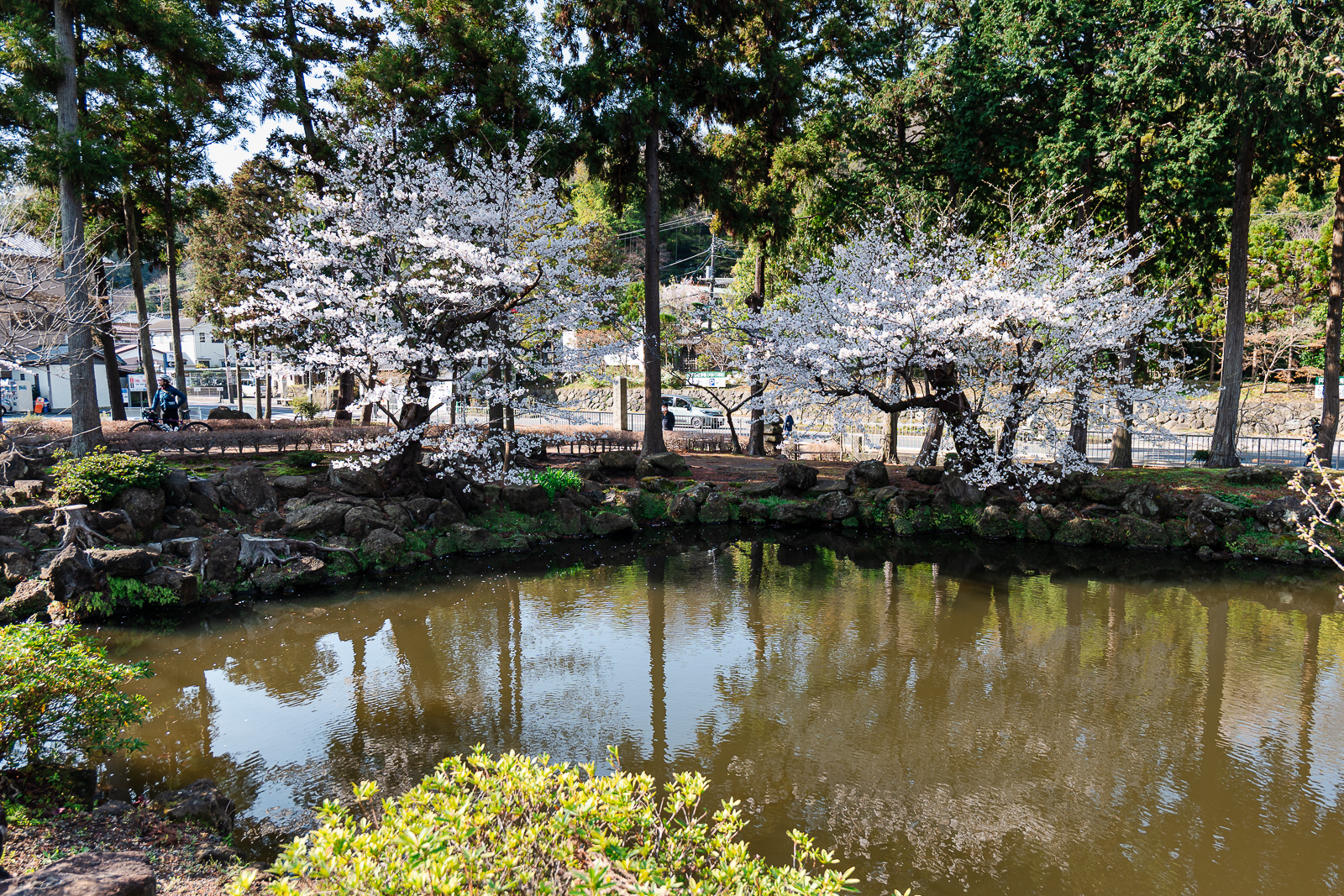
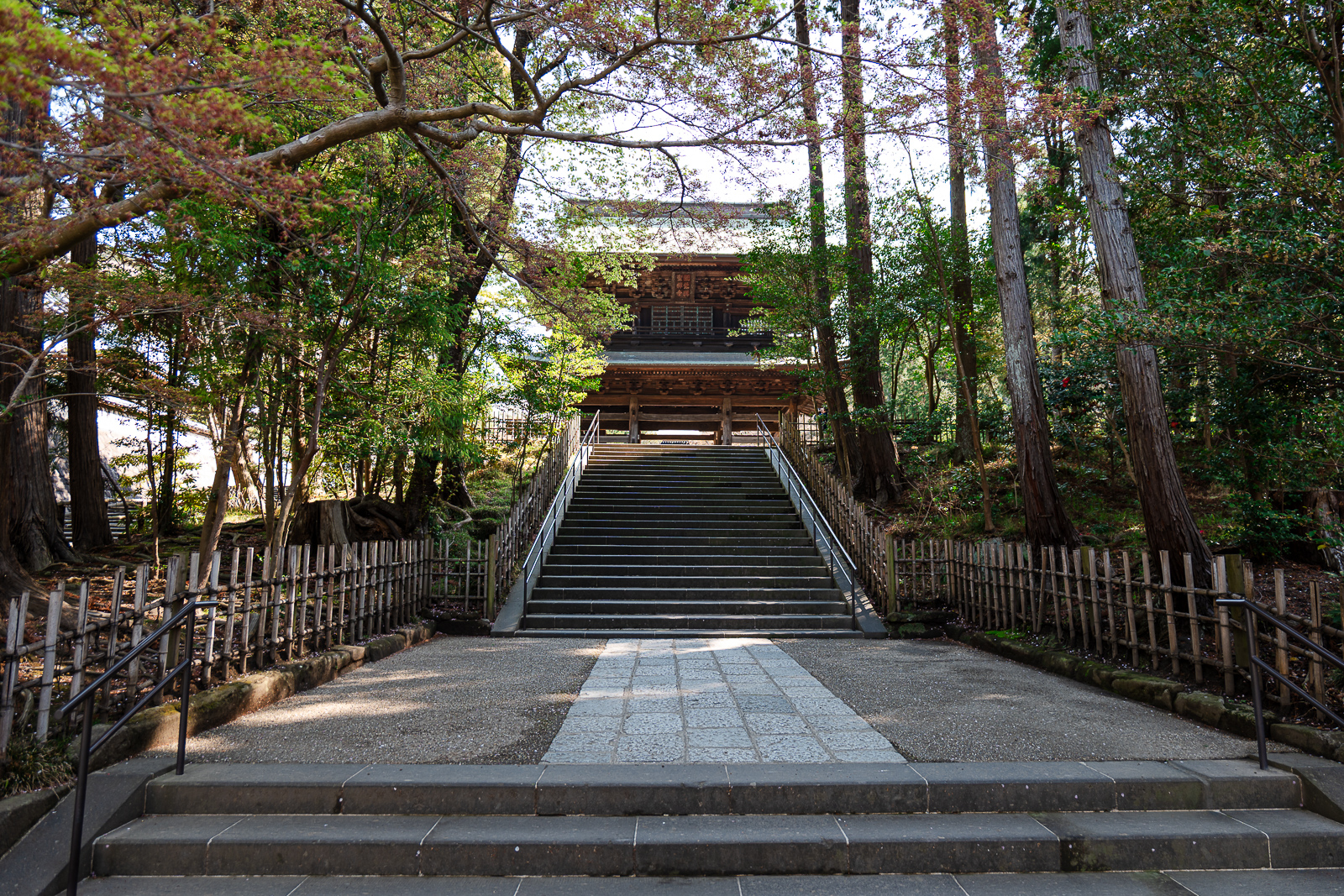
A small pond sits beside the road leading toward the temple gate, creating a brief transition space between the station and the temple grounds. Beyond it stands the large wooden Sanmon gate, marking the formal entrance. Passing beneath the gate reveals the valley and establishes the direction of the visit.
From here the path continues forward between wooded slopes, gradually pulling attention away from the station behind you. The surrounding landscape begins to replace the presence of the railway, even though it remains only a short distance away.
Walking Through the Temple Valley
The experience of Engaku-ji is defined by movement through the valley rather than a single destination point. The main path leads gradually uphill, with temple buildings appearing at intervals along the route rather than gathering in one place. This creates a sequence of spaces rather than a single viewpoint.
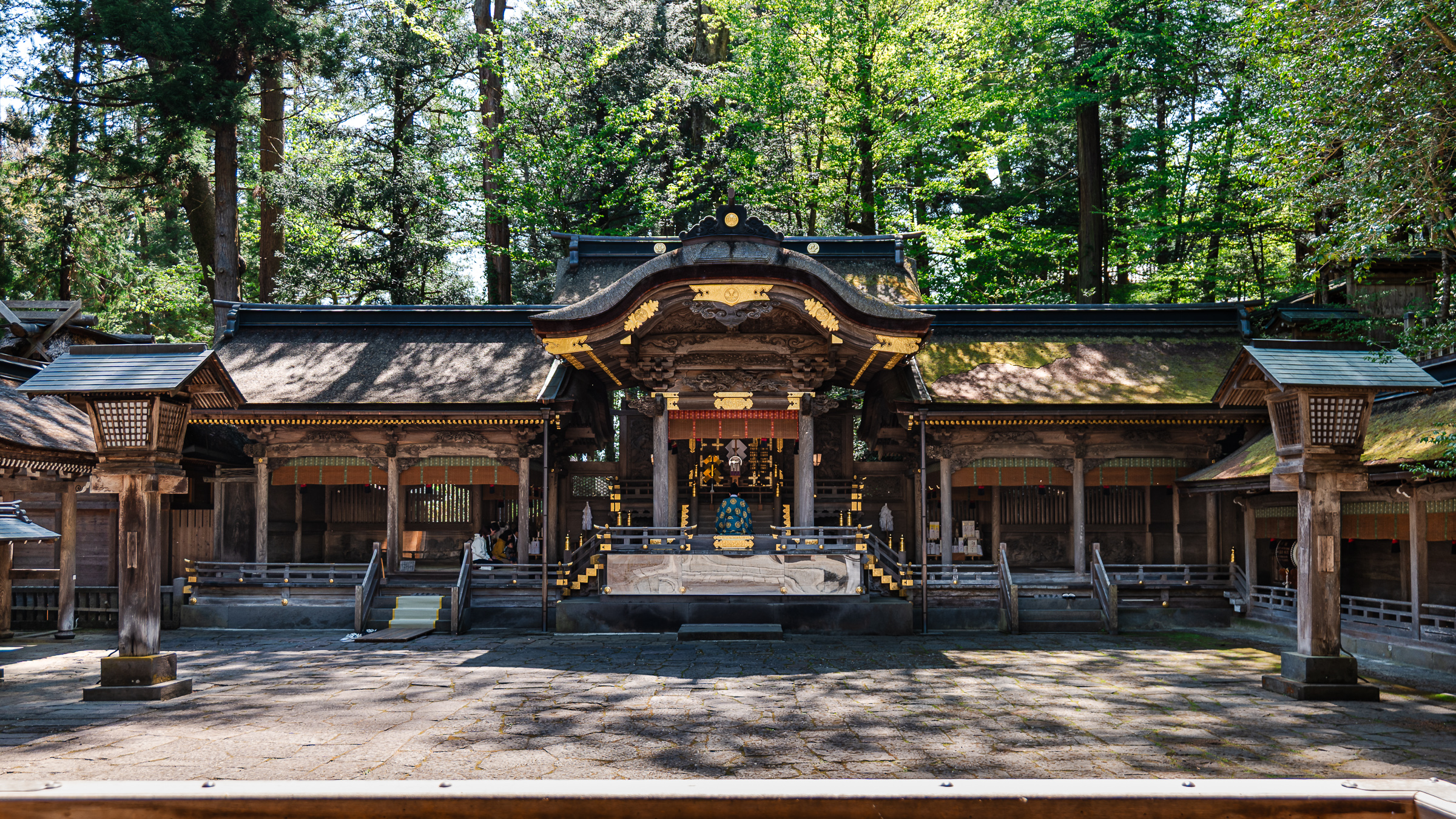
The Butsuden, the temple’s main hall, sits along this central path and serves as the primary site of worship. Farther along stands the Shariden, a small structure designated as a National Treasure that houses what is believed to be a relic of the Buddha. These buildings appear as part of the progression rather than as isolated highlights.
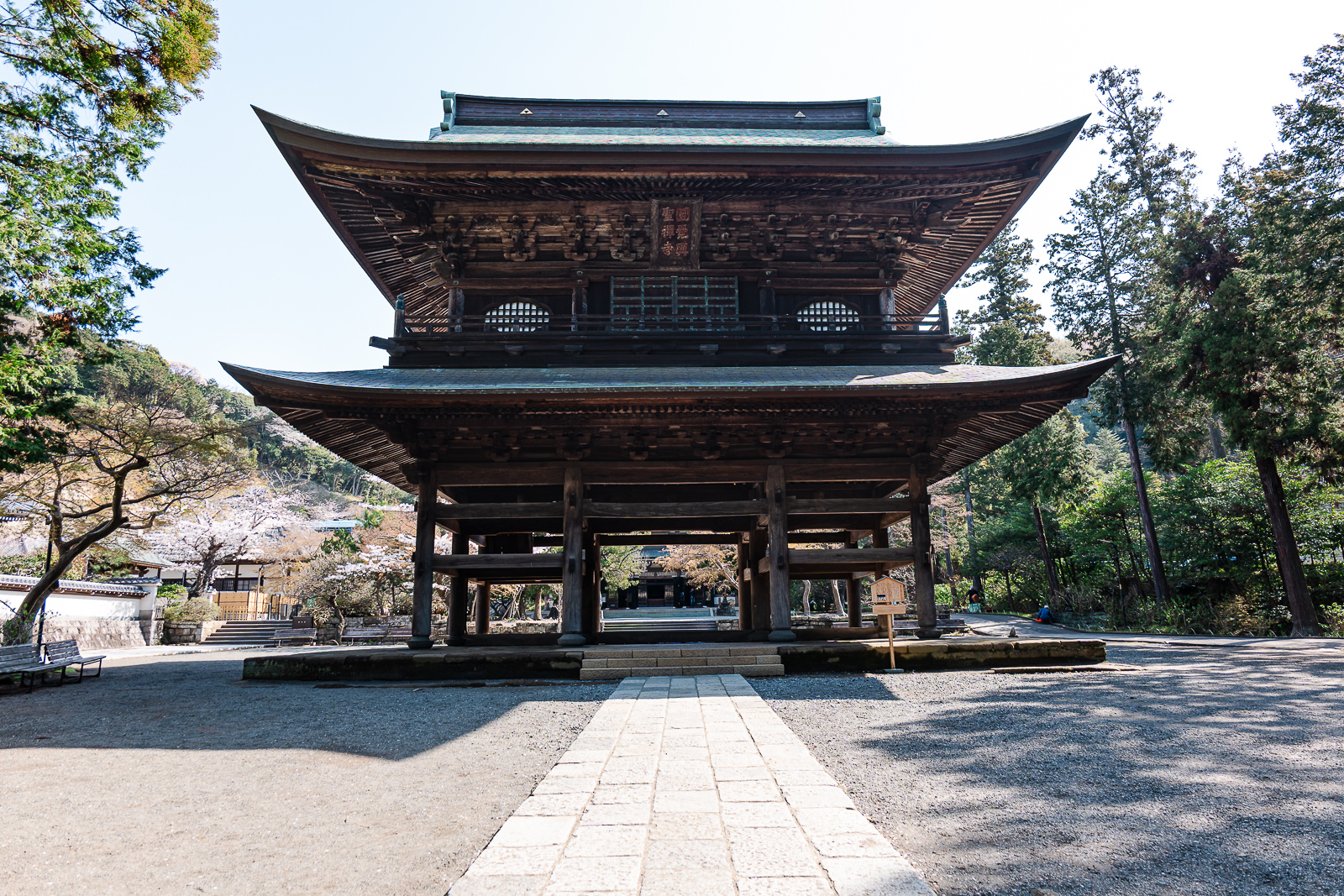
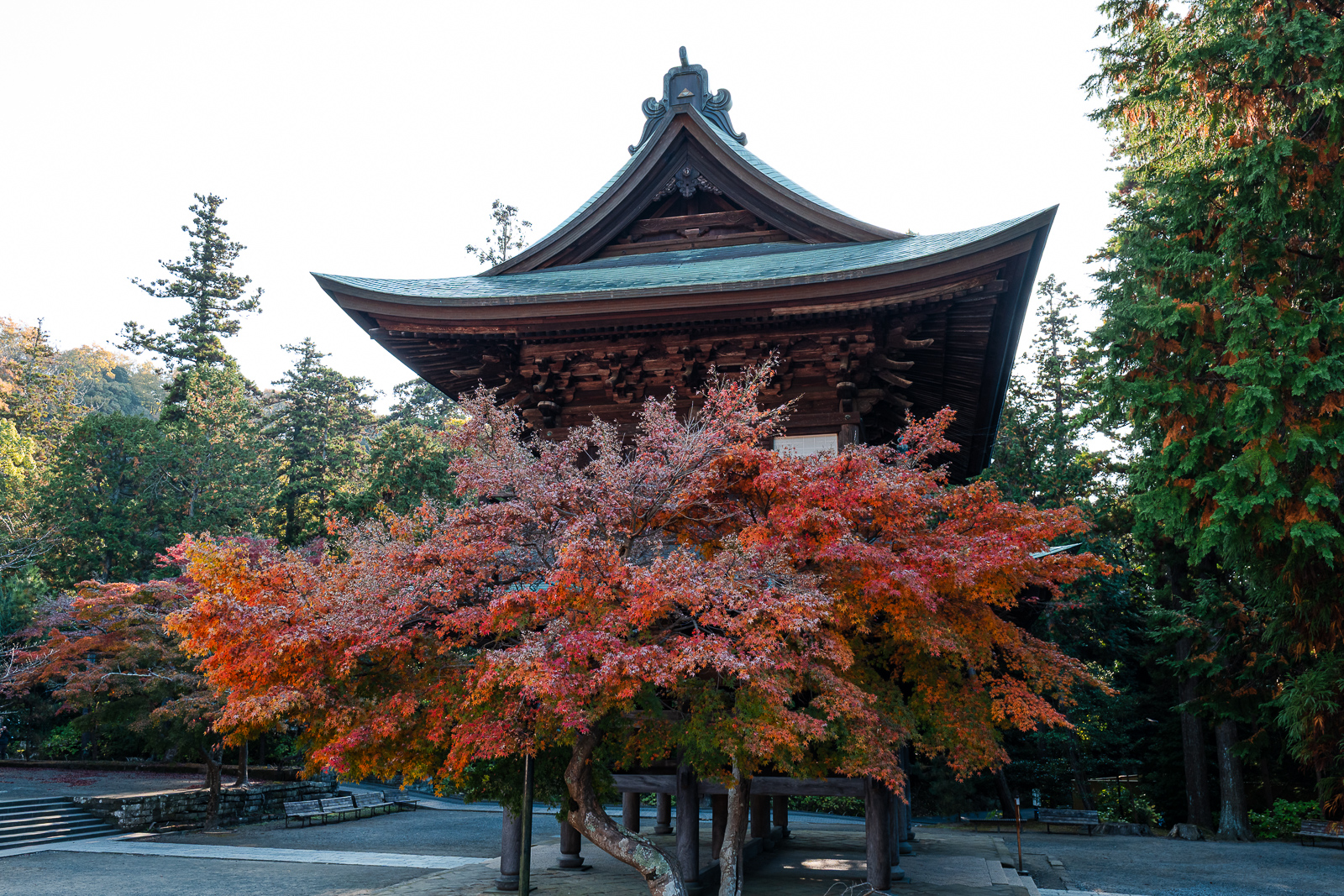
Because the temple follows the shape of the valley, the experience unfolds slowly as visitors move forward. Buildings appear, then recede, while the forest becomes more prominent along the slopes. Most visitors turn back near the main halls, while continuing farther reveals additional layers of the complex.
Exploring the Hillside Paths
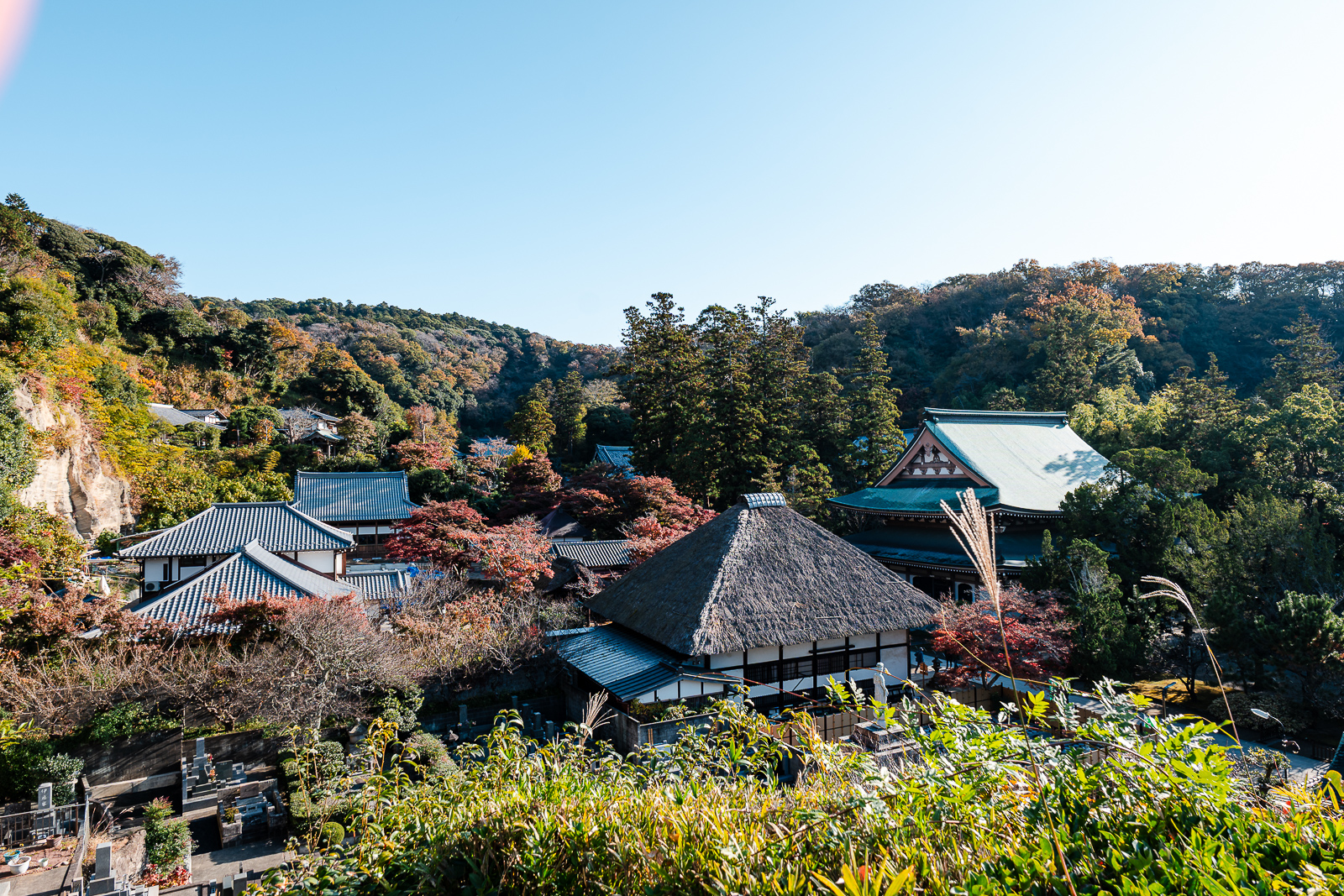
Beyond the central valley, paths begin to branch upward into the surrounding hills. These routes lead to smaller temple buildings, meditation areas, and quieter sections of the complex that are less visible from the entrance. The transition from the main path to these side routes changes the scale of the visit.
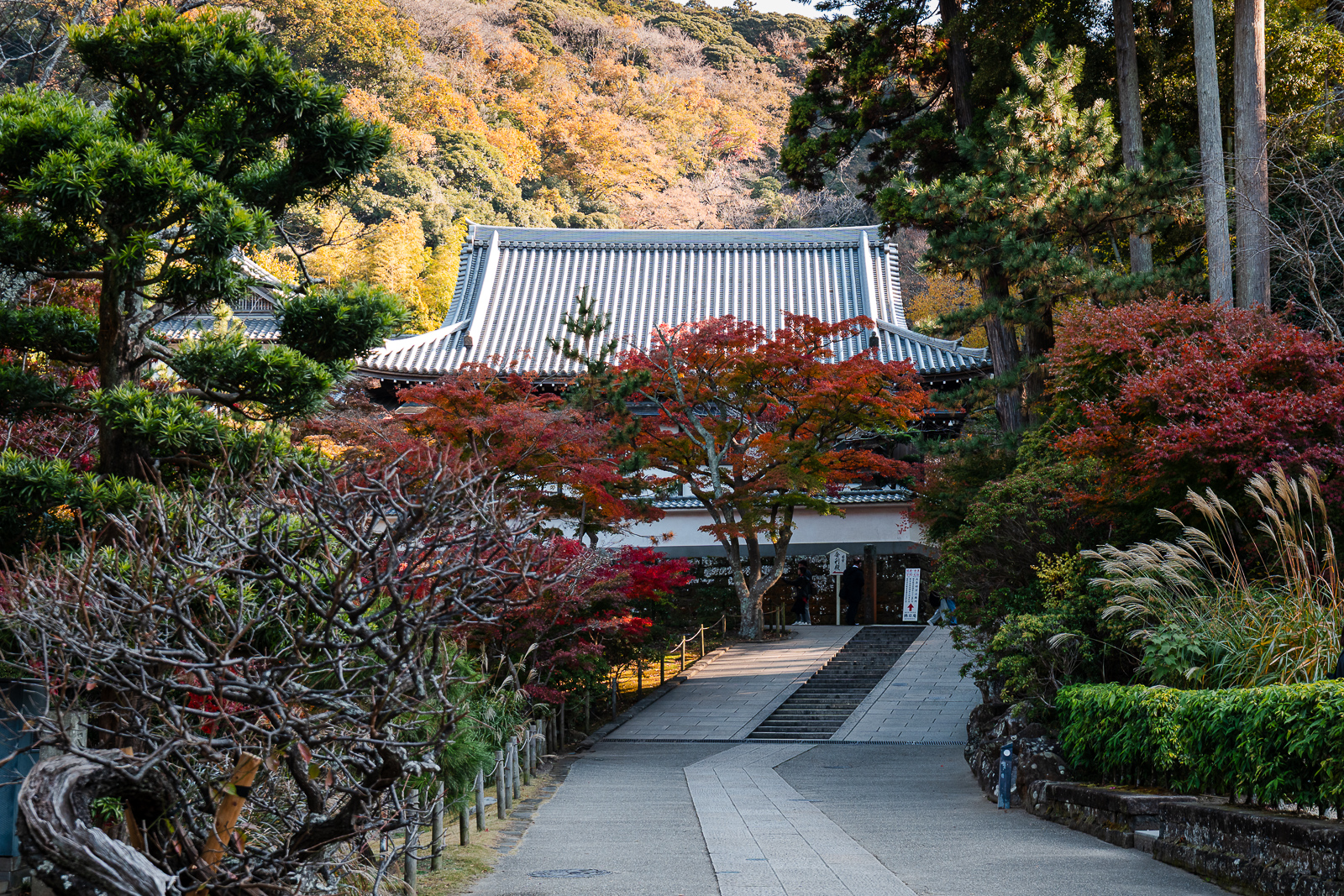
Many visitors turn around near the main halls, but continuing along these paths reveals how the temple extends beyond what is immediately visible. The hillside areas offer a different perspective on the layout, showing how the structures are distributed through the terrain. These sections also tend to be quieter, even during busier periods.
When to Visit Engaku-ji — Spring vs Autumn
Engaku-ji is not defined by a single season, and the valley changes gradually throughout the year. Each visit reflects a different stage of the landscape, shaped by the surrounding forest rather than a single viewing area. Seasonal changes appear along the walking route rather than in one concentrated location.
Spring
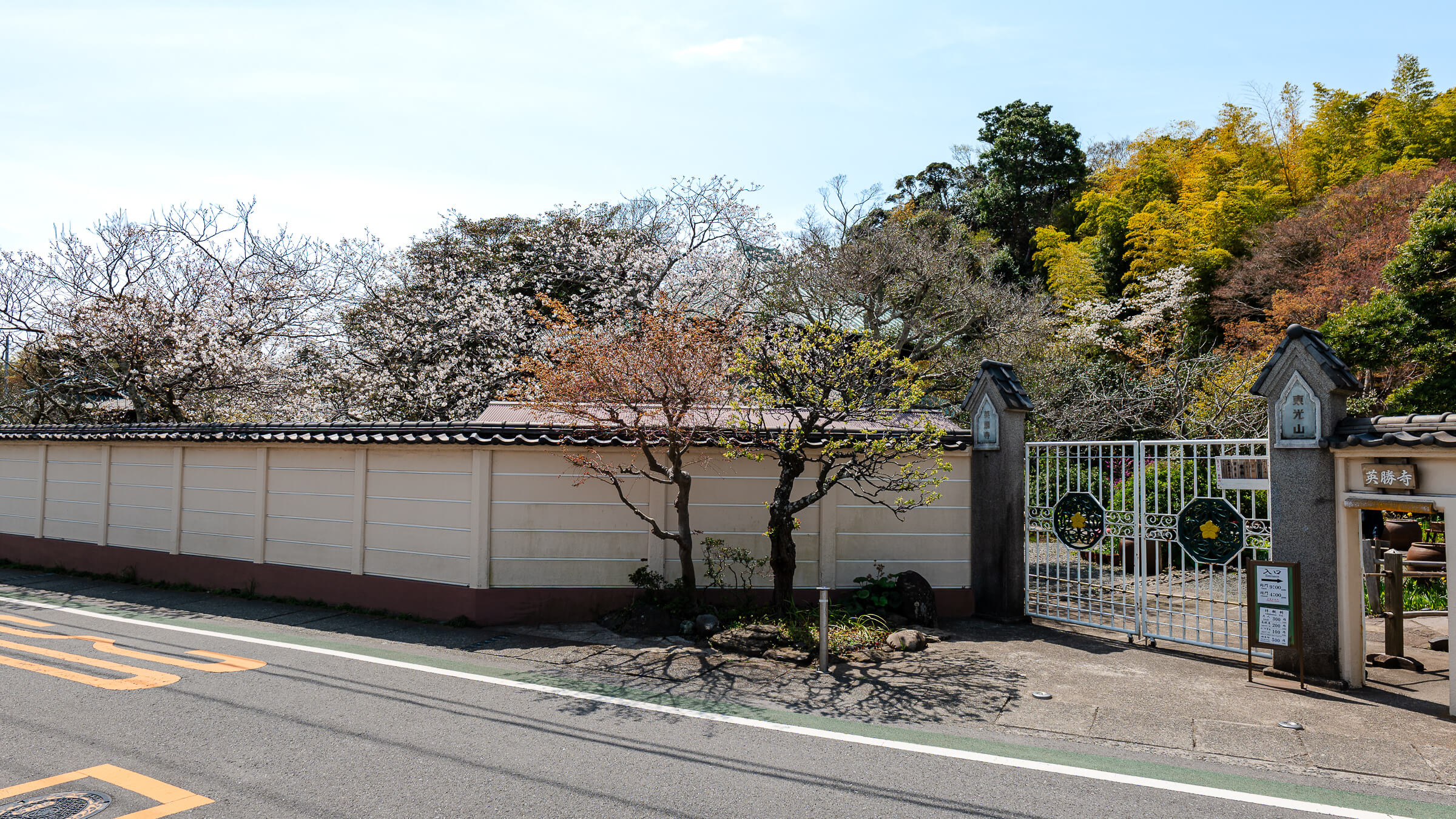
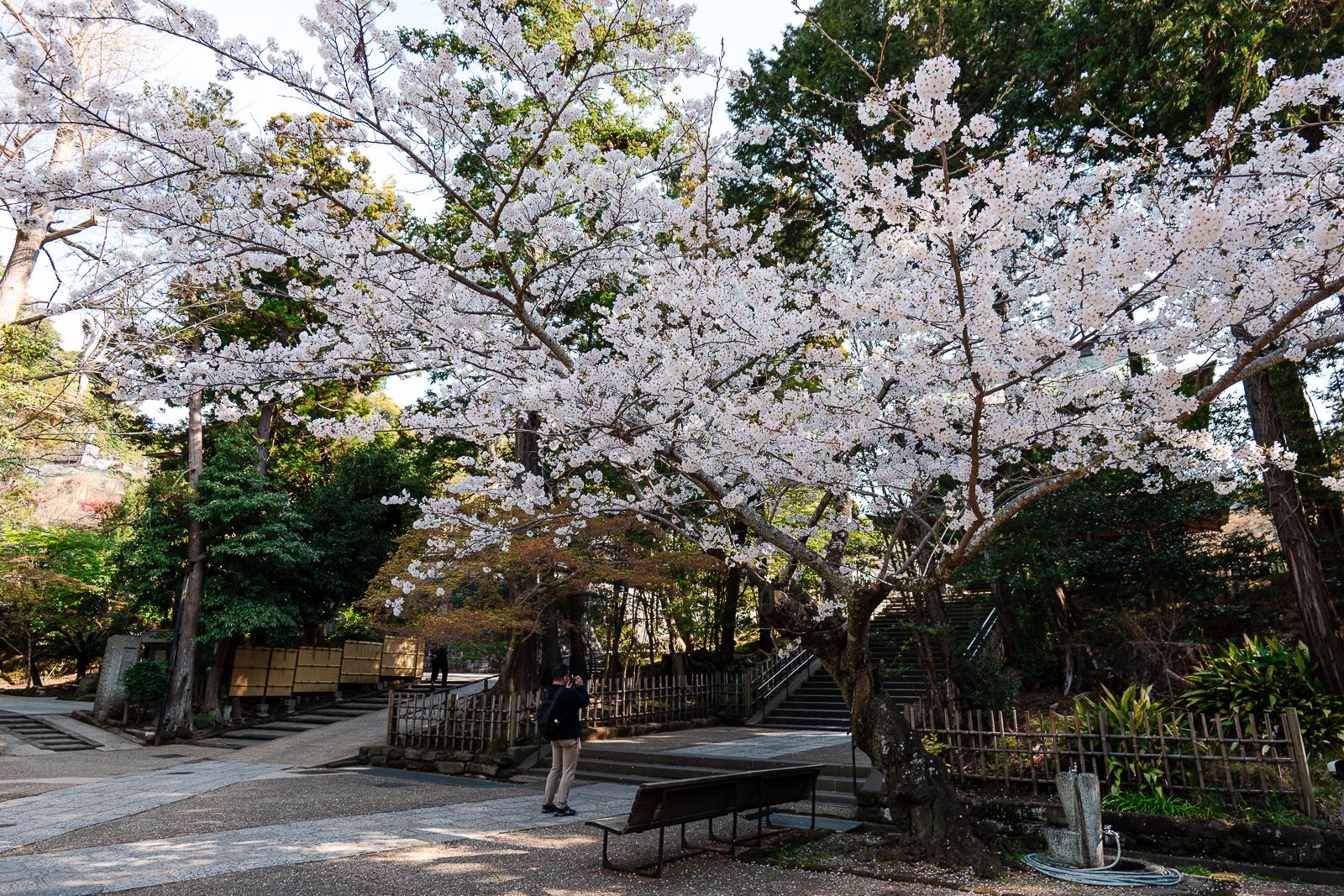
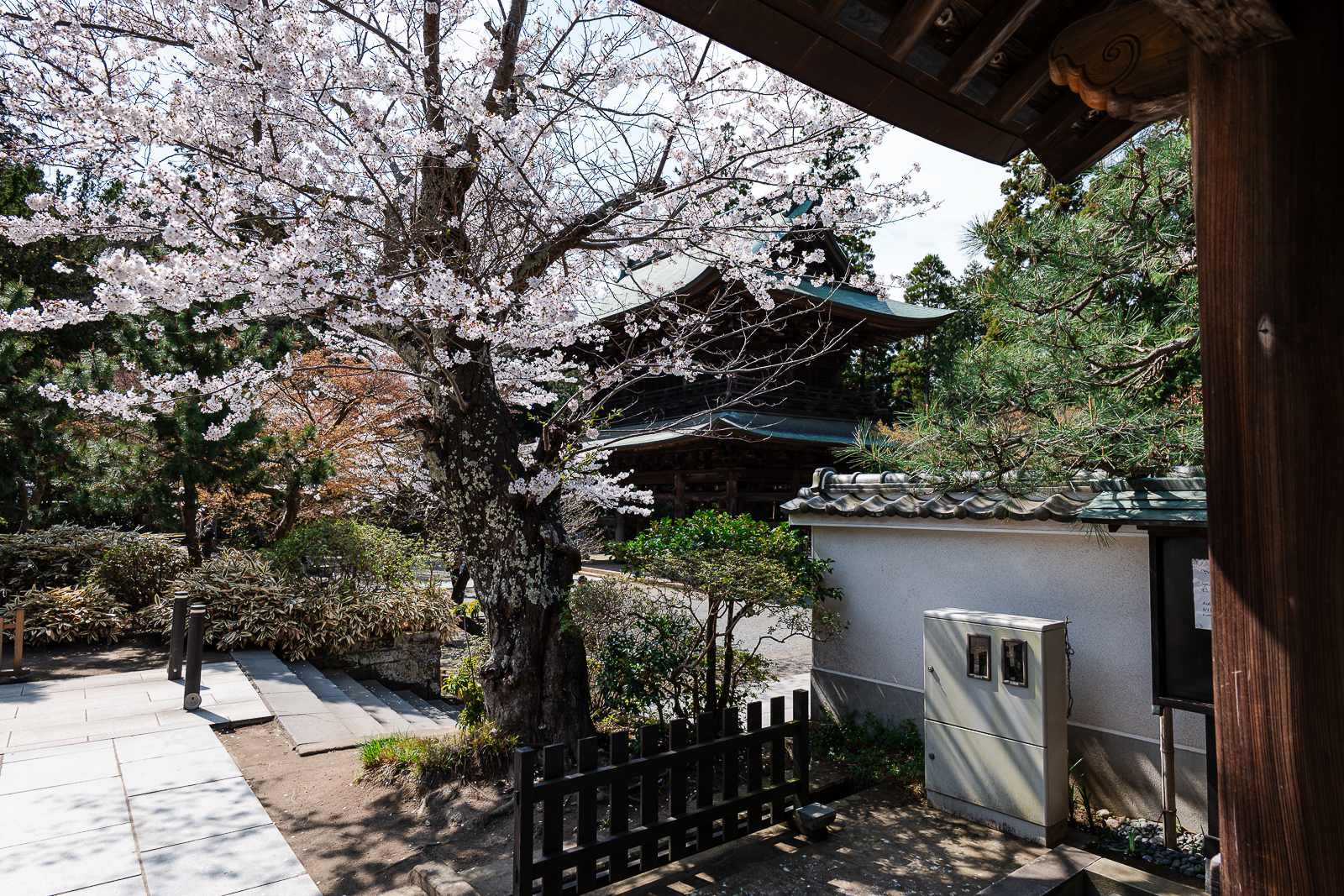
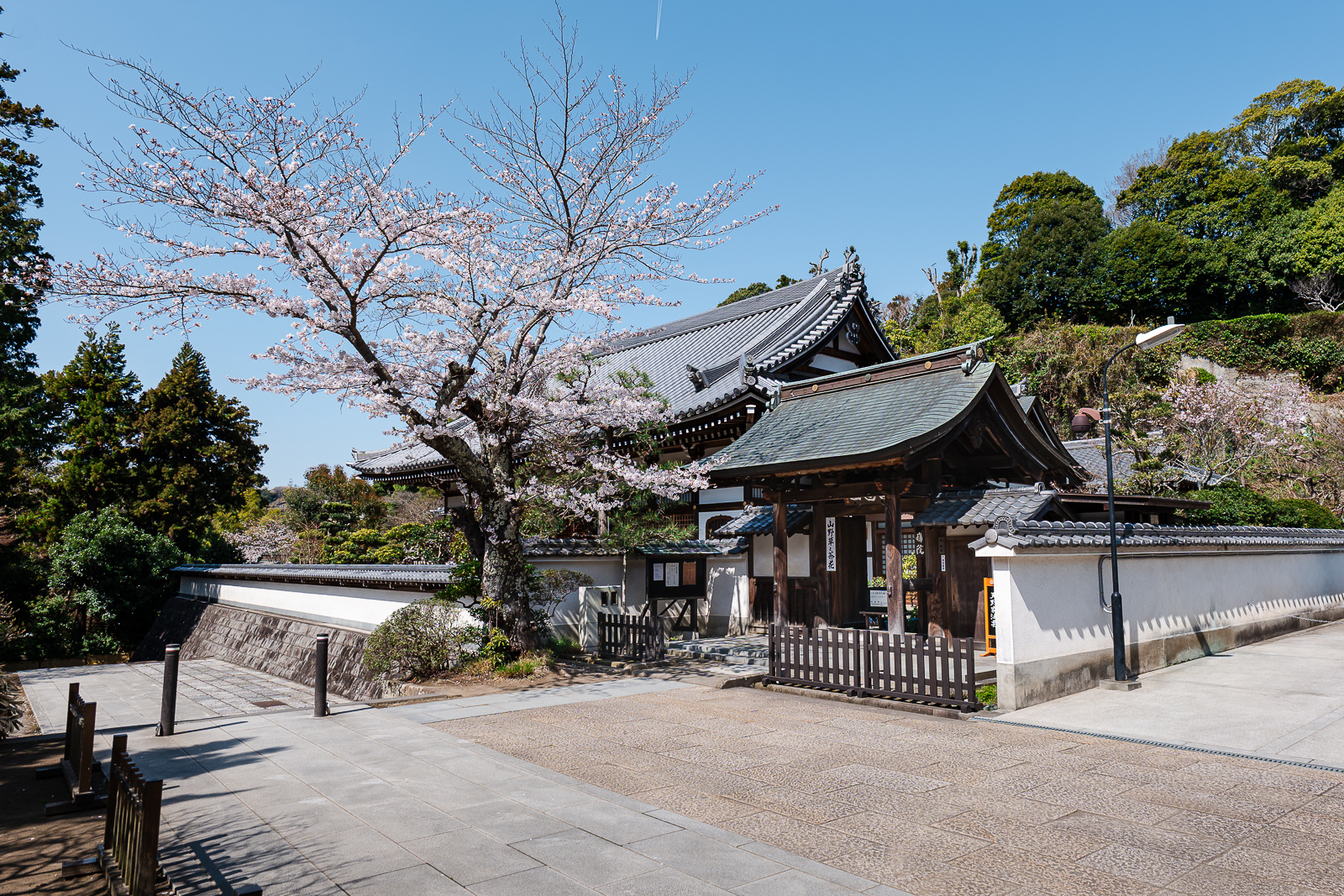
In spring, cherry blossoms appear along the entrance path and lower sections of the valley. The trees are not concentrated in a single viewing area, but instead emerge in smaller pockets around gates, paths, and open areas. This creates a quieter form of sakura viewing integrated into the temple environment.
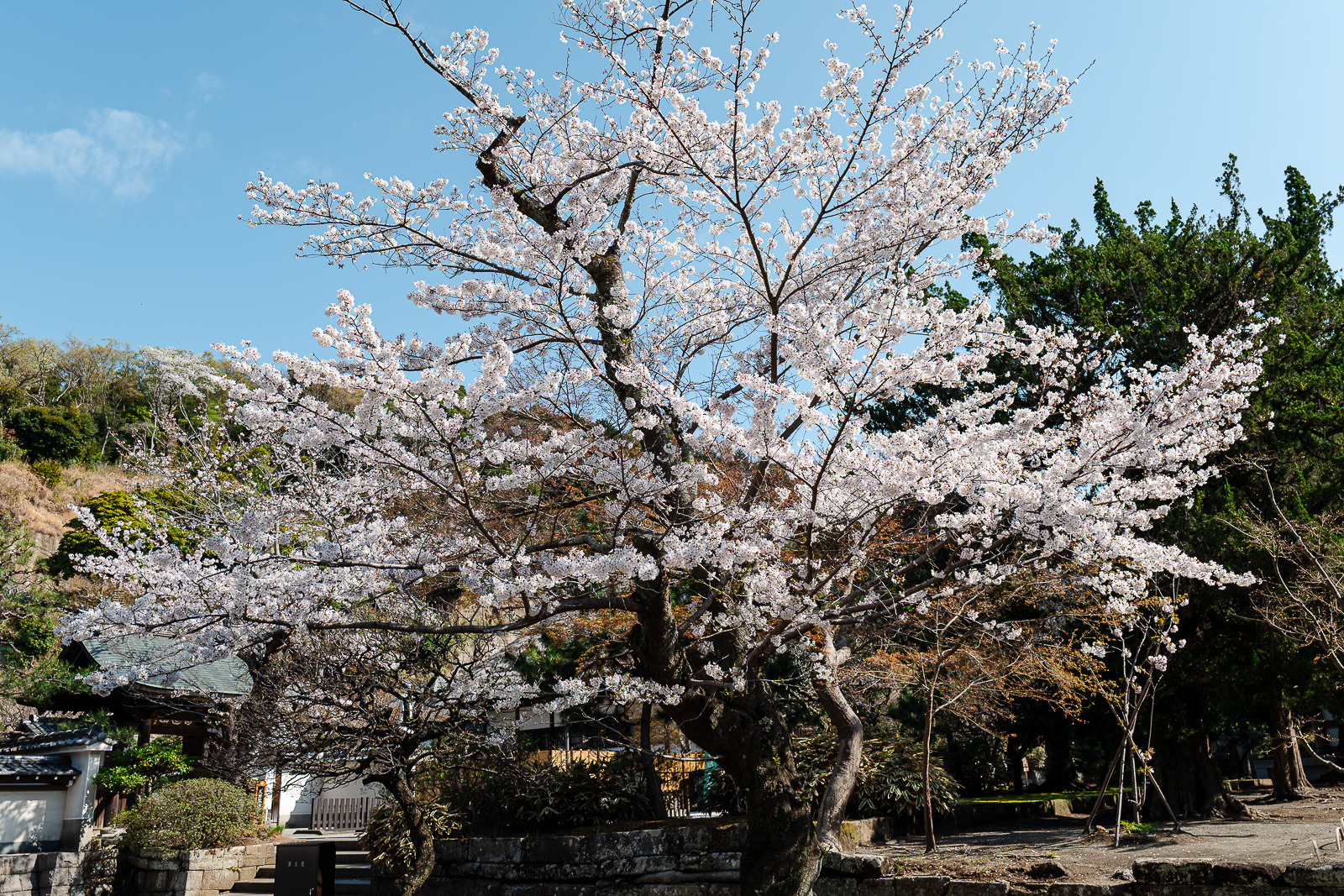
As spring progresses, new foliage begins to fill the surrounding hills, softening the transition into early summer. The blossoms gradually give way to greenery, maintaining the layered appearance of the valley.
Autumn
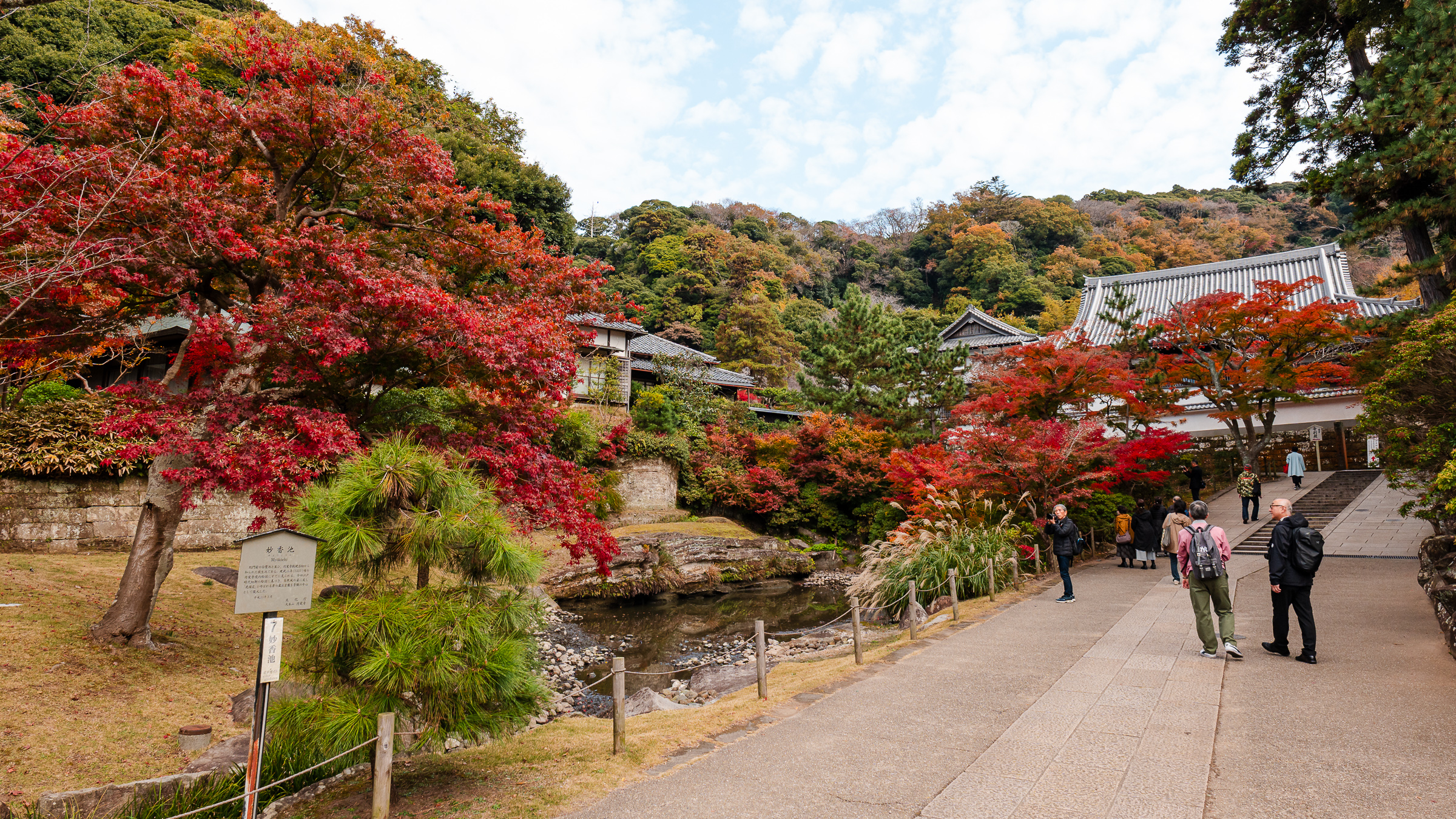
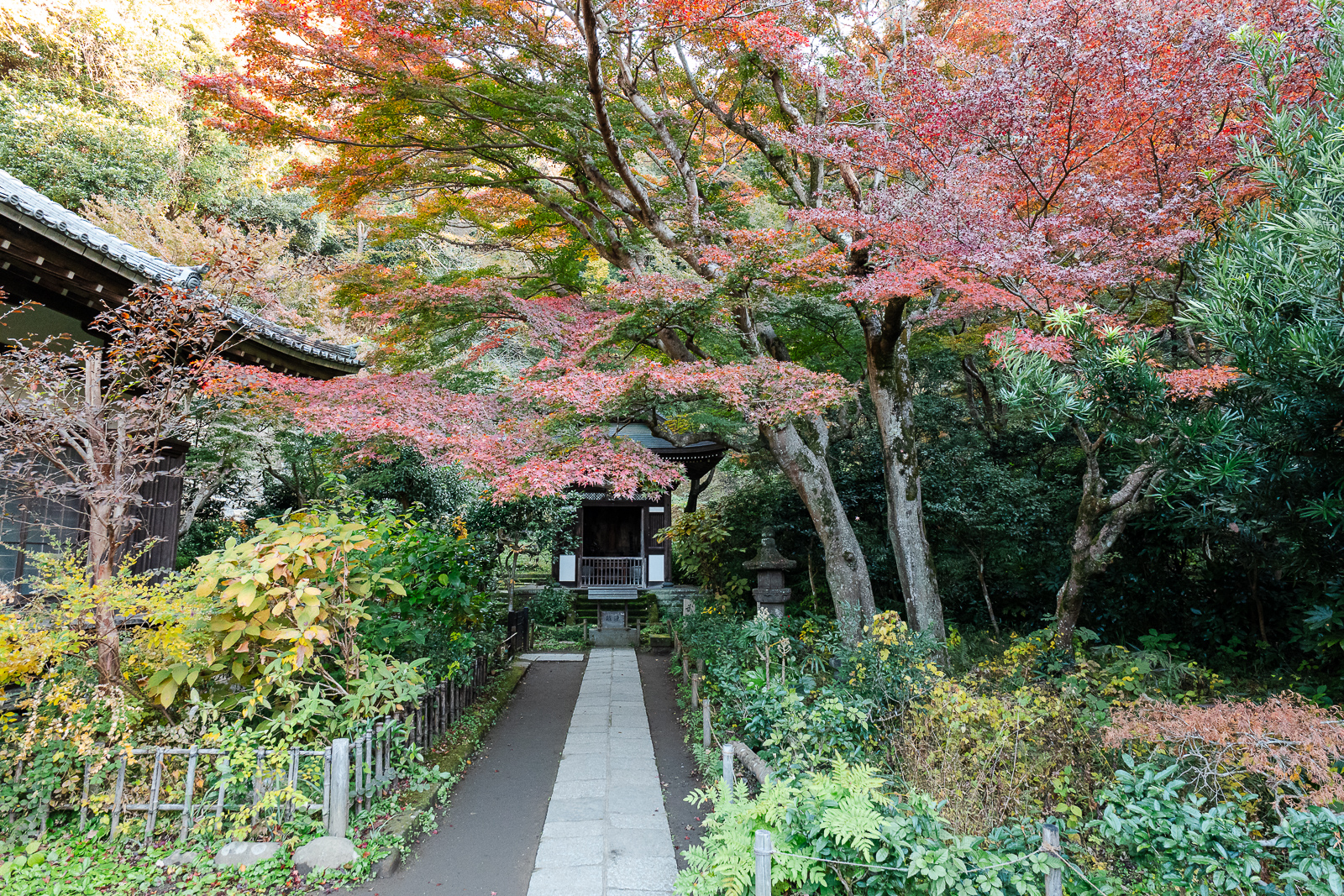
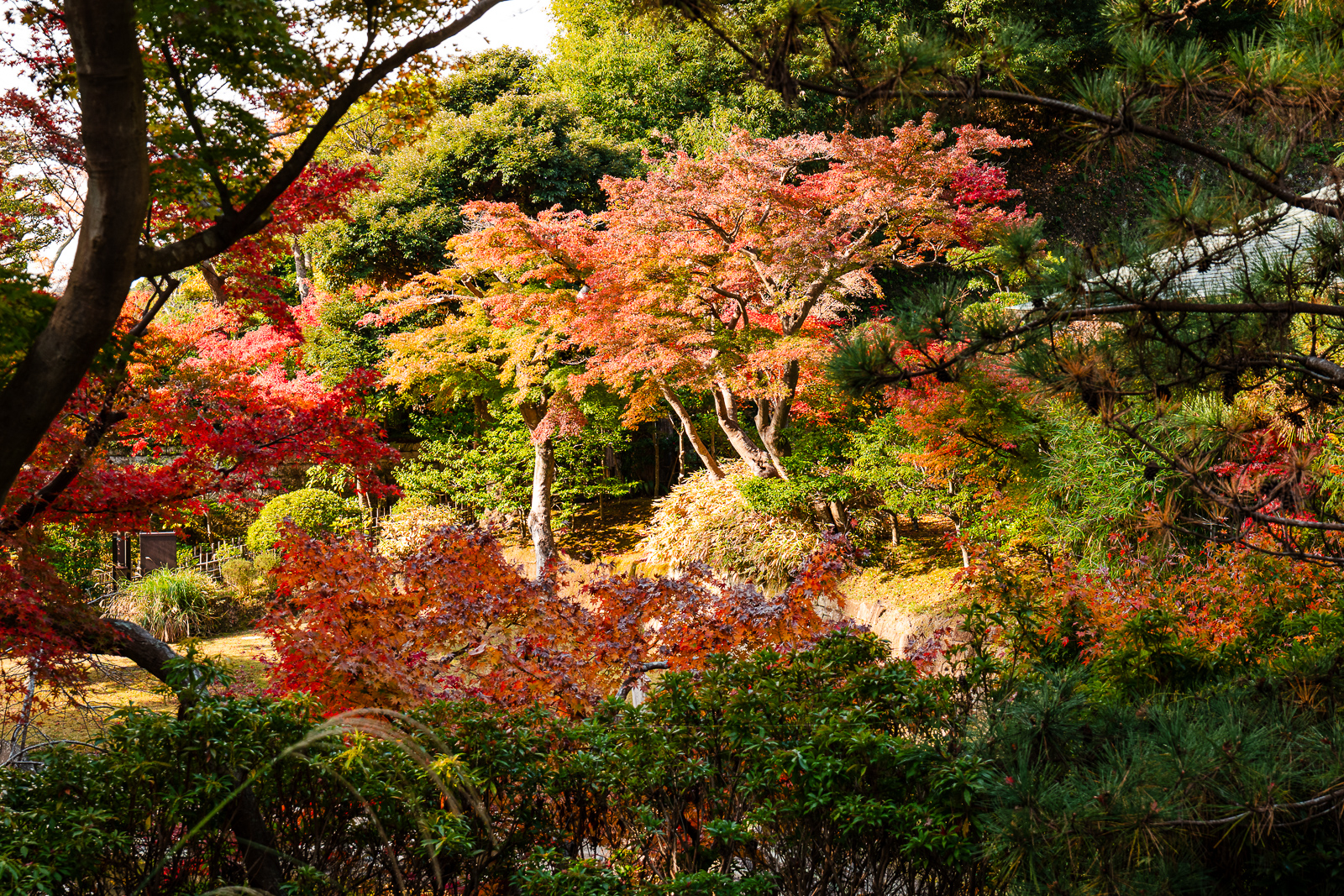
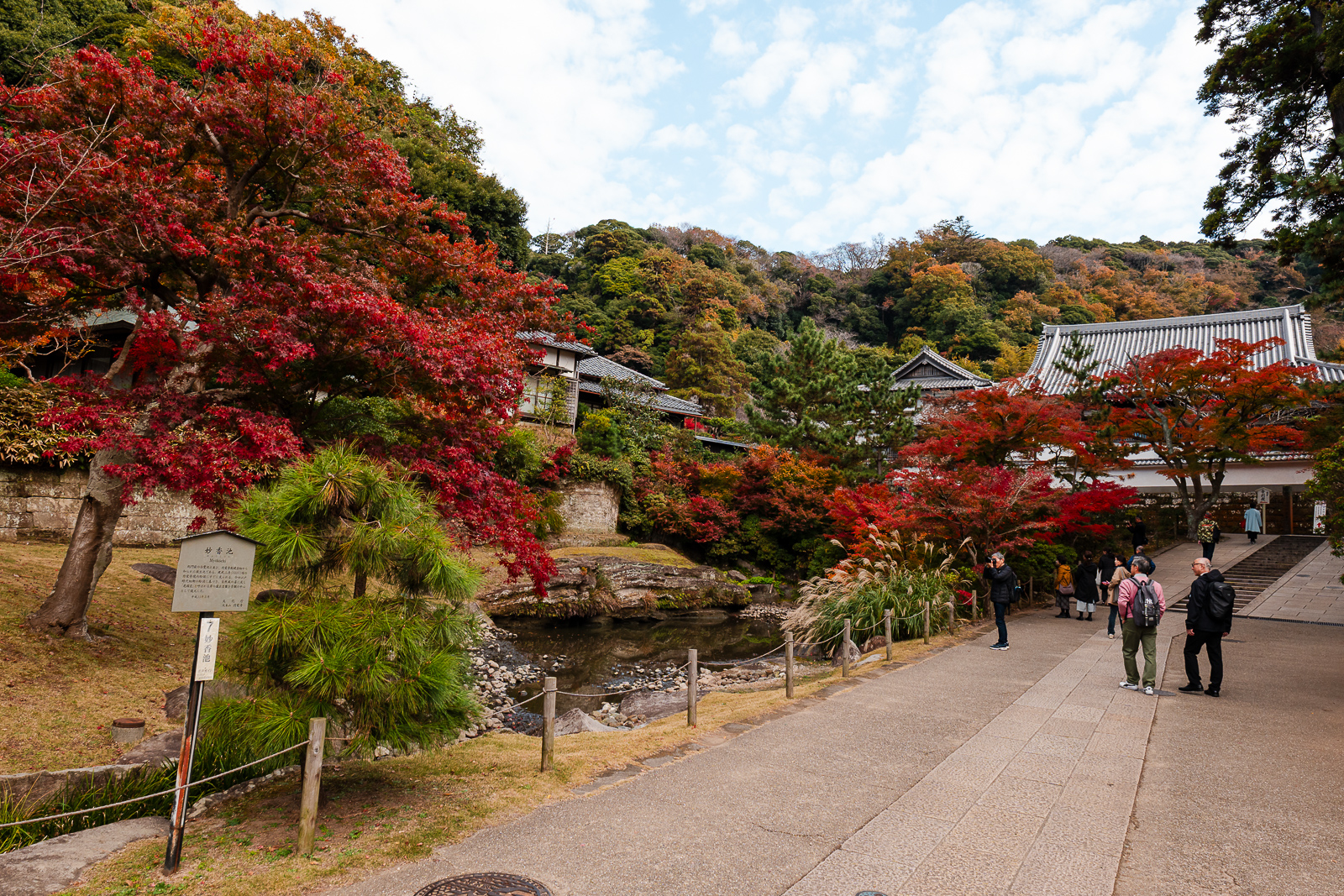
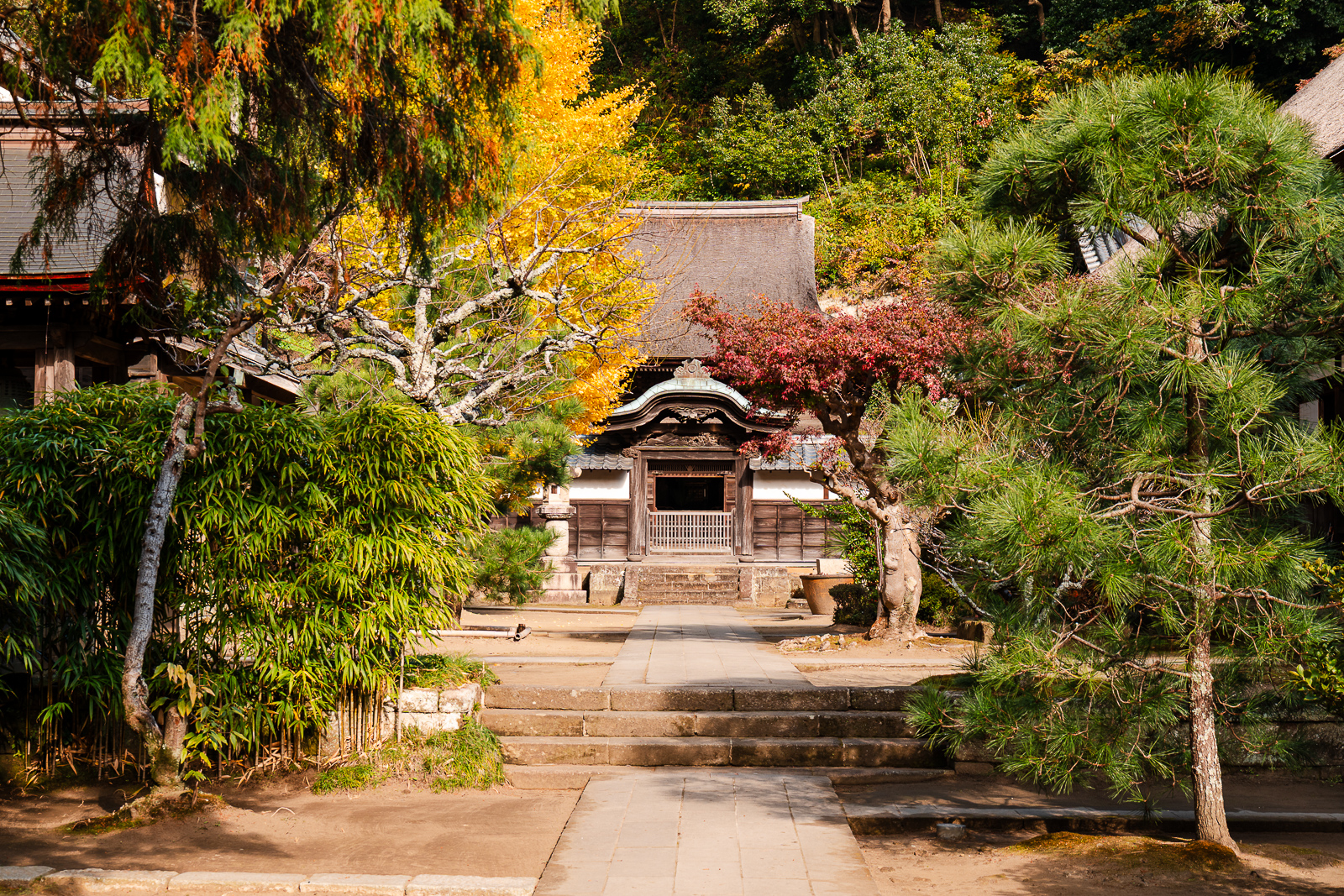
During autumn, the valley shifts again as maple trees along the slopes introduce red and orange tones. The color spreads unevenly across the hillsides, creating contrast with the darker cedar forest. This layered effect becomes more noticeable as visitors move deeper into the temple.
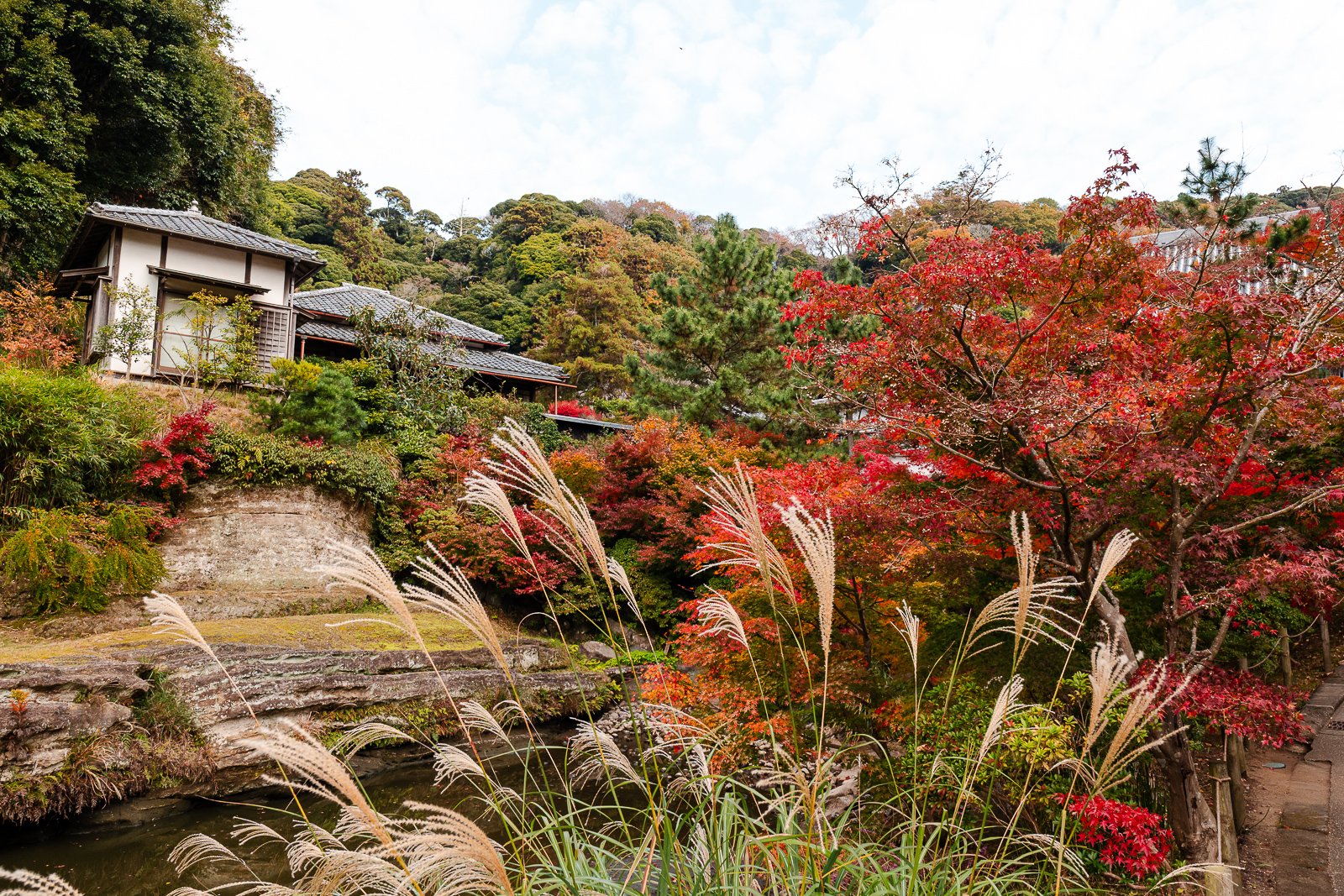
Unlike more compact viewing areas, the seasonal changes at Engaku-ji unfold gradually along the walking route. The experience depends on movement rather than standing in one place.
Seasonal Contrast
Spring introduces smaller pockets of blossom within the valley, while autumn shifts the surrounding hillsides into broader layers of color. Both seasons change how the valley is perceived, but neither defines the experience on its own. The landscape remains consistent while the surface details change.
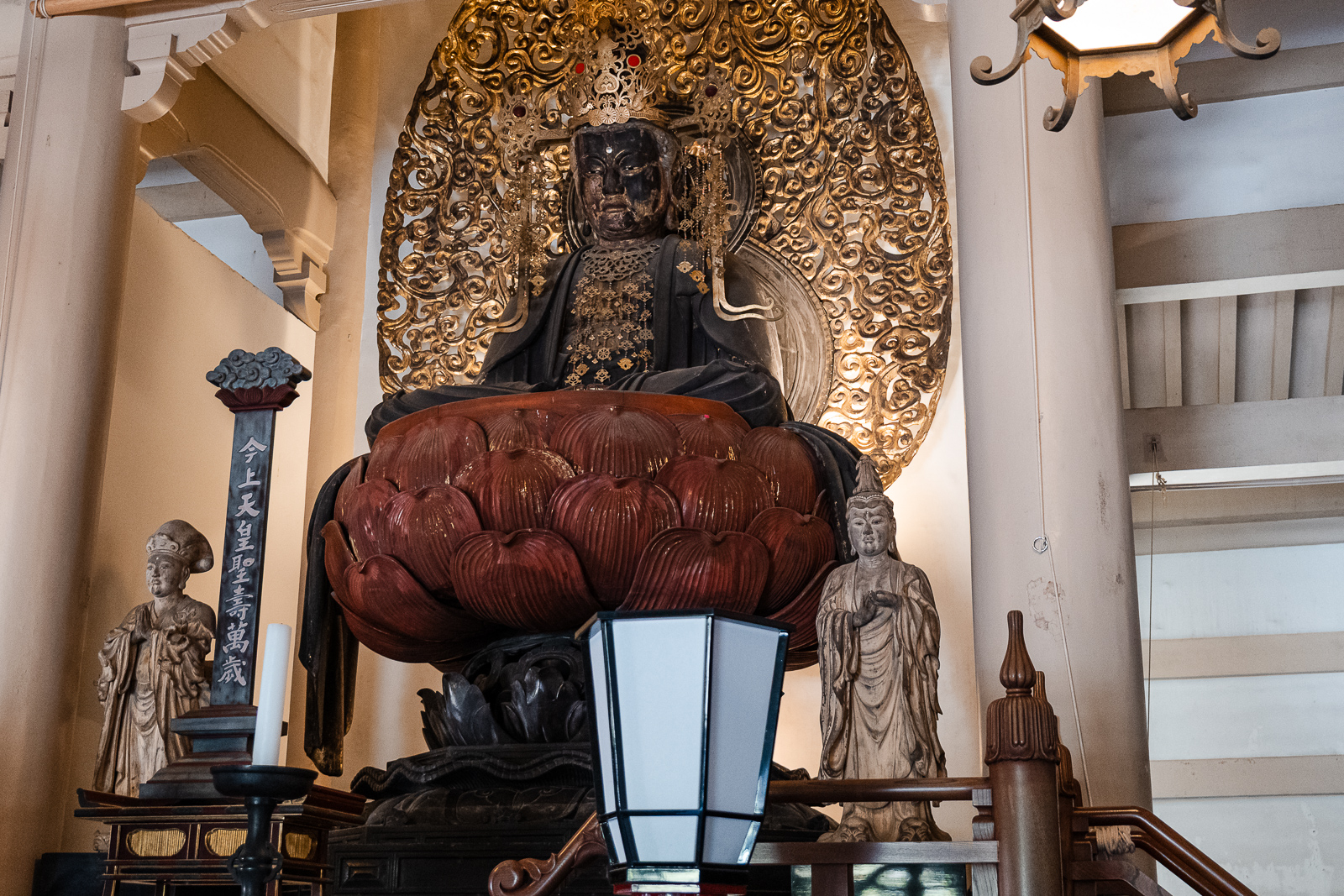
The Final Temple of the Kamakura 33 Kannon Pilgrimage
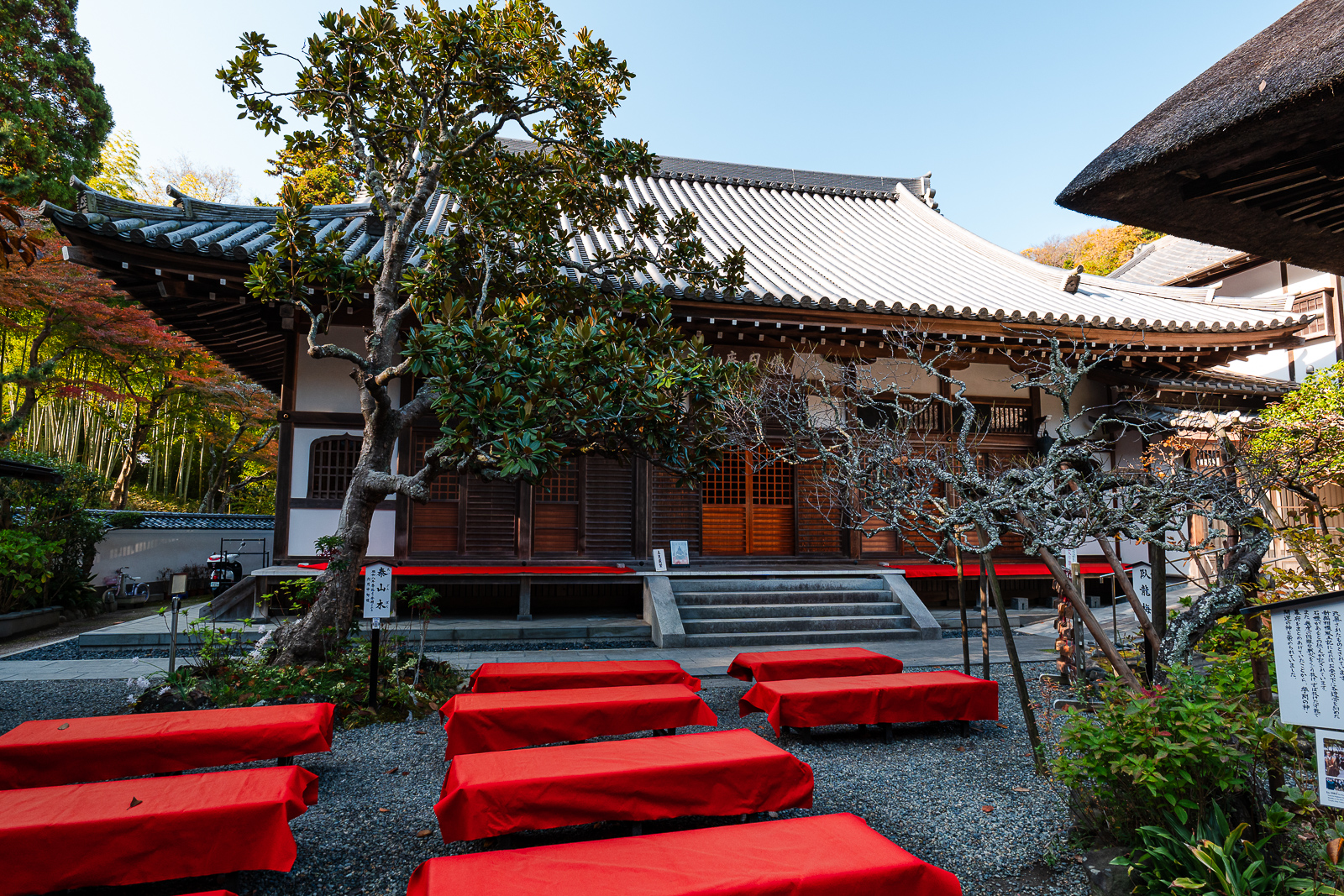
Within the Engaku-ji complex sits Butsunichi-an, a sub-temple that serves as the completion point for the Kamakura 33 Kannon Pilgrimage. This traditional route connects thirty-three temples throughout Kamakura and reflects a broader movement across the city.
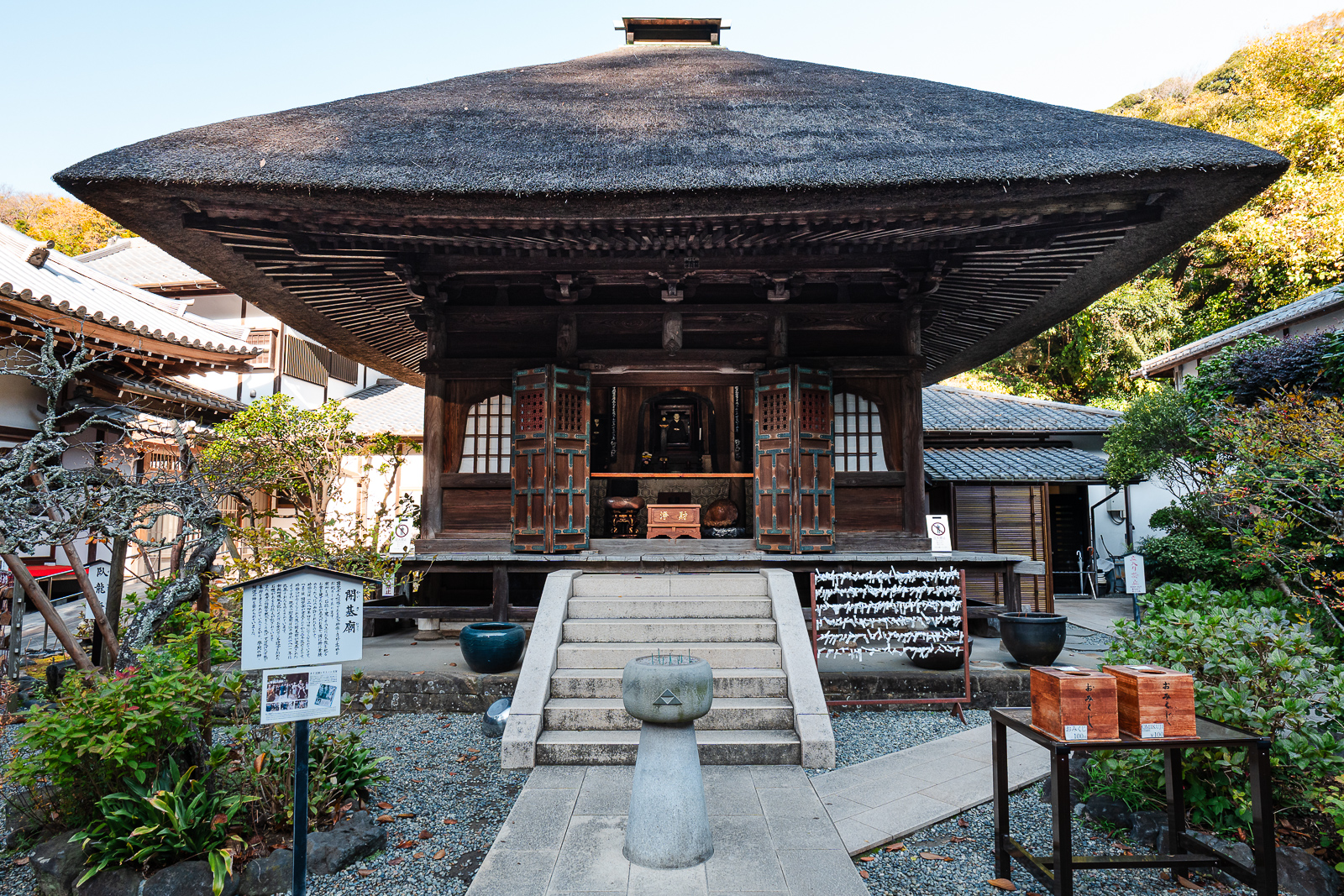
Pilgrims collect goshuin calligraphy stamps at temples across Kamakura before returning here to complete the sequence. The pilgrimage is not tied to a strict order, but participants return to Butsunichi-an after visiting the other temples to receive the final completion stamp.
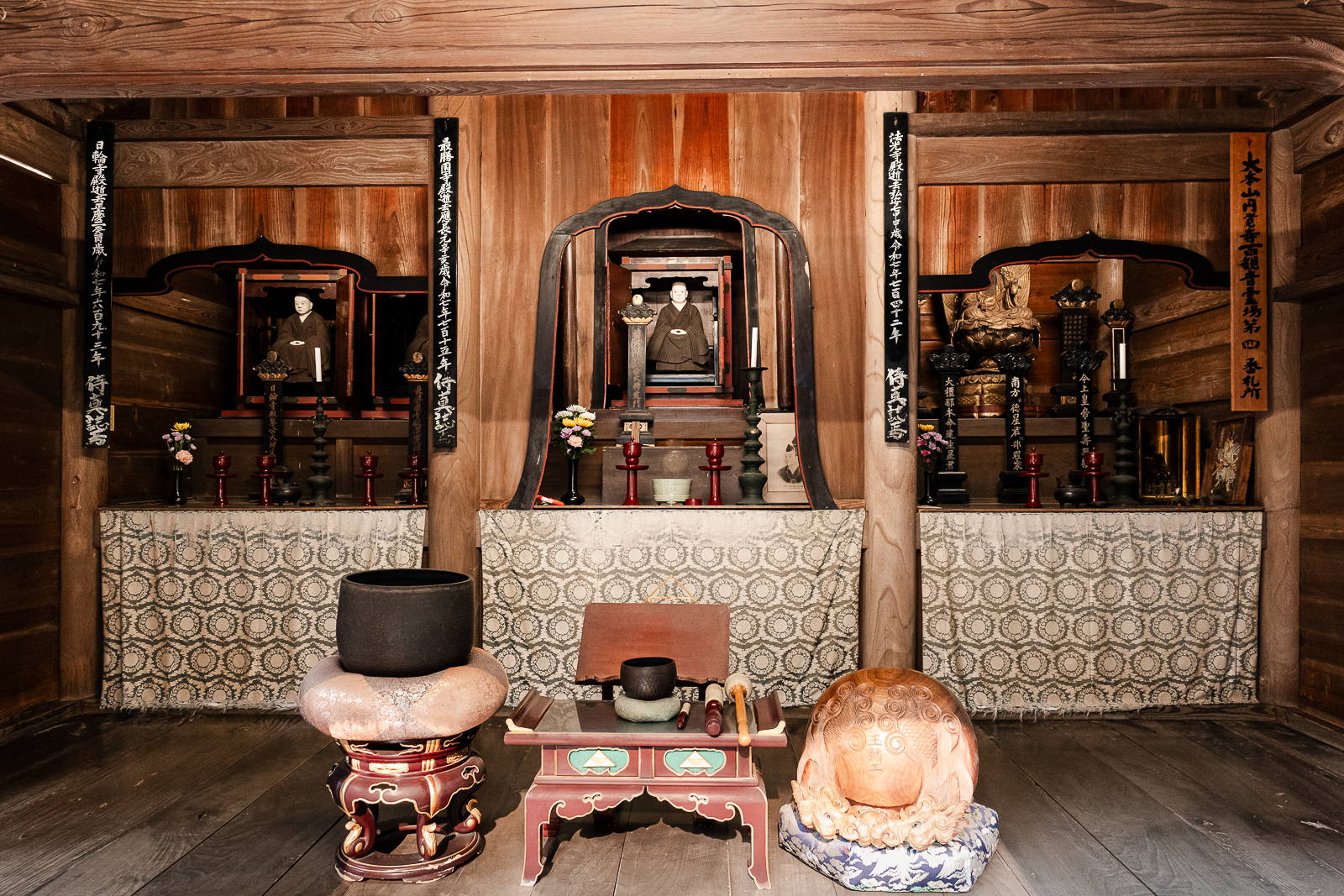
Reaching Butsunichi-an requires continuing beyond the main temple areas and following the valley paths deeper into the complex. Its location reinforces how the temple extends beyond what is immediately visible from the entrance.
How Engaku-ji Fits Into a Kita-Kamakura Walk
Engaku-ji sits at the beginning of a natural route through Kita-Kamakura. Many visitors continue south toward Tokei-ji Temple, followed by Jochi-ji Temple, where paths begin climbing into the surrounding hills. These nearby locations form part of the same corridor rather than separate destinations.
From this area, the Daibutsu Hiking Course provides access across the wooded ridges toward the western side of Kamakura. Those following the trail eventually descend near the Great Buddha of Kamakura, with Hasedera Temple located nearby. Visitors who remain on the main road instead continue toward Kencho-ji Temple and then into central Kamakura.
This north-to-south movement reflects how the city unfolds geographically. For travelers arriving in Kita-Kamakura, Engaku-ji provides a natural first stop before continuing through the temple corridor or into the surrounding hills.
Getting There
Engaku-ji sits directly beside Kita-Kamakura Station on the JR Yokosuka Line. Trains from Tokyo typically reach Kita-Kamakura in about one hour, making it one of the most accessible historic sites in the area. Because the station exit faces the temple entrance, access is immediate and requires only a short walk.
Visitors planning to explore multiple temples often begin here and continue south through the Kita-Kamakura corridor. The layout of the area allows for a continuous walking route without needing to return to the station.
Engaku-ji often marks the beginning of a longer route rather than a place to pause for the night. As the path continues toward Kencho-ji and into central Kamakura, where you stay and how you move between areas starts to shape the rest of the visit.
Hours & Fees
Hours
March – November
8:00 – 16:30
December – February
8:00 – 16:00
Admission
Adults: ¥500
Children: ¥200